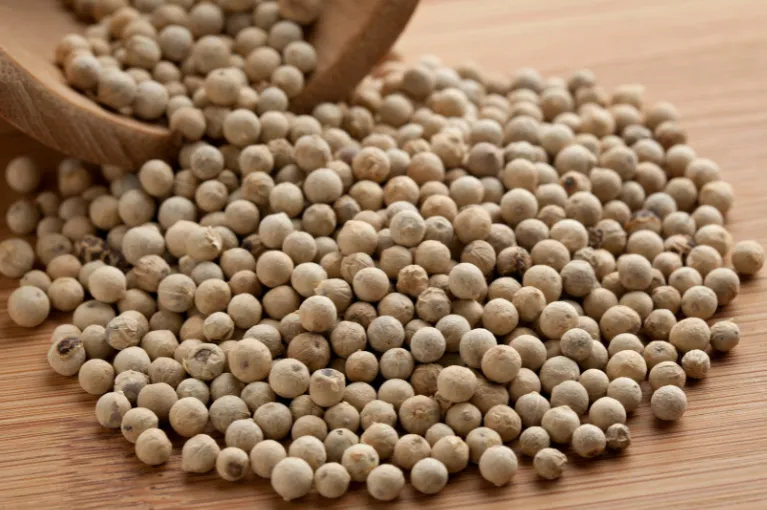
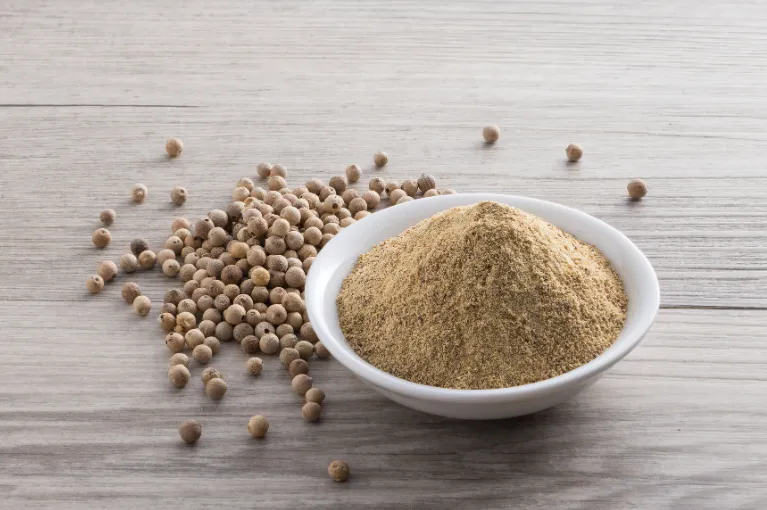
Green Cardamom: A Guide to Varieties, Grades, and Global Trade
Through this guide, we provide a precise, trade-oriented overview of how this agricultural product is processed, graded, quality-validated, certified, priced, and moved through global supply chains to meet the technical expectations of bulk buyers.
Technical Overview for Trade and Bulk Procurement
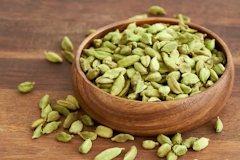
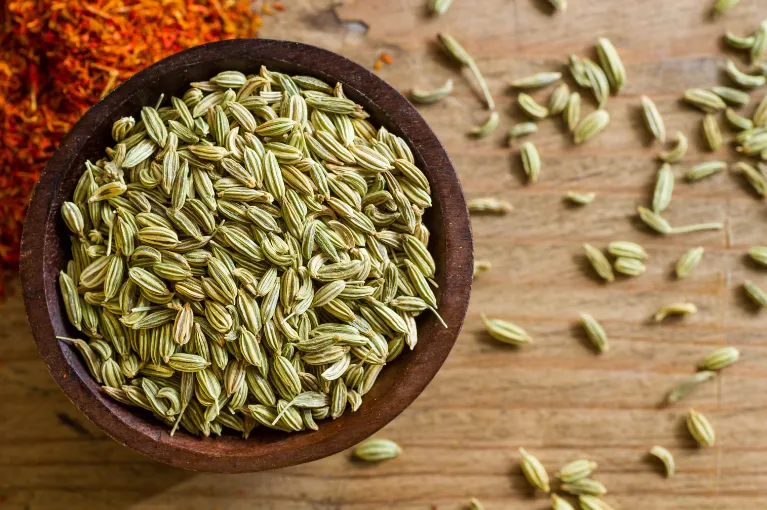
“Green Cardamom,” known domestically as elaichi (Choti Elaichi) or True Cardamom, is a highly aromatic, resinous spice product harvested and carefully dried to preserve its complex fragrance and vibrant green hue. This product has been termed the "Queen of Spices," and it retains the integrity of the capsule, which consists of the inner black seeds responsible for the essential oils and the dried outer skin (pericarp), which adds to the beauty of the spice. The pungent aroma of the spice, due to the presence of terpenes, combined with the high volatile oil content of cineole and the sweet spicy flavor, makes this product a prized commodity in the spice blending, oleoresin, and perfumery industry. The structural nuances of the spice are of paramount importance to food manufacturers and extractors who wish to buy green cardamom in bulk.
While commonly recognized as a festive flavoring or a tea additive in retail, high-grade whole cardamom is engineered for precise "Diameter-to-Color ratios" and visual uniformity (Extra Bold vs. Bulk). The process involves harvesting the crop right before full ripeness to prevent the pod from splitting, and curing it in heated chambers to lock in the green pigment and prevent mould growth.
It functions differently from cardamom powder because of its whole format. It can be used as a visual garnish in Arabic coffee (Gahwa) or for steam distillation. Because the highly volatile essential oils are protected within the dried skin of the pod, providing a sustained, stable shelf life as opposed to the rapid evaporation of aroma in powder, their physical wholeness is essential.
PRODUCT SPECIFICATIONS
Parameter
Standard / Limit
Purity
98% - 99% (Garbled / Machine Cleaned)
Moisture Content
Max 10% - 11%
Volatile Oil
3.5% - 8.0% (Origin Dependent)
Pod Diameter (Grading)
6mm - 8.5mm+ (Crucial Metric)
Color
Deep Green to Pale Green
Total Ash
Max 6.0% (dry basis)
Acid Insoluble Ash
Max 2.5%
Empty / Malformed Pods
Max 2% - 3%
Thrips / Insect Damaged
Max 2% - 5% (Grade Dependent)
Foreign Matter
Max 1.0% (Best Quality)
Immature / Shrivelled
Max 2% - 5%
Liter Weight
350g - 430g/L (Density Metric)
Critical Note: "Pod Diameter" (measured in millimeters) and "Liter Weight" (Density) are the major specifications for dried cardamom. Premium buyers require "Garbled Quality" (Cleaned and graded by size), where the product has not been adulterated with "open pods" or exhausted seeds. A visual check for "Thrips Marks" (scars on the skin) and "Yellowing" (improper curing) is mandatory to ensure the product remains sound and fit for high-value export.
TYPES, GRADES & VARIANTS
In the highly competitive landscape of the green cardamom B2B marketplace, segmentation is rigorous. It is strictly driven by four specific metrics:
Alleppey Green Extra Bold (AGEB - 8mm+): This globally traded grade, known as the "Jumbo" stock, is the benchmark for high-end retail and Middle Eastern consumption. It consists of large, plump, deep green elaichi pods, primarily from Kerala and Karnataka. Known for diameter levels exceeding 8mm, it boasts high oil content. This makes it favored by the premium gift market and the Arabic "Gahwa" (coffee) culture, where visual perfection is mandatory.
Alleppey Green Bold (AGB - 7mm to 8mm): This grade is the industrial workhorse for export. It offers a reliable mix of moderate size and excellent aroma. It has a slightly higher tolerance for size variation compared to Extra Bold grades. Because of this, it is favored for grinding into spice blends, baking uses, and retail packaging, frequently acting as an affordable alternative to Jumbo grades in international formulations.
Alleppey Green Superior (AGS - 6mm to 7mm): These are value-oriented pods distinguished by their smaller size but potent flavor profile. They are often the choice for grinding and extraction rather than visual display. While they lack the physical stature of AGEB, they are chemically rich in oils. Buyers prefer them specifically for mass-market elaichi powder, tea blends (Chai), and applications where aroma is prioritized over pod size.
Guatemala Green vs. Indian Green: This classification applies across all sizes. "Indian" cardamom is premium priced as it typically contains higher volatile oil content and a more complex, camphor-like aroma profile. "Guatemalan" cardamom is generally cheaper, often brighter in green color due to different curing methods, but is sometimes considered milder in oil content. It dominates the volume-driven export market.
GREEN CARDAMOM: APPLICATIONS & END-USE
Food Processing (Industrial)
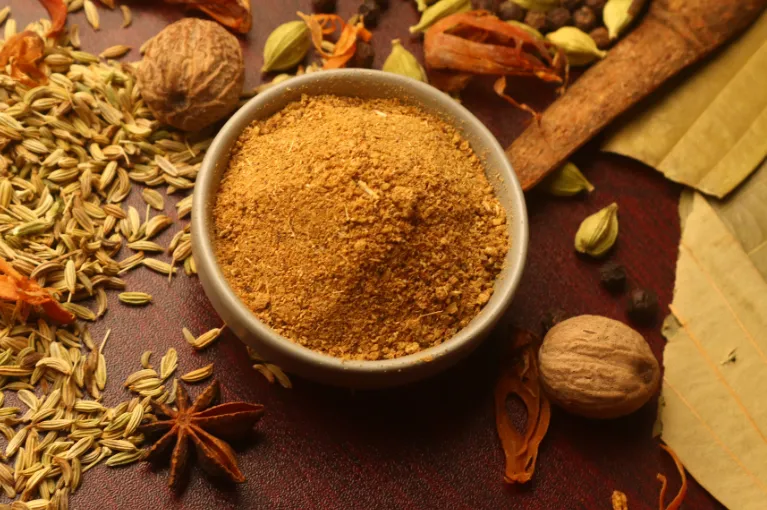
Spice Blends & Masalas: Whether processed into Garam Masala or Chai additives, the spice takes a front-and-centre role in global mixes, often constituting a significant value component of curry powders and dessert spices. It acts as the primary source of sweet aromatics. Its inclusion adds a layer of cooling, floral complexity. This is due to its high Cineole and Terpinyl Acetate content. In industrial applications, they function as the "top note" of the blend, dictating the "Premium" label on the final product.
Confectionery & Beverages: This spice is essential for the sweets and beverage sector. It is typically used ground or as an extract. You will find it in Nordic baked goods (buns), Indian Mithai, and Middle Eastern coffee. They often require sterilized or steam-treated pods to ensure low bacterial counts.
Non-Food Industrial
Oleoresins & Extracts: This sector is a value-driven buyer. It is specifically dominant in Europe and USA. The technical requirements here are distinct. Extractors prioritize High Volatile Oil (regardless of pod appearance). The seeds are steam-distilled to create concentrated essential oils. This liquid is used to flavor processed foods, liqueurs, and oral care products (toothpaste/gum) naturally.
Perfume & Aromatherapy: Cardamom serves as a heart note for the fragrance industry. It is vital for creating spicy, oriental perfumes. The demand here is for Chemical Purity. Specifically, pure Terpinyl Acetate is prized. Because of its enriching qualities, this compound is isolated for use in high-end fragrances and aromatherapy oils.
SUPPLY & DEMAND COUNTRIES
Top Producing Countries & Export Hubs
Production Leaders: Guatemala currently stands as the dominant force in the sector by volume. It is responsible for producing a massive share of the world's supply, focusing on consistent visual quality. India is the traditional producer and quality leader, where green cardamom exporters in India focus on "Alleppey" varieties known for superior oil content. Domestic consumption in India accounts for a massive portion of its own volume, limiting export surplus compared to Guatemala.
Key Export Hubs: The consolidation zone located in Idukki (Kerala, India) functions as a historic cardamom capital. It is in this hub that pods undergo critical steps. They are auctioned at the Spices Board e-auctions, graded, and packed. Guatemala City also acts as a major global hub, particularly for high-volume shipments to the Middle East.
Top Importing Regions
Middle East: Saudi Arabia and the UAE represent key markets in this region. The demand here is massive and quality-driven. It stems from the cultural tradition of "Gahwa" (Cardamom Coffee). They typically import AGEB or 8mm+ varieties where the green pod is visible in the serving pot.
Europe: The EU constitutes a premium market for extracts. The demand here is specific and regulatory. It focuses on "Pesticide-Residue Free" and clean material for the bakery and grinding industry. Scandinavia is a unique outlier, consuming high volumes for baking.
South Asia: India and Pakistan are massive consumers. The demand profile here is varied, ranging from premium whole pods for festivals to smaller grades for tea and curry blends.
GLOBAL MARKET OVERVIEW
Current market value: As of 2024, cardamom remains the third most expensive spice in the world by weight (after Saffron and Vanilla), with a market valuation expected to rise to an estimated $30.98 billion by 2026. (Source: The Business Research Company).
Future outlook: The market is expected to demonstrate robust growth, driven by the increasing popularity of exotic flavors in Western confectionery and the "medicinal foods" trend.
Growth rate: The market is expected to grow at a CAGR of 4.5% - 6.0%.
Trends: The market is moving from general "bulk" trading to specific millimeter-based purchasing (e.g., "7mm Clean" vs "Mixed"). The market is also moving towards vacuum-packed shipments, for customers looking to buy green cardamom that retains 100% of its color during transit.
KEY DEMAND DRIVERS
The "Gahwa" Culture: The Middle Eastern social fabric relies on cardamom. It is a symbol of hospitality. Cardamom is the foundational spice for Arabic coffee. Consequently, as disposable income rises in the GCC, the demand for "Super Bold" green pods increases. This trend is directly driving export demand for visually perfect, large-diameter pods.
Natural Flavoring (Clean Label): Global awareness of synthetic flavors is falling. This shift has maintained a consistent market for Cardamom Oil. Companies are now actively seeking specific qualities. They require seeds with a high oil percentage that allow for the marketing of "Natural Extract" in beverages and oral care.
Ayurvedic & Functional Foods: Traditional usage is evolving into modern health trends. In these sectors, the spice is treated as a digestive aid. It is viewed as a functional ingredient. This drives demand for organic and residue-free varieties that can be marketed in health food stores.
PRODUCTION & SUPPLY DYNAMICS
The global cardamom market is characterized by a "Moisture-Sensitive" supply reality where proper curing (drying) defines the value.
Supply-Side Realities:
Guatemala (The Volume Driver): Controls the majority of the global export trade. It defines the global baseline price.
India (The Quality Anchor): Prizes "Cup Quality" (Aroma). When Indian production drops due to monsoon issues, the premium segment prices skyrocket.
Processing Note: Unlike simple sun-drying, cardamom requires precise "Machine Curing" to lower the moisture while retaining the Chlorophyll (Green Color). The pods are dried in flue-pipe curing houses. Temperature control is vital to prevent the pods from turning yellow or splitting.
Risks:
Color Fading: Cardamom is highly photosensitive. If left in the light or stored in non-barrier packaging, the vibrant green turns to pale straw (loss of chlorophyll).
Thrips Damage: A major agricultural risk involves insect attacks on the skin. "Thrips" cause corky scabs on the pod. Buyers strictly penalize shipments with high percentages of thrips-damaged pods.
Pesticide Residue: A regulatory risk involves chemical load. Buyers in the EU test strictly for pesticide MRLs.
EXPORT & IMPORT TREND ANALYSIS
Volume Trend: Seasonal. The cardamom crop relies heavily on the monsoon patterns. Harvest runs from August to March in India. Arrivals peak in Q4, and exports flow from fresh cured stocks.
Value Trend: Highly Volatile. Prices can fluctuate wildly based on the "Auctions" in Kerala and the crop reports from Guatemala.
Key Insight: Buyers are increasingly specifying the "Litre Weight". Density indicates maturity. Heavier pods ($>400g/L$) imply fully formed seeds and higher oil content, commanding a premium over light, immature pods.
PRICE & BULK COST INDICATORS
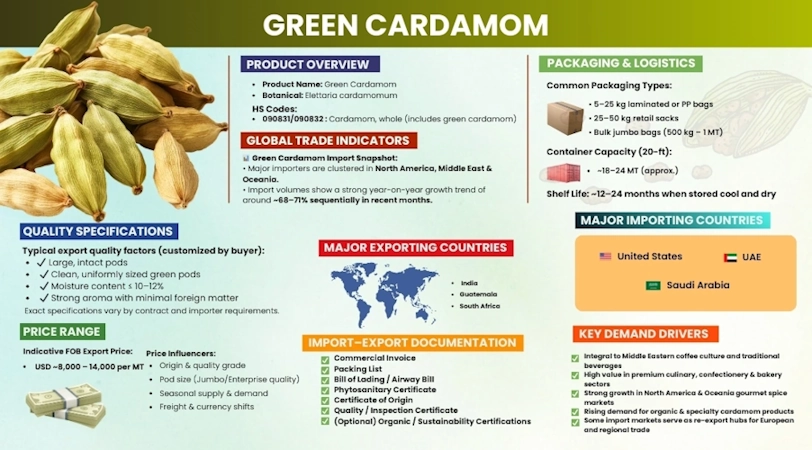
AGS / 6mm-7mm: Generally ranges from lower bands (₹2,400 - ₹2,750 per kg), setting the entry-level elaichi price 1kg for grinding grades.
AGEB / 8mm+ (Export Quality): This premium variety commands a significantly higher cost per MT, currently trading between ₹3,000 – ₹3,600 per kg. The export price rises because of the rarity of this size and the high demand in the Middle East.
Market Volatility: This is directly linked to weather conditions (Drought or Flood) in Idukki and Alta Verapaz. When plantations face stress, the elaichi price is sure to follow vertical trajectories due to yield loss. Therefore, real-time tracking of auction reports—currently showing averages around ₹2,450/kg—is crucial for buyers calculating the landed import green cardamom price.
HSN / HS CODE & TAX CLASSIFICATION
HS Code (Global): 0908.31 (Cardamoms, neither crushed nor ground).
Note: 0908.32 refers to Crushed or Ground cardamom.
Indian HSN Code:
0908 31 10: Cardamom (Small) - Alleppey Green.
0908 31 20: Cardamom (Small) - Coorg Green.
BUYER EXPECTATIONS & TRADE REQUIREMENTS
Aroma (Cineole): The #1 Requirement for Grinders. A standard Alleppey pod must yield a distinct, fresh, camphoraceous aroma.
Size (Diameter): The #1 Requirement for Whole Retail. Buyers expect a specific sieve size (e.g., 90% retention on a 7mm sieve).
Visual Appearance: The product must be free from "Split" or "Yellow" pods. Buyers expect a uniform bright green color. Verified bulk green cardamom suppliers mitigate rejection risks by using color sorters.
Microbiological Standards: Salmonella absent. Moisture limits are strictly enforced (Max 11% to prevent internal mould).
LOGISTICS, PACKAGING & TRADE TERMS: Green Cardamom
Packaging Standards: Due to the nature of green cardamom, which is sensitive to moisture and loss of aroma, it has to be packed in high-barrier materials. Cardamom is typically packed in Vacuum Packs (5kg/10kg) inside master cartons to lock in the color and oil. Traditional gunny bags are used for lower grades but are risky for color retention.
Storage & Shelf Life: Cardamom has volatile oil, which evaporates in heat. Cardamom has to be kept in cool, dry storage (approx 15°C - 20°C) to maintain the green pigment. If stored at high humidity, the pods will absorb moisture and become mouldy. The shelf life of vacuum-packed cardamom is 18-24 months.
Incoterms & Documentation: FOB/CIF is the standard practice. The documentation required includes: Certificate of Analysis (specifically for Moisture and Bulk Density), Phytosanitary Certificate, Bill of Lading, and Spices Board Certificate (for Indian exports).
FUTURE OUTLOOK & OPPORTUNITIES
Organic & Residue-Free (The "Purity" Wave): There is an aggressive global shift toward chemical safety. This has created a dedicated market for Organic Cardamom, where pesticide load is zero. The segment is led by niche buyers in Europe.
Extract Efficiency (The "Yield" Factor): Driven by the global interest in natural flavoring, Western markets are actively seeking the consistency of Cardamom Oleoresins. The star of this category is the High-Oil generic grade. These are processed to maximize yield rather than visual perfection.
Sustainable Sourcing (Ethical Focus): From online shopping to old-school auctions, the world supply chain is forcing the issue of genuine consideration of the impact of farming on the ecosystem. In the Bulk Trade, the result is an emphasis on shade-grown products and sustainable farms.
TRANSPARENCY & DISCLAIMER
Disclaimer: Market data, price indications, and trade regulations may change because of harvest conditions, geopolitical policies, and currency fluctuations. The technical details are for general guidance only; buyers must verify the details (Size, Liter Weight, Moisture) with suppliers through a Certificate of Analysis (CoA) before making a purchase. No specific trade result can be guaranteed by Tradologie.
Alleppey Green is generally harvested in Kerala and is known for its darker green color and higher oil content. Coorg Green is from Karnataka, often lighter in color. In modern trade, Alleppey has become a grade designation for high-quality green cardamom regardless of specific geography.
Liter Weight measures the density of the pods. It involves weighing a specific volume (1 Liter) of cardamom. A higher weight (e.g., 420g) indicates that the pods are mature and full of seeds. A lower weight (e.g., 350g) indicates immature or empty pods.
Thrips are insects that scratch the skin of the cardamom pod, leaving corky, scaly scars. While it doesn't heavily affect the flavor, it ruins the visual appeal. For whole spice retail, thrips damage significantly lowers the grade and price.
In trade terms, Bold refers to the diameter of the pod. Generally, pods that are 6.5mm or 7mm and above are considered Bold. Pods 8mm and above are often called Extra Bold or Jumbo.
Cardamom loses its green color (chlorophyll) when exposed to oxygen and moisture. Vacuum packing removes the air and seals the pods, preserving the fresh green color and volatile oils for much longer than loose bag storage.
We use cookies to enhance site functionality, improve user experience, analyze website performance, and deliver relevant content in accordance with our Cookie Policy.
We use cookies
Essential Cookies
Essential cookies are strictly necessary for Tradologie.com to operate properly. They enable core functionalities such as security, session management, network stability, and cookie consent preferences. These cookies do not collect personal data and cannot be disabled.
Name
Vendor / Service
Purpose
Expiry
Privacy Policy
ASP.NET_SessionId
Tradologie.com / ASP.NET
Maintains secure user session across pages.
Session
https://privacy.microsoft.com/
__RequestVerificationToken
Tradologie.com
CSRF protection for forms.
Session
https://www.tradologie.com/privacy-policy/
cookie_consent
Tradologie.com
Stores consent preferences so the banner does not reappear.
We use analytics cookies to gather anonymous, aggregated information about how visitors interact with Tradologie.com. This helps us improve the site, measure the success of content and services, and prioritize performance fixes.
Functional cookies allow the website to provide enhanced usability and personalization. They store preferences such as language, region, chat settings, and login details for a smoother browsing experience. Disabling these cookies may limit certain features.
Name
Vendor / Service
Purpose
Expiry
Privacy Policy
user_lang / lang
Tradologie.com
Remembers chosen language.
1 year
https://www.tradologie.com/privacy-policy/
timezone_pref
Tradologie.com
Stores timezone preference for display.
6 months
https://www.tradologie.com/privacy-policy/
remember_user
Tradologie.com
Keeps logged-in state when chosen.
30 days
https://www.tradologie.com/privacy-policy/
livechat_session
Tawk.to
Maintains chat session state.
Session
https://www.tawk.to/privacy-policy/
Marketing
Marketing cookies are used to deliver advertising that is relevant to you and to measure the effectiveness of our marketing campaigns across platforms such as Google, LinkedIn, Meta and Microsoft. These cookies are set only with your consent.