Moringa Powder: A Guide to Varieties, Grades, and Global Trade
Through this guide, we provide a precise, trade-oriented overview of how this agricultural product is processed, graded, quality-validated, certified, priced, and moved through global supply chains to meet the technical expectations of bulk buyers.
Technical Overview for Trade and Bulk Procurement
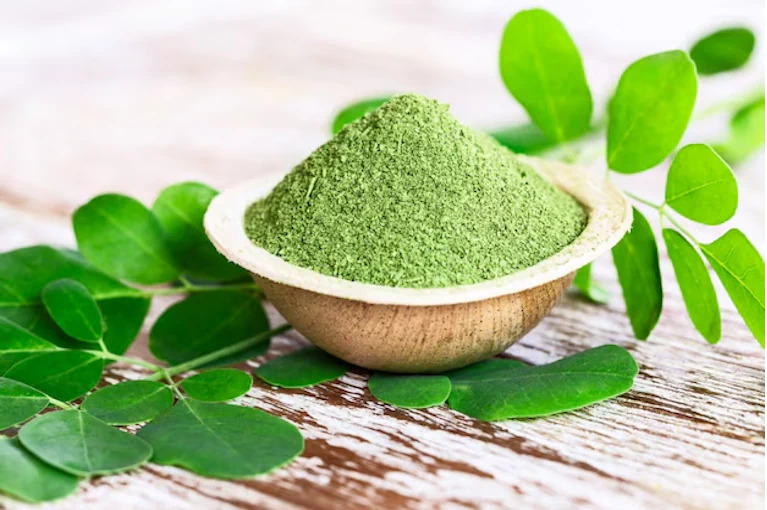
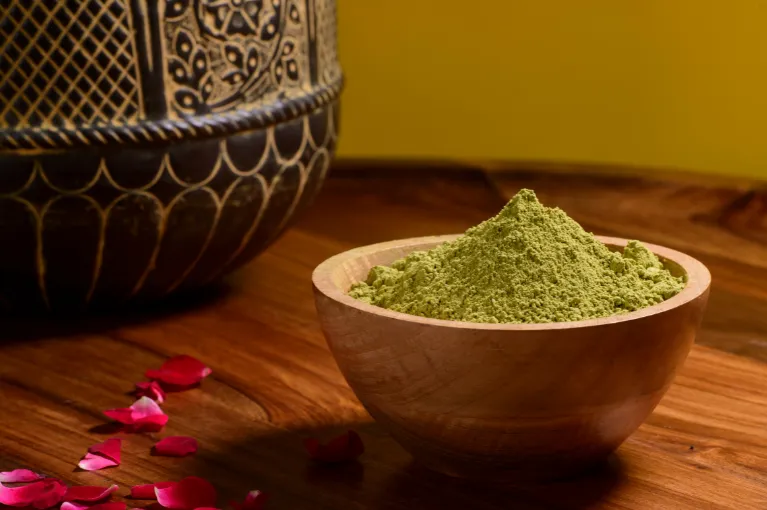
"Moringa Powder" is a rapidly emerging B2B trade commodity, produced by drying and milling the harvested drumstick leaves of the Moringa oleifera tree (often called the "Drumstick Tree" or "Miracle Tree") into a fine, vibrant green meal. The commodity is valued by health and food manufacturers for two key characteristics: 'nutrient density' due to its exceptionally high profile of vitamins, minerals, and amino acids, and 'solubility/versatility', which allows it to be fortified into beverages and capsules. While it is often found in retail as a premium "Superfood," high-grade 'Moringa Leaf Powder' for international Moringa Export is a precision product, selected based on the leaf's chlorophyll retention and colour profile.
For the global nutraceutical industry, this fine powder is a powerhouse ingredient. Apart from adding a grassy and earthy flavour that resembles matcha or spinach, it works as a functional supplement in dietary blends. Pure Moringa Powder is different from generic "Herbal Powders" that may contain stalks or stems because it contains only one ingredient—the nutrient-rich leaflets. The use of this product goes beyond simple nutrition because it is actually used as a natural thickening and colouring agent in smoothies and energy bars, because of the intense chlorophyll concentration, making it a favourite choice in European, North American, and East Asian health markets.
PRODUCT SPECIFICATIONS
Parameter
Standard / Limit
Purity
100% dried leaf of Moringa oleifera
Moisture Content
Max 7% - 8% (Critical for stability)
Total Ash
Max 10% (dry basis)
Acid Insoluble Ash
Max 1.0%
Protein Content
Min 23% (Standard) to >28% (Premium)
Colour
Bright/Vibrant Green (Premium) to Dull Green/Brown (Standard)
Heavy Metals
Lead < 3ppm; Arsenic < 1ppm (Strictly regulated)
Salmonella
Absent in 25g
Mesh Size
80 - 100 Mesh (General) to 120-200 Mesh (Super Fine)
Buyers must specify Colour and Processing Method (Shadow Dried vs. Sun Dried) in the purchase order. Brownish or dull yellow powder often indicates the use of "sun-scorched" leaves or high-temperature grinding (which destroys heat-sensitive nutrients), a common trade issue that significantly lowers value.
TYPES, GRADES & VARIANTS
The product is divided into two categories in the B2B moringa powder market based on the production process and appearance (chlorophyll brightness).
Conventional Grade (Standard): Famous for its dull green to brownish hue and reliable affordability. This type is the most widely used in the production of animal feed additives and generic capsule supplements, where visual appeal is secondary to cost.
Organic Premium (Export Quality): A premium variety with strict organic certification (USDA/EU) and vibrant green colour. Because its bright hue is seen as a sign of high nutrient retention and low heat exposure, this variety is highly sought after by retail smoothie brands and superfood packaging customers in Europe and the United States.
Tea Cut / Coarse Cut: This specific variant is not a fine powder but rather roughly crushed leaves (CS). It is traded separately, frequently for the beverage industry, and is used specifically for steeping in herbal tea blends.
Shadow Dried vs. Mechanical Dried: Though mechanical drying is faster, the "Shadow Dried" variety is a specialty processing method where leaves are dried at low temperatures away from direct sunlight to preserve the vitamin profile, maintaining a rich green colour and commanding a higher price point.
APPLICATIONS & END-USE MAPPING: Moringa Powder
The versatile moringa powder is used across multiple sectors, from industrial food processing to high-end cosmetics.
Food Processing (Industrial)
Bakery & Snacks: This ingredient enhances the nutritional profile of baked goods by giving them protein fortification without altering the texture significantly. This powder is very essential in nutrition bars, grain-free crackers, and "green" pasta or tortillas.
Beverages & Smoothies: In the functional beverage market, this powder is the primary "green" or detox ingredient. This powder helps to add fibre and also acts as a natural colourant to provide the necessary visual pop and health claim to ready-to-drink (RTD) juices and instant smoothie mixes.
Nutraceuticals & Cosmetics
Supplements: Moringa Capsules and Tablets are obtained by compressing the fine powder. Leveraging specific moringa benefits like its complete amino acid profile and high iron content, the powder is highly sought after as a natural multivitamin alternative and an anti-anemia support agent.
Cosmetics: In the beauty and personal care segment, the leaf's antioxidant and purifying properties are highlighted. Powdered extracts are used in face masks for skin clearing (anti-pollution agent) and in hair care formulations for strengthening follicles.
Retail & HORECA
Culinary (Retail): This superfood is marketed as a daily wellness booster and is the "multivitamin" of the pantry. It is used as a sprinkle for salads, soups, and lattes (Moringa Latte). Marketing kits often include "Raw Processing" as a feature that promises to preserve enzymes that are lost in conventional heat drying.
SUPPLY & DEMAND COUNTRIES
Top Producing Countries & Export Hubs
Production Leaders: India is the world leader in moringa cultivation because of its exporters, particularly in Tamil Nadu, Andhra Pradesh, and Karnataka. Other countries that have emerged, though not for export, include Nigeria, Kenya, and the Philippines.
Key Export Hubs: Tamil Nadu's Karur, Erode, and Dindigul are the trading hubs. Price discovery occurs in these areas, which are the primary hubs for cultivation, drying, and pulverising. Tamil Nadu is known as the "Moringa Hub" and controls bulk prices worldwide.
Top Importing Regions
North America: The USA and Canada are massive importers of Organic Indian moringa, primarily for the supplement and smoothie market. They often import "Premium Green" powder for retail packaging.
Europe: Germany, the UK, and the Netherlands are major buyers of the certified organic varieties. The usage here is strictly regulated: for "Superfood" blends and functional teas, with a heavy focus on lab-tested purity.
East Asia: Japan and South Korea drive the demand for high-quality, ultra-fine powder. The focus here is strictly on solubility and colour, often using moringa as a caffeine-free alternative to Matcha in food service and confectionery.
Market Scope: Covers leaf powder, oil (extracted from moringa seeds), and tea cut grades.
KEY DEMAND DRIVERS
Good botanical sources of protein are becoming more well-known as the world quickly shifts to plant-based protein sources. Compared to incomplete plant proteins, moringa has clear advantages because it is a rare complete protein that contains all of the essential amino acids.
People are also becoming more focused on preventative healthcare . This is further putting the spotlight on functional ingredients like moringa—its anti-inflammatory properties and the way it manages blood sugar are definitely needed if an immunity-boosting supplement or diabetic food is to be totally free of synthetics.
There are two flourishing markets competing for the same product. On the one hand, the nutraceutical sector requires the powder for health from within the body, while the cosmetic industry requires the leaf, its extracts, along with the oil, for cosmetic purposes.
MORINGA: PRODUCTION, SUPPLY & MARKET RISKS
Global Production Hub
India is the deciding factor in global moringa pricing, with the southern states serving as the primary production hubs due to the tropical climate required for year-round harvesting.
Supply Chain Dynamics (India)
Harvest Time: The agricultural cycle for moringa is perennial, but yield fluctuates. Specifically, the harvesting peaks twice a year. This crucial period typically spans March to June and September to October.
Peak Market Arrivals: Following the drying process, the supply chain sees a consistent influx of stock. The highest volume of fresh green powder officially enters the trading hubs during the summer months. This peak period of availability helps stabilize prices for the rest of the year.
Market & Quality Risks
Moringa leaves are highly susceptible to oxidation and exposure to light. If the powder is not stored correctly, this impacts the quality and safety of the powder. When it is exposed to ultraviolet, it can degrade easily, causing the loss of chlorophyll in the powder, such that it becomes brown in color.
As a grounded leaf form, moringa powder may be vulnerable to contamination from heavy metals picked up from the soil and from microbial contamination. Some people may be adulterating it by adding stems and other types of green leaves (Senna-type) to increase the amount. In other instances, old and oxidized moringa may be mixed with the current powder.
EXPORT & IMPORT TREND ANALYSIS
Demand for the product is on an upward trend since the Green Superfoods are increasing from health food shops to standard supermarkets.
Although the value trend is rising, it is doing so only slightly, based on increasing certification and shade-drying costs.
Key insight: More buyers are opting to source imported Certified Organic Moringa products as international buyers are becoming wary of conventional shipments.
PRICE & BULK COST INDICATORS
Standard Grades (Conventional / Feed): Generally range between $3.50 to $6.00 per kilogram. This is the high-volume lane for animal feed and low-cost capsule manufacturers.
Premium & Organic Grades: Specialty varieties with vibrant green colour and organic certification bulk moringa powder trade at a premium, ranging from $8.00 - $15.00 per kilogram (prices vary heavily based on order volume and certification).
Water-Soluble / Super Fine: Micro-pulverized batches (200 mesh) command a 20% - 30% markup over base rates due to the processing energy costs and yield loss.
Market Volatility: Note: Figures are indicative for Q4 2024. The final moringa powder price is highly sensitive to the Indian monsoon season and demand from the extract industry.
HSN / HS CODE & TAX CLASSIFICATION
HS Code (Global): 0712.90.90 (Dried vegetables, other) or 1211.90 (Plants used primarily in pharmacy/perfumery).
Indian HSN Code:
0712 90 90: Dried vegetables; whole, cut, sliced, broken or in powder, but not further prepared.
1211 90 29: Other medicinal plants (often used for leaves).
Taxation: Subject to GST (in India, usually 5%) and Import Duties. Important for Landed Cost (CIF) calculations.
BUYER EXPECTATIONS & TRADE REQUIREMENTS
Colour is the most important quality indicator. The buyer will not accept powder with a brown, yellow, or "hay-like" appearance, which is an indication that the leaves were sun-scorched or old (Chlorophyll degradation).
Microbial standards are non-negotiable for US and EU trade. There should be no E. coli or Salmonella, and the Yeast & Mold count is generally restricted to strict limits due to the raw nature of the product.
Heavy Metals are strictly regulated. There are strict specifications against Lead, Cadmium, and Mercury (to avoid toxicity, which is a risk if trees are grown near industrial zones).
Who usually sells Moringa Leaf Powder on Tradologie
Bulk export-oriented vendors
These are traders who think in container loads, not small cartons. They know about fumigation, stuffing plans, paperwork, and shipping schedules. In short, they understand how international cargo actually moves.
Herbal powder processors
These are the units doing the basic but important work — drying, grinding, sieving, packing. They focus more on consistency than branding. The idea is simple: the powder should behave the same way every batch, especially for bulk buyers.
Nutraceutical raw material suppliers
Suppliers who already deal with capsule makers and supplement brands. So they're used to specs, lab reports, batch numbers, and all the usual back-and-forth that comes with bulk procurement. Less explaining, more execution.
Organic product manufacturers
Some Moringa powder suppliers come from the organic side of the business. Certified farms, controlled processing, cleaner documentation. For buyers targeting export or health-focused markets, this just makes life easier.
Why buyers prefer sourcing through Tradologie
Verified supplier base You're not cold-calling strangers. Most Moringa powder sellers here are already active in trade. It saves time and avoids the usual “is this supplier genuine?” doubt that slows down early conversations.
Clear pricing from multiple sellers Instead of chasing ten people separately, you see offers together in a live negotiation panel. Gives you a realistic sense of the market. Makes negotiation calmer, not guesswork.
Easy comparison of specs and quantities Prices alone don't help much. Being able to check mesh size, moisture, certifications, and volumes and seller profile side by side helps buyers decide properly — not just cheaply.
Quality conversations happen upfront Things like lab reports, testing, and compliance are discussed early. Which honestly avoids most problems later. Fewer surprises at destination.
Logistics familiarity Many suppliers here are already shipping across India or overseas. Packing, transport, export docs — it's routine for them. Not something they're trying for the first time on your order.
Direct dealing No unnecessary layers in between. You negotiate with the seller, agree on terms, and move forward. It keeps things simple, which is usually how bulk trade works best.
LOGISTICS, PACKAGING & TRADE TERMS
Packaging requirements
Powdered moringa is photosensitive and hygroscopic. We recommend packing large shipments (20-25 kg) in double-layered poly bags inside corrugated drums or cartons to preserve nutrients and colour. Retailers must use opaque, light-blocking packaging to prevent oxidation and the loss of the distinctively vivid green colour.
Storage and shelf life
Store your inventory in cool, dark storage facilities with low relative humidity. Under optimal storage conditions (vacuum sealed or nitrogen flushed), if you buy moringa powder in bulk, it can be stored for approximately 18 to 24 months without significant nutrient degradation.
Incoterms
FOB is the standard term for established trade relationships, while CIF is preferred by new trade partners to manage the logistics of sensitive food cargo.
REGULATORY COMPLIANCE & CERTIFICATIONS
Mandatory Compliance (Indian Market):
FSSAI (Food Safety and Standards Authority of India)
APEDA (Agricultural and Processed Food Products Export Development Authority)
Phytosanitary Certificate
Specific Requirements for EU Market Access:
Strict adherence to PAH (Polycyclic Aromatic Hydrocarbons) limits, which can occur during improper drying.
"Novel Food" regulation checks may apply depending on the specific extraction method used.
Certifications for Premium/Specific Markets:
USDA Organic / EU Organic is the single biggest value-add for this commodity.
Kosher & Halal certification is often a mandatory requirement for supplement manufacturers globally.
FUTURE OUTLOOK & OPPORTUNITIES
Protein Isolates: The industry is moving toward "Moringa Protein Isolate." While the powder has ~25% protein, concentrating this to > 50% creates a competitor to pea and soy protein, opening up the sports nutrition market.
Cold Sterilization: Manufacturers are adopting steam or irradiation sterilization techniques that kill pathogens without browning the leaf, solving the "Safety vs. Quality" trade-off.
Traceability: The use of QR codes to establish "Farm-to-Pack" transparency is being increasingly utilized as a competitive advantage to prove that leaves are free from heavy metals and grown in clean soil zones.
TRANSPARENCY & DISCLAIMER
A brief word of warning: market information, price markers, and trading parameters are subject to change based on harvest patterns, certification costs, and exchange rate fluctuations. The nitty-gritty specifics in this regard are of a general nature; the interested buyer is advised to check the particulars (Microbial Count, Heavy Metals, Protein %) with the seller through a Certificate of Analysis (CoA) prior to acquisition. No specific trading result is implied.
It is a drought-resistant tree native to the Indian subcontinent, valued globally for its nutrient-rich leaves and seeds.
The most common Indian export code is 0712 90 90, though some exporters use 1211 depending on end-use (food vs. medicine).
Bright green powder comes from leaves that are shadow-dried at controlled temperatures. Brownish powder usually comes from leaves that were sun-dried (oxidized) or exposed to high heat during grinding.
Moringa Powder is naturally caffeine-free. It provides energy through B-vitamins and amino acids, not stimulants, making it a popular alternative to coffee.
Matcha is made from tea leaves (Camellia sinensis) and contains caffeine; Moringa is a herbal leaf. While they look similar, Moringa has a more earthy, radish-like taste compared to Matcha's umami profile.
Quality is defined by Colour (Vibrant Green), Mesh Size (Fine/Soluble), and Heavy Metal Analysis (Lead/Mercury limits).
Need more help?
Connect with Us
Connect with Us
We use cookies
We use cookies to enhance site functionality, improve user experience, analyze website performance, and deliver relevant content in accordance with our Cookie Policy.
We use cookies
Essential Cookies
Essential cookies are strictly necessary for Tradologie.com to operate properly. They enable core functionalities such as security, session management, network stability, and cookie consent preferences. These cookies do not collect personal data and cannot be disabled.
Name
Vendor / Service
Purpose
Expiry
Privacy Policy
ASP.NET_SessionId
Tradologie.com / ASP.NET
Maintains secure user session across pages.
Session
https://privacy.microsoft.com/
__RequestVerificationToken
Tradologie.com
CSRF protection for forms.
Session
https://www.tradologie.com/privacy-policy/
cookie_consent
Tradologie.com
Stores consent preferences so the banner does not reappear.
We use analytics cookies to gather anonymous, aggregated information about how visitors interact with Tradologie.com. This helps us improve the site, measure the success of content and services, and prioritize performance fixes.
Functional cookies allow the website to provide enhanced usability and personalization. They store preferences such as language, region, chat settings, and login details for a smoother browsing experience. Disabling these cookies may limit certain features.
Name
Vendor / Service
Purpose
Expiry
Privacy Policy
user_lang / lang
Tradologie.com
Remembers chosen language.
1 year
https://www.tradologie.com/privacy-policy/
timezone_pref
Tradologie.com
Stores timezone preference for display.
6 months
https://www.tradologie.com/privacy-policy/
remember_user
Tradologie.com
Keeps logged-in state when chosen.
30 days
https://www.tradologie.com/privacy-policy/
livechat_session
Tawk.to
Maintains chat session state.
Session
https://www.tawk.to/privacy-policy/
Marketing
Marketing cookies are used to deliver advertising that is relevant to you and to measure the effectiveness of our marketing campaigns across platforms such as Google, LinkedIn, Meta and Microsoft. These cookies are set only with your consent.