Fennel Seeds: A Guide to Varieties, Grades, and Global Trade
Through this guide, we provide a precise, trade-oriented overview of how this agricultural product is processed, graded, quality-validated, certified, priced, and moved through global supply chains to meet the technical expectations of bulk buyers.
Technical Overview for Trade and Bulk Procurement
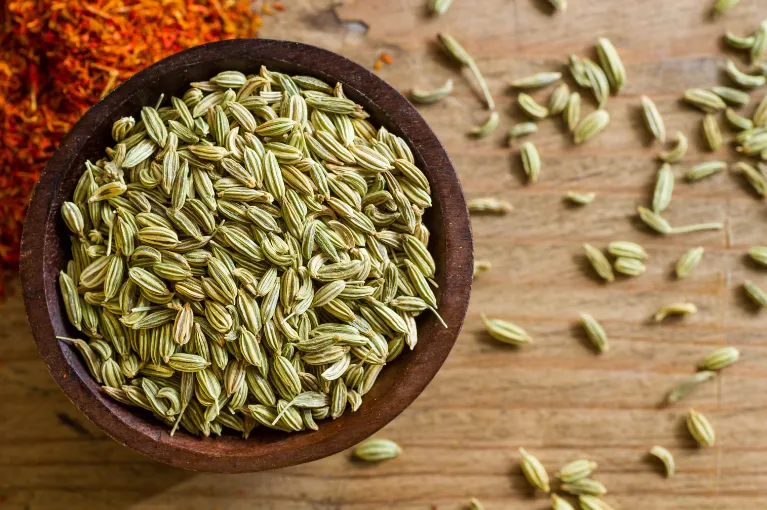
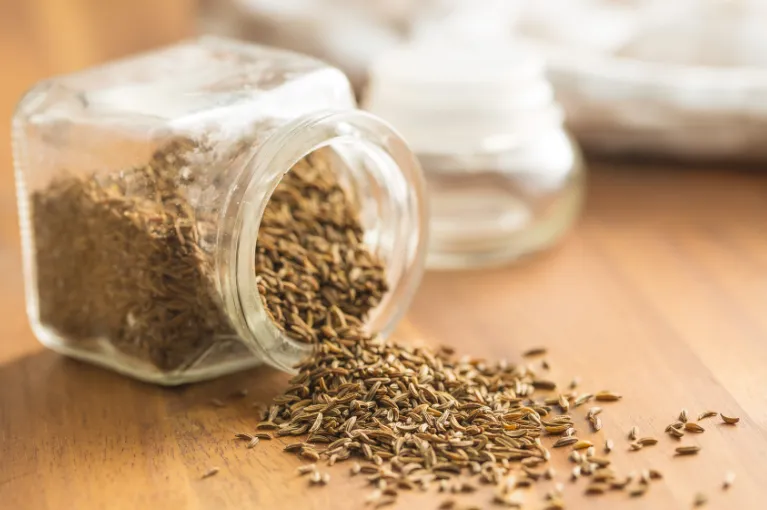
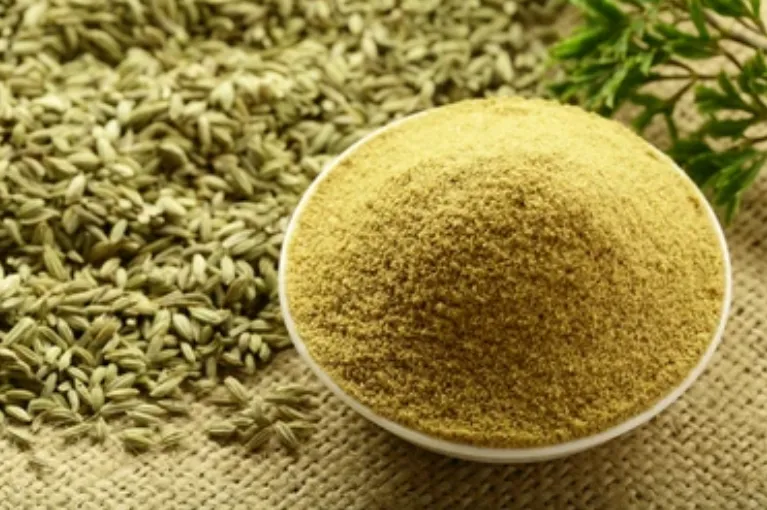
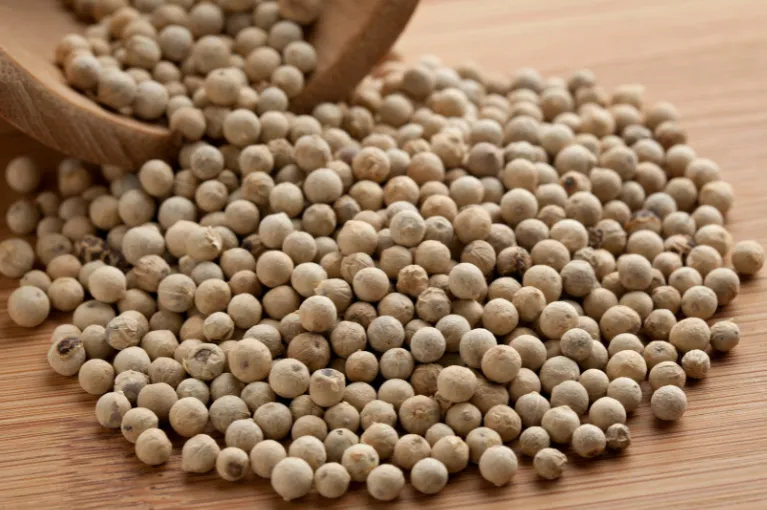
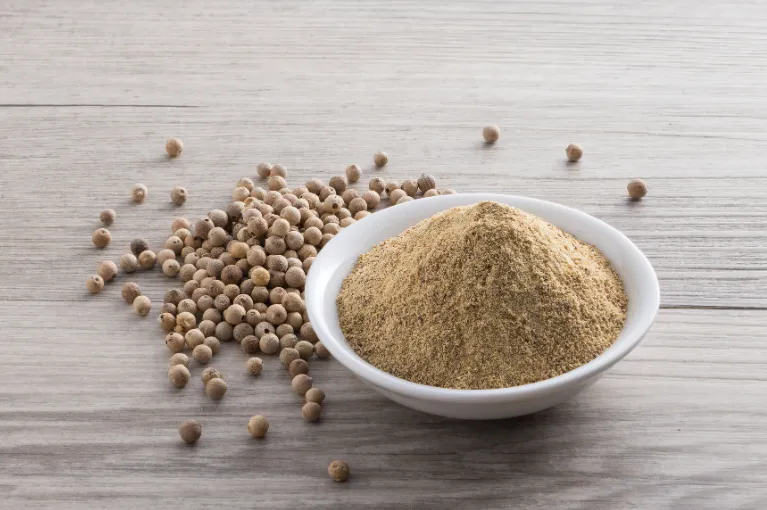
Known scientifically as Foeniculum vulgare, "fennel seeds" are commonly referred to in the trade as saunf or sweet fennel. Commercially, it is a cornerstone of the global ethnic spice, essential oil, and medicinal trade. The dried seeds are small, oblong, and fluted. They possess a pale greenish to yellowish-brown color depending on the raw material's origin, harvest time, and post-harvest drying method. Due to the high levels of naturally occurring volatile oils (primarily anethole and fenchone) retained during the preceding drying process, it has a highly aromatic, sweet, and anise-like flavor profile. This product is the industry standard for natural flavoring in baked goods, meat processing, liqueurs, and breath fresheners in India, the EU, North America, and a large portion of the Middle East due to its versatile, dual-purpose (culinary and medicinal) attributes.
The biochemical integrity and physical consistency of Fennel Seeds are critical for industrial spice blenders and essential oil extractors who buy in bulk. The raw dried seeds are cleaned, sorted, and graded through specialized destoning and color-sorting machines, causing them to be separated into uniform batches. Its retained volatile oil content and aromatic sweetness make it the preferred raw material for dry spice compounding, where the "licorice" note must distribute evenly—a distinct advantage over synthetic flavorings.
While commonly found in retail as standard whole fennel seeds, high-grade material is engineered for specific "Volatile Oil Content" and physical formats (defined by Color and Size). The process involves drying the harvested umbels under temperature-controlled or shaded conditions to prevent the natural essential oils from dissipating and the green fennel seeds from fading due to harsh sun exposure.
Due to its high essential oil surface area, it works differently depending on whether it is traded whole, cracked, or ground. It can be added directly to instant marinade mixes, industrial sausage formulations, or tea blends. Manufacturers who opt to purchase fennel seeds in bulk guarantee superior flavour efficiency and consistency, despite the fact that the natural volatile oils are prone to rapid evaporation once ground. This necessitates superior barrier packaging to preserve the aroma.
PRODUCT SPECIFICATIONS
Parameter
Standard / Limit
Volatile Oil (VO)
Min 1.5% - 2.5% (Origin & Grade Dependent)
Moisture Content
Max 9% - 10%
Total Ash
Max 8.0% - 9.0%
Acid Insoluble Ash
Max 1.0% - 1.5%
Purity / Extraneous Matter
99% to 99.5% (Machine Cleaned / Sortex)
Pesticide Residue (MRL)
Strictly Controlled (Crucial for EU/US compliance)
Color
Bright Green to Pale Yellowish-Green
Microbiology (Salmonella)
Absent in 25g (Crucial for EU/US)
Foreign Matter
Max 0.5% - 1.0%
Mold / Aflatoxin
Strictly Controlled (B1, B2, G1, G2 limits apply)
Critical Note: "Color," "Pesticide MRLs," and "Volatile Oil Content" are the major specifications for Fennel Seeds. Premium buyers require "High Anethole Content," where the product offers a clean, sweet aroma and a sharp licorice kick. A laboratory check for "Pesticide Residues" (testing for chemicals used during cultivation to ensure they are below European Union limits) is mandatory to ensure the product remains sound and fit for high-value export.
TYPES, GRADES & VARIANTS
In the highly competitive landscape of the Fennel Seeds B2B marketplace, segmentation is rigorous. It is strictly driven by the raw material quality, color, and processing method:
Premium Extra Green (Singapore Quality): This globally traded grade is thought to be the best in the industry for aesthetic appeal. The majority of its supply comes from Gujarat and Rajasthan, where top suppliers maintain stringent color-sorting guidelines. It has a strikingly sweet, aromatic kick and a vivid green colour. This variety is often considered the premium standard for direct consumption (such as mouth fresheners) and high-end retail by bulk fennel seeds suppliers due to its vivid colour and clean profile.
Standard Commercial (Europe Quality): A staple of the global bulk spice market, this is the standard for heavy spice blends and extraction. It is generally slightly bolder, less aggressively green (often yellowish-brown), and yields a high volatile oil percentage. It is harvested from mixed mature crops, offering high value for general commercial applications but a lower fennel seeds price point due to a less refined color profile.
Steam Sterilized Fennel Seeds: This is the safest variety and dominates the high-end export market to the USA and the EU. In order to eliminate microbial loads (such as Salmonella and E. coli), the whole seeds are subjected to high-pressure steam treatment before packing or milling.
FENNEL SEEDS: APPLICATIONS & END-USE
Food Processing (Industrial)
Industrial Baking & Meat Processing: In industrial savory products, it serves as a primary source of that recognizable "sweet-anise" bite. It is found in everything from rye breads to Italian sausages and pepperoni. Its inclusion provides aromatic depth. Not only that, but it provides a sweet counterpoint without the need for added sugar. When used in industrial settings, these spices serve as an essential "flavour anchor." Premium grades are frequently selected for specific tasks. It is used when a clean "snap" is required. This clarity allows the flavor to cut effectively through heavy fats in meat processing.
Spice Blends & Masalas: This spice is essential for the savory sector. It is a standard ingredient found in Panch Phoron and Chinese Five Spice. You will also see it in commercial curry blends and seafood rubs. The robust structure of the seed allows for long simmering times. This uniformity ensures that it releases its volatile oils slowly during commercial cooking. Consequently, it delivers a consistent sweet-licorice flavor profile in every batch.
Non-Food Industrial
Nutraceuticals and Supplements: This specific market is driven by purity, creating a demand for pure fennel extract and whole seeds. Therefore, supplement manufacturers prioritize natural volatile oil percentages and strict heavy metal limits. They specifically seek out certified organic fennel seeds or pesticide-free (IPM) grades. The seeds undergo rigorous testing before extraction. This process is used to create digestive aids, gripe water for infants, and natural herbal teas. These formulations are naturally rich in antispasmodic and carminative properties. A dedicated bulk supplier will typically require low-moisture grades for this specific purpose. The resulting extracts are utilized in wellness manufacturing. Additionally, it is a crucial component of modern Ayurvedic and naturopathic medicines.
Essential Oils, Cosmetics & Beverages: Commercial high-oil seeds serve as a foundation for the extraction sector. Usually, this cut comes from bold, mature seed grades. Anethole is extracted through distillation and added to mouthwashes, toothpastes, and cosmetics. Its flavour is sharply sweet and refreshing. As a result, it serves as a useful botanical foundation for alcoholic drinks (such as Pastis, Sambuca, and Absinthe).
SUPPLY & DEMAND COUNTRIES
Top Producing Countries & Export Hubs
Production Leaders: Indian fennel exporters currently stand as the absolute dominant force in the sector by volume, accounting for an estimated 60% to 70% of global production. The fennel seeds export from India has surged for high-quality, sortex-cleaned seeds, capitalizing on the country's massive rabi (winter) crop cultivation. Other notable producers include Egypt and Turkey.
Important Export Hubs: The Gujarat (specifically the Unjha market, Asia's largest spice mandi) and Rajasthan consolidation zones serve as historical centers of concentration where fennel seed suppliers mill and sort this specific product. Two important international ports for containerized shipments are Mundra Port and Kandla Port.
Top Importing Regions
North America: The USA represents a key market for "Sterilized" and "Organic" grades. The demand here is massive and year-round, specifically for the ethnic food manufacturing, meat processing (sausages), and herbal tea sectors.
Europe: The EU is a strict regulatory market regarding Pesticide MRLs (Maximum Residue Limits) and microbial levels. The demand focuses on clean, IPM (Integrated Pest Management) or organic material for direct food applications and premium retail packaging, highly driven by Germany's herbal tea market and Italy's meat sector.
Middle East: With numerous spice processors in Saudi Arabia and the UAE packaging material for traditional use, this region serves as a major importer of bright green, commercial-grade seeds. The demand here is for high-visual-appeal seeds for traditional culinary and post-meal digestive applications.
GLOBAL MARKET OVERVIEW
Current Market Value: The fennel seed market is still thriving worldwide and is a part of the larger spice and seasonings sector, which is expected to grow to USD 30.98 billion by 2026. It is primarily driven by two industries: natural health supplements and convenience foods. At the moment, fennel is an increasingly popular natural functional flavor for manufacturers looking for digestive benefits. On the other hand, demand is changing in the health sector. In this market, pesticide-free (IPM) and steam-sterilized organic seeds are becoming more popular. Manufacturers of Ayurvedic supplements and herbal teas are especially affected by this. They are choosing more and more to purchase seeds that have been thoroughly checked for agro-chemicals. Whole seeds are more heavily scrutinized for pesticide residues than traditional local market supplies. Additionally, the broader picture is positive for the future.
Future Outlook: The market is expected to demonstrate steady, consistent growth. Several trends will drive this upward trajectory. First, organic fennel seeds exporters are noticing an increasing consumer demand for natural, gut-health-promoting ingredients in mainstream foods. Second, the market for functional herbal beverages is expanding globally. This is largely because fennel is easily infused as a natural botanical.
Trends: The market is moving from general "FAQ" (Fair Average Quality) trading to specific parameter-based purchasing (e.g., "Guaranteed Pesticide-Free Limits"). Procurement managers looking to buy fennel seeds are increasingly sourcing these fennel seeds online via B2B platforms, though the market is moving heavily towards "Sortex Cleaned" and "Steam Sterilized" processing techniques.
KEY DEMAND DRIVERS
The "Convenience Food" & Meat Economy: Global culinary trends depend significantly on dry natural flavorings. In fact, it serves as a dominant sweet-savory flavor in sausages, dry soup mixes, and bakery seasonings. As a result, import volumes frequently spike, consistent with consumer packaged goods production cycles. This surge occurs specifically to meet the industrial demand for uniform flavor distribution.
Nutraceutical Health Management: Fennel is marketed within traditional medicine and dietary supplements. It is promoted specifically for aiding digestion, reducing bloating, and supporting lactation. This wellness trend actively propels the demand for specific types of pure seeds. Manufacturers require clean products that have been strictly tested for heavy metals and pesticides.
Beverage and Liqueur Distillation: Fennel possesses high anethole properties, and because of this, it is heavily utilized in global distilleries. It is increasingly utilized as a natural botanical flavoring. You will find it applied in clean-label commercial teas and traditional European spirits to deliver a sweet licorice profile.
PRODUCTION & SUPPLY DYNAMICS
The global Fennel Seed market is characterized by year-round trading, heavily dependent on the prior season's winter (Rabi) harvest.
Supply-Side Realities:
India (The Volume Leader): Fennel manufacturers and traders in India control the majority of the high-end, sortex-cleaned, and sterilized market.
Seasonality: While processing happens year-round, raw material harvesting peaks strictly between February and April. The harvested crops are dried in yards. The freshest seeds with the most vibrant green color and highest volatile oils hit the market shortly after this drying phase.
Processing Note: Unlike trading rough field crops, export-grade Fennel Seeds require specialized infrastructure to "Deston," "Sortex (Color Sort)," and "Grade." The drying process dictates the color; if exposed to direct, harsh sunlight, the seeds bleach and turn yellow, lowering their visual grade. This industrial processing cost is a component of the final FOB price.
Risks:
Pesticide Residue Failures: A major trade risk involves crops treated with unapproved agro-chemicals failing strict EU or US border checks. Buyers must utilize lab testing to verify MRL compliance.
Moisture & Fungal Growth: The seeds are susceptible to mold if not dried properly. They develop high Aflatoxin levels if packed with more than 10% moisture. They are useless for industrial extraction or food use if contaminated with mycotoxins.
EXPORT & IMPORT TREND ANALYSIS
Volume Trend: Growing. Demand is rising due to the popularity of herbal wellness teas globally and the expansion of natural botanical flavorings.
Value Trend: Moderately Volatile. Prices fluctuate directly based on the rabi crop sowing data in India, which is highly sensitive to winter weather, unseasonal rains during harvest, and aphid pest conditions. Finished seed prices can swing typically by 20-30% in a season based on harvest yields and weather damage.
Key Insight: When making a fennel seeds bulk purchase, buyers are increasingly specifying "Pesticide MRLs" alongside color grades. IPM (Integrated Pest Management) and steam-sterilized seeds command a premium over standard bulk bags because they reduce food safety and customs rejection risks for the end-user, especially since raw seeds are traditionally field-grown.
PRICE & BULK COST INDICATORS
Standard Commercial Seeds (Europe Quality): Prices generally range from $1,200 to $1,800 per metric ton. This range sets the entry-level fennel seeds wholesale price. It is the standard cost for heavy spice blends and commercial extraction purposes. Buyers must analyze the wholesale price carefully. To determine where to buy fennel wholesale, they should look at three specific metrics. First, check the fennel seeds export price, which is the FOB price. Second, review the import price per kg, also known as the landed cost. Finally, consider the price per ton for container-load volumes.
Premium Extra Green / Steam-Sterilized / Organic: This variety typically costs between $2,200 and $3,500+ per MT. The export price is significantly higher for this grade. This increase is due to the intense capital requirement for sortex machines, sterilization equipment, and strict organic farming practices. Facilities must treat the seeds carefully. They must also test them rigorously for zero Salmonella and low pesticide counts.
Market Volatility: Volatility is directly linked to the winter crop harvest in Gujarat and Rajasthan, India. It is also tied closely to freight costs and Currency Exchange Rates. Large trading houses can hold raw seeds in climate-controlled warehouses, which creates an artificial floor for the market. Therefore, buyers must track crop sowing reports prior to the Indian harvest season (February/March). This monitoring is crucial for accurately calculating the final landed import price.
HSN / HS CODE & TAX CLASSIFICATION
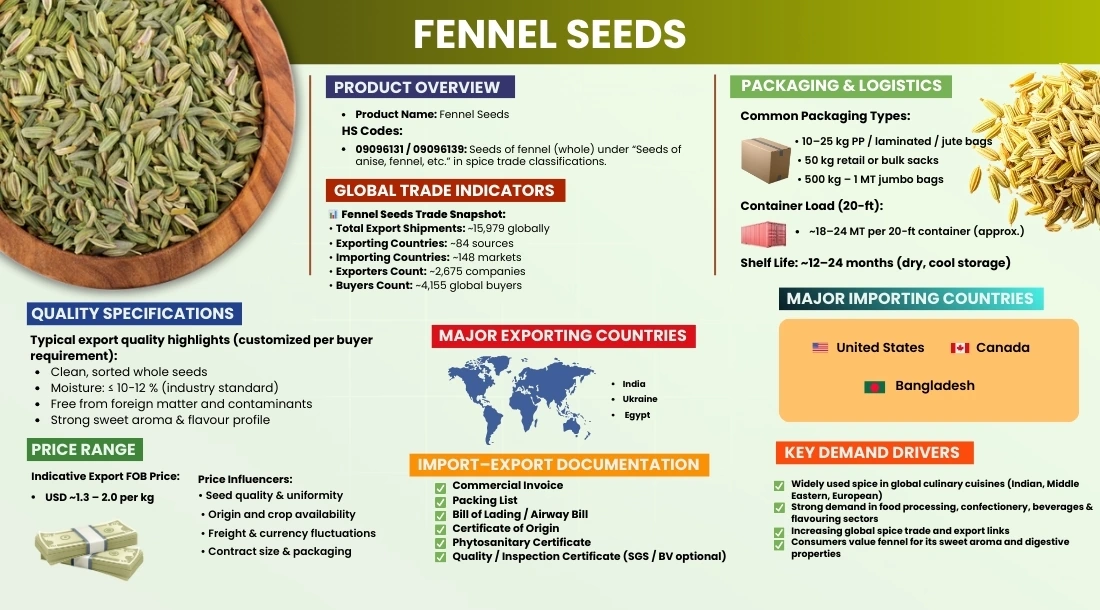
HS Code (Global): 0909.61 (Seeds of anise, badian, fennel, coriander, cumin or caraway; neither crushed nor ground) - proper fennel HS code classification is crucial.
Indian HSN Code: 0909 61 39 (Other Fennel Seeds) or 0909 61 31 (Fennel Seeds - Saunf)
Note: Fennel seeds HS code differentiation relies heavily on whether the product is whole or crushed/ground (which shifts to 0909.62). Customs will strictly scrutinize the product for proper phytosanitary compliance.
BUYER EXPECTATIONS & TRADE REQUIREMENTS
Color & Purity (Consistency): This is the most important requirement for packagers in the retail industry. Customers anticipate a very particular physical outcome. This usually translates to 99.5% purity and a consistent green hue. Keeping this visual coherence is a significant value driver for big purchases.
Microbial Safety: There must be no trace of pathogens such as Salmonella and E. Coli. Steam sterilisation is becoming the standard in the industry to ensure this. This additional degree of security is becoming more and more expected, especially in Western markets.
Chemical Purity: Checks for pesticides' Maximum Residue Levels (MRLs) are rigorously implemented. In this regard, shipments headed for the European Union are subject to extra scrutiny.
Volatile Oil (Potency): A minimum natural oil threshold must be met by the seeds. Typically, this baseline ranges from 1.5% to 2.5%. Reaching this threshold guarantees that the seeds provide the necessary aromatic strength. As a result, consumers are not dependent on artificial additives.
LOGISTICS, PACKAGING & TRADE TERMS: Fennel Seeds
Packaging: Standard-grade goods come in a variety of packaging choices. These consist of PP (polypropylene) bags, new jute bags, and multi-wall paper bags weighing 25–50 kg. A thick, heat-sealed plastic inner liner is a feature of these bags. Significant moisture and fragrance loss is avoided with this particular liner.
come in vacuum-sealed bags inside corrugated cartons. While the goods are in transit, this technique prevents both compression and moisture intrusion.
Storage & Shelf Life: The product needs to be kept in a dark, dry, and cool place. It also needs conditions that are extremely dehumidified. The seeds retain their vibrant colour and essential oils when stored properly. The product has a consistent shelf life of 12 to 24 months under these perfect circumstances.
Incoterms & MOQ: FOB or CIF trade terms are used in the majority of international transactions. In order to negotiate direct export rates, buyers typically need to meet a wholesale Minimum Order Quantity (MOQ). Usually, this MOQ requires a full container load. Thirteen to fourteen metric tonnes can be transported in a 20-foot FCL. As an alternative, up to 26 tonnes can fit in a 40-foot HQ container.
Required Documentation: International trade requires specific documentation. Customs requires the submission of a Certificate of Analysis. This document confirms microbiology, moisture content, and volatile oil. Along with a phytosanitary certificate, shipments also need a fumigation certificate. Lastly, the goods must be accompanied by a standard Certificate of Origin.
FUTURE OUTLOOK & OPPORTUNITIES
Pesticide-Free (IPM) Cultivation: Transparent supply chains are becoming more and more sought after by buyers. They wish to confirm if Integrated Pest Management (IPM) was used in the cultivation of the seeds. Chemical pesticides are not as necessary with this farming method. Additionally, it greatly lessens dependency on artificial fertilisers.
High-Oil Extraction Grades: Distillers of essential oils are constantly searching for higher yields. High-potency seeds might prove to be much more lucrative for them. These particular grades provide a standardised and assured anethole percentage. On the other hand, because the quality of standard bulk products depends on the raw crop, they are more risky.
Clean-Label Flavoring: The beverage and food manufacturing sector in the West is changing as a result of intensive research and development. Fennel is being marketed as a high-end clean-label ingredient in this industry. It functions as a natural, standardised botanical alternative. Manufacturers can effectively abandon artificial flavourings as a result.
TRANSPARENCY & DISCLAIMER
Disclaimer: Market data, price indications, and trade regulations may change because of harvest conditions, geopolitical policies, and currency fluctuations. The technical details are for general guidance only; buyers must verify the details (Volatile Oil %, Moisture, Purity, Microbiology, Pesticide MRLs) with suppliers through a Certificate of Analysis (CoA) before making a purchase. No specific trade result can be guaranteed.
Singapore Quality refers to premium, highly color-sorted seeds that boast a bright green color, ideal for direct consumption and visual retail appeal. Europe Quality refers to standard commercial seeds that may be bolder and slightly yellowish-brown; they are prized for their high volatile oil content and are primarily used in extraction and heavy spice blends where visual color is less important.
Volatile oil content (primarily anethole) determines how aromatic and flavorful the seed is. A higher oil percentage (e.g., 2.0%+) means the seed is more potent. Consistent oil content is critical for industrial meat makers, distillers, and extractors to ensure the flavor profile remains uniform across large manufacturing batches.
Because fennel is susceptible to aphids and pests during cultivation, farmers often use agro-chemicals. MRLs (Maximum Residue Limits) are strict legal limits set by regions like the EU on how much pesticide residue can remain on the crop. Shipments exceeding these limits face immediate rejection at the border, making pesticide testing a massive priority for bulk buyers.
Because fennel seeds are traditionally harvested and dried in open agricultural yards, they naturally carry high bacterial loads from birds, dust, and soil. Steam sterilization uses specialized, high-pressure equipment to kill pathogens like Salmonella without using harsh chemicals. This extra processing step adds significant cost but is mandatory for EU/US food safety compliance.
While the physical seeds remain intact, the volatile oils will slowly evaporate, and the bright green color is highly photosensitive. If exposed to light and air, the seeds will bleach to a pale yellow and lose their aromatic punch. Superior barrier packaging and cool, dark storage are required to maintain industrial viability.
We use cookies to enhance site functionality, improve user experience, analyze website performance, and deliver relevant content in accordance with our Cookie Policy.
We use cookies
Essential Cookies
Essential cookies are strictly necessary for Tradologie.com to operate properly. They enable core functionalities such as security, session management, network stability, and cookie consent preferences. These cookies do not collect personal data and cannot be disabled.
Name
Vendor / Service
Purpose
Expiry
Privacy Policy
ASP.NET_SessionId
Tradologie.com / ASP.NET
Maintains secure user session across pages.
Session
https://privacy.microsoft.com/
__RequestVerificationToken
Tradologie.com
CSRF protection for forms.
Session
https://www.tradologie.com/privacy-policy/
cookie_consent
Tradologie.com
Stores consent preferences so the banner does not reappear.
We use analytics cookies to gather anonymous, aggregated information about how visitors interact with Tradologie.com. This helps us improve the site, measure the success of content and services, and prioritize performance fixes.
Functional cookies allow the website to provide enhanced usability and personalization. They store preferences such as language, region, chat settings, and login details for a smoother browsing experience. Disabling these cookies may limit certain features.
Name
Vendor / Service
Purpose
Expiry
Privacy Policy
user_lang / lang
Tradologie.com
Remembers chosen language.
1 year
https://www.tradologie.com/privacy-policy/
timezone_pref
Tradologie.com
Stores timezone preference for display.
6 months
https://www.tradologie.com/privacy-policy/
remember_user
Tradologie.com
Keeps logged-in state when chosen.
30 days
https://www.tradologie.com/privacy-policy/
livechat_session
Tawk.to
Maintains chat session state.
Session
https://www.tawk.to/privacy-policy/
Marketing
Marketing cookies are used to deliver advertising that is relevant to you and to measure the effectiveness of our marketing campaigns across platforms such as Google, LinkedIn, Meta and Microsoft. These cookies are set only with your consent.