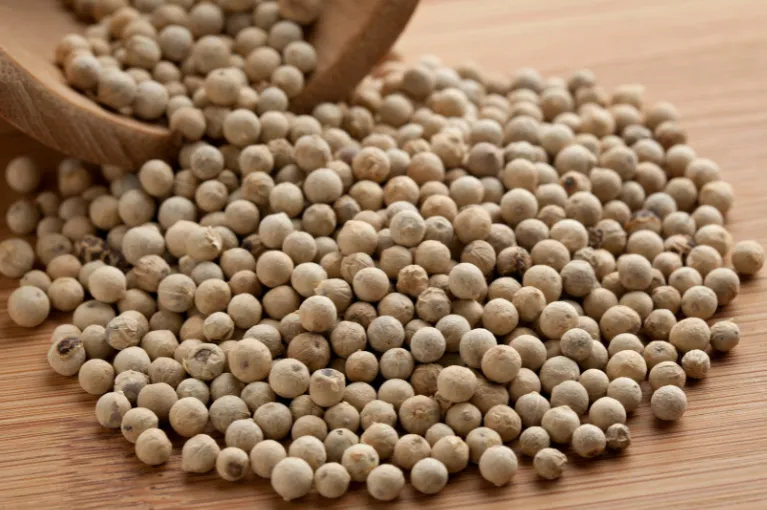
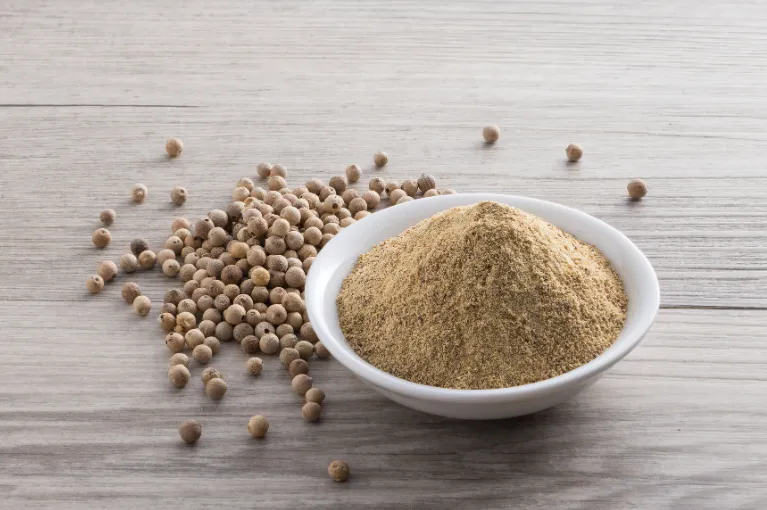
Dried Ginger: A Guide to Varieties, Grades, and Global Trade
Through this guide, we provide a precise, trade-oriented overview of how this agricultural product is processed, graded, quality-validated, certified, priced, and moved through global supply chains to meet the technical expectations of bulk buyers.
Technical Overview for Trade and Bulk Procurement
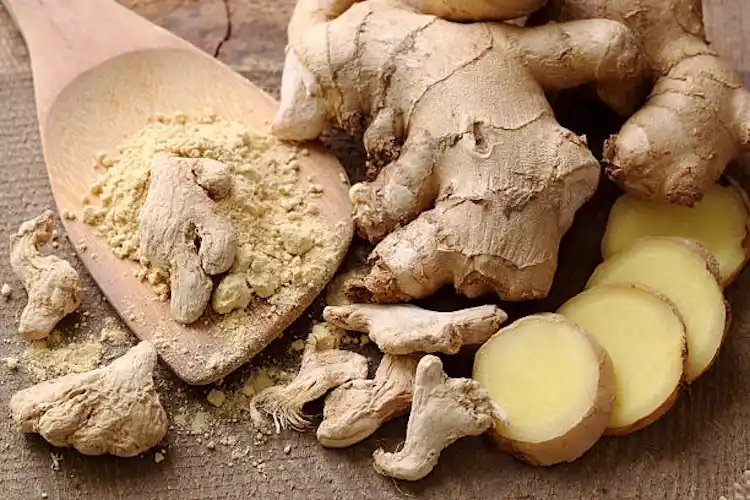
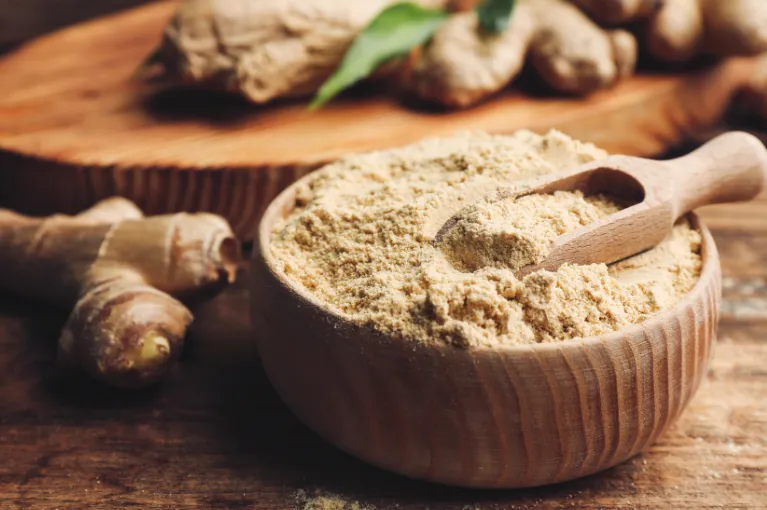
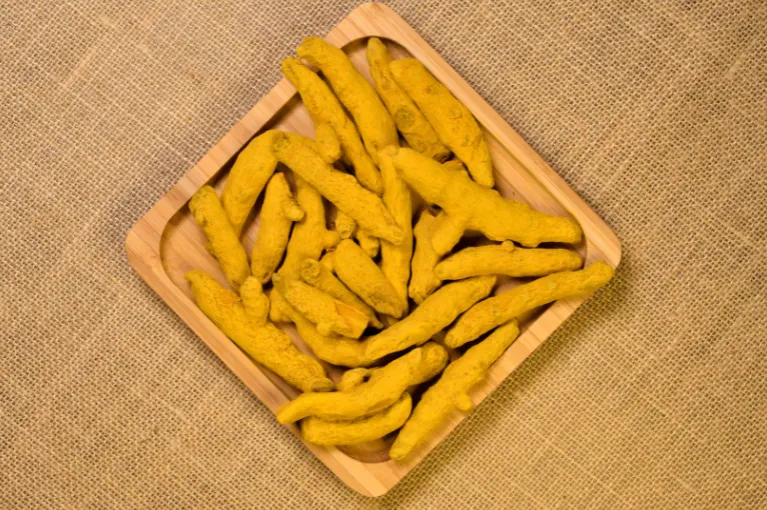
Known scientifically as Zingiber officinale, "Dried Ginger" is commonly referred to in the trade as dry ginger, Sonth (in South Asia), or simply Whole Dried Ginger. Commercially, it is a cornerstone of the global spice trade. The dried ginger root is particularly fibrous and dense. It has a pale yellow to light brown colour depending on the processing method (bleached vs. unbleached). Due to the high levels of gingerols converting into shogaols during the drying process, it has a highly pungent, hot, and biting flavour profile. This product is the industry standard for "Ginger" heat in the USA, Europe, and a large portion of the Middle East due to its concentrated attributes.
The biochemical integrity of Dried Ginger is critical for oleoresin extractors and industrial flavor houses who buy in bulk. The rhizome is harvested, washed, scraped (peeled), and sun-dried, causing it to shrink and harden into a "bone-dry" state (unlike the fleshy nature of Fresh Ginger). Its high volatile oil content and aggressive pungency make it the preferred raw material for ginger oleoresin extract manufacturers and essential oil distillation, where the "heat" must survive industrial compounding.
While commonly found in retail as "Whole Dried Ginger," high-grade material is engineered for specific "Volatile Oil (VO) Yields" and physical formats (Whole, Split, or Sliced). The process involves peeling the skin from the rhizome to lower fiber content (in premium grades) and drying it to lock in the oleoresins within the fibrous matrix.
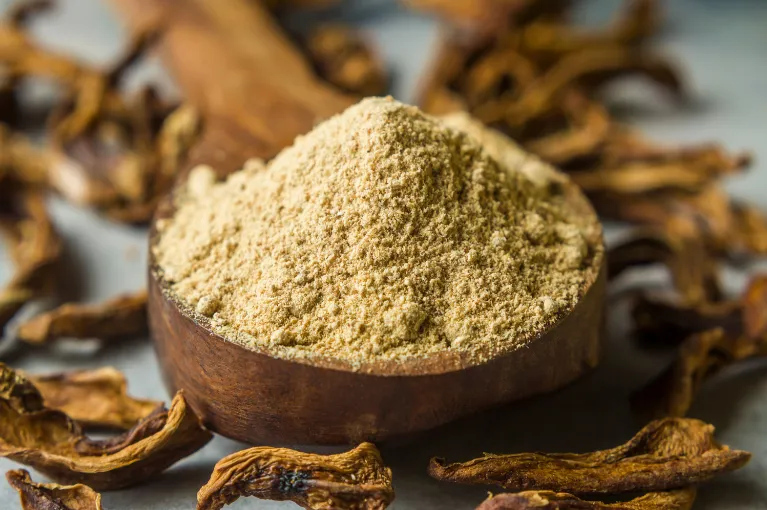
It functions differently from fresh ginger because of its chemical transformation. It can be used as a raw material for grinding into a fine mesh for bakery powders or for solvent extraction. Purchasing Whole or Split Dried Ginger guarantees the potency is preserved until processing because the volatile essential oils are prone to oxidation once ground.
PRODUCT SPECIFICATIONS
Parameter
Standard / Limit
Volatile Oil (VO)
1.0% - 2.5% (Origin Dependent)
Moisture Content
Max 10% - 12%
Total Ash
Max 7.0% - 8.0%
Acid Insoluble Ash
Max 1.0% - 2.0%
Rhizome Size
Variable (Graded by "Hands" or weight)
Crude Fiber
3.0% - 6.0% (Lower is Premium)
Color
Pale Buff to Brown (Bleached/Unbleached)
Gingerol/Shogaol
High (Heat Index)
Foreign Matter
Max 1.0% - 2.0%
Mold / Insect Damage
Max 1% (Strict Aflatoxin Controls)
Scrape Quality
Peeled (Uncoated) vs. Unpeeled (Coated)
Critical Note: "Volatile Oil Content" (VO) and "Fiber Content" are the major specifications for Dried Ginger. Premium buyers require "Low Fiber" (Cochin/Indian), where the product offers a lemon-like aroma and cleaner cut. A visual check for "Mold" (due to improper drying in humid origins) and "Bleaching Agents" (SO2) is mandatory to ensure the product remains sound and fit for high-value export.
TYPES, GRADES & VARIANTS
In the highly competitive landscape of the Dried Ginger B2B marketplace, segmentation is rigorous. It is strictly driven by origin, fiber content, and physical processing:
Cochin Ginger (Low Fiber / Indian): This globally traded grade is considered the premium industrial benchmark for flavor clarity. Sourced primarily from Kerala, where dried ginger suppliers India maintain high standards, it boasts the lowest fiber content and a distinctively lemon-like, aromatic kick. Bulk dried ginger suppliers often categorize this low-fiber variant as the "NUGC" (Non-Bleached Ungarbled Cochin) or "NGC" standard due to its premium texture and absence of stringiness.
Nigerian Ginger (High Pungency / Split): A staple of the Nigerian dried ginger export market, this is the standard for the extraction and oleoresin market. It is generally hotter and more pungent than Indian varieties.
Split Dried Ginger: Dominating the split dried ginger export trade, this is the most common format from Nigeria, where the rhizome is split longitudinally to speed up drying. High value for extraction due to high oil/resin content but lower price point due to aesthetics.
Whole Dried Ginger: Less common from this region, used where visual "heft" is required but high fiber is acceptable.
Chinese Ginger (Whole / Bleached): While the Chinese dried ginger price is often competitive, the rhizome is fatter and cleaner-looking with a lower pungency. It has a milder, more aesthetic profile. It is often used in retail packing where the "look" of the whole root is more important than the "heat." It is sometimes subjected to sulfur bleaching to achieve a bright white appearance, which can be a regulatory hurdle in the EU.
Sliced / Flaked Ginger: This is a value-intensive industrial grade. The rhizome is mechanically processed into dried ginger slices or uniform chips before drying. These are preferred for tea blends, rapid extraction, and grinding applications. Consequently, any premium dried ginger bulk supplier will prioritize these uniform slices for efficiency-focused clients.
DRIED GINGER: APPLICATIONS & END-USE
Food Processing (Industrial)
Industrial Bakery & Confectionery: While dried ginger benefits digestive health, in industrial bakery products it serves as the primary source of that recognizable "warm" heat. It is found in everything from gingerbread cookies to spiced cakes. Its inclusion provides zest. Additionally, it offers a spicy bite, yet it does so without adding moisture to the dough. Within industrial applications, these spices function as a critical "flavor anchor." Cochin Ginger is frequently selected for specific tasks. It is used when a clean "snap" is required. This clarity allows the flavor to cut effectively through heavy molasses and sugar.
Spice Blends & Masalas: This spice is essential for the savory sector. It is a standard ingredient found in Curry Powders. You will also see it in Meat Rubs and various Ras el Hanout blends. The structure of the dried rhizome is notably hard. This durability allows it to withstand high-heat milling. Consequently, it does not immediately lose its volatile flavor profile during processing.
Non-Food Industrial
Essential Oils and Oleoresins: This specific market is driven by yield. Therefore, extractors prioritize high volatile oil (VO) and gingerol percentages. They specifically seek out Nigerian Split varieties. The rhizome undergoes solvent extraction or steam distillation. This process is used to extract ginger oleoresins and ginger oil. These extracts are naturally rich in Shogaols (the pungent principle). A dedicated ginger extract bulk supplier will typically require high-VO "Split" grades for this specific purpose. The resulting oleoresin is utilized in beverage manufacturing (Ginger Ale). Additionally, it is a crucial component of digestive syrups and anti-nausea medication.
Tea & Functional Beverages: Coarse cut or "Tea Cut" ginger is used as a base material in the herbal tea industry. This cut is often sourced from clean, peeled grades. It may also come from sliced variants. The flavor it provides is warming and soothing. It is also stimulating. Because of this, it acts as an effective functional ingredient for winter blends.
SUPPLY & DEMAND COUNTRIES
Top Producing Countries & Export Hubs
Production Leaders: India and Nigeria currently stand as the dominant forces in the sector by volume and specific utility. The dried ginger export from India has surged for high-quality, low-fiber ginger, capitalizing on the "Cochin" branding. Nigeria remains the volume king for the extraction industry (Oleoresin grades) due to high pungency. China remains a massive producer, largely for fresh exports and specific bleached dried variants.
Important Export Hubs: The Cochin (India) and Lagos/Kano (Nigeria) consolidation zones serve as historical centres of concentration. Rhizomes go through crucial processes in these hubs, including washing, splitting, sun-drying on concrete floors, and fumigation. Two important international ports for containerised shipments are Cochin Port and Apapa/Tin Can Island.
Top Importing Regions
North America: The USA represents the key market for "Grinding" and "Extraction" grades. The demand here is massive and year-round.
Europe: The EU is a strict regulatory market regarding Aflatoxin and Pesticide levels. The demand focuses on clean, verified material (often organic) for industrial extraction and bakery.
Middle East: With numerous spice processors in Saudi Arabia and UAE processing imported material for traditional spice blends (Baharat), this region serves as a major importer of whole dried ginger. The demand here is for "Whole" and "Bleached" grades for aesthetic retail and traditional use.
GLOBAL MARKET OVERVIEW
Current Market Value: The global market for dried ginger remains robust, contributing to a broader spice and seasonings industry projected to reach USD 30.98 billion by 2026. It is primarily propelled by two key sectors: alcoholic/non-alcoholic beverages and pharmaceuticals. Currently, Ginger dominates the functional flavor landscape. However, the health sector is witnessing a shift in demand. There is a growing niche for organic dried ginger within this space. This is particularly true for tea manufacturers. They are increasingly opting to buy dried ginger that is pesticide-free for use in infusion bags. Unlike conventional ginger, they boast a clean chemical profile. The bigger picture is also encouraging for the future.
Future Outlook: The market is expected to demonstrate steady, consistent growth. Several trends will drive this upward trajectory. First, organic dried ginger exporters are noticing an increasing consumer demand for digestive wellness products. Second, the market for spicy/ethnic snacks is expanding. This is largely because Ginger is being heavily studied for its anti-inflammatory properties.
Trends: The market is moving from general "FAQ" (Fair Average Quality) trading to specific parameter-based purchasing (e.g., "Low Fiber Guaranteed"). Procurement managers are also increasingly sourcing dried ginger online via B2B platforms, though the market is moving towards "Steam Sterilized" processing techniques. Additionally, there is a rising trend for Nigerian Split ginger bulk sourcing, driven by the booming ginger beer and ale industry.
KEY DEMAND DRIVERS
The "Functional Beverage" Economy: Global beverage trends depend significantly on Dried Ginger. In fact, it serves as the dominant flavor in Ginger Ales and Ginger Beers. As a result, import volumes frequently spike consistent with production cycles. This surge occurs specifically to meet the industrial demand for oleoresin manufacturing.
Digestive Health Management: Dried Ginger is extensively marketed as a dietary supplement. It is promoted specifically for alleviating nausea and aiding digestion. This wellness trend actively propels the demand for specific types of powder. Manufacturers require clean rhizomes that have been strictly tested for heavy metals. This high-quality material is then utilized for encapsulation.
Natural Preservatives: Ginger extract possesses high antioxidant properties. Because of this, it is currently being explored for new industrial uses. It is increasingly utilized as a natural stabilizer. You will find it applied in clean-label food products to extend shelf life.
PRODUCTION & SUPPLY DYNAMICS
The global Dried Ginger market is characterized by an "Annual" crop cycle, where harvest timing defines moisture and oleoresin levels.
Supply-Side Realities:
India (The Quality Leader): Controls the high-end low-fiber market (Cochin).
Seasonality: Harvest typically occurs once a year (Winter). The "Peak Season" (Feb-April) is often preferred for optimal drying conditions and lowest moisture.
Processing Note: Unlike simple harvesting, Dried Ginger requires labor to "Wash" and "Peel." The outer skin is fibrous; removing it reveals the smooth inner matrix. This labor cost is a major component of the final dried ginger FOB price. (You can adjust the end of the "Cochin / Indian Whole" paragraph or the "Market Volatility" paragraph to include this).
Risks:
Aflatoxin & Mold: A major trade risk involves the high levels of Mold (and resulting Aflatoxins) in Dried Ginger. If not dried to below 12% moisture quickly, the rhizome is highly susceptible to mold during storage.
Bleaching Agents: The use of Sulfur Dioxide (SO2) to "bleach" ginger for better aesthetics is a known regulatory pitfall. The EU has strict limits for SO2 residues. Buyers for the EU market must carefully select "Unbleached" grades.
Adulteration: Mixing "spent" ginger (ginger that has already been extracted for oil) with fresh dried ginger is a known fraud in the powder market. Whole rhizome trade mitigates this risk.
EXPORT & IMPORT TREND ANALYSIS
Volume Trend: Growing. Demand is rising due to the popularity of Asian cuisine and functional drinks.
Value Trend: Highly Volatile. Prices fluctuate based on monsoon patterns in India and crop yields in Nigeria. As these economies face currency fluctuations, the raw material price can swing typically by 20-30% in a season.
Key Insight: Buyers are increasingly specifying the "Mesh Size" for processed powder. Precise grinds (e.g., 60 Mesh) command a premium over bulk "whole" bags because they reduce processing steps for the end-user.
PRICE & BULK COST INDICATORS
Nigerian Split Ginger (Standard): Prices generally range from $2,200 to $3,000 per metric ton. This range sets the entry-level price point. It is the standard cost for extraction and industrial grinding purposes. Buyers must analyze the dried ginger wholesale price carefully. To do this, they should look at three specific metrics. First, check the dried ginger export price, which is the FOB origin cost. Second, review the dried ginger import price per kg, also known as the landed cost. Finally, consider the dried ginger price per ton for container-load volumes.
Cochin / Indian Whole (Premium): This variety typically costs between $4,500 and $6,500+ per MT. The export price is significantly higher for this grade. This increase is due to the intense labor requirement for peeling. Workers must scrape the rhizomes carefully. They must also select them individually for low fiber content.
Market Volatility: Volatility is directly linked to Fuel Costs, primarily for transport. It is also tied closely to Currency Exchange Rates (Naira/Rupee vs Dollar). Unlike perennial trees, this is an annual crop. Farmers can switch to other crops if prices drop too low. This capability creates an artificial floor for the market. Therefore, buyers must track acreage reports. They must also watch for monsoon forecasts in Kerala. This monitoring is crucial for accurately calculating the final landed import ginger price.
HSN / HS CODE & TAX CLASSIFICATION
HS Code (Global): 0909.61 (Seeds of anise, badian, fennel, coriander, cumin or caraway; neither crushed nor ground) - proper fennel HS code classification is crucial.
Indian HSN Code: 0909 61 39 (Other Fennel Seeds) or 0909 61 31 (Fennel Seeds - Saunf)
Note: Fennel seeds HS code differentiation relies heavily on whether the product is whole or crushed/ground (which shifts to 0909.62). Customs will strictly scrutinize the product for proper phytosanitary compliance.
BUYER EXPECTATIONS & TRADE REQUIREMENTS
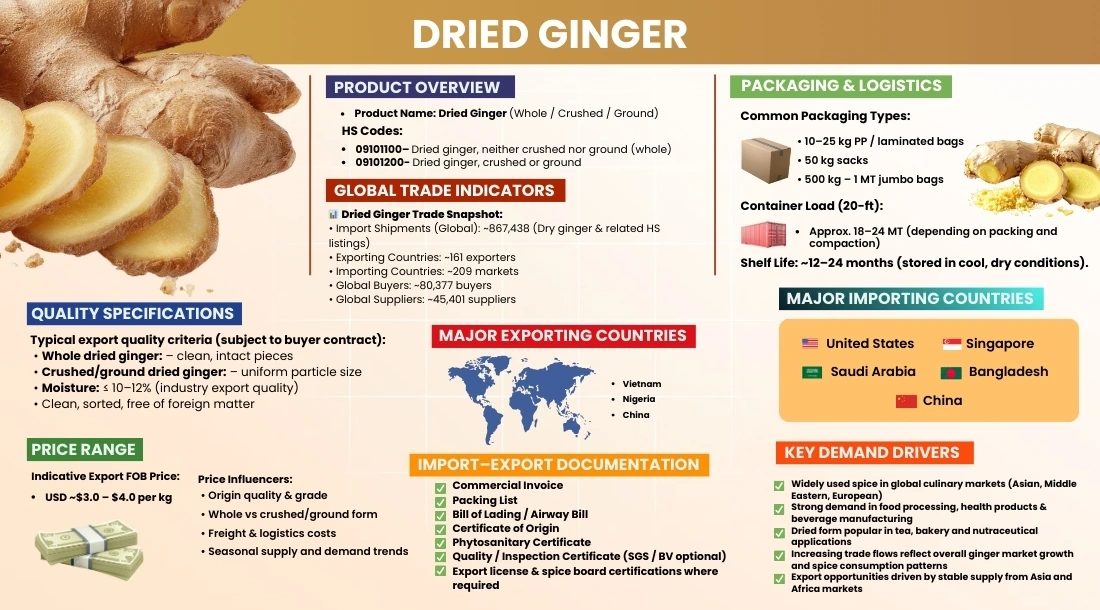
HS Code (Global): 0910.11 / 0910.12
0910.11: Ginger, neither crushed nor ground (Whole/Split).
0910.12: Ginger, crushed or ground (Powder).
Indian HSN Code :
0910 11 10: Ginger, Fresh (Unbleached).
0910 11 20: Ginger, Dried (Unbleached).
0910 11 30: Ginger, Dried (Bleached).
0910 12 10: Ginger, Powder.
Note: Dried ginger HS code differentiation between "Bleached" and "Unbleached" is critical for customs duties in specific territories.
BUYER EXPECTATIONS & TRADE REQUIREMENTS
Volatile Oil (Potency): The #1 Requirement for Extractors. Buyers expect a specific lab result (e.g., Min 1.5% - 2.0% VO). For a dried ginger bulk purchase, the oil content is the primary value driver, whereas the ginger powder bulk price is often determined by mesh size and color.
Moisture (Safety): Max 10-12% is the standard cut-off to prevent fermentation and mold claims.
Visual Appearance: For retail whole packs, the product must be "Clean Peeled" (no rough skin). Buyers expect a pale, uniform color.
Chemical Safety: Sulfur Dioxide (SO2) limits (used for bleaching) must be checked. Aflatoxin limits (B1, B2, G1, G2) are strictly enforced in the EU.
LOGISTICS, PACKAGING & TRADE TERMS: Dried Ginger
Packaging Standards: Dried Ginger is hard but susceptible to moisture. Therefore, packaging strategies must adapt to the specific grade being shipped.
Jute/PP Bags: This method is primarily used for Whole or Split grades. The goal here is to allow the product to "breathe" while maximizing weight. Exporters typically use 25kg or 50kg bags.
Kraft Paper Bags: This packaging is reserved for Ginger Powder or Sliced grades. These forms require protection to prevent clumping and moisture absorption. Consequently, they are packed carefully into 25kg multi-wall paper bags with poly-liners.
Storage & Shelf Life: Dried Ginger is a remarkably hardy spice. Nevertheless, it must be kept in specific conditions. A cool, dry storage environment is essential to prevent mold. The volatile oils will remain stable, provided the rhizome remains whole. Under these conditions, the typical shelf life spans 2 years.
Incoterms & Documentation: Transactions are generally conducted on FOB or CIF terms. Several critical documents are required for clearance. First, a Certificate of Analysis is needed to verify VO and Ash content. A Fumigation Certificate is also mandatory to ensure no pest infestation. Additionally, a Phytosanitary Certificate must be provided. Finally, a Certificate of Origin is necessary. Buyers asking where to buy dried ginger wholesale should be aware of volume requirements. They must often adhere to a strict dried ginger minimum order quantity. This is typically set at 1 Full Container Load (FCL), which is roughly 12-14 MT (Light) to 18 MT (Heavy). Meeting this volume is usually required to secure direct export rates.
FUTURE OUTLOOK & OPPORTUNITIES
Organic & Regenerative: There is currently a significant push in R&D. Farmers are actively converting to organic practices. They are also adopting regenerative agriculture. The goal is to produce rhizomes with zero pesticide residue. This innovation is crucial. It will allow Indian/Nigerian ginger to compete better in the premium sector. This is especially important for capturing share in the EU health market.
Traceability: Buyers are increasingly demanding transparency. They want a clear "Farm to Factory" trail. This demand is driven by safety regulations. It ensures that drying practices remain hygienic. Specifically, it verifies that these practices do not lead to aflatoxin contamination.
Value-Added Cuts: Consider ready-to-use cuts. Examples include the specific "T-Cut" (Tea Cut). Another popular option is "Granulated Ginger." These specialized formats are currently seeing higher margins. They are proving significantly more profitable than standard bulk whole bags.
TRANSPARENCY & DISCLAIMER
Disclaimer: Market data, price indications, and trade regulations may change because of harvest conditions, geopolitical policies, and currency fluctuations. The technical details are for general guidance only; buyers must verify the details (Volatile Oil %, Moisture, Ash, Aflatoxin) with suppliers through a Certificate of Analysis (CoA) before making a purchase. No specific trade result can be guaranteed.
Fresh ginger is fleshy, juicy, and contains Gingerol. Dried ginger (Sonth) is hard, fibrous, bone-dry and contains Shogaols, which are much more pungent and spicy than Gingerol. Dried ginger is used for powders and extraction; Fresh is used for culinary pastes.
Cochin ginger (from India) typically has lower fiber content and a cleaner, lemon-like flavor profile. It is less stringy than other varieties, making it easier to grind and superior in flavor for bakery applications.
This is a processing method where the rhizome is sliced longitudinally before drying. It is done to expose more surface area to the sun, ensuring faster drying and preventing mold growth inside the rhizome. It is the standard format for extraction grades.
Yes, Dried Ginger is rich in Shogaols and is widely studied for its ability to aid digestion, reduce nausea, and lower inflammation, though high consumption should be monitored.
Nigerian ginger typically has a higher fiber content and is often sold in Split form with less emphasis on visual aesthetics. However, it often has higher oil and pungency, making it excellent for extraction but less desirable for whole retail sale compared to the cleaner Cochin grades.
We use cookies to enhance site functionality, improve user experience, analyze website performance, and deliver relevant content in accordance with our Cookie Policy.
We use cookies
Essential Cookies
Essential cookies are strictly necessary for Tradologie.com to operate properly. They enable core functionalities such as security, session management, network stability, and cookie consent preferences. These cookies do not collect personal data and cannot be disabled.
Name
Vendor / Service
Purpose
Expiry
Privacy Policy
ASP.NET_SessionId
Tradologie.com / ASP.NET
Maintains secure user session across pages.
Session
https://privacy.microsoft.com/
__RequestVerificationToken
Tradologie.com
CSRF protection for forms.
Session
https://www.tradologie.com/privacy-policy/
cookie_consent
Tradologie.com
Stores consent preferences so the banner does not reappear.
We use analytics cookies to gather anonymous, aggregated information about how visitors interact with Tradologie.com. This helps us improve the site, measure the success of content and services, and prioritize performance fixes.
Functional cookies allow the website to provide enhanced usability and personalization. They store preferences such as language, region, chat settings, and login details for a smoother browsing experience. Disabling these cookies may limit certain features.
Name
Vendor / Service
Purpose
Expiry
Privacy Policy
user_lang / lang
Tradologie.com
Remembers chosen language.
1 year
https://www.tradologie.com/privacy-policy/
timezone_pref
Tradologie.com
Stores timezone preference for display.
6 months
https://www.tradologie.com/privacy-policy/
remember_user
Tradologie.com
Keeps logged-in state when chosen.
30 days
https://www.tradologie.com/privacy-policy/
livechat_session
Tawk.to
Maintains chat session state.
Session
https://www.tawk.to/privacy-policy/
Marketing
Marketing cookies are used to deliver advertising that is relevant to you and to measure the effectiveness of our marketing campaigns across platforms such as Google, LinkedIn, Meta and Microsoft. These cookies are set only with your consent.