Cumin Powder: A Guide to Varieties, Grades, and Global Trade
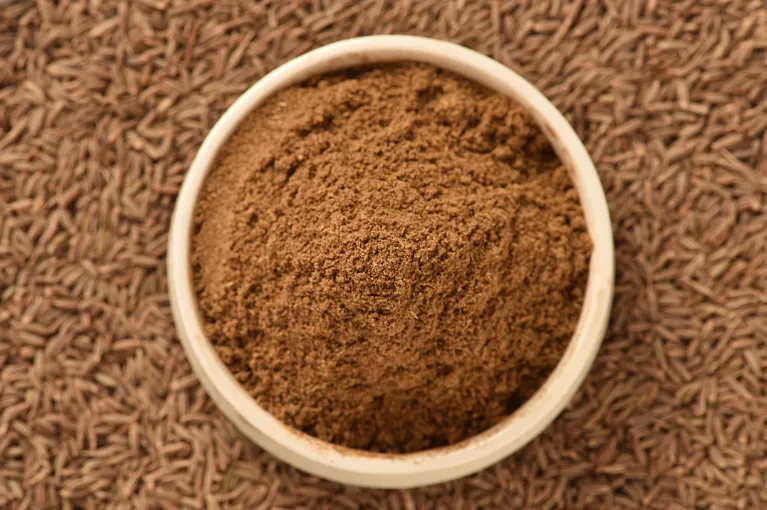
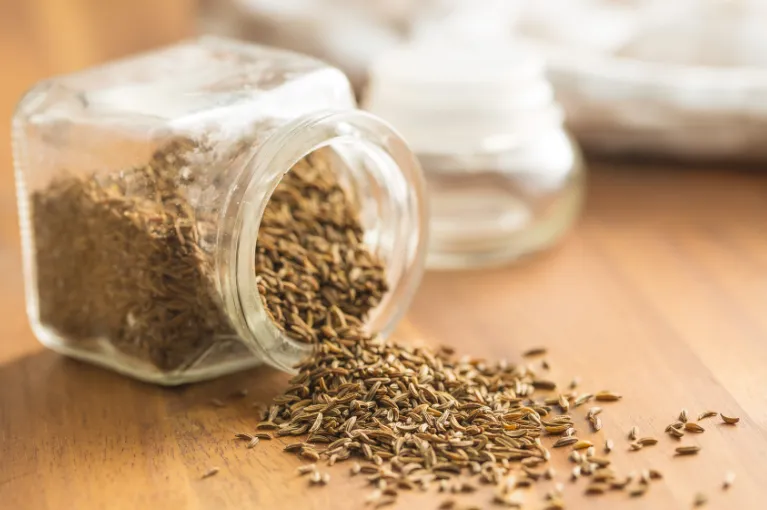
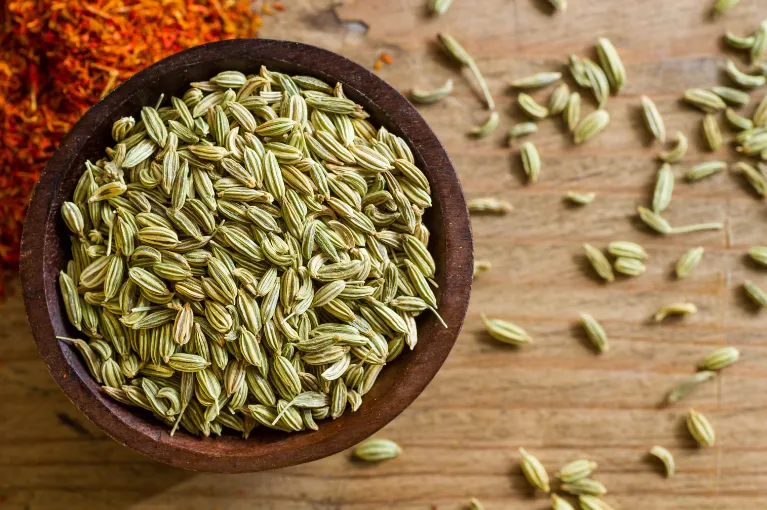
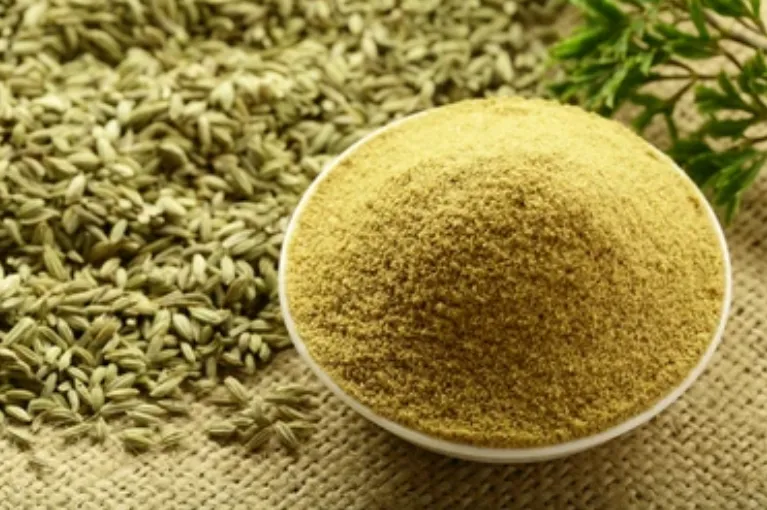
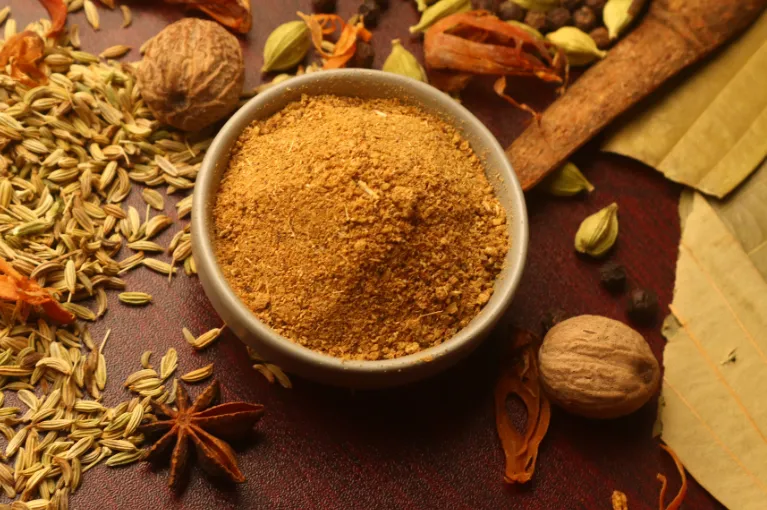
"Cumin Powder" is a staple B2B trade commodity, produced by milling the dried seeds (fruits) of the Cuminum cyminum plant into a fine, aromatic meal. The commodity is valued by food manufacturers for two key characteristics: 'aroma' as a result of its essential oil content (primarily Cuminaldehyde) and 'warmth/bitterness' which it provides to curry bases and spice blends. While it is often found in retail as a generic pantry staple, high-grade 'ground cumin' for international Cumin Powder Export is a precision product, selected based on the seed's volatile oil levels and colour profile.
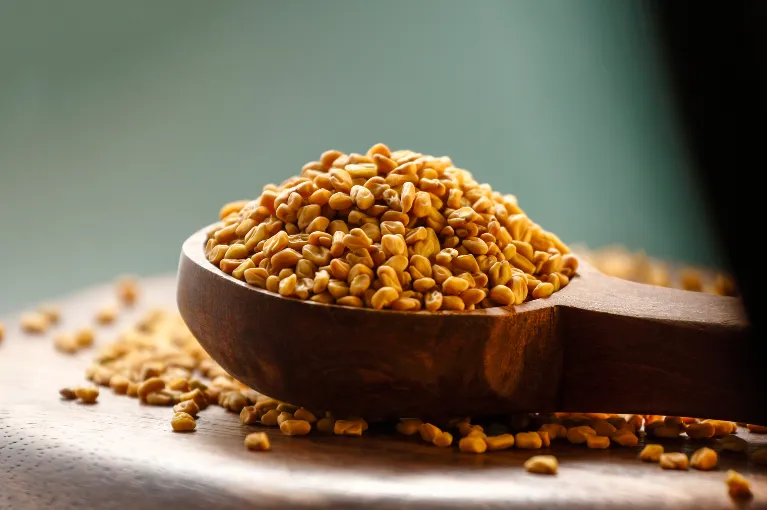
For most global cuisines, this fine powder is the foundation. Apart from adding a pungent and earthy flavour that complements the strong spices of coriander and turmeric, it also works as a digestive aid in masala. Pure Cumin Powder is different from "Curry Powders" that contain fenugreek, coriander, and turmeric because it contains only one ingredient. The use of this product goes beyond the flavour because it is actually used as a defining aromatic note in sauces and gravies, because of the intense essential oil concentration, making it a favourite choice in Middle Eastern, South Asian, and Latin American foods.
PRODUCT SPECIFICATIONS
Parameter
Standard / Limit
Purity
100% dried fruit of Cuminum cyminum
Moisture Content
Max 9% - 10%
Total Ash
Max 9.5% (dry basis)
Acid Insoluble Ash
Max 1.5%
Volatile Oil (VO)
Min 1.5% (Standard) to >2.5% (Premium)
Crude Fibre
Max 15%
Sudan Dyes
NOT APPLICABLE (Usually tested only if adulteration suspected)
Aflatoxin (Total)
EU: < 10 ppb
Salmonella
Absent in 25g
Mesh Size
30 - 50 Mesh (Course/Curry) to 60-80 Mesh (Fine/Dust)
Critical Note: Buyers must specify Volatile Oil (VO) content and Origin (Indian vs. Middle Eastern) in the purchase order. Low oil content often indicates the use of "spent" seeds (seeds from which oil has already been extracted), which is a common trade issue.
TYPES, GRADES & VARIANTS
In the cumin powder B2B marketplace, the product is segmented by its visual appearance (colour) and its olfactory strength (essential oil content).
Singapore Quality (Commercial Standard): Famous for its consistent brown colour and reliable availability. This type is the most widely used in the production of "Curry Powder" and generic spice blends for the mass market.
Europe Quality (Premium/IPM): A premium variety with strict pesticide controls and higher volatile oil content. Because its purity and low residue levels are seen as a sign of quality and safety, this variety is highly sought after by retail packaging customers in Europe and the United States.
Dark/Black Cumin (Kala Jeera): This specific Bunium persicum variety is often confused with regular cumin. It is traded separately, frequently at a much higher price point, and smells sweeter and more floral.
Roasted vs. Raw: Though the raw powder form is more widely exported, the "Roasted Cumin Powder" (Bhuna Jeera) is a speciality variety where the seeds are roasted prior to grinding to bring out nutty and smoky flavours, darkening the powder and reducing its moisture content for longer shelf life.
APPLICATIONS & END-USE MAPPING
Food Processing (Industrial)
Meat & Processed Foods:
This spice enhances the taste of processed meats by giving them earthy undertones that reduce any gamey taste in the meat. This spice is very essential in meat rubs, taco spices, and sausages such as chorizo and merguez.
Sauces & Curry Bases:
In the wet condiment market, this spice is the primary "warmth" or base ingredient. This spice helps to add flavour and also acts as a defining aromatic agent to provide the necessary punch and depth to ready-to-eat (RTE) curries, gravies, and instant soup mixes.
Oleoresin & Nutraceuticals
Extraction:
Cumin Oleoresin (flavour) and Cumin Essential Oil are obtained by processing the harvest. Because of its musky and spicy qualities, the oil rich in cuminaldehyde is highly sought after as a fragrance ingredient as well as a flavouring agent for liquours and confections.
Pharma:
In the health and wellness segment, the seed's carminative and digestive properties are highlighted. Powdered extracts are used in nutraceuticals for gut health (anti-flatulence agent) and in traditional medicines for boosting metabolism and immunity.
Retail & HORECA
Culinary (Retail):
This spice is marketed as an essential, daily staple and is the "heart" of the kitchen. It is used as a base for marinades, rubs, and beverages (like Jeera Water). Marketing kits often include "Cold Grinding" as a feature that promises to preserve the volatile oils that are lost in conventional grinding.
Food Service (HORECA):
This market demands bulk efficiency. Catering operations for large numbers of people and institutional food service use standard-grade cumin powder (40-50 Mesh) to make base gravies for hundreds of dishes, emphasising cost per kilogram over volatile oil content.
SUPPLY & DEMAND COUNTRIES
Top Producing Countries & Export Hubs
Production Leaders:
With 70% of the world's cumin production, India is without a doubt the dominant force with its cumin powder exporters in India. Other major players include Syria, Turkey, and Iran (primarily for different flavour profiles and regional supply).
Key Export Hubs:
The centres of the trade are Gujarat (Unjha) and Rajasthan (Jodhpur) in India. These areas are the main centres for milling and aggregation, where price discovery takes place. Unjha is renowned as the "Spice City of Asia" and dictates global cumin prices.
Top Importing Regions
Southeast Asia:
Malaysia, Vietnam, and Thailand are massive importers of Indian cumin, primarily for their spice-heavy cuisines. They often import "Singapore Quality" seeds or powder for local blending.
Middle East:
The UAE and Saudi Arabia are major buyers of the premium and roasted varieties. The usage here is twofold: for local Arabic spice mixes (Baharat/Dukkah) and as a re-export hub to Africa.
Europe & USA:
These markets drive the demand for clean, sterilised products. The focus here is strictly on low-bacteria and steam-sterilised powder to meet stringent food safety regulations regarding Salmonella and pesticide residues (IPM Cumin).
Market Scope: Covers raw culinary powder, roasted powder, and essential oil extraction grades.
KEY DEMAND DRIVERS
Globalisation of Cuisines: The increasing popularity of Tex-Mex, Indian, and Middle Eastern cooking worldwide is boosting the demand for these fundamental "base" spices.
Natural Wellness Trends: The shift towards 'functional foods' is prompting research into cumin's metabolic benefits. This makes it a natural, non-artificial solution for inclusion in weight-loss teas and digestive health supplements.
Demand from Two Industries (Essential Oil and Spice): Cumin's qualities as a spice and essential oil make it highly valuable. Due to the fragrance industry's strong demand for cuminaldehyde, which is extracted from the seeds, an increase in the cost of raw cumin seeds may directly affect the import cumin powder price.
CUMIN: PRODUCTION, SUPPLY & MARKET RISKS
Global Production Hub
India is the deciding factor in global cumin pricing, with Gujarat (Unjha) and Rajasthan serving as the primary production hubs.
Supply Chain Dynamics (India)
Harvest Time:
The primary agricultural cycle for cumin concludes early in the calendar year. Specifically, the harvesting of the Rabi crop takes place during a defined window. This crucial period spans the months of February through March.
Peak Market Arrivals:
Following the harvest, the supply chain sees a significant influx of fresh stock. The highest volume of cumin officially enters the trading hubs during the subsequent months. This peak period of availability typically begins in March and continues through May.
Market & Quality Risks
Cumin also enjoys moisture and absorbs it readily. Therefore, humidity during storage is a potential danger to the cumin spice. Moisture can rapidly spread the growth of mould, which is demonstrated by the powder's potential to become clumpy and lose aroma.
Regarding the potential for adulteration, cumin powder is dark and fibrous in nature. Therefore, it can be vulnerable to adulteration. Some individuals may choose to add fillers to increase profits. These fillers may include starch, papaya seeds, or sawdust. In other instances, "spent" cumin (oil-extracted waste) may be used.
EXPORT & IMPORT TREND ANALYSIS
Volume Trend: High growth. Demand is consistently rising as tacos and curries become global staples.
Value Trend: Increasing significantly due to erratic weather patterns affecting yields in Gujarat and stricter testing norms for pesticide residues in the EU.
Key Insight: There is a growing shift towards importing "IPM" (Integrated Pest Management) cumin seeds and powder, as international buyers are increasingly rejecting shipments with pesticide residues above MRLs.
PRICE & BULK COST INDICATORS
Standard Grades (Singapore Quality):
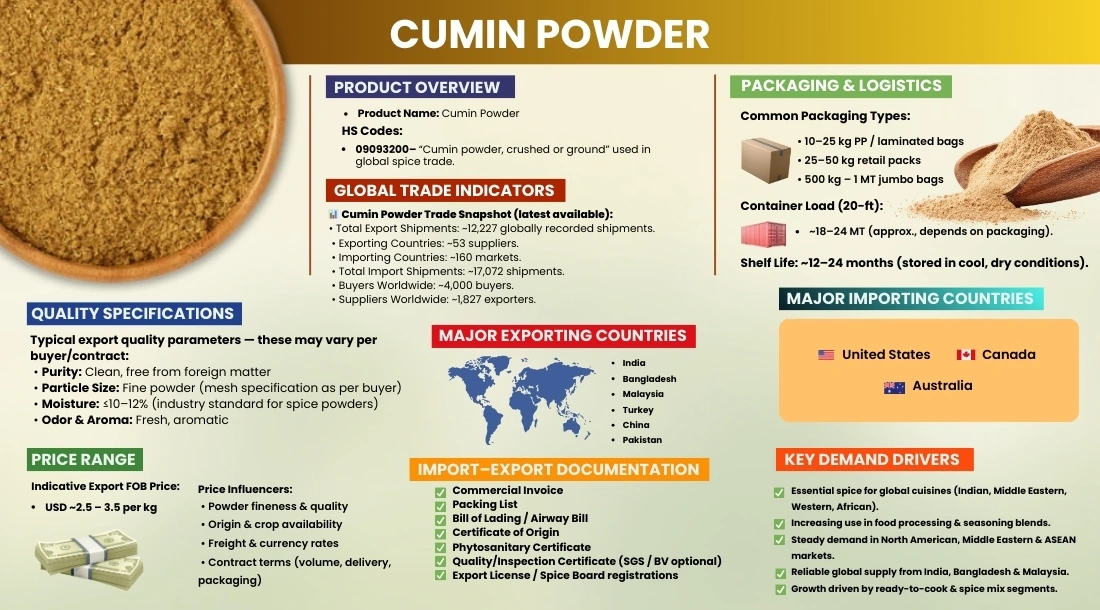
Generally range between $2,500 to $3,200 per metric ton. This is the high-volume lane for curry powder manufacturers.
Premium & European Grades:
Speciality varieties with high volatile oil and low pesticide limits (IPM/Europe Quality) bulk cumin powder trade at a premium, ranging from $3,500 - $4,200 per MT.
Organic & Steam Sterilised:
Certified Organic or Steam Treated batches (guaranteed low plate count) command a 30% - 50% markup over base rates due to the processing weight loss and certification costs.
Market Volatility:
Note: Figures are indicative for Q4 2024. Pricing is highly sensitive to the Indian "Rabi" crop estimates and carry-over stocks in Unjha warehouses.
HSN / HS CODE & TAX CLASSIFICATION
HS Code (Global):
0909.32 (Seeds of cumin, crushed or ground).
Indian HSN Code:
0909 32 00: Cumin seeds, crushed or ground.
Taxation: Subject to GST (in India, usually 5%) and Import Duties. Important for Landed Cost (CIF) calculations.
BUYER EXPECTATIONS & TRADE REQUIREMENTS
Variability in oil content is the most important quality indicator. The buyer will not accept powder with a woody or flat taste, which is an indication that the seeds were old or exhausted (VO < 1.0%).
Microbial standards are non-negotiable for US and EU trade. There should be no Salmonella, and the Total Plate Count is generally restricted to less than 50,000 cfu per gram.
Filth and ash are strictly regulated. There are strict specifications against acid-insoluble ash (to avoid contamination with sand or earth, which is common as cumin grows close to the ground).
Mesh size is important. To ensure a smooth finished product without any grittiness, industrial buyers, such as manufacturers of sauces, require a fine mesh size of 60-80.
LOGISTICS, PACKAGING & TRADE TERMS
Packaging requirements
Cumin powder has strong aroma retention but is highly sensitive to moisture. To protect volatile oils, we advise packing large shipments (25 kg) in triple-laminated aluminium or high-barrier poly bags. Airtight packaging is essential for retail to avoid caking and loss of the characteristic "warm" scent.
Storage and shelf life
Store your inventory in cool, dry storage facilities with relative humidity below 60%. Under optimal storage conditions, if you buy cumin powder in bulk, it can be stored for approximately 12 months without flavour and aroma degradation.
Incoterms
FOB is the standard term for established trade relationships, while CIF is preferred by new trade partners.
REGULATORY COMPLIANCE & CERTIFICATIONS
Mandatory Compliance (Indian Market):
FSSAI (Food Safety and Standards Authority of India)
Spices Board of India (Registration Cum Membership Certificate - RCMC)
Phytosanitary Certificate
Specific Requirements for EU Market Access:
Strict adherence to Maximum Residue Limits (MRLs) for all pesticides.
Pesticides such as Profenofos and other common chemicals must be below detectable limits to comply with EU standards.
Certifications for Premium/Specific Markets (UK & Middle East):
BRC (British Retail Consortium) certification is increasingly essential for major retailers and large-scale meat processors in the UK.
Halal certification is often a mandatory requirement for meat processors and buyers in the Middle East.
FUTURE OUTLOOK & OPPORTUNITIES
Cryogenic Grinding: The adoption of "Cool Grinding" technology is vital for Cumin. Traditional milling heat evaporates Cuminaldehyde; cryogenic milling preserves nearly 95% of the aroma, creating a "Super-Premium" grade.
Essential Oil Recovery: Manufacturers are moving towards a dual-stream model—lightly extracting the oil for pharma/fragrance use, and selling the remaining "spent" meal for feed or low-grade fillers, maximising crop value.
Traceability: The use of blockchain technology to establish the origin of the seed, “Unjha Origin,” is being increasingly utilised as a competitive advantage to combat the trend of blending in inferior imported lines, such as those of Syrian or Turkish origin.
The universal HS Code is 0909.32. The Indian export code is 0909 32 00.
Pure Cumin Powder is naturally gluten-free. However, cross-contamination is a risk in facilities that also process wheat, so "Certified Gluten-Free" requires specific segregated processing.
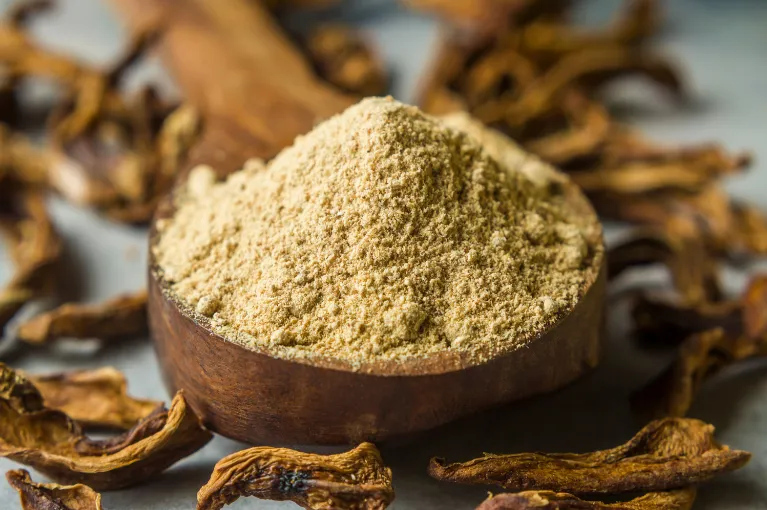
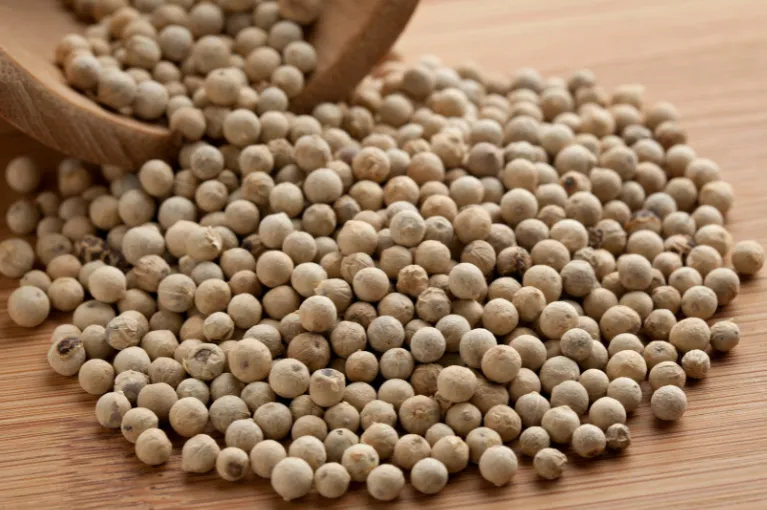
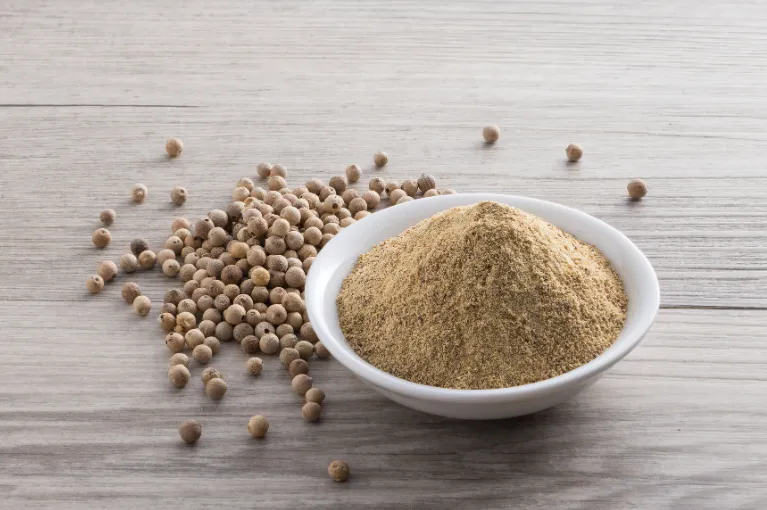
Light brown powder comes from standard, sun-dried seeds (Singapore/European quality). Dark brown or blackish powder usually comes from roasted seeds (Bhuna Jeera) or naturally darker varieties like Kala Jeera.
Seeds retain flavour for years; powder loses aroma (Volatile Oil) within months due to oxidation. Industrial buyers prefer powder for convenience and blending; purists prefer seeds to roast and grind fresh.
Quality is defined by Volatile Oil content (min 1.5%), Ash content (low sand/grit), and Pesticide Residue levels (IPM status).
We use cookies to enhance site functionality, improve user experience, analyze website performance, and deliver relevant content in accordance with our Cookie Policy.
We use cookies
Essential Cookies
Essential cookies are strictly necessary for Tradologie.com to operate properly. They enable core functionalities such as security, session management, network stability, and cookie consent preferences. These cookies do not collect personal data and cannot be disabled.
Name
Vendor / Service
Purpose
Expiry
Privacy Policy
ASP.NET_SessionId
Tradologie.com / ASP.NET
Maintains secure user session across pages.
Session
https://privacy.microsoft.com/
__RequestVerificationToken
Tradologie.com
CSRF protection for forms.
Session
https://www.tradologie.com/privacy-policy/
cookie_consent
Tradologie.com
Stores consent preferences so the banner does not reappear.
We use analytics cookies to gather anonymous, aggregated information about how visitors interact with Tradologie.com. This helps us improve the site, measure the success of content and services, and prioritize performance fixes.
Functional cookies allow the website to provide enhanced usability and personalization. They store preferences such as language, region, chat settings, and login details for a smoother browsing experience. Disabling these cookies may limit certain features.
Name
Vendor / Service
Purpose
Expiry
Privacy Policy
user_lang / lang
Tradologie.com
Remembers chosen language.
1 year
https://www.tradologie.com/privacy-policy/
timezone_pref
Tradologie.com
Stores timezone preference for display.
6 months
https://www.tradologie.com/privacy-policy/
remember_user
Tradologie.com
Keeps logged-in state when chosen.
30 days
https://www.tradologie.com/privacy-policy/
livechat_session
Tawk.to
Maintains chat session state.
Session
https://www.tawk.to/privacy-policy/
Marketing
Marketing cookies are used to deliver advertising that is relevant to you and to measure the effectiveness of our marketing campaigns across platforms such as Google, LinkedIn, Meta and Microsoft. These cookies are set only with your consent.