Coriander Seeds: A Guide to Varieties, Grades, and Global Trade
Technical Overview for Trade and Bulk Procurement
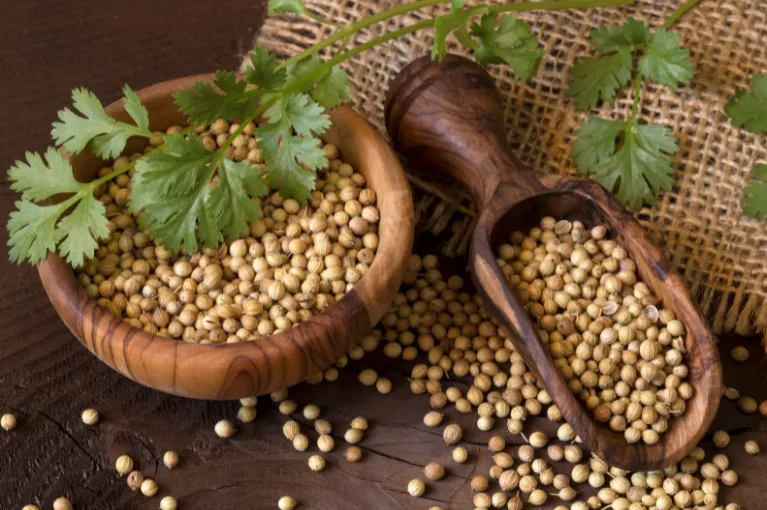
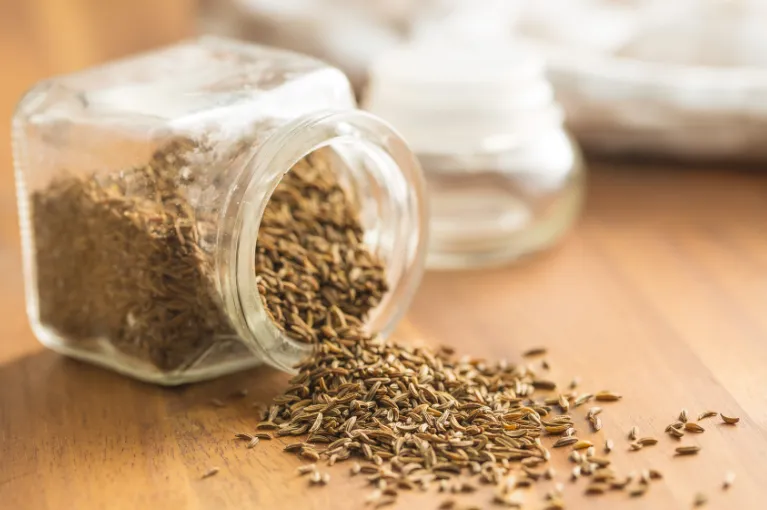
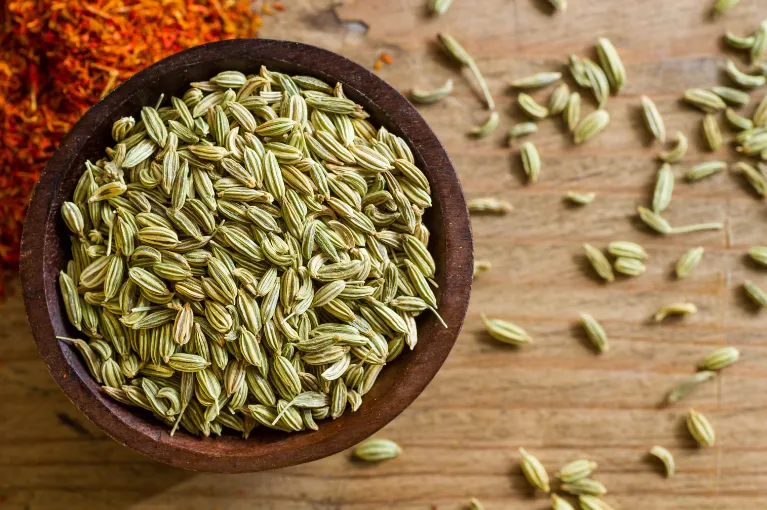
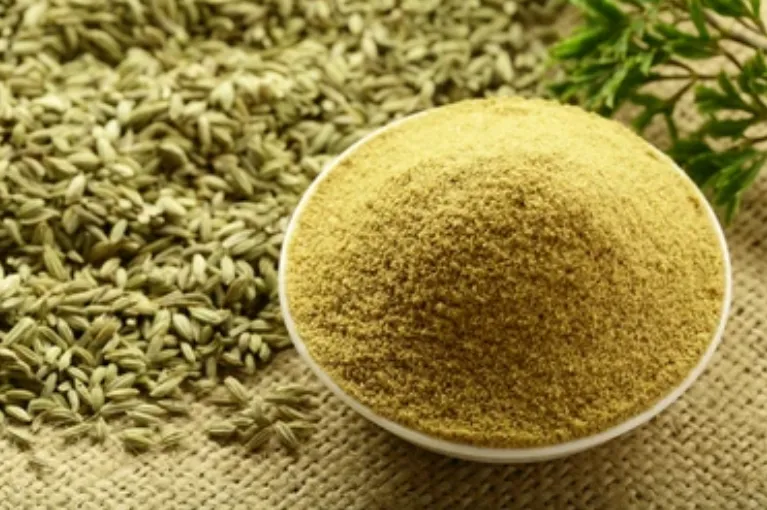
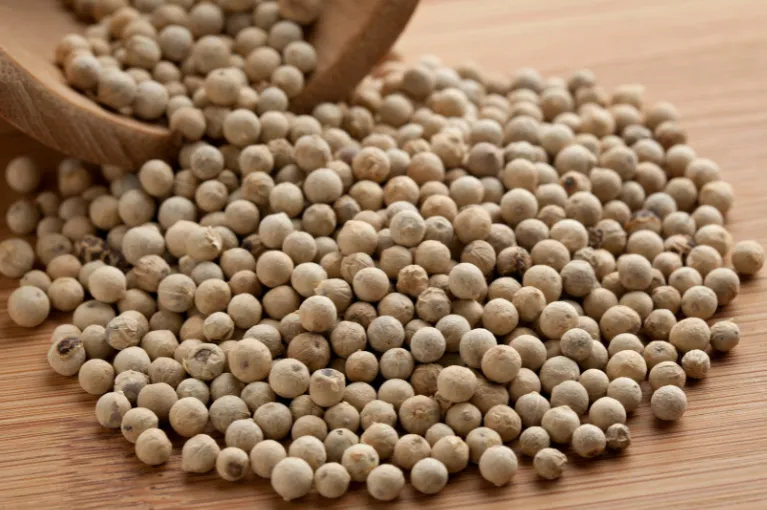
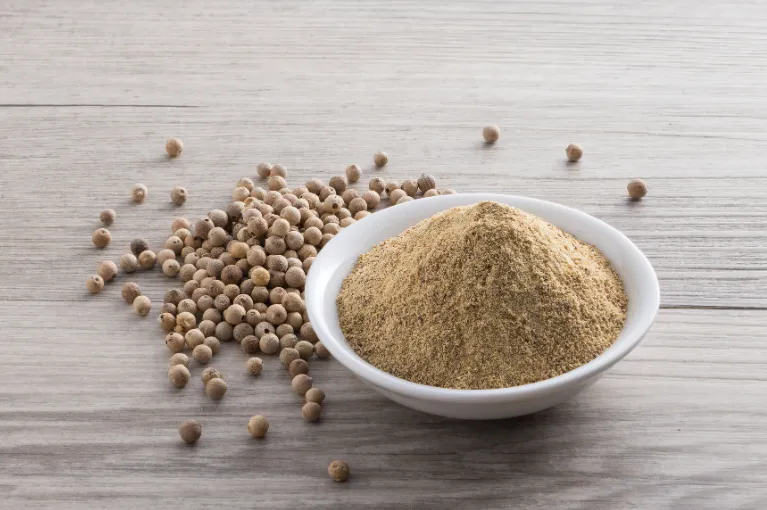
"Coriander Seeds,"" known domestically as dhaniya or dhaniya seeds, are a mild, citrusy spice product harvested and sun-dried to preserve their delicate essential oils. Unlike ground coriander seeds, this product retains the fruit's integrity, consisting of two semi-globular mericarps (seeds) joined together to form a spherical ridge-patterned structure. This product is prized by the Spice Blending, Distillation (Gin & Spirits), and Food industries for its warm, nutty flavour, moderate
concentration of essential oils (Linalool), and thickening properties in sauces. For food manufacturers and extractors who are planning to buy coriander seeds in bulk, it is important to understand these subtleties of structure to determine which processing grade to purchase.
While commonly recognised as a pantry staple or a pickling spice in retail, high-grade whole coriander seeds are engineered for precise "colour retention" and visual perfection (Green vs. Brown). The process involves harvesting the crop when the seeds are fully mature but before they shatter, often varieties like Indori or Russian Small, and drying them to a specific moisture level to prevent fungal growth.
It functions differently from dhania powder because of its whole format. It can be used as a texturing agent in spice mixes or for solvent extraction. Because the volatile oil is protected within the ridges of the seed, providing a sustained, fresh release of lemony notes as opposed to the rapid loss of flavour in powder, their physical wholeness is essential.
PRODUCT SPECIFICATIONS
Parameter
Standard / Limit
Purity
98% - 99% dried fruit of Coriandrum sativum
Moisture Content
Max 9% - 10%
Volatile Oil (VO)
Min 0.3% - 1.0% (Origin Dependent)
Total Ash
Max 7.0% (dry basis)
Acid Insoluble Ash
Max 1.5%
Split Fruits
Max 5% - 10% (Whole Grades)
Damaged / Discoloured
Max 1% - 2%
Foreign Matter
Max 1.0% - 2.0%
Salmonella
Absent in 25g
Size
Varies (e.g., 2mm - 5mm)
Critical Note: "Colour" and "Size" are the major specifications for coriander. Premium buyers require "Parrot Green" or "Pale Gold" seeds, where the product has not been weather-damaged or blackened by rain. A visual check for "Weevil-Bored Seeds" (small holes indicating infestation) is mandatory to ensure the product remains sound and fit for consumption.
TYPES, GRADES & VARIANTS
In the highly competitive landscape of the coriander seeds B2B trade, segmentation is rigorous. It is strictly driven by three specific metrics. The first is physical 'appearance,' specifically the vibrancy of the green/golden colour. The second critical factor is the origin-based oil content (Russian vs. Indian). Finally, the percentage of "split coriander seeds" determines the specific grade and price point.
Indori / Parrot Green (Premium): Often traded locally as premium sabut dhaniya, this grade stands as the global benchmark for the retail and whole spice sector. It features a pristine mix of bold, oval seeds with a distinct greenish hue. These seeds, which come mostly from central India, are hand-sorted to guarantee that the ridges are undamaged. In this grade, impurities are almost nonexistent. Additionally, there are hardly any split seeds. As a result, Middle Eastern buyers and
gourmet packers use it everywhere.
Eagle / FAQ (Fair Average Quality): Consider this grade the industrial workhorse of the market. It contains a reliable mix of brownish-gold seeds. However, there is a slightly higher tolerance for imperfections compared to Premium grades. This grade allows for a moderate percentage of split seeds (Dal) and stems. While the visual uniformity is lower, the flavour profile remains consistent. Therefore, it is preferred for grinding into curry powders.
Scooter / Badami (Brown): These are value-oriented cloves distinguished by their darker, brownish appearance. They are often rain-touched or older stock. While they lack the visual appeal of green coriander, they are chemically sound. Buyers prefer them specifically for high-volume industrial processing where colour is corrected by blending.
Russian / Eastern European (Small Seed): This variety is significantly smaller and rounder in appearance. The colour typically ranges from dark beige to brown. Despite the smaller size, they are known for having a very high volatile oil content (often exceeding 1%). This chemical potency makes them the standard choice for industrial buyers in the West. They are heavily utilised for Gin distillation and oleoresin extraction.
CORIANDER SEEDS: APPLICATIONS & END-USE
Food Processing (Industrial)
Spice Blends & Masalas: Coriander takes a front-and-centre role in global spice mixes, often constituting the bulk volume (up to 40-50%) of commercial dhaniya powder. It acts as a thickener and a flavour carrier. Its inclusion adds a layer of mild, citrusy sweetness. This is due to its high linalool content. In industrial applications, they function as the "body" of the blend, balancing hotter spices like chilli and pepper.
Processed Meats & Sausages: This spice is essential for the meat processing sector. It is typically ground from whole seeds. You will find it in Boerewors, Frankfurters, and Salamis. Timing is critical for manufacturers. They often require sterilised coriander to ensure low bacterial counts. This step prevents spoilage in the cured meat products.
Non-Food Industrial
Gin & Spirits Distillation: This sector is a niche but high-value volume driver. It is specifically dominant in Europe and North America. The technical requirements here are distinct. Distillers prioritise high volatile oil content (Russian variety). The seeds are macerated with juniper berries. This mixture creates the characteristic citrus top-note of London Dry Gin.
Oleoresins & Extracts: Coriander serves as a structural base for the flavour industry. They are vital for creating "Natural Flavourings." The demand here is for Chemical Yield. Specifically, high Linalool content is required. This compound is isolated for use in perfumes, cosmetics, and soaps.
SUPPLY & DEMAND COUNTRIES
Top Producing Countries & Export Hubs
Production Leaders: India stands as the dominant force in the coriander sector. It is responsible for producing a significant portion of the world's supply, particularly the "Bold" varieties. Nonetheless, domestic consumption accounts for the majority of this volume. The massive curry and masala industry is primarily responsible for this. Russia and Bulgaria, on the other hand, are major exporters of the "Small Seed" variety. These nations are well known for their high-oil crops
that are geared towards extraction and distillation. Morocco and Canada are also well-known for specific varieties used in the Americas.
Key Export Hubs: The consolidation zones located in Gujarat/Rajasthan (India) and Rotterdam (Europe) function as the world's processing factories. It is in these hubs that coriander undergoes critical steps. They are cleaned, graded (often via colour sorters), and subsequently re-packed. Dubai also acts as a major hub for re-export. It aggregates spices from India. From there, it manages shipments to African and Western markets.
Top Importing Regions
Southeast Asia: Malaysia and Indonesia represent key markets in this region. The demand here is massive and volume-driven. It stems from the need for base ingredients in Curry Powders and wet pastes. They typically import FAQ or Eagle grades.
Middle East: Saudi Arabia and the UAE constitute a premium market. The demand here is specific and visually driven. It focuses on the "Green" and "Bold" seeds for direct retail sale in souks and supermarkets.
Europe & USA: In these regions, coriander is used primarily for industrial applications. This feeds the Gin and Seasoning industries. Additionally, they are crucial for the pickling industry. The demand profile here is bifurcated. Whole seeds are sought for pickling jars. Conversely, crushed or ground material is purchased for sausage manufacturing.
GLOBAL MARKET OVERVIEW
Current market value: As of 2024, the global Coriander market holds a substantial share of the seed spice trade [valued at approximately $30.98 billion for 2026 (Source: The Business Research Company)].
Future outlook: The market is expected to demonstrate steady growth, driven by the increasing popularity of ethnic cuisines and craft spirits (Gin).
Growth rate: The market is expected to grow at a CAGR of 4.0% - 5.0%.
Trends: The market is moving from bulk commodity trading to specific origin-based purchasing (e.g., "Indian Bold" vs "European Small"). The market is also moving towards steam-sterilised varieties, for customers looking to buy coriander seeds that meet strict safety standards.
KEY DEMAND DRIVERS
The "Craft Gin" Renaissance
Modern beverage culture is undergoing a shift. It is moving steadily toward artisanal spirits. Coriander is the second most important botanical in Gin after Juniper. Consequently, the distillation industries are looking into specific oil profiles more and more. They use coriander to provide the lemon/citrus notes naturally. This trend is directly driving industrial demand for high-oil European seeds.
The Ethnic Food Expansion
Global awareness of Indian, Thai, and Mexican cuisines is rising. This shift has maintained a consistent market for Curry Powders and Taco Mixes. Companies are now actively seeking specific qualities. They require coriander that provides bulk and texture without overpowering heat.
Natural Wellness & Digestion
Traditional medicine usage remains a driver. Coriander seeds' benefits are becoming widely recognized, with coriander water gaining popularity as a detox drink. In these sectors, the spice is treated differently. It is viewed as a functional ingredient. This drives demand for organic coriander seeds and pesticide-free grades.
PRODUCTION & SUPPLY DYNAMICS
Production Leader: India leads in volume and "Bold" size, but Eastern Europe leads in "High Oil" small seeds.
Processing Note: Unlike simple harvesting, coriander requires precise "Threshing" to separate the fruit from the plant without splitting it. Mechanical threshing is common, but speed must be controlled to avoid "Splits" (Dal). Sun-drying is the standard, but it carries the risk of bleaching the colour if left too long.
Risks:
Moisture Sensitivity: Coriander is highly hygroscopic. If the moisture content exceeds 10%, it is prone to internal mould and heating.
Weevil Infestation: A major storage risk involves "Cigarette Beetles" and Weevils. Buyers must inspect for webbing or boreholes.
Adulteration (Spent Seeds): A fraud risk involves mixing "Spent Seeds" (seeds used for oil extraction) with fresh stock. Buyers must test for Volatile Oil (VO) percentage.
EXPORT & IMPORT TREND ANALYSIS
Volume Trend: Seasonal. The coriander crop relies heavily on the Rabi season (winter sowing) in India. Harvest peaks in Feb-March, causing massive fluctuations in global volume during Q2.
Value Trend: Highly Volatile. Prices can fluctuate wildly based on the Indian Monsoon and manufacturing demand from the oleoresin sector.
Key Insight: Buyers are increasingly specifying the "Split %". Cheaper grades have more broken seeds (Dal), while premium grades are strictly whole.
PRICE & BULK COST INDICATORS
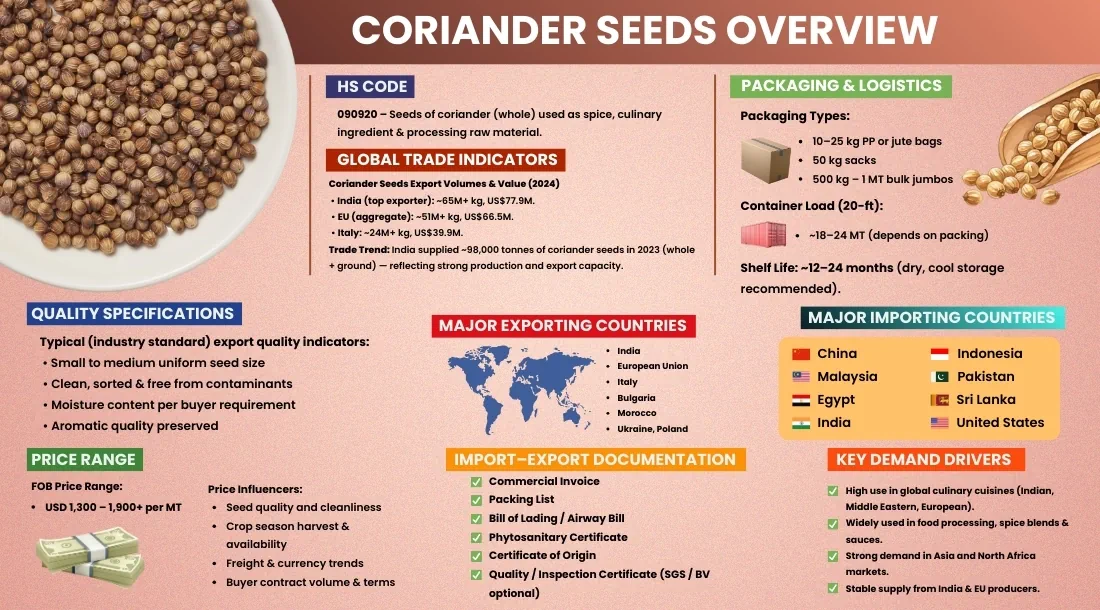
FAQ / Eagle Grade: Generally ranges from $900 to $1,400 per metric ton, setting the benchmark coriander seeds wholesale price.
Parrot Green / Premium Grade: This variety will cost between $1,500 and $2,000+ per MT. The coriander seeds export price rises because of the manual sorting required to ensure vibrant green colour and bold size.
Market Volatility: This is directly linked to the sowing area in Gujarat and Rajasthan. When the farmers switch to other crops like Cumin or Garlic, the price of coriander is sure to follow vertical trajectories. Therefore, tracking sowing reports in India is crucial for buyers calculating the landed import coriander seeds price.
HSN / HS CODE & TAX CLASSIFICATION
HS Code (Global): 0909.21 (Coriander seeds, neither crushed nor ground).
Note: 0909.22 refers to Crushed or Ground coriander.
Indian HSN Code:
0909 21 10: Of Seed Quality.
0909 21 90: Other (Preferred for General Bulk Trade).
BUYER EXPECTATIONS & TRADE REQUIREMENTS
Oil Content (Linalool): The #1 Requirement for Extractors. A standard European seed must yield nearly 1.0% volatile oil. Indian seeds may yield lower (0.3%) but are preferred for powder.
Visual Appearance: The product must be free from blackened or "Rain Damaged" seeds. Buyers expect a bright, uniform colour (Green or Golden). Verified bulk coriander seeds suppliers mitigate rejection risks by using colour-sorting machines (Sortex).
Split Percentage: Strict limits. Buyers paying for whole spice do not want to pay for "Dal" (splits) unless specified for grinding.
Microbiological Standards: Salmonella absent. Aflatoxin limits are strictly enforced for spices entering the EU.
LOGISTICS, PACKAGING & TRADE TERMS
Packaging Standards
Since coriander is bulky and light, it requires cost-effective yet protective packaging. Bulk packing is typically in 25 kg or 50 kg PP (Polypropylene) bags or Jute bags to allow airflow. However, for premium "Green" grades, multi-layer paper bags or vacuum packing may be used to preserve the colour. Proper fumigation is the standard for Wholesale Coriander to prevent weevil infestation during ocean transit.
Storage & Shelf Life
Coriander loses its citrus aroma relatively quickly compared to hard spices like cloves. It must be kept in cool, dry conditions away from humidity. Heat causes the oil to oxidise. Shelf life is typically 18-24 months for whole seeds.
Incoterms & Documentation
FOB and CIF are standard. Documentation is identical to that of other spices: CoA, Phytosanitary Certificate, and Bill of Lading. Some buyers may request a "Pesticide Residue Analysis Report" for EU markets.
Mandatory steps to enter the market
The safety of food must come first. Even spices, namely coriander, which is often consumed raw in spice blends, need to adhere to microbiological requirements.
Fumigation: This is essential for all shipments of coriander as it controls beetles. Methyl bromide or Phosphine is used. The Fumigation Certificate is vitally important when clearing customs.
Traceability: Buyers also require information about the farm level to ensure that the coriander is not mixed with older stocks from previous years.
FUTURE OUTLOOK & OPPORTUNITIES
1. Steam Sterilised Seeds (The "Safety" Wave)
There is an aggressive global shift toward food safety. This has created a dedicated market for Steam Sterilised Coriander, where low bacterial load is more important than visual perfection. The segment is led by major industrial spice grinders. For Western manufacturing, these seeds offer a safe, ready-to-use ingredient for sausages and sauces.
2. Essential Oil Distillation (The "Aroma" Factor)
Driven by the global interest in aromatherapy and natural scents, Western markets are actively seeking the uplifting benefits of Coriander Oil. The star of this category is the Russian Small Seed. These are processed to maximise Linalool retention.
3. Sustainable Sourcing (Ethical Focus)
Whether sourcing coriander seeds online or via traditional contracts, the European supply chain is forcing a rapid check on pesticide usage. In the Bulk Trade, this has spurred a shift towards IPM (Integrated Pest Management) farming in India. The "holy grail" of ethical sourcing is ensuring that the crop is free from banned pesticides, allowing brands to use the term "Sustainably Sourced" on their labels.
We use cookies to enhance site functionality, improve user experience, analyze website performance, and deliver relevant content in accordance with our Cookie Policy.
We use cookies
Essential Cookies
Essential cookies are strictly necessary for Tradologie.com to operate properly. They enable core functionalities such as security, session management, network stability, and cookie consent preferences. These cookies do not collect personal data and cannot be disabled.
Name
Vendor / Service
Purpose
Expiry
Privacy Policy
ASP.NET_SessionId
Tradologie.com / ASP.NET
Maintains secure user session across pages.
Session
https://privacy.microsoft.com/
__RequestVerificationToken
Tradologie.com
CSRF protection for forms.
Session
https://www.tradologie.com/privacy-policy/
cookie_consent
Tradologie.com
Stores consent preferences so the banner does not reappear.
We use analytics cookies to gather anonymous, aggregated information about how visitors interact with Tradologie.com. This helps us improve the site, measure the success of content and services, and prioritize performance fixes.
Functional cookies allow the website to provide enhanced usability and personalization. They store preferences such as language, region, chat settings, and login details for a smoother browsing experience. Disabling these cookies may limit certain features.
Name
Vendor / Service
Purpose
Expiry
Privacy Policy
user_lang / lang
Tradologie.com
Remembers chosen language.
1 year
https://www.tradologie.com/privacy-policy/
timezone_pref
Tradologie.com
Stores timezone preference for display.
6 months
https://www.tradologie.com/privacy-policy/
remember_user
Tradologie.com
Keeps logged-in state when chosen.
30 days
https://www.tradologie.com/privacy-policy/
livechat_session
Tawk.to
Maintains chat session state.
Session
https://www.tawk.to/privacy-policy/
Marketing
Marketing cookies are used to deliver advertising that is relevant to you and to measure the effectiveness of our marketing campaigns across platforms such as Google, LinkedIn, Meta and Microsoft. These cookies are set only with your consent.