Cassia Bark: A Guide to Varieties, Grades, and Global Trade
Through this guide, we provide a precise, trade-oriented overview of how this agricultural product is processed, graded, quality-validated, certified, priced, and moved through global supply chains to meet the technical expectations of bulk buyers.
Technical Overview for Trade and Bulk Procurement
Known scientifically as Cinnamomum cassia (or Cinnamomum aromaticum), "Cassia Bark" is commonly referred to in the trade as cinnamon bark. Commercially, it is also known as Cassia cinnamon. Cassia is a major player in the global spice trade. The bark is particularly hard and thick. It has a darker, reddish-brown colour. Due to the high levels of cinnamon aldehyde, it has a very spicy-sweet flavour profile. This product is the industry standard for "Cinnamon" flavour in the USA and a large portion of Asia due to its strong attributes.
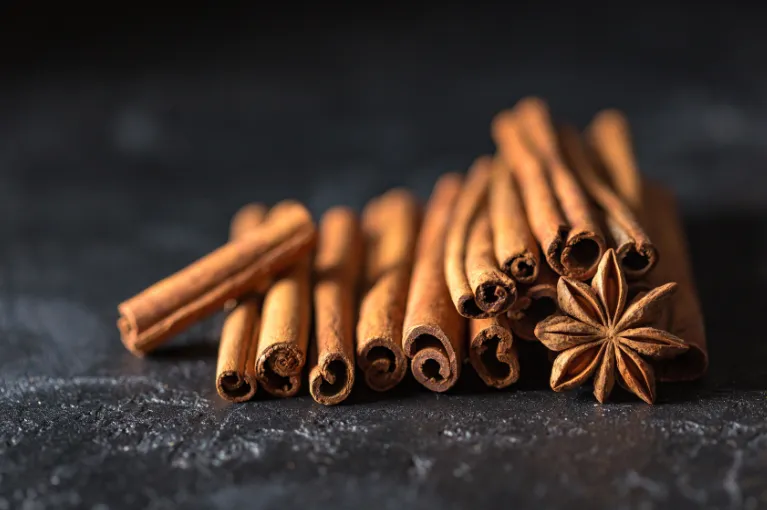
The biochemical integrity of Cassia is critical for oleoresin extractors and industrial bakers who buy in bulk. The bark is harvested, stripped, and sun-dried, causing it to curl inward from both sides toward the center (unlike the single quill of True Cinnamon). Its high volatile oil content and aggressive flavor profile make it the preferred raw material for cinnamon bark extract manufacturers and essential oil distillation, where the flavor must survive high-heat processing.
While commonly found in retail as "Cinnamon Sticks," high-grade Cassia is engineered for specific "Volatile Oil (VO) Yields" and physical formats (Tube/Cigarette vs. Split). The process involves peeling the bark from the tree, scraping off the rough outer cork (in premium grades), and drying it to lock in the essential oils within the woody matrix.
It functions differently from standard cinnamon powder because of its structural density. It can be used as a raw material for grinding into a coarse mesh for bakery toppings or for solvent extraction. Purchasing whole or split Cassia Bark guarantees the potency is preserved until processing because the volatile Cinnamaldehyde is prone to evaporation once ground.
PRODUCT SPECIFICATIONS
Parameter
Standard / Limit
Volatile Oil (VO)
1.0% - 4.5%+ (Origin Dependent)
Moisture Content
Max 12% - 13.5%
Total Ash
Max 5.0%
Acid Insoluble Ash
Max 1.0%
Bark Thickness
1mm - 3mm+ (Grading Metric)
Length of Stick/Tube
6cm - 45cm (Cut to Order)
Color
Reddish-Brown to Dark Brown
Coumarin Content
High (Regulatory Limits Apply)
Foreign Matter
Max 1.0% (Best Quality)
Mold / Insect Damage
Max 1% - 2%
Scrape Quality
Clean Scraped vs. Unscraped
Critical Note: "Volatile Oil Content" (VO) and "Bark Cleanliness" (Scrape level) are the major specifications for dried Cassia. Premium buyers require "Clean Scraped" (Outer skin removed), where the product offers a sweeter flavor profile and lower ash content. A visual check for "Mold" (due to improper drying in humid origins) and "Insects" is mandatory to ensure the product remains sound and fit for high-value export.
TYPES, GRADES & VARIANTS
In the highly competitive landscape of the Cassia Bark B2B marketplace, segmentation is rigorous. It is strictly driven by origin and physical processing:
Vietnam Cassia (High Oil / Saigon): This globally traded grade is considered the premium industrial benchmark for potency. Sourced primarily from Yen Bai and Quang Ninh, it boasts the highest oil content (often 3.0% - 6.0%) and a distinctively spicy, sweet kick. Bulk cinnamon bark suppliers often categorize this high-oil variant as the "Saigon" standard due to its premium potency.
Split Cassia: The most common export format, where bark is split longitudinally. Used for grinding.
Broken Cassia: Smaller, irregular pieces. High value for extraction but lower price point.
Indonesian Cassia (Korintje): The standard for the US bakery market. It is generally milder and smoother than Vietnamese varieties.
Korintje A (KA): Thick quills, high oil (2-3%), low stem content. The choice for premium retail sticks.
Korintje B/C (KB/KC): Thinner bark, lower oil. The volume leader for general grinding and food service.
Chinese Cassia (Tung Hing): Often harder and woodier with a lower oil content (1.0% - 1.5%). It has a more astringent, bitter flavor profile. It is often used in traditional Chinese medicine and lower-cost spice blends where "heat" is less required than "woodiness."
Cigarette / Tube Cassia: This is a value-intensive aesthetic grade. A single, smooth quill that resembles a cigarette is formed by cutting, scraping, and tightly rolling the bark. These are the most expensive and have perfect aesthetics. They are preferred for retail glass jar packaging, cocktail garnishes, and high-end tea blends. Consequently, any premium cinnamon bark stick bulk supplier will prioritize these flawless quills for high-end retail clients.
CASSIA BARK: APPLICATIONS & END-USE
Food Processing (Industrial)
Industrial Bakery & Confectionery Cassia plays a leading role in many products. It is found in everything from cinnamon rolls to breakfast cereals. In these goods, it serves as the primary source of that recognizable "cinnamon" flavor. Its inclusion provides distinct warmth. Additionally, it offers sweetness, yet it does so without the need for added sugar. Within industrial applications, these spices function as a critical "flavor anchor." Vietnamese Cassia is frequently selected for specific tasks. It is used when a strong "bite" is required. This intensity allows the flavor to cut effectively through heavy dough and icing.
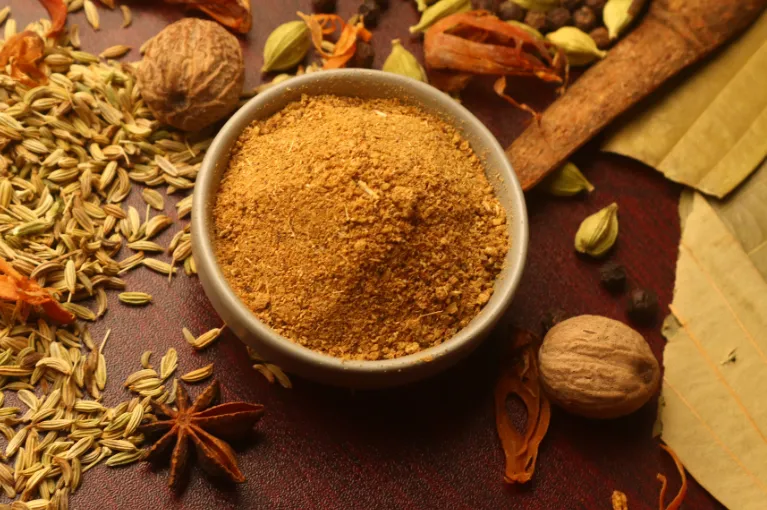
Spice Blends & Rubs This spice is essential for the savory sector. It is a standard ingredient found in Five Spice Powder. You will also see it in Garam Masala and various BBQ rubs. The structure of the bark is notably robust. This durability allows it to withstand high-heat milling. Consequently, it does not immediately lose its volatile flavor profile during processing.
Non-Food Industrial
Essential Oils and Oleoresins This specific market is driven by value. Therefore, extractors prioritize high volatile oil (VO) percentages. They specifically seek out Vietnamese Split or Broken varieties. The bark undergoes steam distillation. This process is used to extract cinnamon essential oils, also known as Cassia Oil. These oils are naturally rich in Cinnamaldehyde. A dedicated cinnamon essential oil bulk supplier will typically require high-VO "Broken" grades for this specific purpose. The resulting oil is utilized in pharmaceutical preparations. Additionally, it is a crucial component of toothpaste and mouthwash, among other oral hygiene products.
Incense & Aromatherapy Cassia powder is used as a base material in the agarbatti and home fragrance industries. This powder is often sourced from the outer bark. It may also come from lower grades of the plant. The scent it provides is woody and sweet. It is also long-lasting. Because of this, it acts as an effective fixative for other fragrances.
SUPPLY & DEMAND COUNTRIES
Top Producing Countries & Export Hubs
Production Leaders: Vietnam and Indonesia currently stand as the dominant forces in the sector by volume and quality. Vietnam has surged as the leader for high-oil Cassia, capitalizing on the "Saigon Cinnamon" branding. Indonesia remains the volume king for the North American baking industry (Korintje grades). China remains a massive producer, largely for domestic consumption and specific medicinal exports.
Important Export Hubs: The Padang and Yen Bai (Vietnam) consolidation zones (Indonesia) serve as historical centres of concentration. Barks go through crucial processes in these hubs, including cutting, baling, sun-drying on mats, and scraping. Two important international ports for containerised shipments are Haiphong and Semarang.
Top Importing Regions
North America: The USA represents the key market for "Korintje" and "Saigon" grades. The demand here is massive and seasonal.
India: With numerous cinnamon bark suppliers in India processing imported material for domestic masala blends or re-exporting value-added forms, India serves as both a major importer of cassia and a hub for re-export. The demand here is for "Split" and "Broken" grades for grinding into Masala mixes. (Note: While cinnamon bark export from India is lower in volume than from Vietnam, it remains a key trading route for value-added spice mixes.)
Europe: The EU is a strict regulatory market regarding Coumarin levels. The demand focuses on clean, verified material for industrial extraction and bakery.
GLOBAL MARKET OVERVIEW
Current Market Value: The global market for cinnamon and cassia remains robust. It is primarily propelled by two key sectors: bakery and nutraceuticals. Currently, Cassia dominates the industrial landscape. However, the health sector is witnessing a shift in demand. There is a growing niche for true cinnamon within this space. This is particularly true for supplement manufacturers. They are increasingly opting to buy true cinnamon for use in capsules. Unlike Cassia, they boast a significantly lower Coumarin content. The bigger picture is also encouraging for the future. According to The Business Research Company, the entire global market for spices is expected to grow to $30.98 billion by 2026.
Future Outlook: The market is expected to demonstrate steady, consistent growth. Several trends will drive this upward trajectory. First, there is an increasing consumer demand for natural sweeteners. Second, the market for metabolic health supplements is expanding. This is largely because Cassia is being heavily studied for its potential to regulate blood sugar.
Trends: The market is moving from general "FAQ" (Fair Average Quality) trading to specific VO-based purchasing (e.g., "4% Oil Guaranteed"). The market is also moving towards "Low Coumarin" processing techniques for the European sector. Additionally, there is a rising trend for organic cinnamon bark bulk sourcing, driven by clean-label requirements in the EU.
KEY DEMAND DRIVERS
The "Pumpkin Spice" Economy Western seasonal trends depend significantly on Cassia. In fact, it serves as the dominant flavor in autumn blends. As a result, import volumes frequently spike during Q3. This surge occurs specifically to meet the retail demand expected in Q4.
Blood Sugar Management Cassia is extensively marketed as a dietary supplement. It is promoted specifically for supporting insulin sensitivity. This wellness trend actively propels the demand for specific types of bark. Manufacturers require clean bark that has been strictly tested for heavy metals. This high-quality material is then utilized for encapsulation.
Natural Preservatives Cassia oil possesses high antimicrobial properties. Because of this, it is currently being explored for new industrial uses. It is increasingly utilized as a natural preservative. You will find it applied in clean-label meat products. Furthermore, it is becoming common in bakery items.
PRODUCTION & SUPPLY DYNAMICS
The global Cassia market is characterized by a "Perennial" supply reality, but harvest timing defines moisture and oil levels.
Supply-Side Realities:
Vietnam (The Oil Leader): Controls the high-end potency market.
Seasonality: Harvest typically occurs twice a year (Spring and Autumn). The "Autumn Crop" is often preferred for higher oil content and better drying conditions.
Processing Note: Unlike simple harvesting, Cassia requires skilled labor to "Peel" and "Scrape." The outer cork is bitter; removing it reveals the sweet inner bark. This labor cost is a major component of the final FOB price.
Risks:
Coumarin Regulation: A major trade risk involves the high levels of Coumarin (a natural hepatotoxin) in Cassia. The EU has strict limits for Coumarin in food. Buyers for the EU market must carefully select grades or blends.
Moisture & Mold: If not dried to below 13%, the bark is highly susceptible to mold during ocean transit.
Adulteration: Mixing "spent" bark (bark that has already been distilled for oil) with fresh bark is a known fraud in the powder market. Whole bark trade mitigates this risk.
EXPORT & IMPORT TREND ANALYSIS
Volume Trend: Stable to Growing. Demand is consistent due to its staple status in curry and bakery.
Value Trend: Moderately Volatile. Prices fluctuate based on labor availability in Vietnam and Indonesia. As these economies develop, the manual labor of peeling bark becomes more expensive, driving up the floor price.
Key Insight: Buyers are increasingly specifying the "Cut Length". Precise cuts (e.g., 8cm uniform) command a premium over bulk "random length" bales because they reduce labor for the re-packer.
PRICE & BULK COST INDICATORS
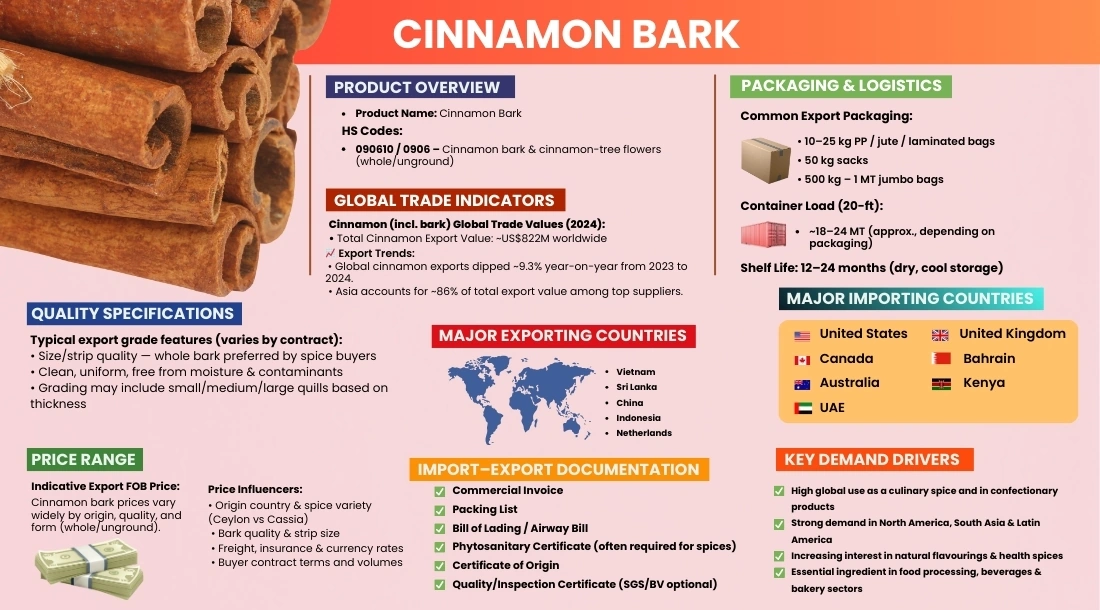
Broken / Split Cassia (Standard) Prices generally range from $2,500 to $3,200 per metric ton. This range sets the entry-level price point. It is the standard cost for grinding and extraction purposes. Buyers must analyze the cinnamon bark wholesale price carefully. To do this, they should look at three specific metrics. First, check the cinnamon bark export price, which is the FOB origin cost. Second, review the cinnamon bark import price per kg, also known as the landed cost. Finally, consider the cinnamon bark price per ton for container-load volumes.
Cigarette / Tube (Premium) This variety typically costs between $5,200 and $6,000+ per MT. The export price is significantly higher for this grade. This increase is due to the intense labor requirement. Workers must hand-roll the quills. They must also select them individually.
Market Volatility is directly linked to Fuel Costs, primarily for transport. It is also tied closely to Labor Wages. Unlike annual crops, these trees operate differently. They can simply be left unharvested if prices drop too low. This capability creates an artificial floor for the market. Therefore, buyers must track labor wage adjustments. They must also watch for harvest deferments in Vietnam. This monitoring is crucial for accurately calculating the final landed import cassia price.
HSN / HS CODE & TAX CLASSIFICATION
HS Code (Global): 0906.19 (Cinnamon and cinnamon-tree flowers; Other than Cinnamomum zeylanicum).
Note: 0906.11 refers strictly to "True Cinnamon" (Ceylon). Cassia falls under "Other" (0906.19).
Indian HSN Code:
0906 19 10: Cassia (Chinese/Vietnamese) - Whole.
0906 19 90: Cassia - Broken/Powder.
Note: Cinnamon bark HS code 09061110 refers strictly to "True Cinnamon" (Ceylon/Sri Lanka origin), which is handled by specialized Ceylon cinnamon bark exporters, whereas Cassia falls under "Other" (0906.19).
BUYER EXPECTATIONS & TRADE REQUIREMENTS
Volatile Oil (Potency): The #1 Requirement for Extractors. Buyers expect a specific lab result (e.g., Min 2.5% VO). For a cassia bark bulk purchase, the oil content is the primary value driver, whereas the cinnamon bark powder bulk price is often determined by mesh size and color rather than oil content alone.
Moisture (Safety): Max 13.5% is the standard cut-off to prevent mold claims.
Visual Appearance: For retail sticks, the product must be "Clean Scraped" (no rough grey outer skin). Buyers expect a rich, reddish-brown color.
Chemical Safety: Sulfur Dioxide (SO2) limits (used for fumigation/bleaching) must be checked. Aflatoxin limits apply.
LOGISTICS, PACKAGING & TRADE TERMS: Cassia Bark
Packaging Standards: Cassia is inherently robust. However, it is also quite bulky. Therefore, packaging strategies must adapt to the specific grade being shipped.
Pressed Bales: This method is primarily used for Broken or Split grades. The goal here is to maximize the weight loaded into the container. Exporters typically use 25kg or 50kg cartons. Alternatively, they may utilize tightly wrapped bales to achieve this density.
Cartons: This packaging is reserved for Cigarette or Tube grades. These delicate forms require protection to prevent crushing. Consequently, they are packed carefully into 10kg or 20kg carton boxes.
Storage & Shelf Life: Cassia is a remarkably hardy spice. Nevertheless, it must be kept in specific conditions. A cool, dry storage environment is essential. The volatile oils will remain stable, provided the bark remains whole. Under these conditions, the typical shelf life spans 3 to 4 years.
Incoterms & Documentation: Transactions are generally conducted on FOB or CIF terms. Several critical documents are required for clearance. First, a Certificate of Analysis is needed to verify VO content. A Fumigation Certificate is also mandatory. Additionally, a Phytosanitary Certificate must be provided. Finally, a Certificate of Origin (Form A or Form AI) is necessary for claiming duty benefits. Buyers asking where to buy cinnamon bark wholesale should be aware of volume requirements. They must often adhere to a strict cinnamon bark minimum order quantity. This is typically set at 1 Full Container Load (FCL), which is roughly 10-15 MT. Meeting this volume is usually required to secure direct export rates.
FUTURE OUTLOOK & OPPORTUNITIES
Low-Coumarin Variants There is currently a significant push in R&D. Researchers are actively trying to identify specific Cassia trees. They are also attempting to breed new varieties. The goal is to find trees with naturally lower Coumarin levels. This innovation is crucial. It will allow Cassia to compete better with Ceylon Cinnamon. This is especially important for capturing share in the EU health market.
Traceability Buyers are increasingly demanding transparency. They want a clear "Forest to Fork" trail. This demand is driven by sustainability goals. It ensures that harvesting practices remain responsible. Specifically, it verifies that these practices do not lead to deforestation.
Value-Added Cuts Consider ready-to-use cuts. Examples include the specific "Tea Cut." Another popular option is the "Gin Garnish Cut." These specialized formats are currently seeing higher margins. They are proving significantly more profitable than standard bulk bales.
TRANSPARENCY & DISCLAIMER
Disclaimer: Market data, price indications, and trade regulations may change because of harvest conditions, geopolitical policies, and currency fluctuations. The technical details are for general guidance only; buyers must verify the details (Volatile Oil %, Moisture, Scrape Quality) with suppliers through a Certificate of Analysis (CoA) before making a purchase. No specific trade result can be guaranteed by Tradologie.
True Cinnamon (Ceylon) is tan, has multiple thin layers like a cigar, is brittle, and has a delicate floral flavor with low Coumarin. Cassia is reddish-brown, consists of a single thick layer, is hard/woody, and has a strong, spicy punch with higher Coumarin. Cassia is the baking cinnamon; Ceylon is the dessert/health cinnamon.
Scraping removes the outer corky layer of the bark (epidermis). This layer has no flavor and can add bitterness. Scraped Cassia is sweeter, cleaner, and has a better color.
This is a visual grade where the bark naturally curls or is hand-rolled into a tight, smooth tube. It is selected purely for aesthetics and is used in premium retail jars or beverage applications.
Yes, Cassia is rich in cinnamaldehyde and is widely studied for its ability to lower blood sugar and improve insulin sensitivity, though high consumption should be monitored due to Coumarin.
Vietnam Cassia typically has a higher volatile oil content (high potency) and a sweeter, more intense flavor (Saigon profile), which commands a premium over the milder Indonesian Korintje varieties.
We use cookies to enhance site functionality, improve user experience, analyze website performance, and deliver relevant content in accordance with our Cookie Policy.
We use cookies
Essential Cookies
Essential cookies are strictly necessary for Tradologie.com to operate properly. They enable core functionalities such as security, session management, network stability, and cookie consent preferences. These cookies do not collect personal data and cannot be disabled.
Name
Vendor / Service
Purpose
Expiry
Privacy Policy
ASP.NET_SessionId
Tradologie.com / ASP.NET
Maintains secure user session across pages.
Session
https://privacy.microsoft.com/
__RequestVerificationToken
Tradologie.com
CSRF protection for forms.
Session
https://www.tradologie.com/privacy-policy/
cookie_consent
Tradologie.com
Stores consent preferences so the banner does not reappear.
We use analytics cookies to gather anonymous, aggregated information about how visitors interact with Tradologie.com. This helps us improve the site, measure the success of content and services, and prioritize performance fixes.
Functional cookies allow the website to provide enhanced usability and personalization. They store preferences such as language, region, chat settings, and login details for a smoother browsing experience. Disabling these cookies may limit certain features.
Name
Vendor / Service
Purpose
Expiry
Privacy Policy
user_lang / lang
Tradologie.com
Remembers chosen language.
1 year
https://www.tradologie.com/privacy-policy/
timezone_pref
Tradologie.com
Stores timezone preference for display.
6 months
https://www.tradologie.com/privacy-policy/
remember_user
Tradologie.com
Keeps logged-in state when chosen.
30 days
https://www.tradologie.com/privacy-policy/
livechat_session
Tawk.to
Maintains chat session state.
Session
https://www.tawk.to/privacy-policy/
Marketing
Marketing cookies are used to deliver advertising that is relevant to you and to measure the effectiveness of our marketing campaigns across platforms such as Google, LinkedIn, Meta and Microsoft. These cookies are set only with your consent.