Tradologie
  • Turmeric

Minimum Order Quantity : 15- 26 MT

Packaging Types : PP, Plastic, Jute, Gunny, Non-Woven (1kg, 2kg, 5kg)

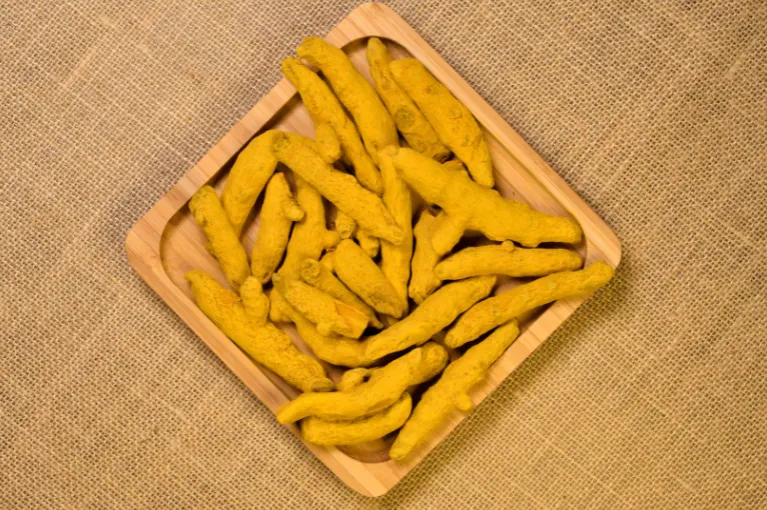
Product Forms : Whole, Powdered, Steam-Sterilized

Shelf Life : 12-24 Months

Origin : India, Vietnam

Certifications : FSSAI, ISO, APEDA (Optional)

Facilitated by Tradologie.com

Offered By : Verified Spice Sellers

veg icon

This is a Vegetarian product.


Turmeric in Global Spice Trade: Market Insights & Export Demand

Turmeric is a highly valued spice known for its culinary versatility, health benefits, and use in traditional and modern food systems worldwide. Major production hubs in India, Southeast Asia, and Africa support strong global demand across the USA, Europe, and MENA markets. With rising interest in wellness, food processing, and natural colorants, turmeric remains a key commodity in international spice trade and bulk procurement networks.

Sourcing Turmeric Powder: Mastering Quality, Compliance, and International Supply Chains

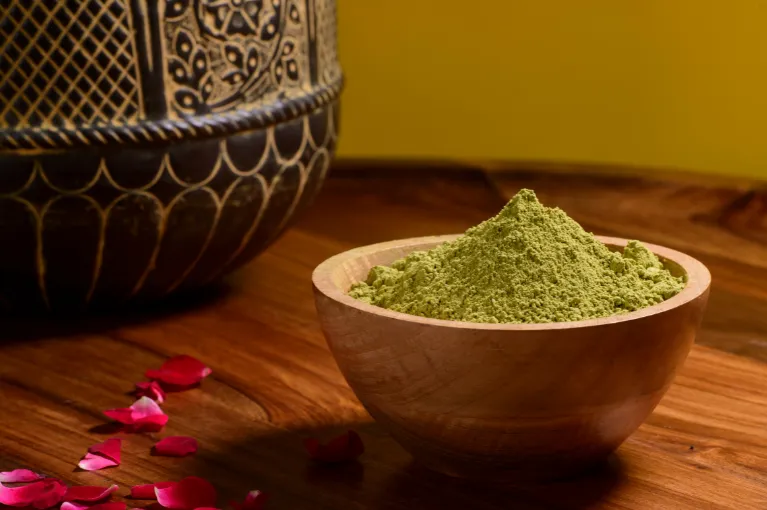
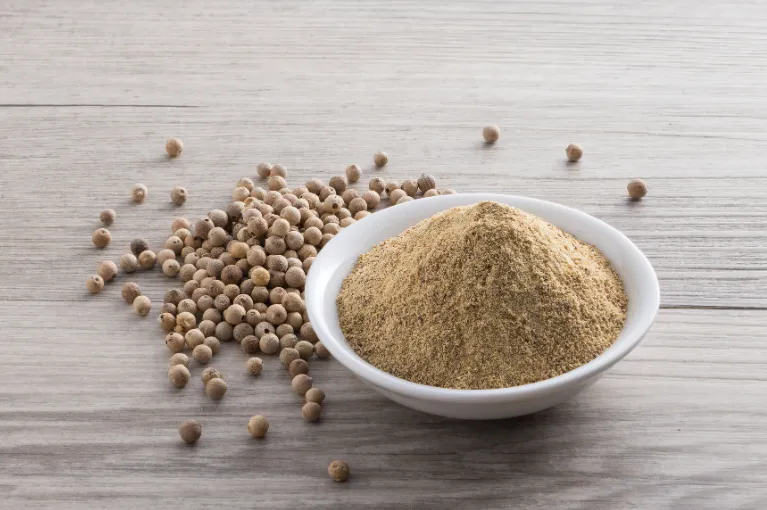
"Turmeric Powder" is a staple B2B trade commodity, produced by milling the dried rhizomes (underground stems) of the Curcuma longa plant into a fine, vibrant yellow meal. The commodity is valued by food manufacturers and pharmaceutical industries for two key characteristics: 'colour' as a result of its bioactive compound (Curcumin) and 'flavour/aroma', which provides an earthy, bitter-pungent kick to cuisines. While it is often found in retail as a generic pantry staple, high-grade 'ground turmeric' for international Turmeric Powder Export is a precision product, selected based on the rhizome's Curcumin percentage and chromophoric strength.
 

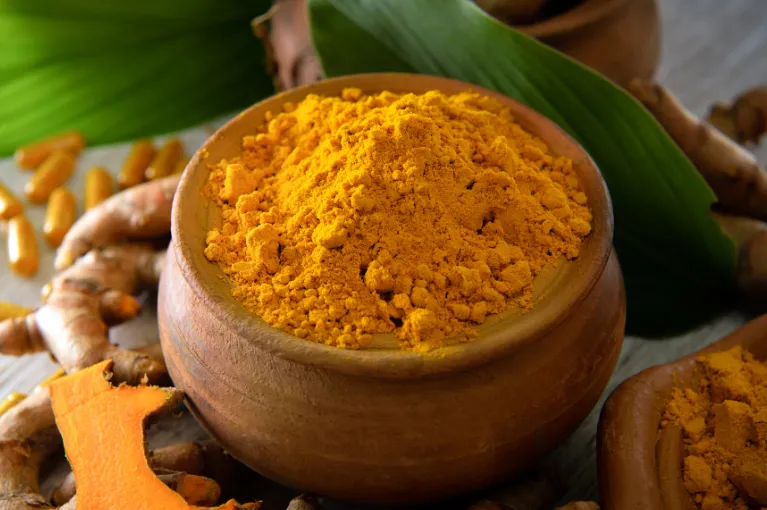
For the global spice trade, this golden powder is the standard-bearer. Apart from adding a brilliant yellow hue that defines curries and mustards, it also works as a preservative and functional ingredient. Pure Turmeric Powder is different from "Curry Powders" or "Masala Blends" because it contains only one ingredient and is often the primary base upon which other spices are layered. The use of this product goes beyond the kitchen because it is actually used as a potent natural dye and a bioactive supplement due to its anti-inflammatory properties. This is especially the case in the nutraceutical and natural food colouring sectors.


PRODUCT SPECIFICATIONS


Parameter Standard / Limit
Purity 100% dried rhizome of Curcuma longa
Moisture Content Max 10%
Total Ash Max 7.0% - 9.0% (dry basis)
Acid Insoluble Ash Max 1.5%
Curcumin Content Min 2.0% (Standard) to >5.0% (Premium/High-Grade)
Starch Max 60%
Lead Chromate STRICTLY ABSENT (Major adulteration risk)
Aflatoxin (Total) EU: < 10 ppb
Salmonella Absent in 25g
Mesh Size 60 - 80 Mesh (Standard Fine) to 100 Mesh (Super Fine)

Critical Note: People who buy turmeric powder in bulk must specify Curcumin Content (e.g., 2%, 3%, or 5%) in the purchase order. Low Curcumin levels often indicate the use of "mother" rhizomes (which have lower pigment) or admixture with neutral fillers, which is a common trade issue.


TYPES, GRADES & VARIANTS


In the turmeric powder B2B trade, the product is segmented by its geographical origin (which dictates hardness and colour) and its Curcumin strength.

  • Alleppey (Premium Export): Famous for its deep orange-yellow colour and high Curcumin content (up to 5% or more). This type is much sought after in the USA and Europe for oleoresin extraction and premium retail packaging.
  • Salem (Commercial Premium): The choice for best-quality Indian cuisine, prized for its bright yellow colour and a slightly sweeter aroma. It's the preferred choice among the retail brands.
  • Nizamabad (Bulb/Standard): A widely traded type, which is usually processed into commercial powders. It is known to have a lower Curcumin level (approximately 2-3%) and is the workhorse variety for mass catering and industrial use.
  • Polished vs. Unpolished: The powder may not differ much, but the raw form of the roots is usually classified as “Polished” (with the skin removed for a cleaner appearance) or “Unpolished” (with the skin intact).

APPLICATIONS & END-USE MAPPING

Food Processing (Industrial)

  • Mustard, Dairy, and Bakery: The yellow colour that turmeric has, makes it an ideal substitute for artificial yellow food colouring and is primarily a natural colouring agent (E100). As a result, it is necessary for the flavouring of popcorn, butter, cheese, and yellow mustard.
  • Sauces and Ready Meals: Turmeric acts as a visual indicator of curry flavour in liquid condiments. It is also used as a colour stabiliser in ready-to-eat gravies and instant noodles to keep the food's desirable colour after processing and heating.

Oleoresin & Nutraceuticals

  • Extraction: Turmeric Oleoresin and Curcumin Isolates are obtained through solvent extraction of high-quality turmeric harvests. These are rich in curcuminoids and are thus highly sought after as functional ingredients in dietary supplements and joint support supplements.
  • Pharma: In the health and wellness space, the strong antioxidant property of the rhizome is highlighted. Dehydrated extracts are packed into capsules for immunity boosting and into traditional Ayurvedic medicines for wound healing and skin care.

Retail & HORECA

  • Culinary (Retail): This spice is marketed as a "Superfood" staple and is found in every Indian and many Western kitchens. It is used as a base for virtually all lentil and vegetable dishes. Marketing kits often include "High Curcumin" as a feature that promises superior health benefits compared to generic powders.
  • Food Service (HORECA): This market demands volume over volatile oil. Catering and hotel chains utilise standard-grade turmeric as a cost-effective visual agent. The focus is strictly on achieving a bright, consistent yellow hue for bulk preparations.


buyer registration


SUPPLY & DEMAND COUNTRIES: Turmeric Powder


Top Export Hubs & Producing Nations

  • Major Export Hubs: The Indian states of Telangana (Nizamabad), Tamil Nadu (Erode/Salem), and Maharashtra (Sangli) are the primary hubs for trade routes.
  • Production Leaders: With nearly 80% of the world's turmeric production, India is without a doubt the dominant force with its turmeric powder exporters in India. While facing up-and-coming competition from Vietnam, Myanmar, and Nigeria having varieties with lower curcumin.

Top Importing Regions

  • North America: The USA is the biggest importer of premium Indian turmeric, mostly for the market for natural colouring and nutraceuticals. They frequently import oleoresin or powder of "Alleppey" grade.
  • Europe: A zero-tolerance territory. Compliance is not optional in this region—it's the minimum standard. Consumers are not satisfied unless all paperwork is in order to confirm that there are no Sudan Dyes or Heavy Metals (Lead) in the product. The bias is towards Organic or Steam-Sterilised consignments, which are preferred to maintain aflatoxin and other contaminants at low levels.
  • Middle East: In the UAE, Saudi Arabia, and Iran, large-volume customers prefer 'Salem' and 'Standard' commercial grades. This market operates on two different levels: substantial domestic consumption in the kitchen and a deliberate re-exporting centre for the entire GCC and North Africa.

GLOBAL MARKET OVERVIEW

  • Current Market Valuation: Estimated ~USD 4.5 - 5.0 Billion (Global Turmeric Market).
  • Forecast: Expected robust growth.
  • CAGR: Projected growth of 5.5% - 6.2%.
  • Market Scope: Covers culinary powder, Curcumin extraction, and textile dyes.

KEY DEMAND DRIVERS

  • Wellness & Immunity Trends: The growing trend of 'Golden Milk' and immunity-boosting supplements is driving the demand for high-Curcumin turmeric.
  • Cosmetic & Skincare Applications: Because of its anti-inflammatory properties, turmeric is becoming more and more important in the skincare industry. The rising demand for natural face masks and creams is expected to have an effect on the market price of premium turmeric powder.
  • Natural Colour Shift: The shift towards natural colourants is bringing about a change in the way ingredients are declared globally. The demand for clean labels is compelling food manufacturers to abandon the use of artificial food dyes like Tartrazine (Yellow 5) and opt for natural alternatives. This has resulted in turmeric and its oleoresins becoming a prominent industrial colour, thereby creating new demand in the dairy and confectionery sectors.

TURMERIC: PRODUCTION, SUPPLY & MARKET RISKS

The Indian market affects the price of turmeric globally, and production centres are located in Nizamabad, Erode, and Sangli.

Supply Chain Dynamics (India)

  • Harvest Time: Early in the year marks the end of turmeric's main agricultural cycle. In particular, there is a window of time during which the crop is harvested. The months of February through April comprise this critical time frame.
  • Peak Market Arrivals: Following the harvest (and the necessary boiling/drying process), the bulk turmeric powder suppliers see a significant influx of dry stock. The highest volume of turmeric officially enters the trading hubs during the subsequent months. This peak period of availability typically begins in April and continues through June.

Market & Quality Risks

  • If turmeric is not stored properly, it is very susceptible to weevil infestation. This implies that the turmeric can be threatened by fumigation and poor storage methods. Poor storage methods can attract the “cigarette beetle,” which can compromise the quality of the powder.
  • Regarding the potential for adulteration, turmeric powder is opaque and brightly coloured. Therefore, it can be vulnerable to dangerous adulteration. Some individuals may choose to add hazardous chemicals to increase visual appeal. These additives may include Lead Chromate (for bright yellow colour) or chalk powder. In other instances, starch from cheaper roots like cassava may be used.

EXPORT & IMPORT TREND ANALYSIS

  • Volume Trend: Consistent upward trajectory. Demand is resilient as it is a basic necessity in Asian cooking and a booming supplement in the West.
  • Value Trend: Increasing significantly for "High Curcumin" grades due to the extraction industry's demand.
  • Key Insight: There is a growing shift towards importing "Sliced" or "Dried" rhizomes for destination grinding to avoid the risk of adulteration common in pre-ground powders from unverified sources.

PRICE & BULK COST INDICATORS

  • Standard Grades (Bulb/2-3% Curcumin): Generally range between $1,000 to $1,400 per metric ton. This is the high-volume lane for curry powder manufacturers and generic retail.
  • Premium & High-Curcumin Grades (5%+): Speciality varieties like Alleppey Finger or high-grade Salem powder trade at a premium, ranging from $1,600 - $2,300 per MT.
  • Organic & Steam Sterilised: Certified Organic batches (guaranteed no pesticide residue) command a 30% - 50% markup over base rates due to the lower yield and certification costs.
  • Market Volatility:Note: Figures are indicative for Q4 2024. Pricing is highly sensitive to the Indian monsoon rains during the planting season (July-August).

HSN / HS CODE & TAX CLASSIFICATION

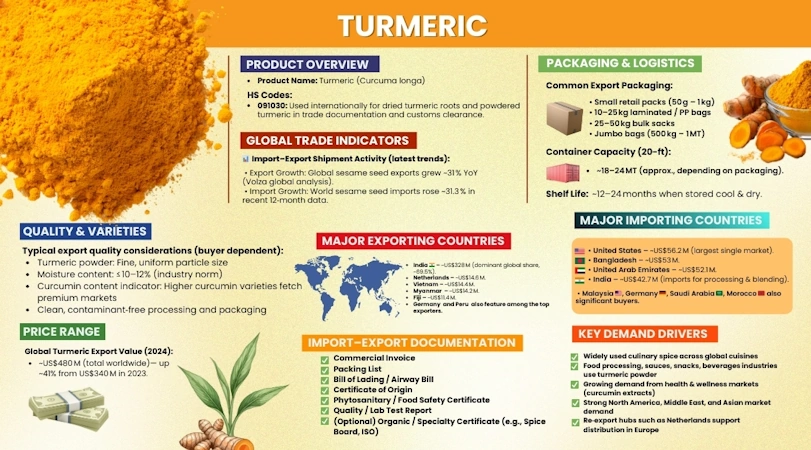
  • HS Code (Global): 0910.30 (Turmeric (Curcuma)).
  • Indian HSN Code:
    • 0910 30 20: Turmeric, Dried (Rhizome).
    • 0910 30 30: Turmeric, Powder.
  • Taxation: Subject to GST (in India, usually 5%) and Import Duties. Important for Landed Cost (CIF) calculations.

BUYER EXPECTATIONS & TRADE REQUIREMENTS

  • Curcumin Content is the most important quality indicator. The buyer will not accept powder that claims to be "Premium" but tests below 3% Curcumin.
  • Heavy Metal Analysis is non-negotiable for US and EU trade. There should be strictly no traces of Lead Chromate, and Arsenic levels must be within safe limits.
  • Filth and ash are strictly regulated. There are strict specifications against acid-insoluble ash (to avoid contamination with sand or soil from the rhizome harvesting process).

LOGISTICS, PACKAGING & TRADE TERMS

  • Packaging requirements
    Turmeric powder is extremely staining and sensitive to light (photodegradation of Curcumin). We advise packing large shipments (25 kg) in high-gauge HDPE bags with inner liners to prevent leakage and staining of other cargo. Retail packaging must be UV-protected to maintain the bright yellow colour.
  • Storage and shelf life
    Keep your stock out of direct sunlight and in cool, dry storage facilities. If you purchase turmeric powder in bulk, it can be kept for about 18 to 24 months under ideal storage conditions, though the amount of curcumin may gradually decrease.
  • Incoterms
    FOB is the standard term for established trade relationships, while CIF is preferred by new trade partners.

REGULATORY COMPLIANCE & CERTIFICATIONS

Mandatory Compliance (Indian Market):

  • FSSAI (Food Safety and Standards Authority of India)
  • Spices Board of India (Registration Cum Membership Certificate - RCMC)
  • Agmark (Grading standards)

Specific Requirements for EU Market Access:

  • Strict adherence to limits on Sudan Dyes (often used as illegal adulterants).
  • Pesticides and heavy metals must be below detectable limits to comply with EU standards.
  • Agmark (Grading standards)

Certifications for Premium/Specific Markets (UK & Middle East):

  • BRC (British Retail Consortium) certification is increasingly essential for major retailers in the UK.
  • Halal and Kosher certifications are often mandatory requirements for food processors and buyers in the Middle East and the US, respectively.

FUTURE OUTLOOK & OPPORTUNITIES

  • Nano-Curcumin: The adoption of nanotechnology to increase the bioavailability of Curcumin is creating a "Super-Premium" pharma grade that commands prices 10x higher than culinary powder.
  • Traceability: Manufacturers are moving towards "Farm-to-Fork" tracking—using blockchain to prove the specific region (e.g., Lakadong) of the harvest, maximising crop value for geographically indicated (GI) varieties.
  • Sustainable Sourcing: The push for "Lead-Free" certification is becoming a major competitive advantage to combat the stigma of adulteration associated with generic market powders.

TRANSPARENCY & DISCLAIMER

Quick heads-up: market data, price indicators, and trading rules may change depending on harvest trends, foreign policy shifts, and exchange rate movements. The specifics mentioned in this section are general and not specific to any entity. If you are a prospective buyer, it is always a good idea to check the actual figures for Curcumin Content, Ash, and Heavy Metal Limits with the seller through a Certificate of Analysis (CoA) prior to purchase. There is no specific trading result that is guaranteed.

Get in Touch

Frequently Asked Questions

The universal HS Code is 0910.30. The Indian export code for powder specifically is 0910 30 30.

Dark orange powder (like Alleppey) usually has higher Curcumin content (5%+) and is rich in essential oils. Bright yellow powder (like Salem) has moderate Curcumin and is preferred for its visual appeal in cooking.

Pure Turmeric Powder does not. However, unethical traders may add Lead Chromate to enhance colour. Always request a Heavy Metal Analysis report with your shipment.

Turmeric is the whole root/powder; Curcumin is the isolated chemical compound within turmeric that gives it the yellow colour and health benefits. Turmeric powder typically contains 2-5% Curcumin.

Quality is defined by Curcumin content (%), Chromatic strength, lack of heavy metals (Lead), and microbial load.

The minimum order quantity for trading turmeric is 15-26 metric tons, which is suitable for bulk procurement by importers and wholesale buyers.

Turmeric is available in PP, plastic, jute, gunny, and non-woven bags, with custom sizing options like 1kg, 2kg, and 5kg.

Yes, through our platform, we offer trade of whole fingers, powdered, and steam-sterilized turmeric, depending on buyer requirements and destination regulations.

Turmeric exporters from India primarily source turmeric from top Indian turmeric manufacturers and cultivators, and find turmeric importers from top turmeric importing countries such as USA, Germany, UK etc. Apart from India, Myanmar is also one of the top turmeric exporters, although ranks a distant second, with only 5-6% market share.

Our turmeric can be supplied with FSSAI, ISO, and APEDA certifications, and organic certification upon request.

Depending on the form and storage conditions, turmeric offers a shelf life of 12 to 24 months, ensuring long-term usability in trade and processing.

Tamil Nadu is known for Erode and Salem turmeric varieties. Many FSSAI and APEDA-certified exporters in the region offer bulk shipments with customizable packaging and curcumin grades.
 

Yes, Andhra Pradesh hosts a growing network of turmeric exporters, especially around Kadapa and Nizamabad belt, offering both conventional and organic turmeric for global trade.

Absolutely. Chennai serves as a major export hub, with several turmeric exporters operating through the port, offering end-to-end logistics support and international certifications.

Delhi’s wholesale spice markets connect directly with turmeric producers across India. Verified suppliers here offer quick delivery and multi-format packaging for domestic and export-ready buyers.

Yes, Andhra Pradesh has many turmeric suppliers dealing in both whole and ground forms, often supplying to national distributors and spice processing units.

Maharashtra, especially regions like Sangli and Nagpur, is home to reputed turmeric suppliers who provide bulk quantities with competitive rates and quality certifications.

Buyers usually expect 8%–12% moisture, depending on the destination market requirements.

Most international buyers prefer fingers as they fetch higher prices and are easier to process for medicinal or food applications.

Yes. Buyers generally require machine-cleaned or double-cleaned turmeric to remove dust, dirt, and other impurities.

Yes. Most importing countries require fumigation or heat treatment to meet international compliance standards.

Generally, buyers prefer uniform grade and size. Mixed grades are only acceptable if explicitly requested.

Register as a supplier

List turmeric varieties and specify grade, curcumin %, and moisture

Connect with verified turmeric importers

Participate in live negotiation

Ensure mandatory third-party inspection before shipment

Provide all export documents digitally via the platform

USA, Germany, UK, Netherlands, UAE, and Japan are major turmeric-importing countries.

Need more help?