Source impeccably curated, high-quality almonds, cashews, raisins,
and more from reliable exporters
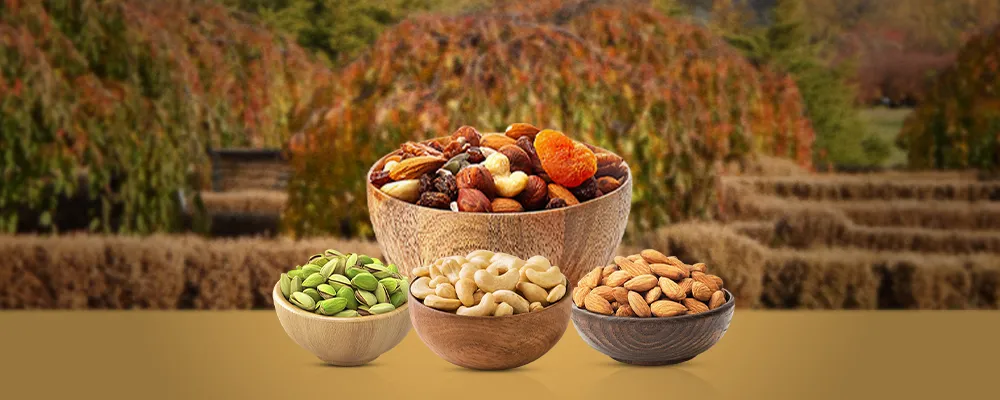
When exploring the core dry fruits definition, a wide variety of dehydrated, nutrient-dense crops make up dry fruits, often collectively referred to as edible nuts and dried fruits. They are naturally concentrated in energy. Around the world, farmers grow and process them to make premium snacks and culinary ingredients. These commodities have historically been a staple diet in arid and Mediterranean areas.
They now play a much larger role. They are being used more and more in contemporary global trade networks. This change aids in addressing important problems like long-term food storage and global nutritional security. Additionally, it satisfies the growing demand from consumers for natural, plant-based products. These nuts and dried fruits have historically been a staple diet in arid areas. They are also essential to the commercial baking industry and producers of luxury confectionery. A thorough description of these commodities is given in this guide. Their commercial varieties and agronomic definition are covered. It also describes the dynamics of bulk trade and global production metrics.
For those asking what dry fruits are, agronomy classifies the dry fruit category as encompassing both hard-shelled tree nuts and dehydrated fleshy fruits (with dry fruits in hindi translating to terms like Mewa). Their extremely low moisture content defines them as a fruit that is dried, giving them a unique identity. They are very effective at resisting microbial spoilage because of this special physical feature. They therefore flourish in supply chains with long transit times and fluctuating temperatures.
Technically speaking, the harvested dry fruit consists of seeds, kernels, or sun-dried fruit flesh. In most cases, these raw commodities need particular post-harvest processing. In order to remove the inedible outer shell or extract excess water, this processing entails mechanical shelling, standard thermal dehydration, or advanced sublimation for suppliers addressing the consumer query of how do you freeze dry fruits for premium retail. They are only prepared for commercial packaging or human consumption following this important step.

Dry fruits are classified as high-value, resilient commodities by the agricultural industry. They are very valuable commercially. Their concentrated caloric density makes them highly valued by buyers. They also have the amazing capacity to retain essential nutrients over extended periods. Almost always, fresh perishable fruits fail in these same extended storage conditions.
To put it simply, dry fruits are high-value, extremely resilient agricultural goods. Extended, controlled storage climates are ideal for their preservation. Fresh produce frequently has a difficult time surviving in these same conditions. Water-rich fruits usually need enormous amounts of continuous refrigeration. They also require logistics operators to transport them constantly and carefully. In contrast to those highly perishable crops, dry fruits are real "long-haul commodities".
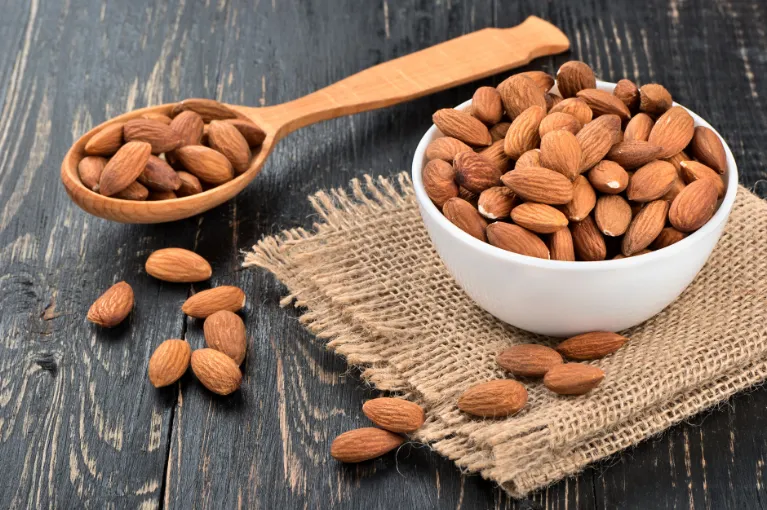
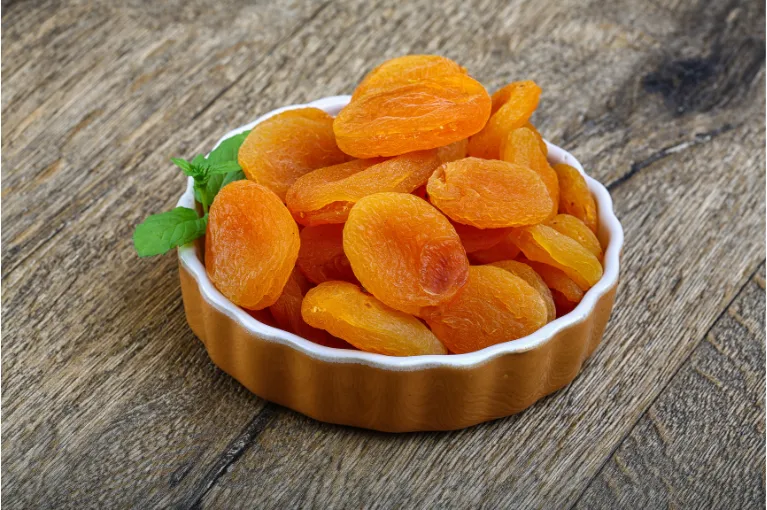
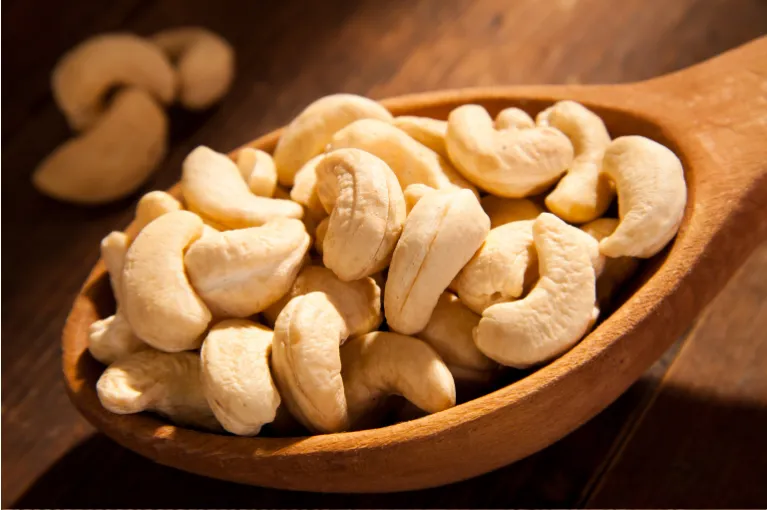
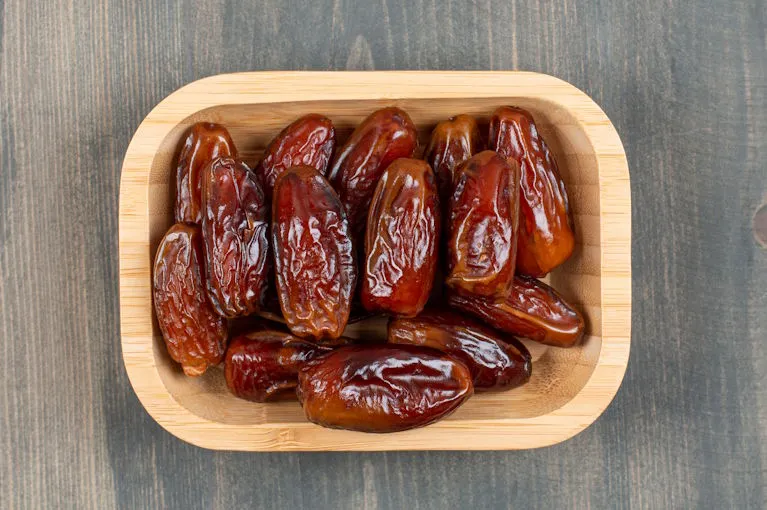
For marketing purposes, people frequently use general terms like superfoods and brain foods. This broad term often includes items such as roasted seeds or exotic berries. But "dry fruit" is a far more precise commercial category that refers to specific tree nuts and dehydrated dry fruits. Ultimately, the industrial process to make a dry fruit dry relies on precision thermal dehydration, separating the pure nut or dry fruit from excess water. Popular types of this particular commercial category include almonds, cashews, and dates.
Understanding the commercial positioning of dry fruits requires a direct comparison with dominant perishable staples like apples and citrus.
| Feature | Dry Fruits | Fresh Fruits |
| Water Content | Very low (under 20% post-processing) | Extremely high (often exceeding 85%) |
| Storage Resilience | Extremely high; highly stable at ambient temperatures | Vulnerable to rapid spoilage without cold chains |
| Processing | Dehydration or shelling required; varied sorting protocols | Minimal processing; immediate commercial packaging |
| Market Dominance | Premium, but rapidly growing (health & gifting sectors) | Global staples; heavily volume-driven and highly perishable |
| Trade Preference | Valued for nutrient density and long-haul ocean freight | Traded for immediate regional retail and local sustenance |
Think about the viewpoint of bulk buyers. Consider the requirements for agricultural aggregators' operations. The true value of dry fruits is complex for these important industry participants. It mostly consists of clear functional advantages. The commodity also has significant logistical benefits.
The commercial application of dry fruits is heavily segmented, with the final end-use strictly dictated by the baseline commodity quality and specific processing grade.
1. Premium-Grade Dry Fruits (Direct Human Consumption)
The final end-use of dry fruits is strictly determined by the processing grade and baseline kernel quality, making their commercial application highly segmented. Only high-quality, visually perfect goods are diverted for direct human consumption and undergo a thorough grading procedure prior to being offered for sale.
These dried fruits and nuts are processed by manufacturers into retail-ready goods, such as vacuum-sealed dry fruit snacks, unsweetened dried fruit mixes, festive gifting boxes, and roasted assortments ideal for snacking on dried fruit. As a result, this market segment primarily serves health-conscious consumers—who frequently search online with the common search phrase, 'is freeze dried fruit healthy compared to standard snacks'—as well as home cooks actively looking for new recipes, such as rich festive sweets and savoury garnishes.
2. Lower-Grade Dry Fruits (Commercial Baking & Cereals)
Conversely, the market treats lower-grade, broken, or slightly blemished kernels distinctly differently, prioritizing massive, bulk-volume industrial processing. These fragmented pieces are an inexpensive, high-energy component that is mostly used in the food manufacturing industry to formulate granola bars, commercial bakery goods, and breakfast cereals. These broken dry fruits are a major source of income for secondary commodity volumes since they totally control the extremely profitable processed food ingredient market in addition to conventional bakery supply chains.
Interestingly, the flavor profiles of these commercial commodities are so universally appealing that they even inspire mass-market beverage trends, such as the Canada Dry fruit splash.
3. Industrial Applications (Oils & Extracts)
Industrial extraction represents another distinct commercial avenue, where certain specific nut varieties hold incredibly high value, particularly for large-scale oil pressing. Almonds and walnuts, which are frequently traded as raw kernels in international trade contexts, are the primary varieties used here. This large-scale extraction process directly benefits the cosmetics and wellness industry by providing an essential raw material for the production of various premium essential oils, skincare serums, and natural flavour extracts worldwide.
4. Bulk Handling & Transit Management
Regardless of the intended commercial application, proper bulk handling is a non-negotiable requirement across all varieties to ensure safe transit. Operators must enforce incredibly stringent transit management, specifically keeping internal shipping container moisture strictly regulated. Maintaining this exact threshold is vital to prevent dangerous fungal growth, completely mitigating the risk of aflatoxin contamination during long-haul transit and preserving the cargo's premium commercial viability.
When evaluating the various types of dry fruits, the commercial market is absolutely not monolithic. Instead, it is highly fragmented. It comprises several distinct, agriculturally diverse commodities. Consequently, each specific variety holds a unique, quantifiable trade value in the global supply chain.
In the realm of international dry fruit wholesale and bulk trade, strict classification systems apply for those looking to buy dry fruits in bulk:
1. Geographic Cultivation Zones
The cultivation of dry fruits is highly geographically specific. It is predominantly concentrated within Mediterranean climates and specific arid zones. These vast agricultural zones span extensively across North America, the Middle East, and parts of Asia. A few key geographic production zones currently control the majority of the global supply chain. California's vast Central Valley is one of the primary contributors for almonds and walnuts. Additionally, the Middle East and India's specialized agricultural belts, which are the main source of dates and cashews, are essential to production worldwide.
2. Agronomic Profile & Orchard Management
Agronomically speaking, the entire production cycle is highly intensive. It requires complex, long-term orchard management systems. Instead of seasonal planting, nut-bearing trees take several years to reach commercial maturity. Therefore, installing and maintaining expensive, highly efficient irrigation systems is almost always necessary for sustained, high-yield cultivation.
3. Harvest Timing & Post-Harvest Handling
The quality of the final kernel is not left up to chance. Accurate harvest timing has a direct and significant impact on the fruit's integrity. Additionally, preventing immediate spoilage requires careful post-harvest handling. Specifically, raw nuts must be rapidly dried or hulled to prevent moisture-induced degradation before they reach the processing facility.
4. Industrial Processing & Manufacturing Standards
The primary manufacturing inputs require specialized industrial processing. The first crucial step typically involves high-capacity, automated shelling or pitting. Next comes rigorous, mechanical sorting designed to completely remove shell fragments and debris. Finally, the kernels pass through highly sophisticated grading systems. Processing facilities utilize advanced size calibrators to ensure strict uniform sorting. They also employ high-tech, optical color sorters to guarantee visual perfection. These stringent manufacturing steps collectively prepare the raw commodity.
Tight regulations govern the international Dry Fruits export and Dry Fruits import sectors, dictating the global Dry Fruits trade. These cross-border movements are subject to strict phytosanitary compliance. Suppliers must also continuously meet rigorous biochemical safety requirements.
Export Suitability
Dry fruits are ideal for the international export market. Their inherent low perishability and high monetary value are the main causes of this. But this benefit depends on one important element. To avoid spoiling, exporters must carefully maintain strict climate control and ventilation during long transit periods.
Major Exporting Countries
Major Importing Regions
Trade Factors
Strict quality controls are heavily utilized in dry fruit processing. For exportation to be successful, extensive compliance checks are imperative. Suppliers are required to strictly adhere to maximum residue limits (MRLs) for pesticides. Furthermore, the majority of tree nuts entering Western markets are legally required to undergo an extremely stringent aflatoxin test. Contract pricing is significantly impacted by physical purity and kernel size in addition to biochemical safety.
Before completing transactions, Dry Fruits Buyers looking to Buy Bulk Dry Fruits carefully consider count size, crunchiness, and overall color uniformity. Reputable Dry Fruits sellers know that the global price of dried fruit—and the wholesale price of dry fruit—fluctuates heavily based on these exact physical purity metrics. Another important aspect of pricing is the percentage of broken or scratched kernels. In international contracts, this damage level is usually strictly limited to protect retail margins.

| Market Aspect | Indian Market (Domestic Focus) | Global Market (International Focus) |
| Primary Demand Drivers | Deeply rooted in traditional festive demand, cultural celebrations, and seasonal gifting. | Driven by health/wellness trends, plant-based diets, and consumers asking, "Are dried fruits healthy?" |
| Consumption Habits | Extensively used to meet premium hospitality requirements for households, with a rising shift toward urban daily snacking. | High-volume daily snacking, fueled by the dairy-alternative and protein-forward food movements (especially in Western markets). |
| Supply Chain & Logistics | Undergoing a transformation that is actively boosting the domestic sourcing of premium nuts and dehydrated fruits. | Focus on aggressive distribution networks and advanced cold-chain warehousing to ensure year-round supply security. |
| FMCG Integration | Consistent demand for premium whole nuts for festive gifting, alongside a growing domestic health food segment. | Massive surge in value-added product formulations, such as trail mixes and fortified snack bars. |
| Strategic Evolution & Financials | Expanding rapidly alongside global health trends. Projected to grow from $2.24 Billion (2025) to $3.93 Billion (2034) at a 6.45% CAGR. | Expanding rapidly from a seasonal luxury to a daily dietary essential. Projected to grow from $7.24 Billion (2025) to $11.77 Billion (2034) at a 5.70% CAGR. |
Data source: IMARC Group, India Dried Fruits and Nuts Market Overview (2025-2034).
Dry fruits are a distinct, premium category of dehydrated agricultural goods and tree nuts. These are a powerful and profitable crop. Also, they are naturally shelf-stable. So, they are very important for the nutrition of people all over the world. They also significantly anchor the international high-value agricultural trade sector. Several key processing traits define these unique commodities. They possess exceptional, concentrated nutritional density. Cultivation and processing demand rigorous precision and high-tech sorting.
They have highly adaptable end-use applications in the marketplace. For example, they are widely used in high-end health-food snacks and dairy substitutes. At the same time, they are a fundamental component of commercial bakery recipes. These products also provide bulk handlers with significant financial and logistical benefits. Their exceptional value-to-weight ratio and extended, extremely stable shelf life are two of their main advantages.
Global agricultural supply chains are currently growing quickly. With a rising demographic of retail buyers constantly asking, 'Are freeze-dried fruits healthy?', plant-based nutrition and clean-label snacking are cementing the commodity's commercial standing. The commercial standing of dry fruits is well-established during this significant shift. They are acknowledged as a valuable and incredibly dependable commodity on a global scale. In the end, they are well-positioned to control contemporary import and export markets that are focused on health.
While both are agricultural products, dry fruits have significantly lower moisture content, making them far less perishable, highly resistant to transit spoilage, and capable of being traded via standard ocean freight without the extreme dependency on continuous cold chains required by fresh produce.
Yes, most exporters provide paid samples or adjust sample charges in the final PI. This helps buyers evaluate quality of dry fruits, size calibration, and uniformity before confirming a large shipment.
Yes. For bulk dry fruits import, suppliers issue:
FSSAI, Phytosanitary Certificate, Certificate of Origin, Fumigation Certificate, Packing List, Commercial Invoice, and SGS/Intertek inspection reports as required by international buyers.
Absolutely. Dry fruits wholesale prices depend on grade, size, origin, moisture, aflatoxin level, and global market demand.
Buyers can negotiate more effectively when purchasing container-load dry fruits or long-term supply contracts.
Standard packing includes 10 kg, 12.5 kg, 25 kg, and 50 kg cartons, vacuum packs, and nitrogen-flushed pouches.
These options are ideal for bulk dry fruit exporters, supermarkets, and food manufacturers.
Common terms include TT Advance, LC at Sight, and Partial Advance + Balance on BL.
These secure the international trade of bulk almonds, cashews, pistachios, and other nuts.
Yes. Many suppliers offer private labeling with brand printing, barcodes, and retail-ready pouches-ideal for dry fruits brands, wholesalers, and e-commerce sellers.
Domestic: 3–7 days
Exports: 15–25 days depending on destination.
Fast-moving products such as bulk cashews, almonds, and raisins may ship quicker due to consistent demand.
Yes. Buyers can request SGS, Intertek, or Q&Q checks to verify moisture, aflatoxin levels, purity, and grading before export.
Yes. Due to their low innate moisture content and specialized vacuum or climate-controlled packaging, properly processed dry fruits are highly resilient to spoilage during long-term transit, making them excellent, high-value commodities for bulk international shipping.
Exporters must ensure strict adherence to sizing metrics (counts per pound/kilo), an absence of pest damage, strict limits on broken kernels or shell fragments, and crucially, passing results for stringent aflatoxin testing to meet destination country phytosanitary standards.
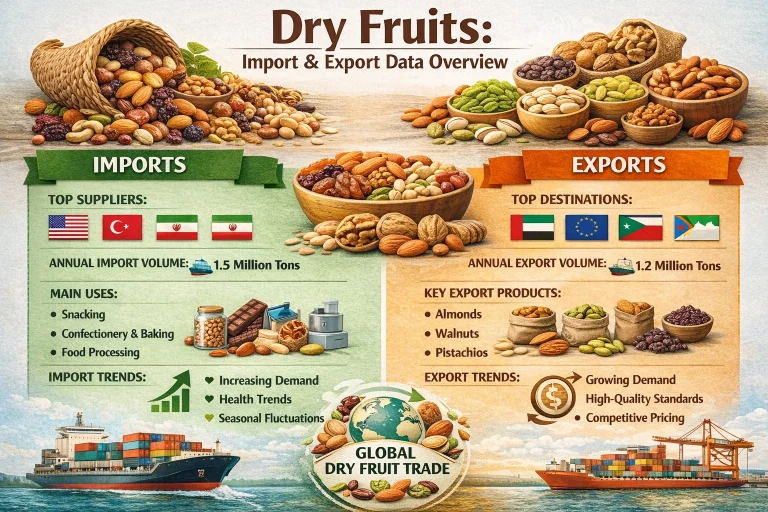
Imported dry fruits are primarily utilized in three sectors: direct premium retail (snack packs, festive gifting), the commercial bakery and confectionery industry (chocolates, cereal bars), and the industrial extraction market (premium nut oils and flavourings).
In agricultural trade, dry fruits refer to a high-value category encompassing naturally hard-shelled tree nuts (like almonds and walnuts) and artificially or sun-dehydrated fruits (like raisins and dates), typically traded under specific HS codes representing edible nuts and fruits.
You must procure a minimum of 26 metric tons.
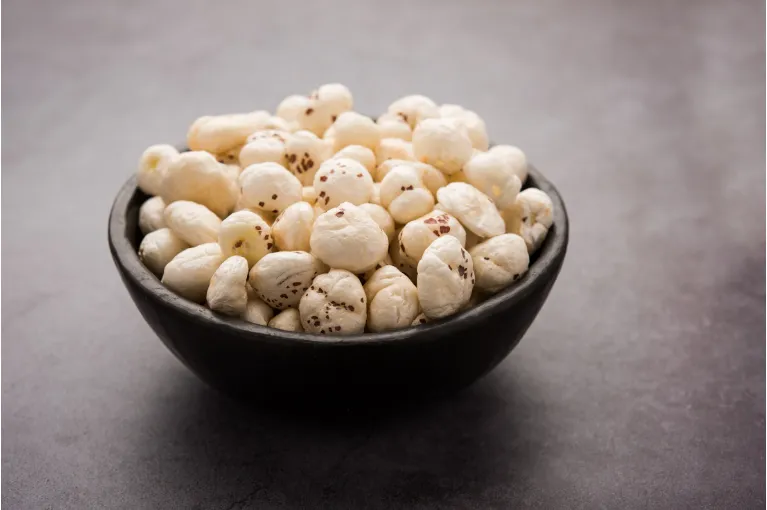
Yes, Tradologie connects you with verified and registered makhana exporters to fulfill your requirements.
Yes, you can procure dry fruit in both raw and processed (roasted, flavored, etc.) forms as per your specifications.
You can negotiate price terms on the state-of-the-art digital dashboard. Payments are facilitated via trusted banking channels such as Letter of Credit and TT. Logistics are to be managed independently as per CHA.
Yes, suppliers must have appropriate certifications for international trade
Suppliers must maintain compliance documentation for dry fruit exports including:
FSSAI License, GST, IEC Code, Aflatoxin test reports, Moisture reports, Phytosanitary & Fumigation Certificates-important for exporting cashews, exporting almonds, and bulk nuts trading.
Use moisture-proof, air-tight packaging such as vacuum pouches, poly-lined bags, tins, and corrugated cartons.
Good packaging ensures longer shelf life for premium dry fruits exporters and international buyers.
Grades should be based on size, color, aflatoxin levels, moisture %, broken %, and purity. Defining these helps position yourself as a reliable dry fruits supplier in the global market.
Prices change depending on origin, harvest quality, global demand, import duty changes, and processing level (raw, roasted, salted). Currency movements also impact wholesale dry fruit prices.
Yes, Suppliers can ship mixed dry fruits such as Cashews + Almonds + Pistachios, ideal for buyers who want diversified bulk nuts imports.
Low moisture, aflatoxin within limits, uniform grading, proper fumigation, and clean food-grade containers. Meeting these enhances your reputation as a trusted dry fruits exporter.
Sample policy varies. Some offer paid samples while others adjust charges upon order confirmation.
Providing quality samples can help secure bulk dry fruit export orders.