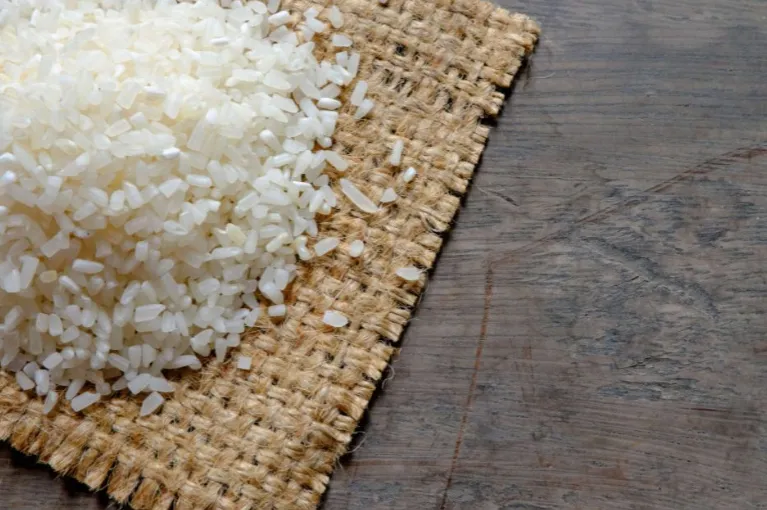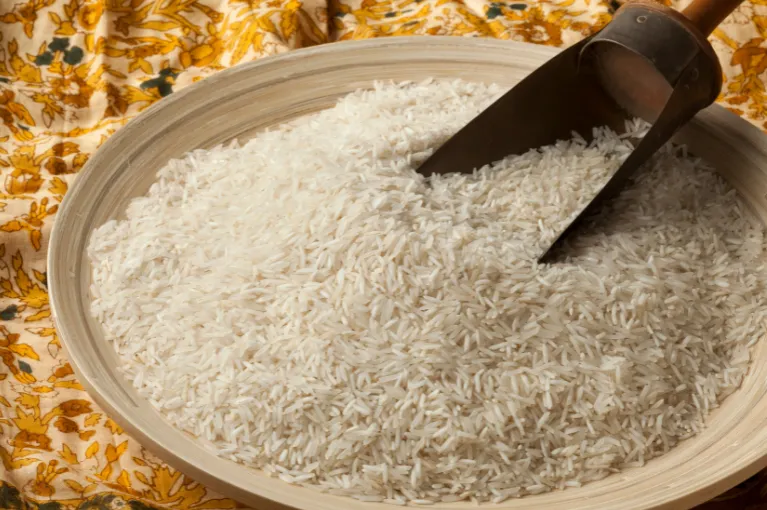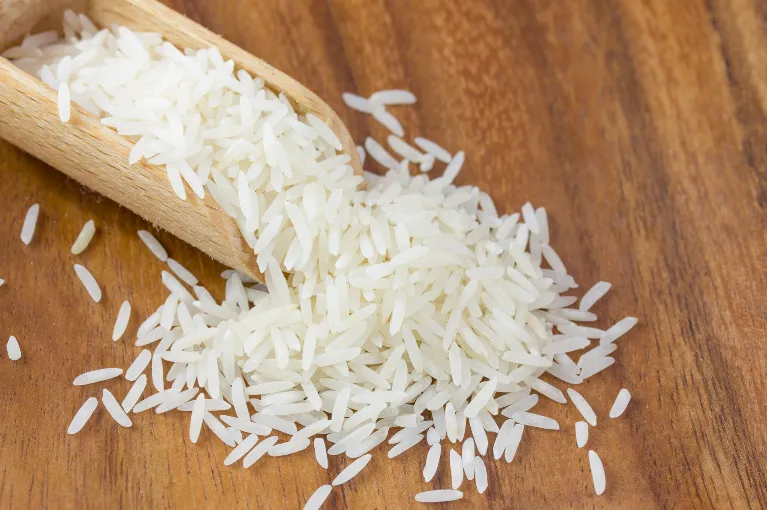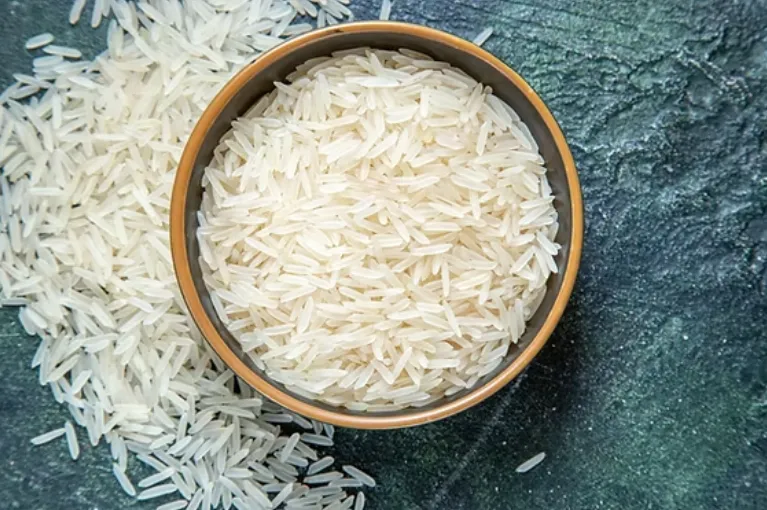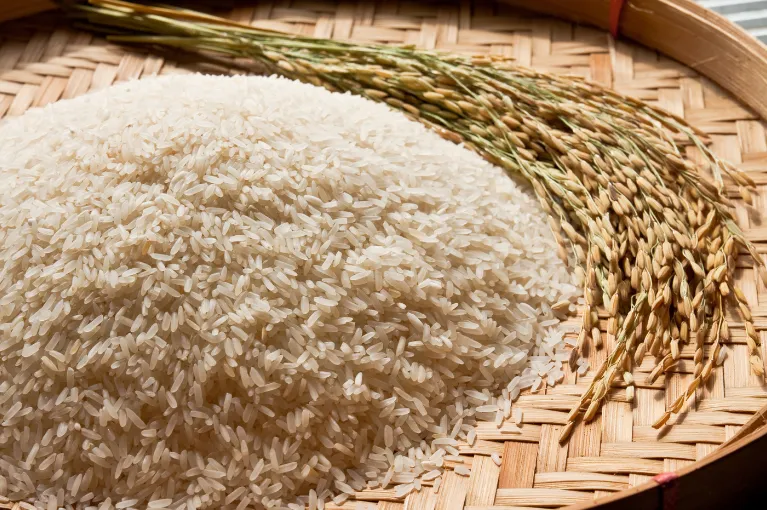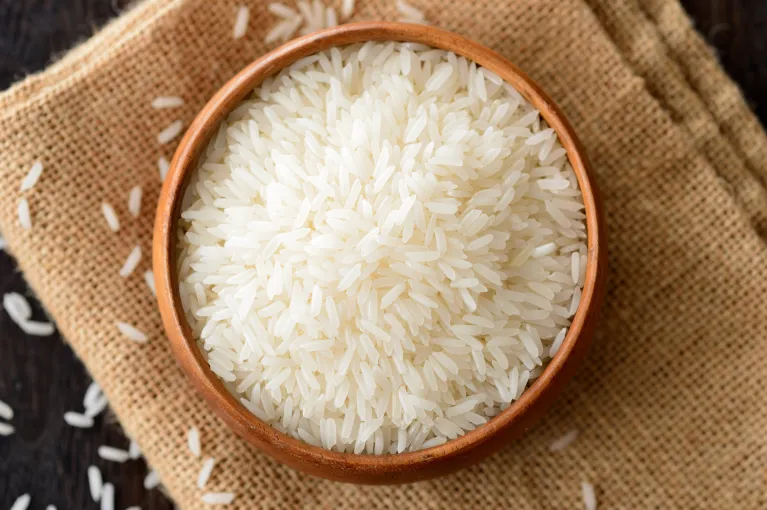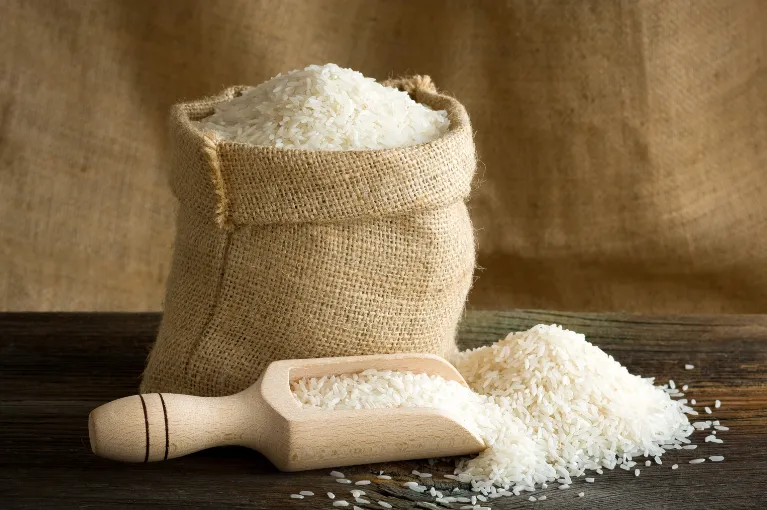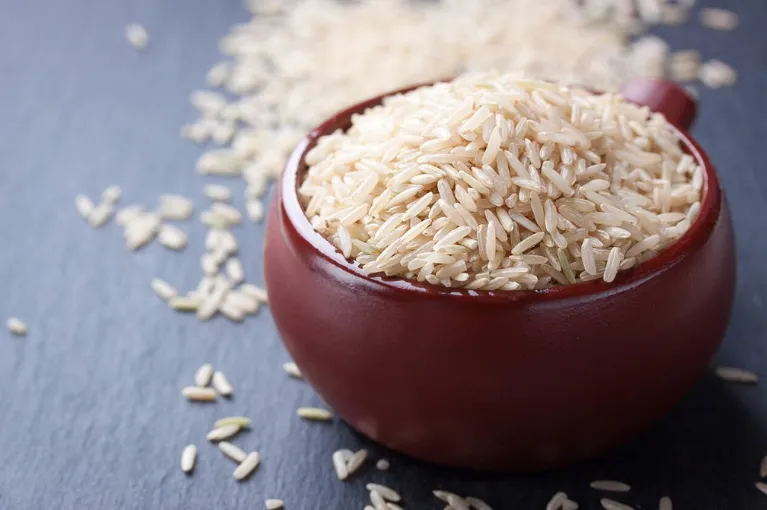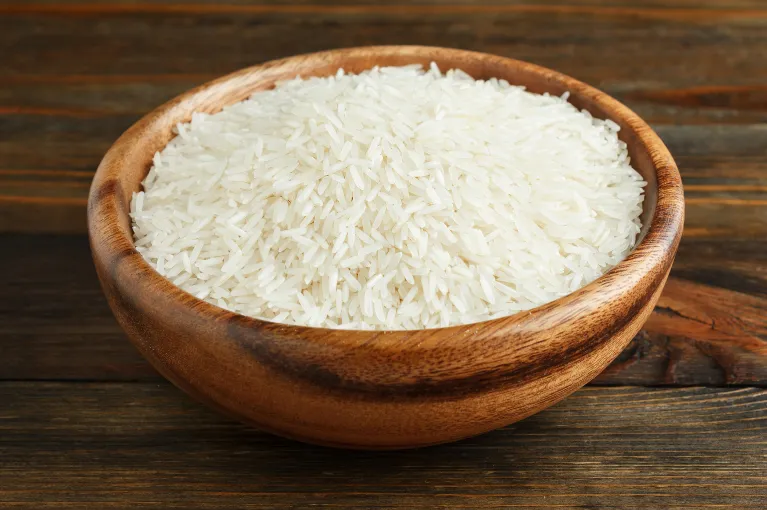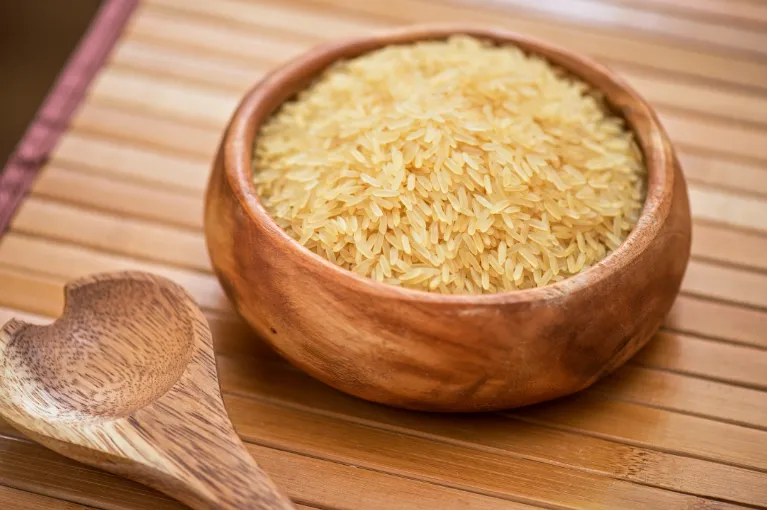
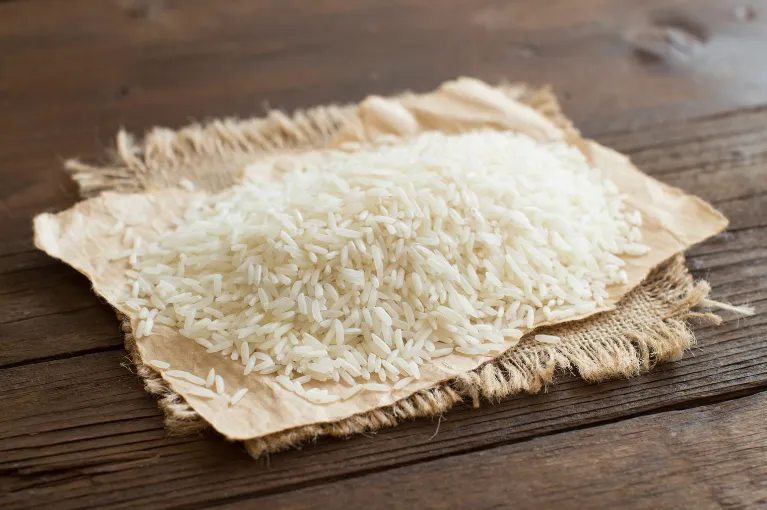
C-9 Pakistani Rice
Minimum Order Quantity : 26 MT
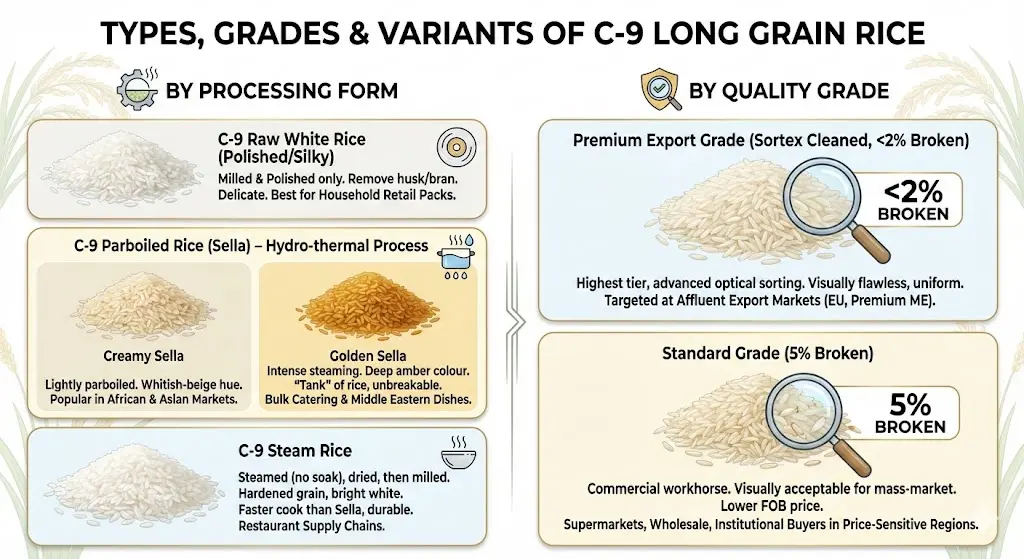
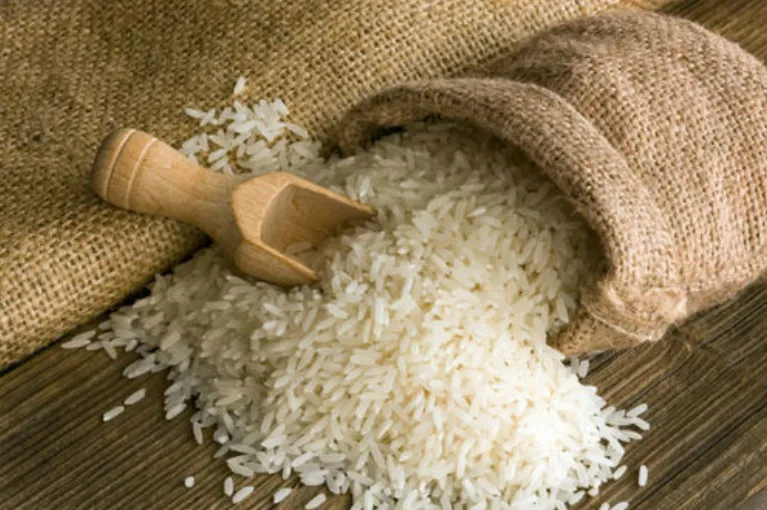
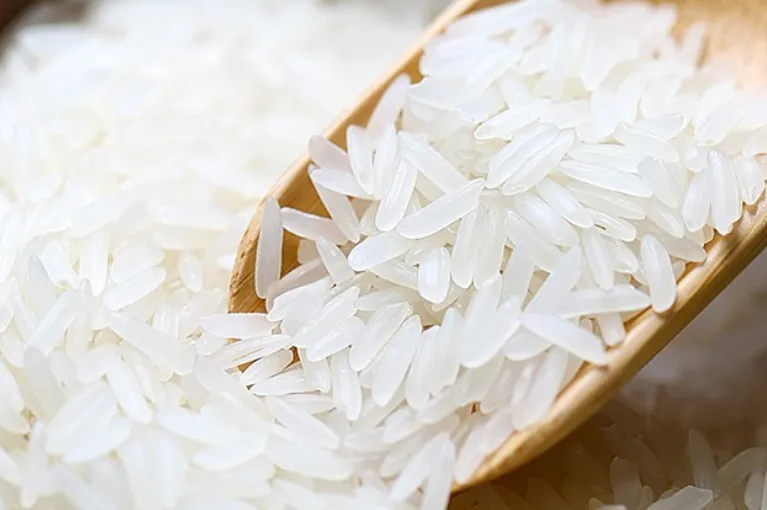
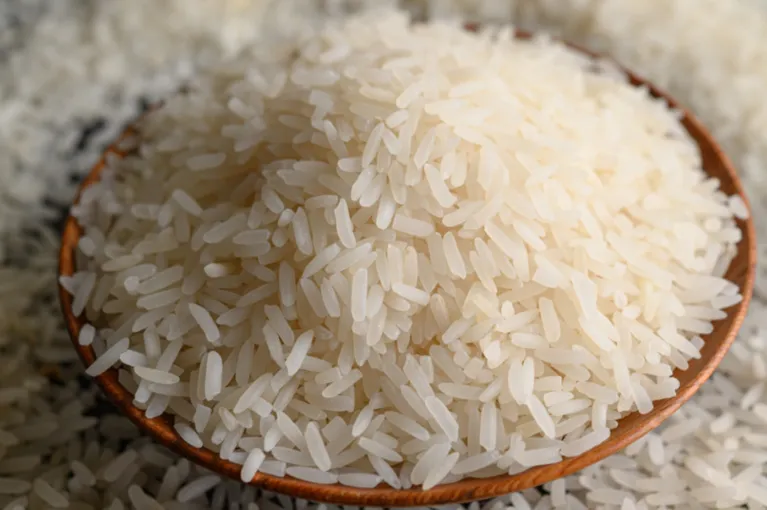
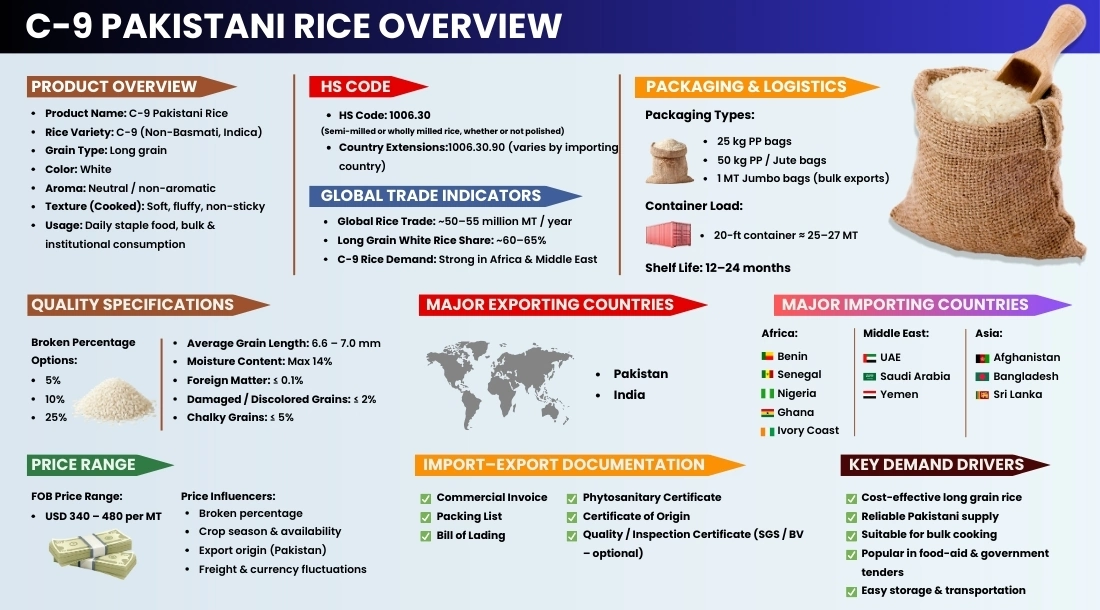
C-9 Non Basmati Rice is a variety grown primarily in Pakistan's fertile alluvial plains, particularly in Sindh and Punjab provinces. As a popular long-grain Pakistani white rice variety, it is often referred to as a "semi-premium" grain. It is widely recognised for its non-sticky texture and fluffy consistency upon cooking, available commercially in Raw, White Sella (Parboiled)—often sourced for sella rice Pakistan exports—and Golden Sella forms to suit diverse culinary preferences.
This C-9 long grain rice acts as a crucial market bridge because it offers the visual appeal and cooking integrity of premium grains without the high price tag associated with traditional Super Basmati. For traders monitoring the Super 515 rice price in Pakistan or the fluctuating sella rice price in Pakistan, C-9 serves as a strategic alternative, allowing them to target consumers who prefer premium-style meals under a budget. Its ability to mimic the volume and presentation of higher-end varieties makes it an indispensable stock-keeping unit (SKU) for markets that cannot sustain the high cost of pure Basmati.
C-9 rice is a staple powerhouse for the bulk catering sector, including hotels, canteens, and large-scale industrial kitchens, where yield and distinct grain separation are critical for dishes like fried rice, biryani, or the comfort classic masar chawal. In the retail sector, it is frequently packaged as a branded "Long Grain" everyday rice or used in blends to stabilise costs for budget-conscious households. Furthermore, the re-export market relies heavily on this variety, particularly in trading hubs like Dubai, where it is imported in bulk, reprocessed, and distributed to African and Middle Eastern markets.

| Specification | Value |
|---|---|
| Purity | 95% |
| Admixture | 5% Max |
| Average Length | 6.8 mm |
| Moisture | 12.5% Max |
| Broken | 1% - 5% (As per grade) |
| Paddy Grain | NIL |
| Black/ Red Grain | NIL |
| Discolour & Damage | 1% Max |
| Foreign Matter | NIL |
C-9 rice and IRRI-6 are the two pillars of Pakistan's non-basmati export trade, but they serve entirely different masters. While IRRI-6 powers the global commodity engine, C-9 captures the value-added segment.
By Processing Form
By Quality Grade
Culinary Applications
C-9 is widely regarded as a versatile non-basmati long grain rice. Its primary strength lies in its non-sticky texture, making it ideal for Fried Rice, Pilaf, and everyday household meals.
Industry Usage: HORECA Dominance
In the HORECA (Hotels, Restaurants, Catering) sector, this variety is a profit-maximiser and a leading long grain non-basmati rice Pakistan offers to the global food service industry.
Processing & Value Addition
While the whole grain is prized for direct consumption, the by-products and broken grades of C-9 find extensive use in the food processing industry. Broken grains are highly valued for manufacturing rice flour due to their specific starch composition, which provides excellent crispiness in batters and snack foods.
Export-Oriented Uses: Re-bagging & Private Labelling
C-9 is a favourite commodity for re-export hubs, particularly in the UAE and East Africa. C-9 rice exporters in Pakistan often ship this variety in bulk (jumbo bags or loose in containers) to be re-bagged into consumer packs (1kg, 5kg, 10kg) under local private labels.

Producing Regions
C-9 long grain rice—often referred to domestically as 9 rice—is produced in the rich agricultural belts of Pakistan, predominantly in the Sindh province (districts like Larkana, Shikarpur, and Jacobabad) and select regions of Southern Punjab. The climate here is perfectly suited for the high-yield cultivation of this versatile Pakistani white rice.
Pakistan's Role in the Global Supply Chain
Due to its dominance in the supply of C-9, Pakistan controls availability and price trends for this specific grain segment. Unlike generic IRRI-6, which faces stiff competition from Vietnam or Thailand, C-9 occupies a specific niche that is almost exclusively supplied by Pakistani millers.
This overview focuses on the high-volume non-basmati long grain rice trade, separating it from the premium aromatic segment like Basmati.
Current Market Size (ResearchAndMarkets)
Key Demand Drivers
The trade landscape for C-9 rice has remained robust in 2025. As a high-yielding, non-basmati long grain rice, it has solidified its position as the primary "upgrade" for international markets seeking a balance between premium aesthetics and commodity pricing.
Pakistan's Dominance in C-9 Exports
Pakistan remains the unrivalled leader in the production and export of C-9 non-basmati rice.
Trade Hubs: Dubai and Karachi
While the grain originates in Pakistan, the commercial control of the C-9 rice trade often passes through key logistical hubs.
The following analysis tracks the volatility and strategic opportunity for C-9 Long Grain Rice (often traded under Non-Basmati White/Parboiled customs codes) across three distinct phases. As the direct "semi-premium" competitor to India's PR-11/14, C-9 served as the primary global substitute during the recent trade disruptions.
Volume Trends: The "Opportunity" Curve
The capacity to export C-9 long grain rice from Pakistan followed a sharp 'Inverted-V' trajectory, inversely correlated with India's export restrictions.
Export Value Trend
Indicative C-9 Bulk Export Price: USD 450-520 per metric tonne (FOB)
For traders monitoring the C9 rice price in Pakistan and other key export hubs, current rates reflect its positioning as a strategic mid-tier option
C-9 rice—often referred to in trade circles simply as 9 rice—operates as a "Bridge Variety." It trades above commodity IRRI-6 grades but remains below Basmati. Prices don't just move on demand; they move on substitution.
Disclaimer: Prices are indicative and subject to market volatility, exchange rates, and government policies.
Tradologie works when volumes matter, and clarity matters more. If you're sourcing bulk shipments, it helps you connect with verified C-9 long grain rice sellers and exporters in Pakistan to close deals the way global trade actually works.
Packaging Options
Logistics
Rice is a game of weight, not volume. The 20ft container is the standard unit of trade, usually loaded with up to 26 Metric Tonnes of loose bags for cost efficiency. But buyers at the destination who need ultimate speed might opt for palletised cargo. Whatever the method of loading, proper moisture control via desiccants and lining is not negotiable to avoid "container rain" during the voyage.
Incoterms
The selection between FOB and CIF delineates the control in shipment. In FOB (Karachi), the logistics command goes into the hands of the buyer. In contrast, a model based on convenience, CIF allows the exporter to manage the entire journey and insurance up to the destination port.
All prices, specifications, and trade data are indicative and subject to change based on the time of year, source, legal constraints, and transportation. Buyers and sellers should verify all data thoroughly before entering into a contract.
Sources: Mordor Intelligence, ResearchAndMarkets, FOB, REAP Export Data
Get in Touch



Usually 26 MT, which corresponds to one fully loaded 20ft container. This optimises freight costs; smaller quantities are rarely viable for international trade.
Register as a buyer (it’s free) to buy C-9 long grain rice, post your specific requirement (e.g., Raw or Steam, 5% broken), and suppliers will bid live. You negotiate directly with verified exporters in real-time to finalise the price and terms.
The industry standard is 100% Irrevocable Letter of Credit (LC) at Sight for security. Some exporters may accept a partial advance with the balance against scanned documents (CAD), depending on the trust level established.
It cuts out the middleman. You connect directly with Pakistani millers and exporters who actually hold the stock. This ensures you get the "mill-gate" price without hidden broker margins, and you can audit the specs yourself.
Production and packing typically take 15–20 days from the date of payment confirmation. Total delivery time depends on the shipping line and destination port.
Yes. While standard C-9 is often traded at 5% broken, you can specify 0% to 2% broken for premium packs. You also define the packaging—whether it’s 50kg PP bags for wholesale or 5kg/10kg BOPP bags for retail brands.
The global market is led by major producing nations including India, Thailand, Vietnam, Pakistan, and the USA. These countries supply the majority of the world's Basmati, Jasmine, and Long-grain white rice varieties.
Exporters must comply with both origin-country regulations and destination-market standards (such as Phytosanitary Certification and FDA/ISO/HACCP compliance). Logistics are managed through approved freight services, ensuring that partnering mills use modern processing equipment to maintain export-grade quality.
Top-tier export brands are those recognised for international quality consistency, premium packaging, and grain purity. We partner with established market leaders in each region known for their premium Basmati, Jasmine, and long-grain varieties.
Rice is a global staple with high demand from major importers across the Middle East (UAE, Saudi Arabia, Iran, Iraq), Africa, Europe, and North America.
Yes, foreign buyers can source bulk shipments of various rice varieties directly from top-rated mills in the country of origin. This direct sourcing allows buyers to benefit from competitive pricing and assured freshness.
The best export partners are characterised by their dependability, high production capacity, and strict adherence to international food safety standards. We list only top-rated exporters who have a proven track record of fulfilling global orders efficiently.
Timelines vary by origin and order volume. Generally, ready stock shipments take 7–15 days, while orders requiring fresh milling take 20–30 days. This schedule allows buyers to plan their bulk imports efficiently.
Pricing structures are flexible to suit your needs. You can typically choose from FOB (Free on Board), CIF (Cost, Insurance, and Freight), or CNF (Cost and Freight) formats. The quotation will clearly reflect your selection to provide full clarity on landed costs.