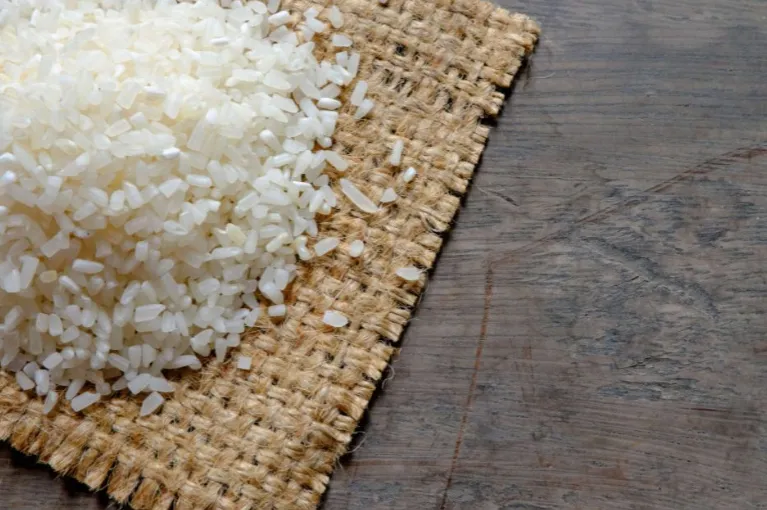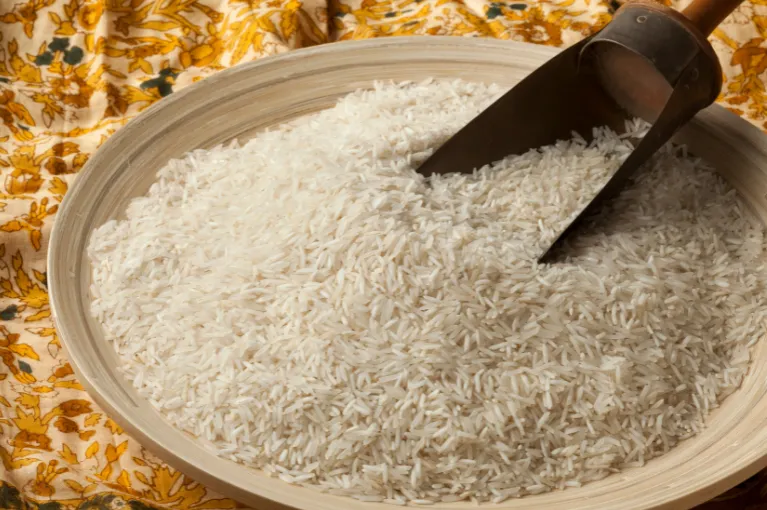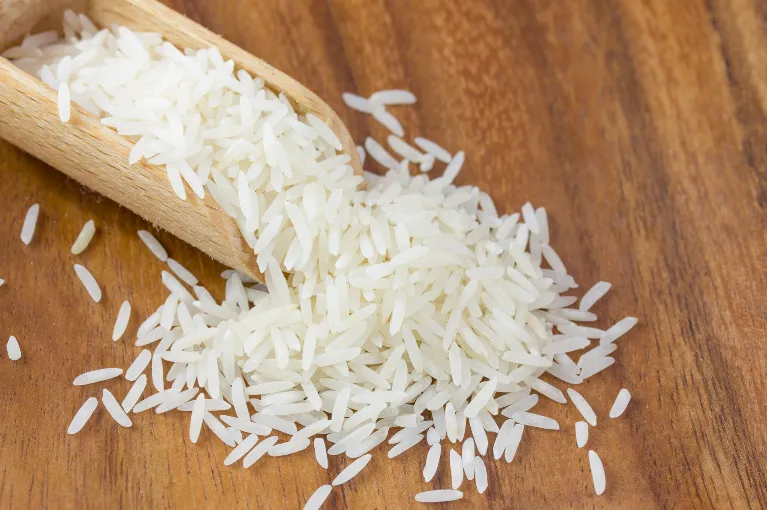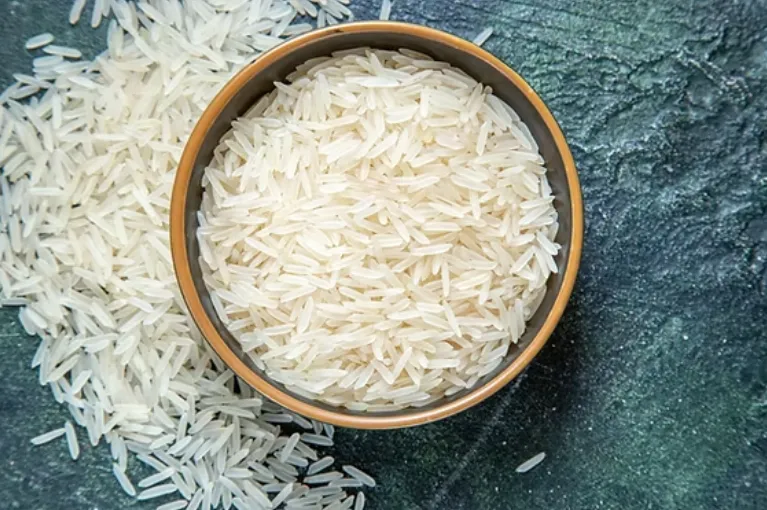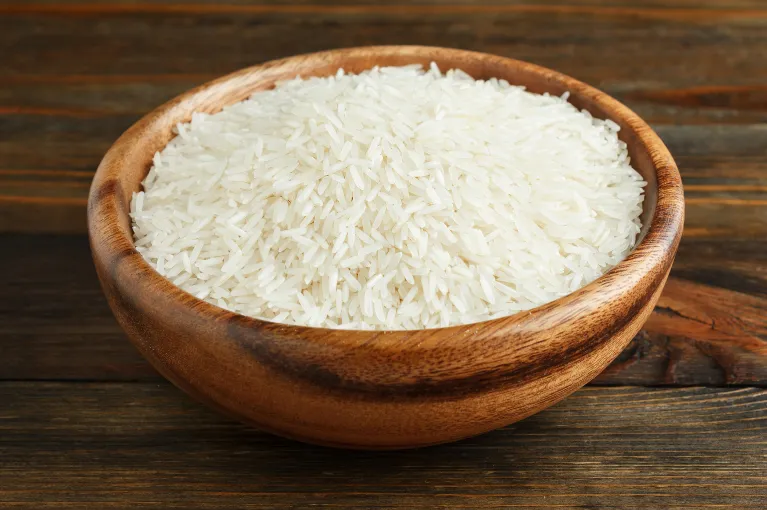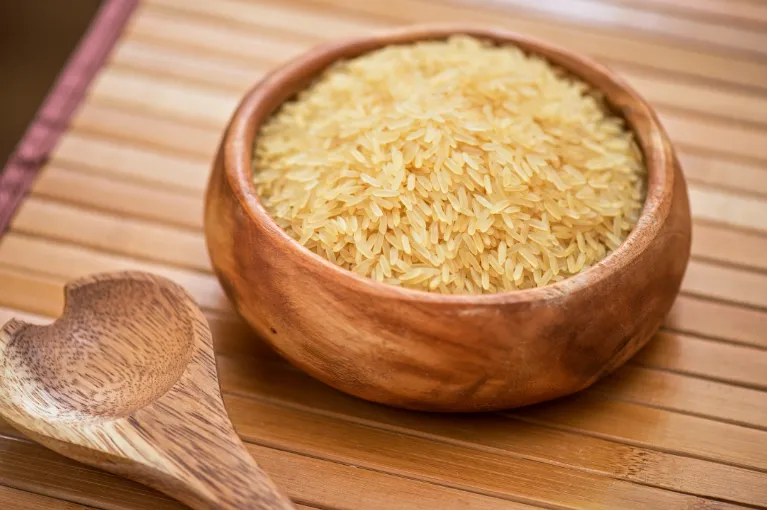
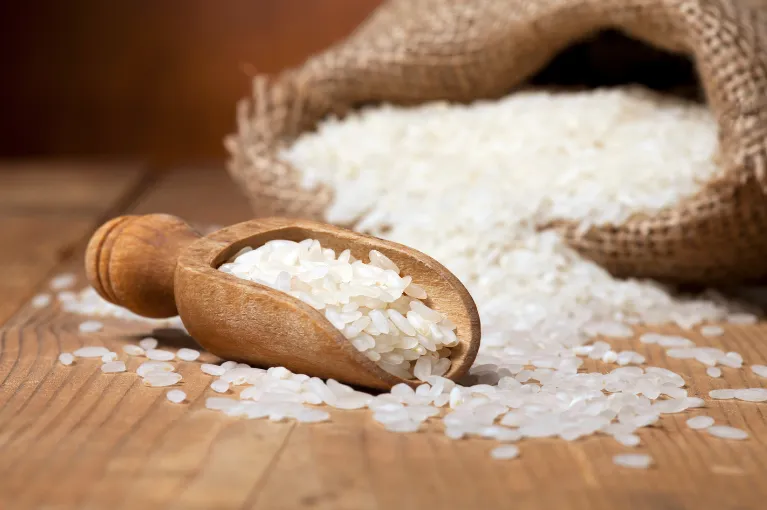
PR-11/14 Basmati Rice
Minimum Order Quantity : 26 MT
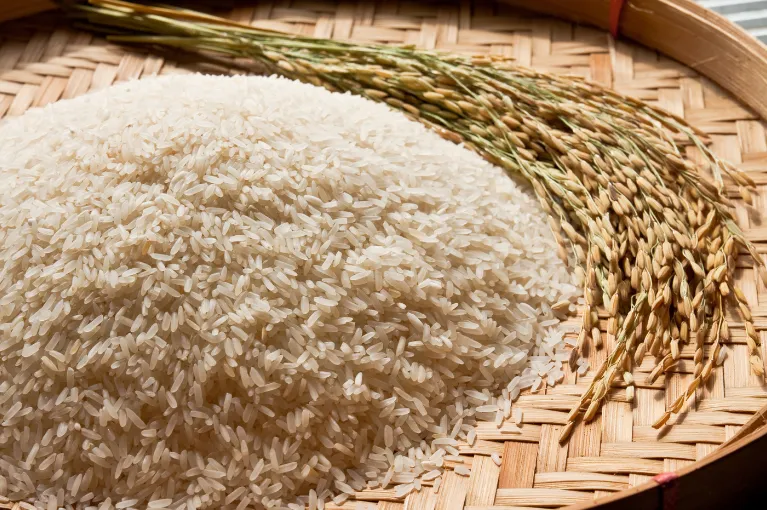
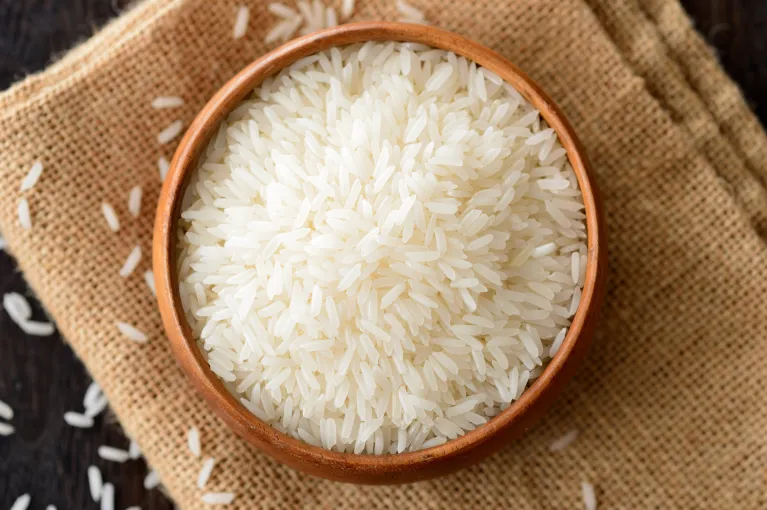
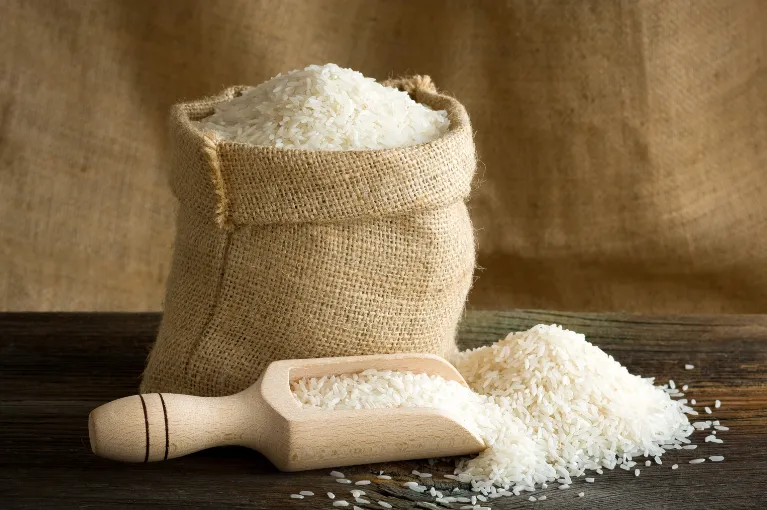
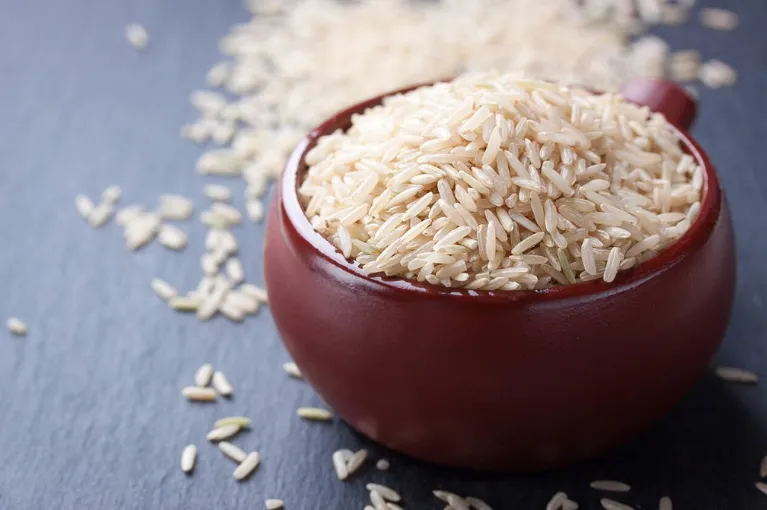
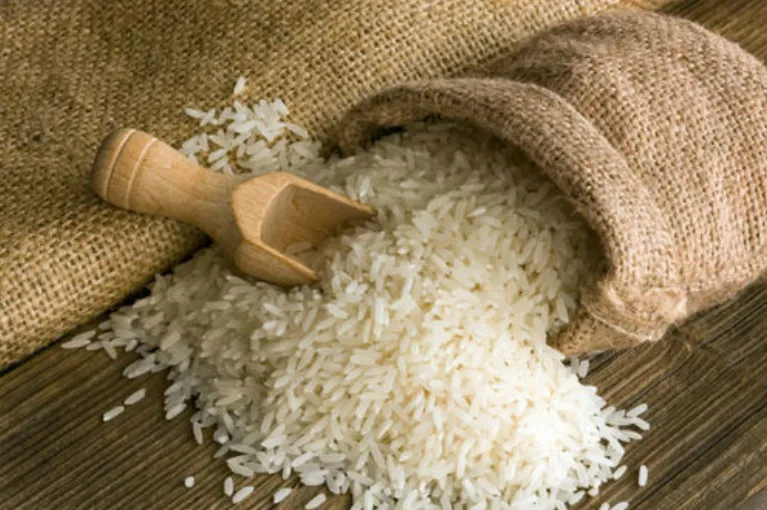
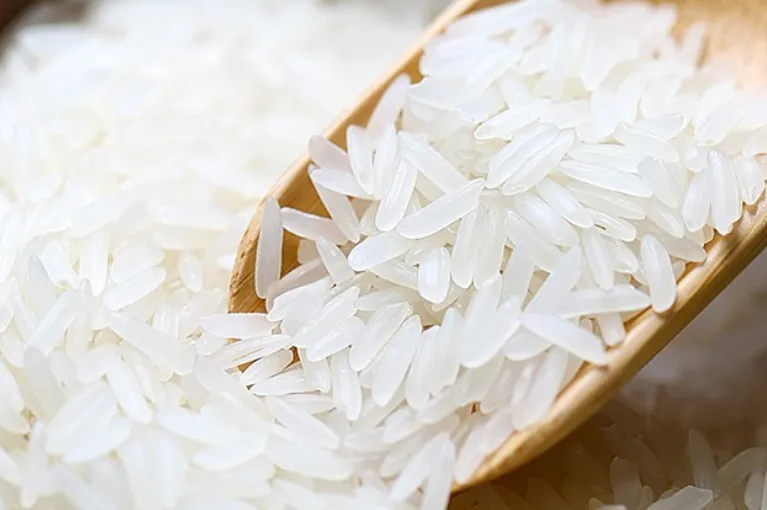
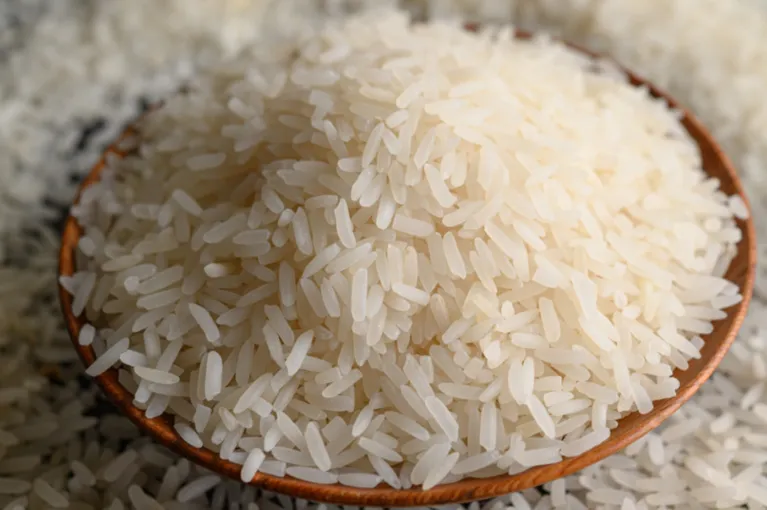
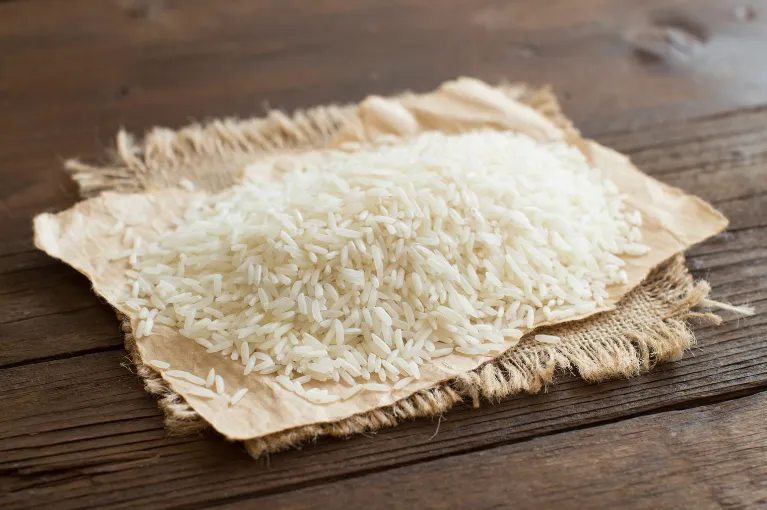
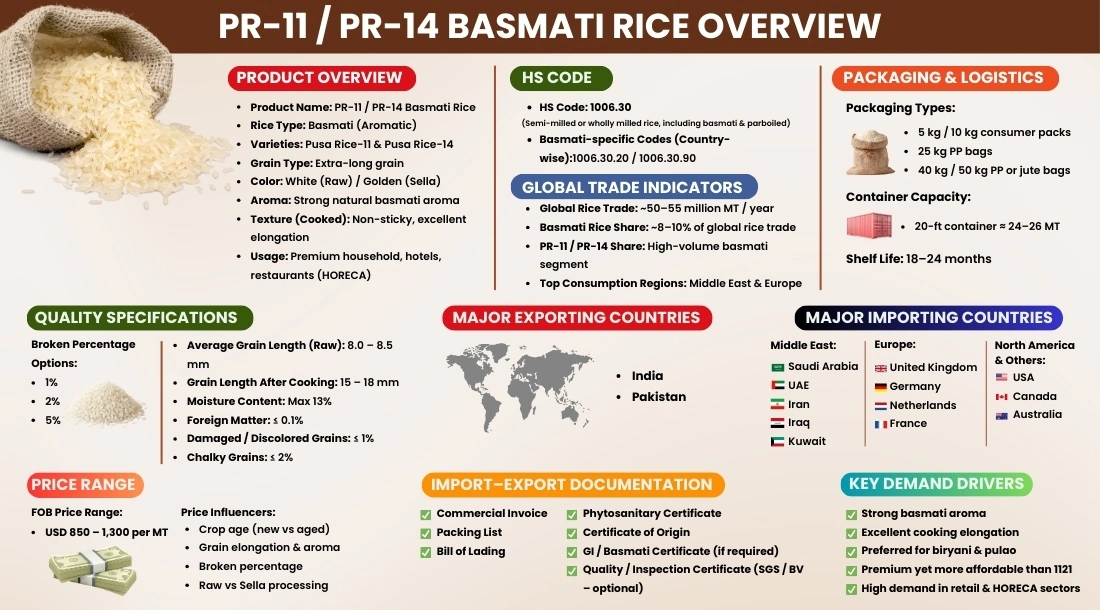
PR 11/14 is a premium non basmati long grain rice variety, commonly marketed as "PR-11/14 Basmati Rice" because of its similar long-grain look and use in traditional dishes. It is mostly grown in northern India, including Punjab, Haryana, and Uttar Pradesh.
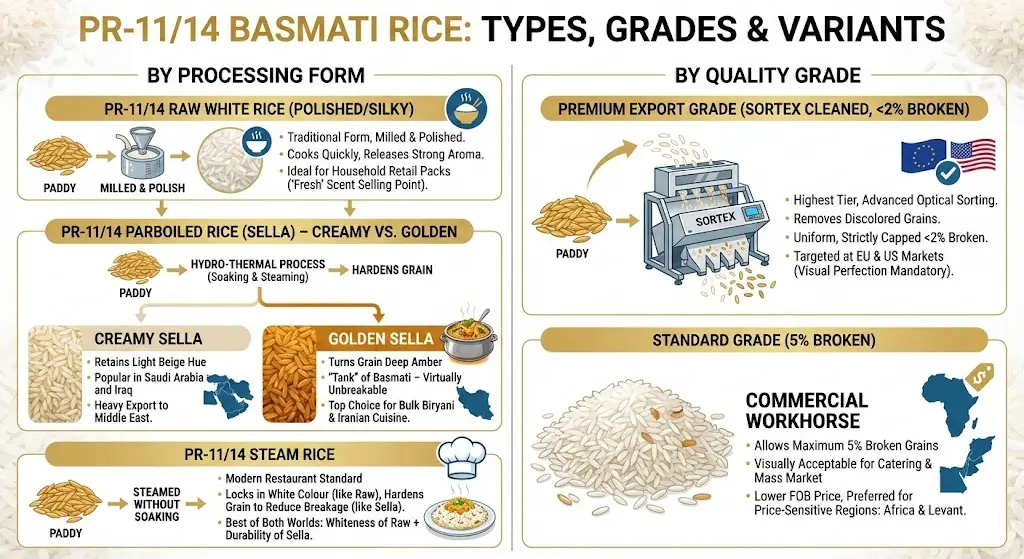
For international buyers looking to import PR 11/14 Basmati Rice, it is available in multiple varieties:
This PR-11/14 variety acts as a crucial market bridge because it offers the aromatic experience and elongation of premium Basmati without the premium price tag associated with Pusa 1121 or Traditional Basmati. For traders monitoring the 1121 Basmati rice price or the fluctuating non-basmati rates, PR 11 Rice and PR 14 Rice serve as strategic alternatives.
Whether you are looking to buy PR 11/14 Basmati Rice for retail or bulk distribution, it bridges the gap between luxury and utility. Its ability to provide the "Basmati feel" at a competitive price point makes it an indispensable stock-keeping unit (SKU) for markets that demand aroma but are price-sensitive.

PR-11/14 Rice is a staple for the bulk catering sector, including large-scale hotel buffets, industrial canteens, and community kitchens.
| Specification | Value |
|---|---|
| Purity | 95% |
| Admixture | 5% Max |
| Average Length | 6.70 mm - 6.90 mm |
| Moisture | 12.5% Max |
| Broken | 1% - 5% (As per grade) |
| Paddy Grain | NIL |
| Black/ Red Grain | NIL |
| Discolour & Damage | 1% Max |
| Foreign Matter | NIL |
When you prepare to sell PR 11/14 Basmati Rice or procure it, strict adherence to technical parameters is vital.
PR-11/14 vs. Pusa 1121: The Distinction in Indian Basmati Trade
PR-11/14 and Pusa 1121 are two pillars of India's Basmati export trade, but they serve entirely different masters. While Pusa 1121 powers the luxury dining engine, PR-11/14 captures the high-volume value segment.
Grain Profile: The Length Advantage
Specs drive the visual difference. Pusa 1121 wins on extreme aesthetics with an average grain length (AGL) of 8.35mm+, expanding significantly upon cooking. PR-11/14 is shorter but robust, averaging 6.7mm to 6.9mm. For buyers where "volume and taste" matter more than extreme elongation, PR-11/14 is the clear victor.
Consumption Experience
PR-11/14 is renowned for its non-sticky texture and ability to absorb flavours, making it the preferred "everyday" Basmati for catering and homemade Pulao. Pusa 1121 is famous for its independent grain separation and dramatic elongation, offering a "fluffy" visual widely seen in gourmet photography.
Price Dynamics: Margin vs. Volume
Trading logic differs for each. Pusa 1121 commands a high premium, offering traders prestige but requiring significant capital investment. PR-11/14 trades on volume-driven margins. A $20/ton shift impacts PR-11/14 demand significantly as it competes with other mid-tier varieties, whereas 1121 buyers are often less price-sensitive due to brand requirements.
Buyer Strategy: When to choose which?
It comes down to the end consumer. If the importer is supplying 5-star hotels or luxury gift packs, they book Pusa 1121. If the contract is for daily catering, mid-tier restaurants, or supermarket "Value" brands, PR-11/14 is the automatic, cost-efficient choice.

By Processing Form
By Quality Grade
PR-11/14 Basmati Rice trade is defined by a specialised geographic monopoly and grade-specific demand. Supply remains anchored in North India's unique climatic belts, while demand varies from volume-heavy catering markets in the Gulf to quality-sensitive regions requiring strict regulatory compliance.
Top PR-11/14 Basmati Rice Exporters
Supply dynamics rely heavily on meeting specific processing requirements—PR 11/14 Basmati Rice sellers here are specialised in meeting specific MRL (pesticide) compliance.
Top PR-11/14 Basmati Rice Importers
This overview focuses on the volume-heavy "commercial" Basmati trade, distinct from the ultra-premium segment.
The following analysis tracks the volatility and recovery of PR-11/14 Long Grain Rice (categorised under Non-Basmati White/Parboiled customs codes) across three distinct phases. Because PR-11/14 is commercially traded as a "bridge" variety (often mislabeled as Basmati but technically Non-Basmati), it was directly impacted by the stringent non-basmati export bans.
Volume Trends: The Policy-Driven Substitution
The export volume of PR-11/14 followed a "Substitution Curve," where demand shifted violently between "Raw" and "Parboiled" forms in reaction to government policy.
Export Value Trend
What usually shifts the price:
In PR-11/14 Basmati trade, compliance is rigorous and quality-centric—focused on proving that the grain length and purity justify the premium price point.
All prices, specifications, and trade data are indicative and subject to change based on season, origin, compliance requirements, and logistics. Buyers and sellers should verify details before contracting.
Sources: FOB, DGCIS, USDA Grain and Feed Update.
Get in Touch



Usually around 26 MT, which is one filled container. Smaller quantities are uncommon in bulk trade.
Most trades are done on a Letter of Credit at sight. In some cases, escrow-based payments with a partial advance are also used, depending on the deal and buyer–seller understanding.
The platform is free for buyers and allows direct negotiation with verified suppliers. You see real offers, no hidden margins, and full transparency through the process.
Yes. Indian exporters specialise in printing buyer brands on non-woven or BOPP bags for retail distribution.
It is called commercial because it offers the essential traits of Basmati (aroma and length) at a price point viable for mass catering and everyday use, unlike the "Occasion" status of Traditional Basmati.
To import turmeric in bulk, register as a buyer for free on Tradologie.com. Raise your requirement, get real-time quotations from verified bulk turmeric suppliers, negotiate, and finalize your order efficiently.
You can import turmeric in bulk in the following forms:
Fingers
Bulbs
Splits
Whole dried rhizomes
Curcumin content ranges from 2%–6%, with high-curcumin varieties often above 4%. This is an important quality factor for bulk turmeric trade.
Check for:
Uniform color
Strong aroma
Moisture content below 12%
Absence of mold
These ensure consistent quality from bulk turmeric suppliers.
25 kg, 40 kg, 50 kg PP bags
Jute bags
Fumigation available on request
Proper packaging ensures safe handling when you import turmeric in bulk.
Yes. Exporters provide phytosanitary certificates for all international shipments, which is necessary for bulk turmeric trade.
Shelf life is 18–24 months under proper storage conditions.
India, Bangladesh, Thailand, and Indonesia are the major exporters and reliable bulk turmeric suppliers.
USA, Europe, Middle East, and Southeast Asia are the top importers of bulk turmeric.
Yes, Tradologie allows verified buyers globally to source organic turmeric powder from exporters in India with reliable trade history.
Turmeric powder Bulk orders start at 5-10 MT, depending on variety and supplier.
Yes, buyers must provide valid business licenses, trade references, and, in some regions, food safety clearances.
Turmeric powder Prices vary by type and curcumin content:
Following countries are the top importers of turmeric from India:
Exporters need following documents ready:
To export turmeric in bulk, register as a supplier on Tradologie.com. Access real-time requirements from verified bulk turmeric importers, negotiate directly, and close export deals efficiently.
Buyers usually require 8–12% moisture, depending on the importing country. Meeting this standard ensures smooth bulk turmeric trade.
Most buyers prefer fingers due to higher market value, though bulbs may also be accepted if requested.
Yes. Export buyers typically require machine-cleaned or double-cleaned material for quality assurance.
Most destinations require fumigation or heat treatment to comply with international regulations for export turmeric in bulk.
Only if specified; generally, buyers prefer uniform grade and size to ensure consistent quality in bulk turmeric trade.
Phytosanitary certificate
Fumigation certificate
Certificate of Analysis (COA)
Certificate of Origin (COO)
These documents ensure compliance with international bulk turmeric import requirements.
Moisture 8–12%
No molds
Cleaned, uniform size and shape
High curcumin content (if specified)
Meeting these standards helps secure orders from bulk turmeric importers.
High moisture
Mold or fungal contamination
Mixed or inconsistent grades
Poor cleaning
Avoiding these ensures trust with bulk turmeric importers.