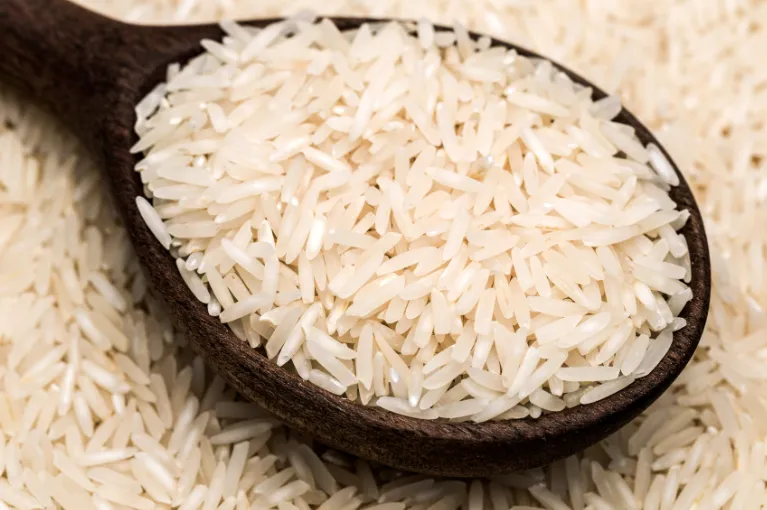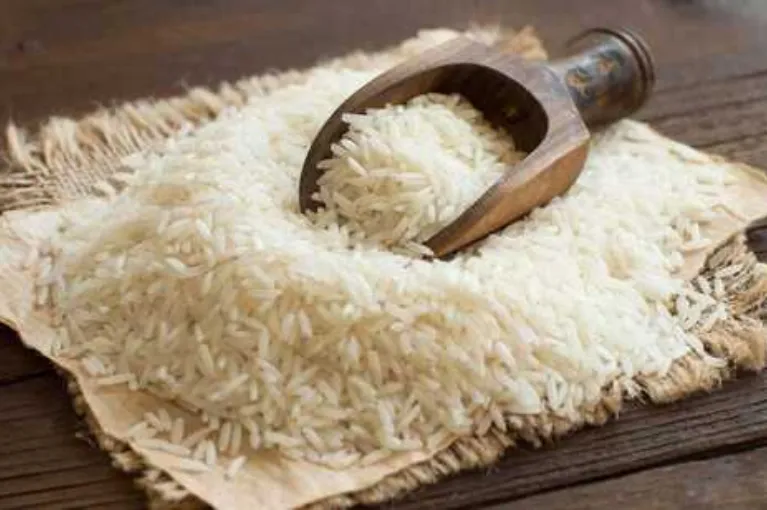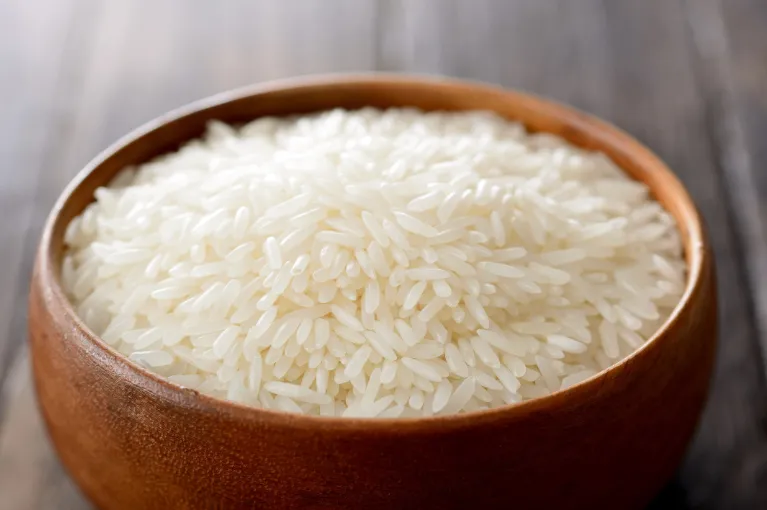
PR-106 Long Grain Rice
Minimum Order Quantity : 26 MT
Available Bag Size
Available Bag Type
This page provides a detailed trade and sourcing overview of PR-106 non-basmati long grain rice, covering specifications, applications, pricing behavior, and global import demand for bulk buyers.
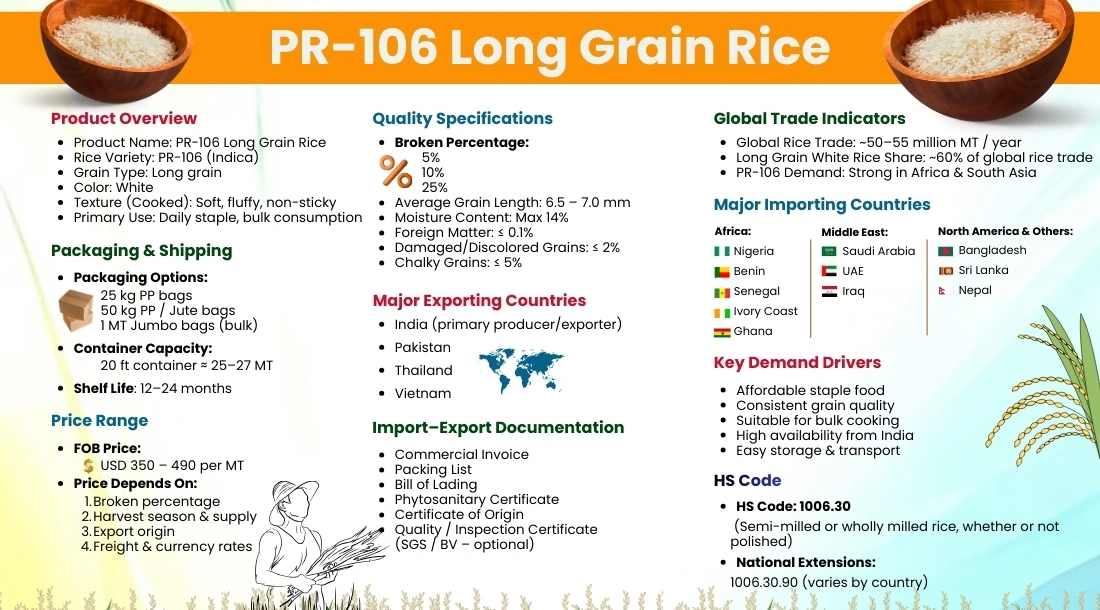
PR-106 is a widely traded Indian non-basmati long grain rice used in bulk catering, retail, and re-export markets where grain length, separation, and cost balance matter.
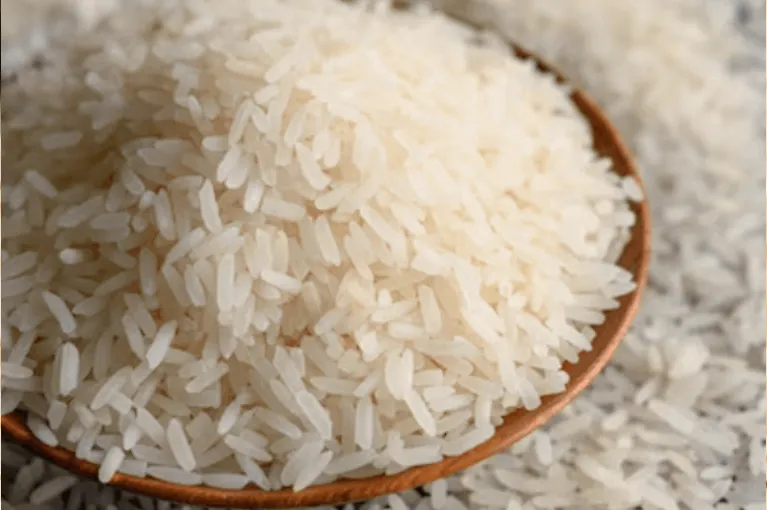
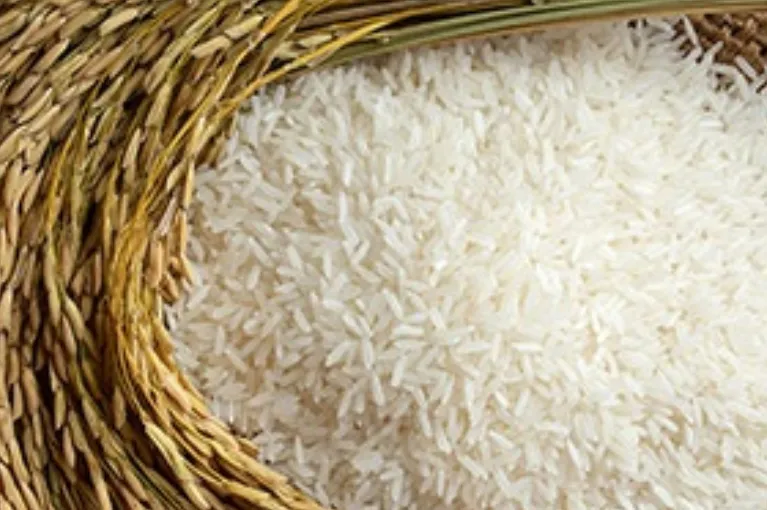
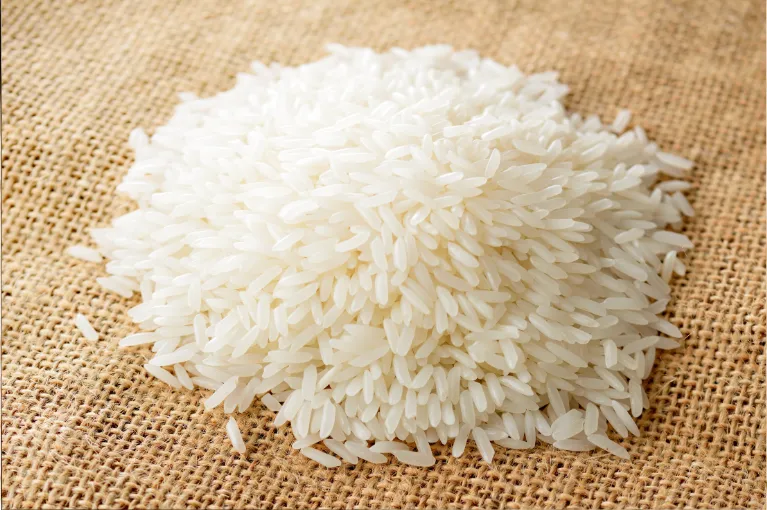
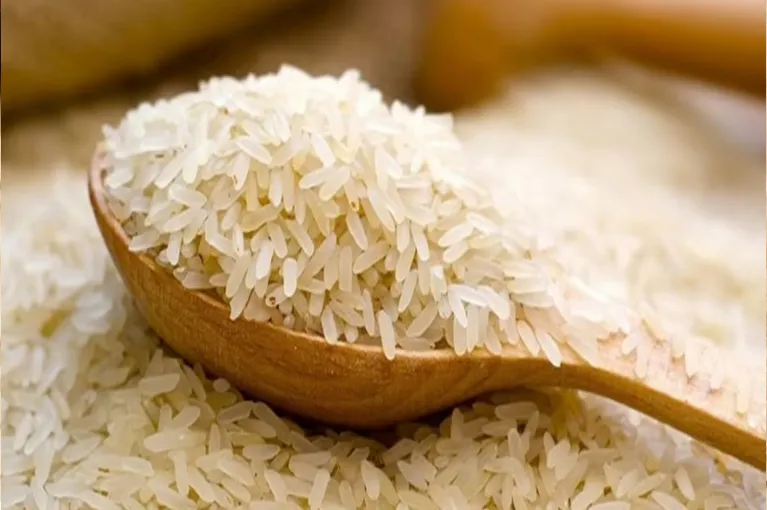
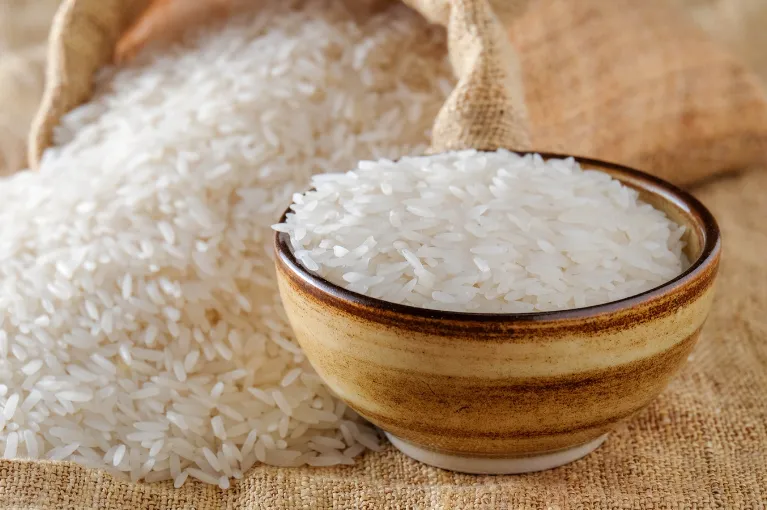
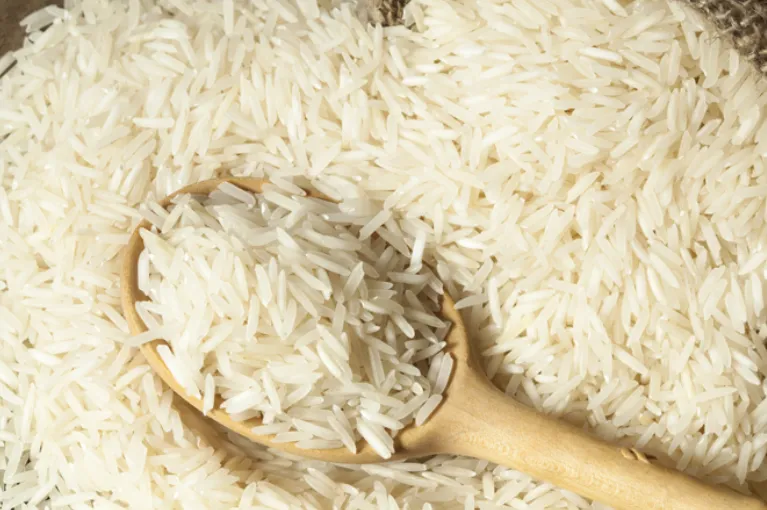
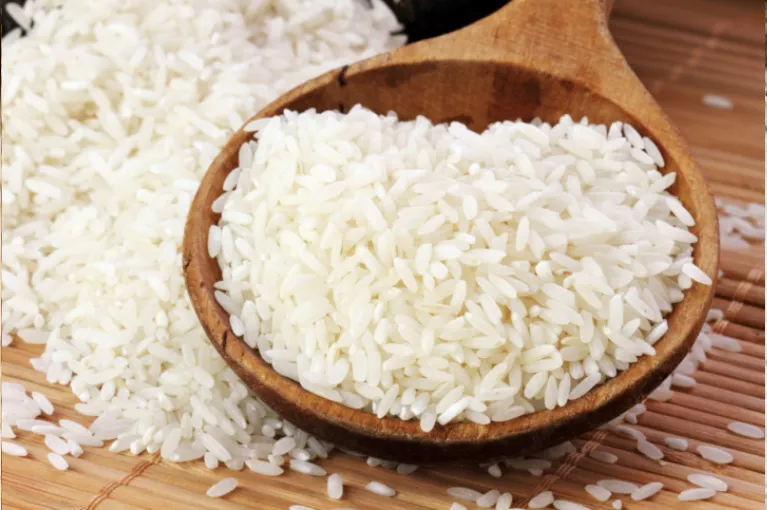
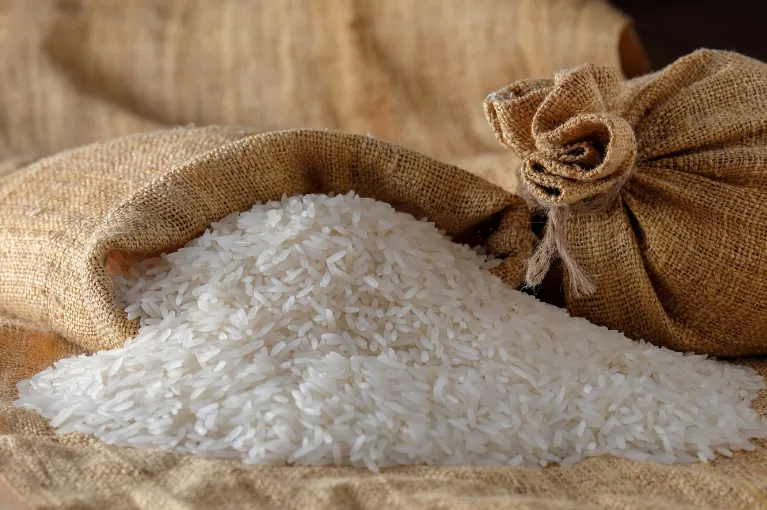
PR 106 non basmati rice is a distinct variety cultivated extensively in the fertile plains of Northern India, particularly in Punjab and Haryana. As a leading long grain non basmati rice India produces, it is often characterised as a "semi-premium" grain featuring a slender shape and an average grain length of approximately 6.4mm to 6.6mm, distinguishing it from shorter varieties like IR-64. It is widely recognised for its non-sticky texture and fluffy consistency upon cooking, available commercially in Raw, White Sella (Parboiled ), and Golden Sella forms to suit diverse culinary preferences.
This section explains why PR-106 functions as a mid-tier trade variety positioned between commodity rice and premium Basmati.
This PR-106 long grain rice acts as a crucial market bridge because it offers the visual appeal and cooking integrity of premium grains without the high price tag associated with traditional Basmati. By delivering a "Basmati-like" elongated grain structure and separate texture at a mid-tier price point, it allows traders to target consumers who aspire to premium-style meals but are constrained by budget. Its ability to mimic the volume and presentation of higher-end varieties makes it an indispensable stock-keeping unit (SKU) for markets that cannot sustain the high cost of pure Basmati.
PR 106 rice is a staple powerhouse for the bulk catering sector, including hotels, canteens, and large-scale industrial kitchens, where yield and distinct grain separation are critical for dishes like fried rice and biryani. In the retail sector, it is frequently packaged as a branded "Long Grain" everyday rice or used in blends to stabilise costs for budget-conscious households. Furthermore, the re-export market relies heavily on this variety, particularly in trading hubs like Dubai, where it is imported in bulk, reprocessed, and distributed to African and Middle Eastern markets.

The following specifications represent commonly traded export parameters. Final contract terms may vary by buyer requirement and destination market.
| Purity | 95% |
|---|---|
| Admixture | 5% Max |
| Average Length | 6.4 mm |
| Moisture | 12.5% Max |
| Broken | 1% Max |
| Paddy Grain | NIL |
| Black/ Red Grain | NIL |
| Discolour & Damage | 1% Max |
| Foreign Matter | NIL |
Quick Comparison Snapshot:
• PR-106: Semi-premium, longer grain, higher margins
• IR-64: Commodity staple, shorter grain, volume-driven
PR 106 rice and IR-64 are the two pillars of India's non-basmati export trade, but they serve entirely different masters. While IR-64 powers the global commodity engine, PR-106 captures the value-added segment.
Buyer Strategy: When to choose which?
It comes down to the target shelf. If the importer is supplying hotels, mid-tier restaurants, or branded retail packs, they book PR-106 . If the contract is for civil supplies, humanitarian aid, or economy bulk bags, IR-64 is the automatic, cost-efficient choice.
PR-106 is traded in multiple processing forms and quality grades depending on destination use, price sensitivity, and shelf positioning.
By Processing Form
PR-106 Raw White Rice (Polished/Silky) This is one of the most traditional forms of the PR rice variety , where the paddy is simply milled and polished to remove the husk and bran. It is more delicate than parboiled varieties and requires precise cooking times to prevent stickiness, making it ideal for household retail packs where visual purity is the selling point.
PR-106 Parboiled Rice (Sella) - Creamy vs. Golden Sella involves a hydro-thermal process (soaking and steaming) before milling, which gelatinises the starch and hardens the grain. Indian non basmati rice traders heavily favour this form for export markets. Creamy Sella is parboiled lightly to retain a whitish-beige hue, popular in African and Asian markets. Golden Sella undergoes a more intense steaming process, turning the grain a deep amber colour; it is the "tank" of rice varieties—virtually unbreakable in cooking—making it the top choice for bulk catering and Middle Eastern dishes like Majboos.
PR-106 Steam Rice Steam rice serves as a modern hybrid between Raw and Sella. The paddy is steamed without soaking, then dried and milled. This process hardens the grain sufficiently to reduce breakage during milling while maintaining a bright white colour similar to Raw rice . As an increasingly popular form of long grain rice in India , it is favoured in restaurant supply chains because it cooks faster than Sella but offers better durability and grain separation than traditional Raw rice.
By Quality Grade
Premium Export Grade (Sortex Cleaned, < 2% Broken ) This is the highest tier, processed by PR 106 rice exporters in India using advanced optical sorting machines (Sortex) to remove practically all discoloured grains and foreign matter. With a broken percentage strictly capped below 2%, this grade is visually flawless and uniform. It is targeted at affluent export markets (such as the EU, USA, and premium Middle Eastern retail) where the consumer expects a "Basmati-like" appearance without the associated cost.
Standard Grade (5% Broken) This is the commercial workhorse for the non-basmati rice variety PR 106 in the international trade. It allows for a maximum of 5% broken grains, which is visually acceptable for most mass-market applications. The slight inclusion of broken grains significantly lowers the FOB price compared to the premium grade, making it the preferred specification for supermarkets, wholesale distributors, and large-scale institutional buyers in price-sensitive regions.
Rejection/Feed Grade This category encompasses grains that fail the export standards due to high breakage (25% to 100% broken), chalkiness, or discolouration. It represents the lower tier of long grain non basmati rice India produces, which is generally not sold for direct human consumption in international markets. Instead, it is diverted domestically for processed food industries (rice flour, beer brewing), animal feed manufacturing, or industrial starch production.
Typical buyers choose PR-106 based on:
• Grain separation after cooking
• Visual shelf appeal
• Cost control versus Basmati
Culinary Applications
PR-106 is widely regarded as a versatile non basmati long grain rice . Its primary strength lies in its non-sticky texture, making it ideal for Fried Rice and Pilaf.
Industry Usage: HORECA Dominance
In the HORECA (Hotels, Restaurants, Catering) sector, this variety is a profit-maximiser and a leading long grain non basmati rice India offers to the global food service industry.
Processing & Value Addition
While the whole grain is prized for direct consumption, the by-products and broken grades of PR-106 find extensive use in the food processing industry. Broken grains are highly valued for manufacturing rice flour due to their specific starch composition, which provides excellent crispiness in batters and snack foods.
Export-Oriented Uses: Re-bagging & Private Labelling
PR-106 is a favourite commodity for re-export hubs, particularly in the UAE and West Africa. PR 106 rice exporters in India often ship this variety in bulk (jumbo bags or loose in containers) to be re-bagged into consumer packs (1kg, 5kg, 10kg) under local private labels.
Producing Regions
In the Indo-Gangetic plains of North India, especially in Punjab, Haryana, and certain areas in Western Uttar Pradesh, the PR 106 long grain rice is produced.
Major Import Markets
India's Role in the Global Supply Chain
Due to its dominance in the world supply of PR-106, India controls availability and price trends. The non-basmati rice variety PR 106 is exclusively exported from India, in contrast to generic white rice, which can be obtained from Vietnam or Thailand.
This overview focuses on the high-volume non-basmati long grain rice trade, separating it from the premium aromatic segment like Basmati.
Market size figures are indicative estimates compiled from multiple industry research sources and trade databases.
Global Rice Market Value (2025 Estimate): USD 300-315 Billion
Non-Basmati Long Grain Share: ~60% of total market value
Growth Forecast (2025-2030)
The volume of demand, particularly in areas that import food, is what propels this segment's growth rather than trends in premium pricing.
Projected CAGR: 2.6% - 6.3%
Defined by the Kharif timeline
The supply chain operates on a strict seasonal clock. Sowing begins with the onset of the Kharif season in June and July to catch the monsoon rains. The crop hits the mandis for procurement in October and November, setting the stock levels for the year ahead.
Farmer preference for quick turnaround
Growers in Punjab and Haryana prefer PR-106 because these short-duration crops mature faster, use fewer resources, and clear the fields earlier for the next rotation. While also aiding in high yields that farmers rely on for profit.
Dependence on water stability
Production volume is sensitive to environmental limits. Irregular monsoons can delay sowing or damage standing crops, while strict groundwater regulations in Northern India enforce rigid planting schedules. This leaves a narrow window for execution, where any disruption directly impacts the final harvest quantity.
The trade landscape for PR 106 rice has undergone a significant reset in 2025 following the removal of Indian export restrictions. As a high-yielding, non basmati long grain rice , it has reclaimed its position as the primary "volume driver" for international markets seeking a balance between premium aesthetics and commodity pricing.
India's Dominance in PR-106 Exports
India remains the unrivalled leader in the production and export of PR 106 non basmati rice, primarily due to its massive cultivation base in the Punjab and Haryana regions.
Trade Hubs: Dubai and Singapore
While the grain originates in North India, the commercial control of PR 106 rice trade often passes through two global hubs that manage the financial and logistical "last mile".
The following analysis tracks the volatility and recovery of PR 106 non basmati rice (categorised under Non-Basmati White/Parboiled customs codes) across three distinct phases.
Volume Trends: The V-Shaped Recovery
The export volume of long grain non basmati rice India followed a sharp "V-shaped" trajectory, reacting directly to government policy interventions.
Indicative PR 106 Bulk Export Price: USD 470-550 per metric tonne (FOB)
PR-106 pricing is influenced by demand substitution, export policy, broken percentage, and seasonal stock availability. Price movements tend to be more stable than premium aromatic rice but more responsive than commodity-grade varieties.
All prices should be reconfirmed with exporters based on current crop position, shipment timelines, and contract specifications.
What usually shifts the price:
Disclaimer: Prices are indicative and subject to market volatility, exchange rates, and government policies.
HS Code: 1006.30.90 PR 106 rice falls under the standard "Other" category for non basmati long grain rice.
Here is the revised text, specifically tailored for PR 106 Rice while keeping your original structure and messaging intact.
Why Buy PR 106 Rice Through Tradologie?
This section explains how structured B2B trade platforms are used for bulk rice sourcing.
Built for bulk trade, not listings You don't scroll products. You post a real requirement and suppliers respond against it. That's how serious buying actually happens.
Direct access to verified exporters You deal directly with PR 106 rice exporters who are active in the trade. No broker layers, no mixed signals.
Live negotiation, real market pricing Prices aren't static. Negotiations happen in real time, based on broken %, volume, and shipment terms.
Specs stay front and center Grain type, breakage, moisture, packing, port — everything is aligned upfront, not fixed later.
Support without interference Coordination is there when needed, but decisions stay between buyer and seller. Clean, professional, and transparent.
Tradologie works when volumes matter, and clarity matters more. For buyers sourcing PR-106 rice in bulk, this model supports direct specification-based trade execution.

All prices, specifications, and trade data are indicative and subject to change based on the time of year, source, legal constraints, and transportation. Buyers and sellers should double-check all data prior to contracting.
Sources: Reuters, APEDA, FOB
Get in Touch
Usually 26 MT, which corresponds to one fully loaded 20ft container. This optimises freight costs; smaller quantities are rarely viable for international trade.
Register as a buyer (it’s free), post your specific PR-106 requirement (e.g., Raw or Steam, 5% broken), and suppliers will bid live. You negotiate directly with verified exporters in real-time to finalise the price and terms.
The industry standard is 100% Irrevocable Letter of Credit (LC) at Sight for security. Some exporters may accept a partial advance with the balance against scanned documents (CAD), depending on the trust level established.
It cuts out the middleman. You connect directly with Indian millers and exporters who actually hold the stock. This ensures you get the mill-gate price without hidden broker margins, and you can audit the specs yourself.
Production and packing typically take 15–20 days from the date of payment confirmation. Total delivery time depends on the shipping line and destination port, but 30–45 days is a standard window.
Yes. While standard PR-106 is often traded at 5% broken, you can specify 0% to 2% broken for premium packs. You also define the packaging—whether it’s 50kg PP bags for wholesale or 5kg/10kg BOPP bags for retail brands.