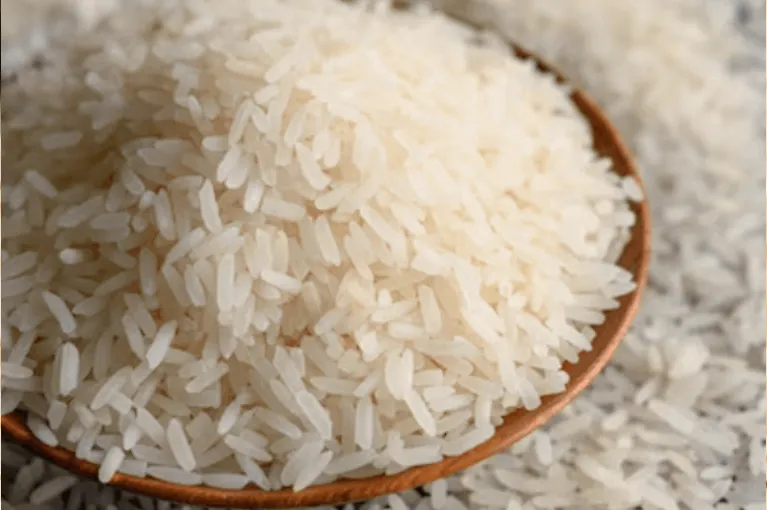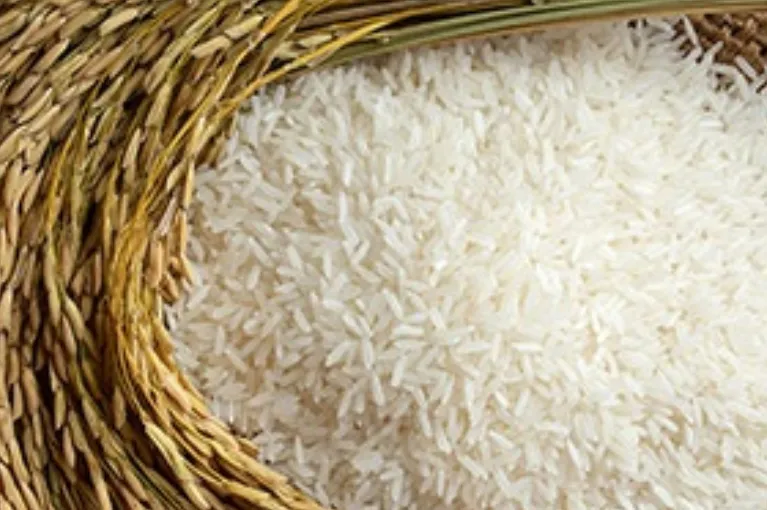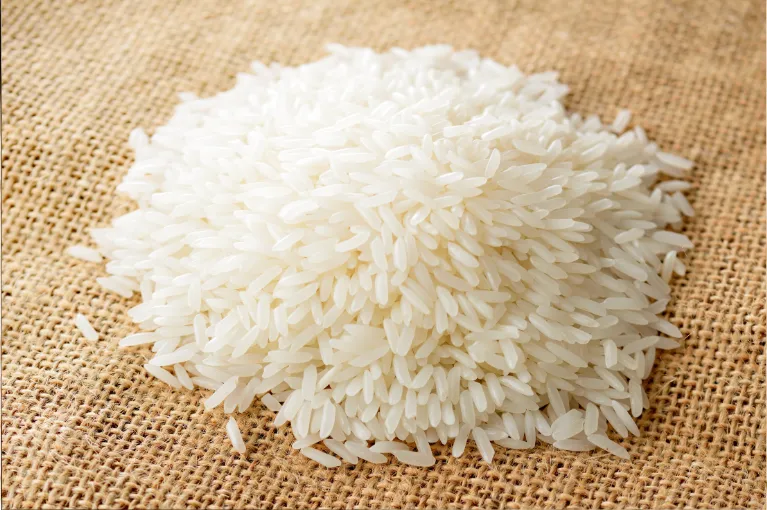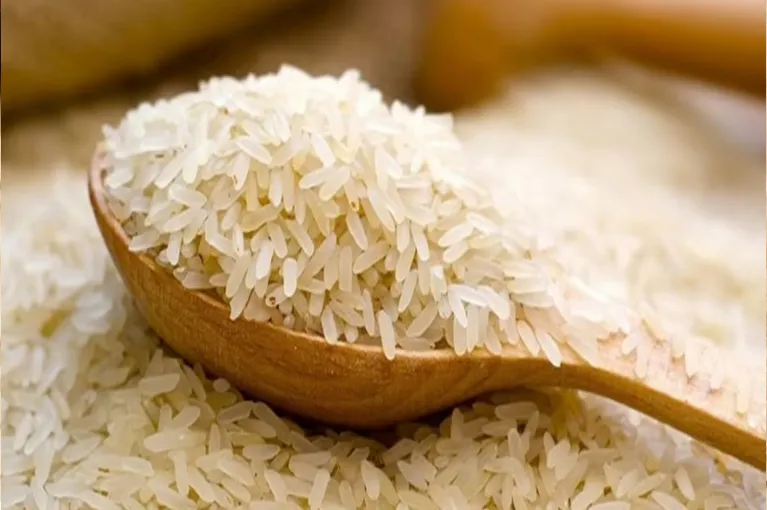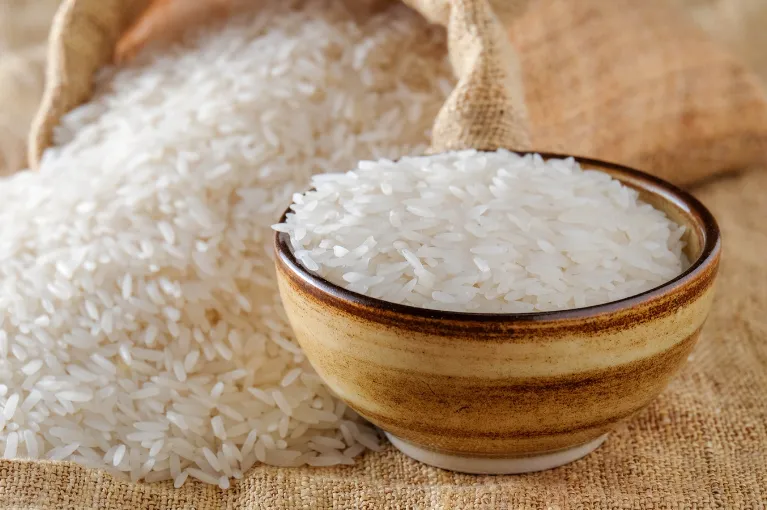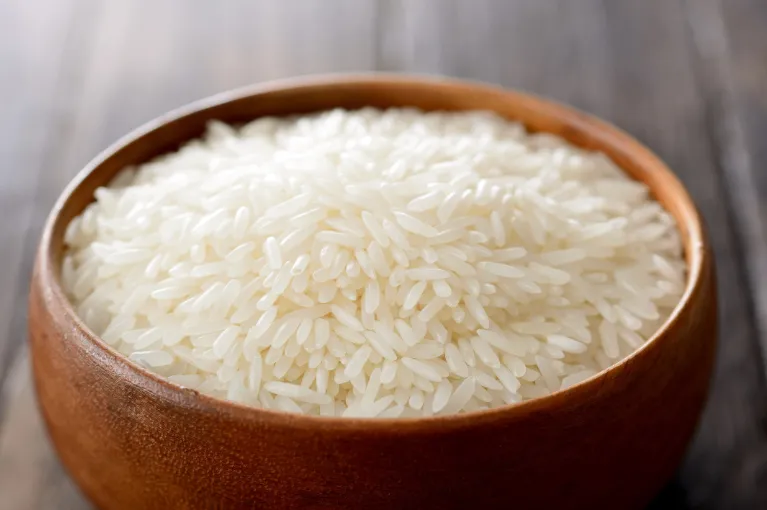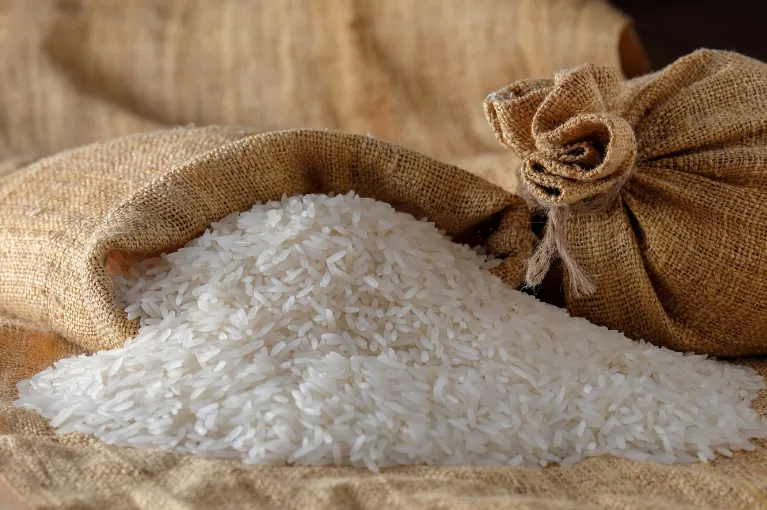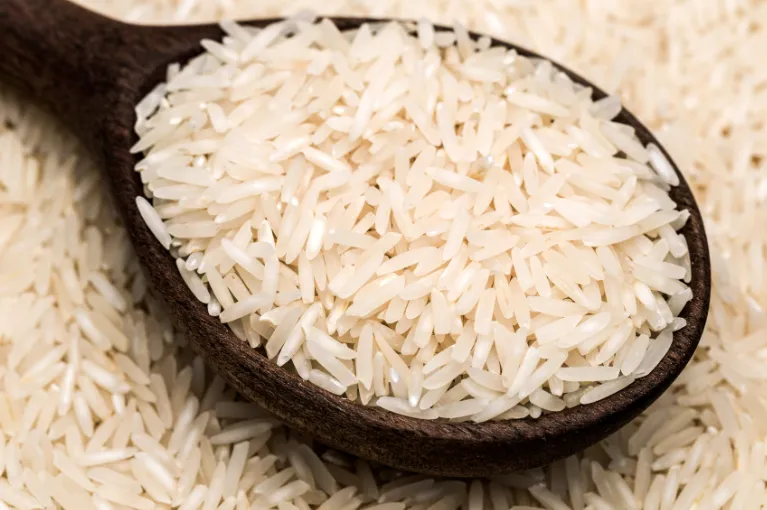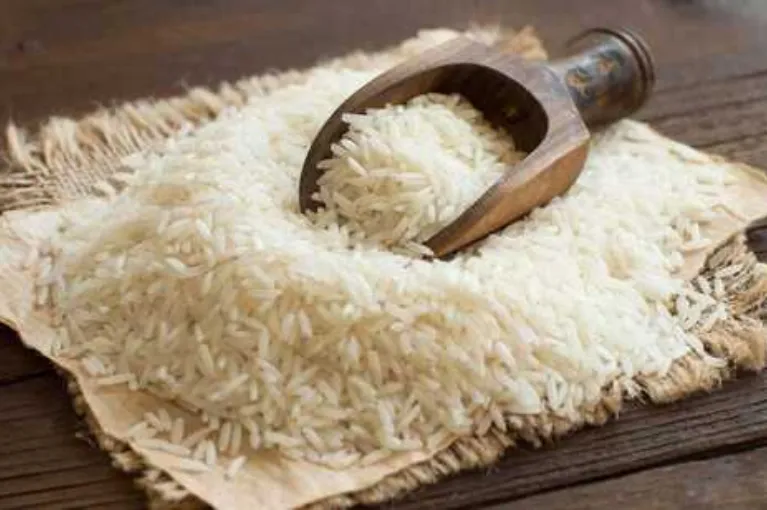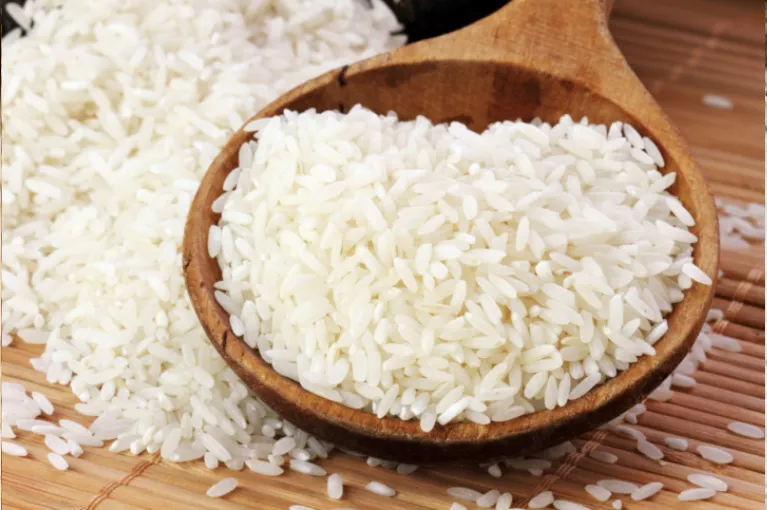
PK 386 Long Grain Rice
Minimum Order Quantity : 26 MT
Available Bag Size
Available Bag Type
PK 386 is a non-aromatic long-grain rice variety cultivated exclusively in Pakistan that elongates significantly when cooked, making it a cost-effective alternative to Basmati for commercial and institutional use.
PK 386 Rice is a unique non-basmati variety cultivated exclusively in the Punjab region of Pakistan (specifically the Kala Shah Kaku belt). In global trade circles, it is frequently marketed as "Basmati 386" or "The Poor Man's Basmati" because it possesses the most commercially valuable trait of premium rice: significant elongation .
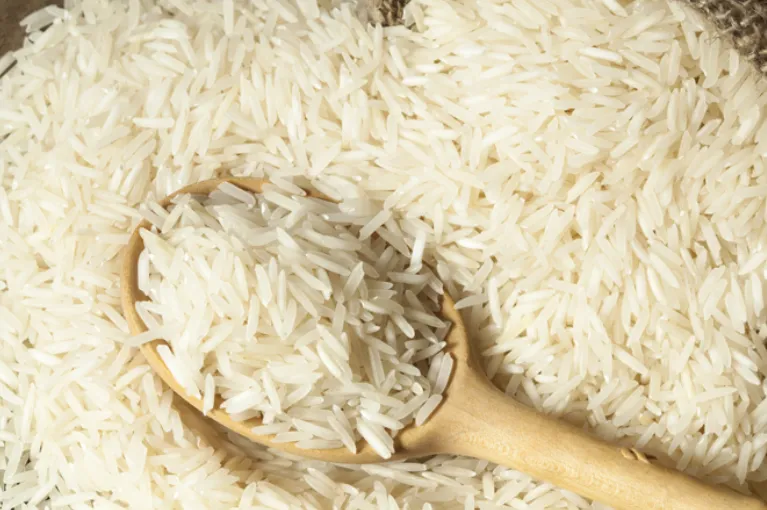
Unlike standard non-basmati rice varieties like IRRI-6 or IRRI-9, which expand in width when cooked, PK 386 grains elongate linearly—stretching from a raw length of ~6.8 mm to over 10-12 mm when cooked. This mimics the visual appeal and fluffiness of Basmati without the accompanying aroma, making it the perfect "bridge" product. It offers the texture of premium Pakistan rice at a price point competitive with coarse long grains.
From an International buyer's perspective, PK 386 is a strategic alternative for high-cost Basmati rice in price-sensitive markets like East Africa and the catering sectors of the Gulf.

Both PK 386 Long Grain Rice and Indian Sharbati are positioned as “Basmati alternatives”, bridging the gap between standard long-grain rice and premium Basmati. They appeal to those wanting Basmati-like length and texture at a lower price, especially in international markets.
The source of each variety fundamentally shapes its supply chain efficiency. PK 386 is cultivated exclusively in Pakistan's Punjab and Sindh provinces, following specialised export pathways tailored to the Gulf and East Africa—hubs that prioritise bulk and commercial-grade rice. Conversely, Sharbati is grown across Northern India (Haryana, Punjab, and UP) and enters markets via broader Indian export corridors alongside other non-Basmati varieties like PR-11. While both target similar regions, PK 386 benefits from a more dedicated, "workhorse" supply chain, whereas Sharbati's availability can fluctuate based on India's domestic support prices and broader market demands.
Visual appeal is the primary differentiator for commercial buyers. PK 386, often dubbed "False Basmati", secures the advantage in presentation with a dramatic 13 mm cooked length and a slender, cylindrical shape that closely mimics premium grades. In contrast, Sharbati trades this extreme elongation for a softer texture; while fluffy and non-sticky, its shorter 11.5-12.5 mm grain makes it less about high-impact visuals and more about eating comfort.
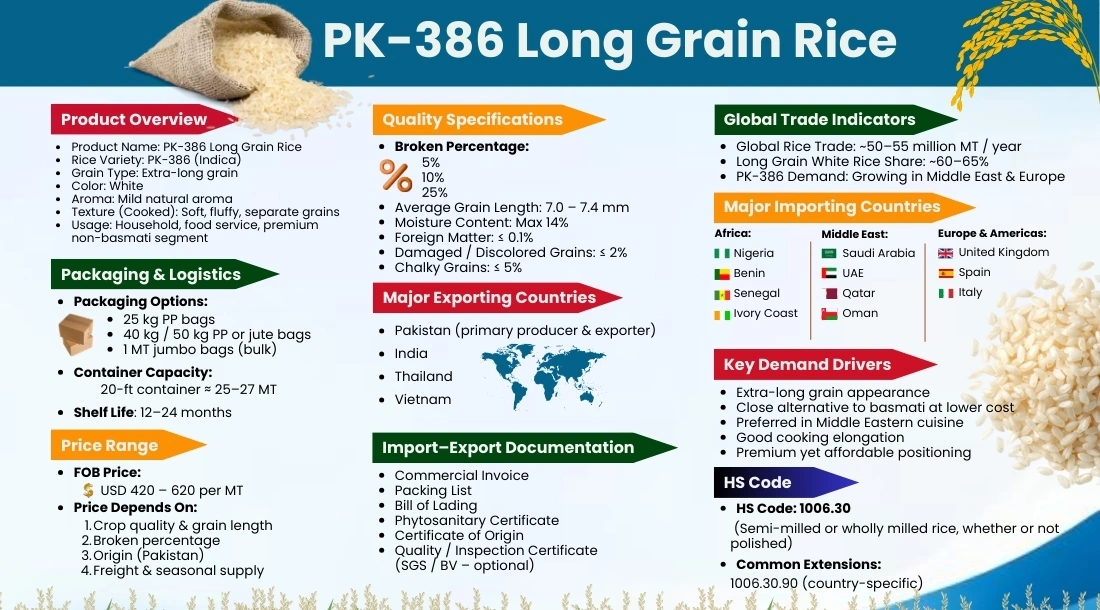
For budget-sensitive buyers, the choice comes down to the "length-for-value" metric versus texture. PK 386 is positioned as the high-yield, cost-effective option, undercutting premium varieties like Pusa 1121 while delivering nearly 90% of the visual appeal . This creates maximum plate impact per dollar, a critical factor for caterers. Sharbati, typically slightly more expensive regarding length-to-volume, offers a softer bite that appeals more to household consumers and retail buyers who prioritise the eating experience over the sheer length of the grain.
Ultimately, the intended end-use drives the selection. Commercial buyers favour PK 386 for its ability to maintain an elongated shape in large vessels, adding a premium look to high-volume food service. Retail buyers, however, lean towards Sharbati. Its softer profile fits the requirements of household cooking and proprietary blends, where the focus is on a reliable, tender meal rather than visual spectacle.
To source true export quality rice in Pakistan, buyers must verify parameters against ISO 7301 and REAP (Rice Exporters Association of Pakistan) standards.
| Average Grain Length | 6.8 mm |
|---|---|
| Brokens Ratio | 2% Max |
| Chalky Grain | 3% max |
| Foreign Grain | 0.2% max |
| Foreign Matter | 0.1% max |
| Moisture | 14% Max |
| Paddy Grain | 0.2% max |
| Polishing Grade | Silky/Double polished |
| Under-milled and red striped | 2% max |
Long grain rice suppliers in Pakistan process PK 386 into three distinct forms to cater to specific end-uses.
According to recent trade flows (verified via WITS and OEC), Pakistan is the sole origin for this variety. Long grain rice for sale under the "386" label is highly concentrated in specific corridors.
Major Importers:
PK 386 functions as a high-utility "bridge" grain. It is used in markets that demand the visual appeal of Basmati—specifically, extreme elongation—but operate within the budget constraints of commercial food service.
PK 386 isn't chosen for aromatic delicacy. It is selected because it delivers the visual prestige of extreme elongation at a commercial price point, acting as a volume driver for businesses that sell by appearance but profit by cost control.
Note: Commodity markets are volatile. These indicators reflect the current rice rate in Pakistan and export benchmarks as of early 2026, factoring in recent export dips and production adjustments.
For international buyers tracking the 1 ton rice price in Pakistan, the current FOB Karachi benchmarks reflect a tightening market due to reduced crop yields this season.
Trend : Reduced crop size is negatively influencing the market this season, pushing prices upward. Recent data indicate a dip in overall rice exports in Q1 FY26, further supporting firm pricing.
Note : All prices are indicative and subject to fluctuation based on daily market rates and stock availability. Please contact us directly for a firm offer and a valid period.
For local traders and families tracking the rice rate in Pakistan, pricing varies significantly by volume and brand positioning.
Wholesale (Mandi Rate) The pricing for PK-386 is anchored by activity in Lahore and Karachi. Traders looking for the 50 kg rice price in Pakistan will find the standard bag hovering in the PKR 10,500 - PKR 11,500 range. Note that these "Mandi rates" are fluid, shifting daily in response to the pace of seasonal inflows from the Punjab belt and recent inflationary pressures.
Premium Brands : Top-tier labels (e.g., Falak, Guard) trade significantly higher. The rice 1kg price in pakistan for these sorted, polished varieties is currently PKR 260 - PKR 290.
Raw vs. Processed: White raw rice continues to trade at a discount relative to Sella and Steam varieties. This price gap reflects the extensive fuel and processing overhead required to parboil and steam grains for superior durability and length.

Current Market Size:
According to WITS (World Integrated Trade Solution) 2024 export data, global rice exports exceed ~42.6 million tonnes, with India (~18.0 Mt), Thailand, Pakistan (~6.6 Mt), the United States, and Cambodia among the top exporters by volume. This reflects robust international trade flows and the pivotal role of Asian exporters in global rice supply.
Trade Value & Scope:
Rice remains one of the world's most traded cereals, moving in bulk across markets where staple demand, processing formats (white vs parboiled), and price sensitivity shape export and import behaviour. WITS data underscores that rice export value and tonnage are concentrated among a few major producers, with Pakistan a significant contributor in the long grain segment.
Forecast Period (2026-2031):
Medium-term trade assessments indicate steady global rice trade flows, characterised by incremental growth and realignment of export shares as producer nations adjust their output and policy direction. Processed rice formats commonly attract premiums of 10-5% over standard white rice, driven by their durability and end-use efficiency in supply chains. Disclaimer: Market forecasts fluctuate with harvest cycles, climate conditions, and export restrictions.
The global appetite for PK 386 rice is not accidental; it is driven by specific economic and culinary factors that keep demand high despite fluctuating rice prices in Pakistan.
Securing duty efficiency in key markets requires precise HS code application.
Understanding the supply side is critical for long grain rice suppliers attempting to forecast future pricing.
For importers asking about the logistics of moving export quality rice in Pakistan, the standards are rigid to ensure cargo safety.
To distinguish genuine long grain rice for sale from blended or adulterated stock, sophisticated buyers mandate specific checks.
For international buyers of PK 386 rice, documentation is the ultimate signal of safety. It is not just about filling out forms; it is the framework that ensures every grain meets global standards of consistency. Exporters who excel in this trade understand that accurate documentation is the intersection where regulatory approval meets peace of mind, assuring clients that their investment is secure, safe, and compliant.
In the PK 386 trade, compliance bridges the gap between standard bulk regulations and the specific quality assurances needed for food service markets.
With the structural shift in farming away from PK 386 toward hybrid seeds, this variety is transitioning from a "bulk commodity" to a "niche mid-tier" product. We anticipate a steady increase in the price of rice per kg for this specific variety throughout 2026. Buyers in Africa may eventually be forced to downgrade to IRRI-9, while Middle Eastern catering buyers will likely absorb the price hike to maintain the quality consistency of their dishes.
Disclaimer : Agricultural commodity prices are subject to change due to exchange rates, crop outcomes, and government export policies. The listed FOB Karachi prices are indicative estimates for Q1 2026 based on current market trends. All parties are advised to confirm all trades with official documentation and current analysis reports.
Sources: HAS Rice Pakistan, WITS, OEC, REAP (Rice Exporters Association of Pakistan)
Get in Touch
Usually around 26 MT (one fully loaded 20 ft container). Smaller quantities are uncommon in bulk rice trade unless specially arranged.
Register on Tradologie as a buyer (it’s free), post your detailed requirements (including broken %, packing size, and destination port), receive live quotes, negotiate directly with exporters, and finalise the order once terms align.
Most trades are done on a letter of credit at sight. In some cases, escrow-based payments with partial advance are used depending on the buyer–seller agreement.
Free for buyers, direct negotiation with verified suppliers, full transparency, and real-time offers ensure trade without hidden middleman costs.
Typically around ~1 month, depending on documentation readiness, payment completion, vessel availability, and port conditions at both ends.
Yes. Our quoting process starts with your requirements; once you specify the broken %, bag size, and destination, we calculate the cost accordingly.
Rice imports and exports fall under HSN/HS Code 1006. For non-basmati milled rice like PK 386, the commonly used subheading is 10063090, covering semi-milled or fully milled rice other than basmati. This code ensures correct customs classification and smooth trade documentation.
The raw rice trade is generally volume-oriented. Most shipments move at the container level or higher, though quantities can vary depending on market conditions.
Usually around 26 MT, which is one fully filled container. Smaller quantities are uncommon in bulk trade.
Register on Tradologie as a buyer (it’s free), post your requirement, and negotiate directly with exporters based on live, real-time quotes. Once terms are aligned, the order is finalised.
Most trades are done on Letter of Credit at sight. In some cases, escrow-based payments with a partial advance are also used, depending on the deal and buyer–seller understanding.
The platform is free for buyers and allows direct negotiation with verified suppliers. You see real offers, no hidden margins, and full transparency through the process.
Typically around 1 month, but timelines depend on documentation readiness, payment completion, vessel availability, and port conditions on both ends.
Yes. Buyers usually specify broken %, packing size, and destination port upfront. Suppliers quote based on those exact requirements.