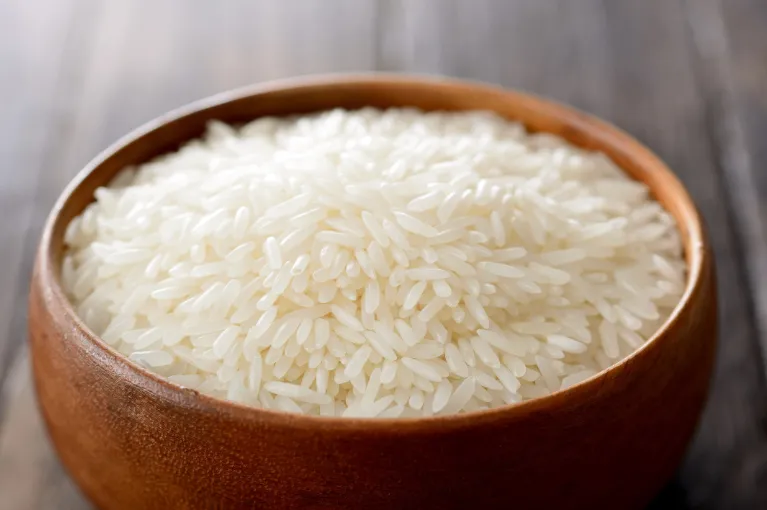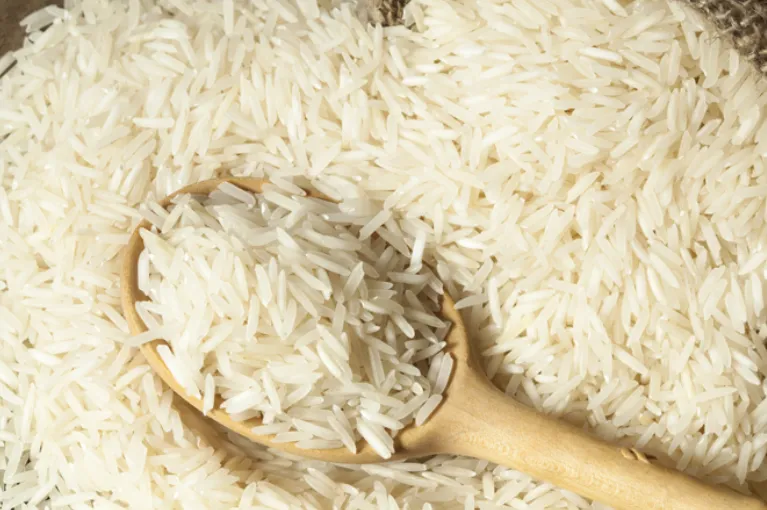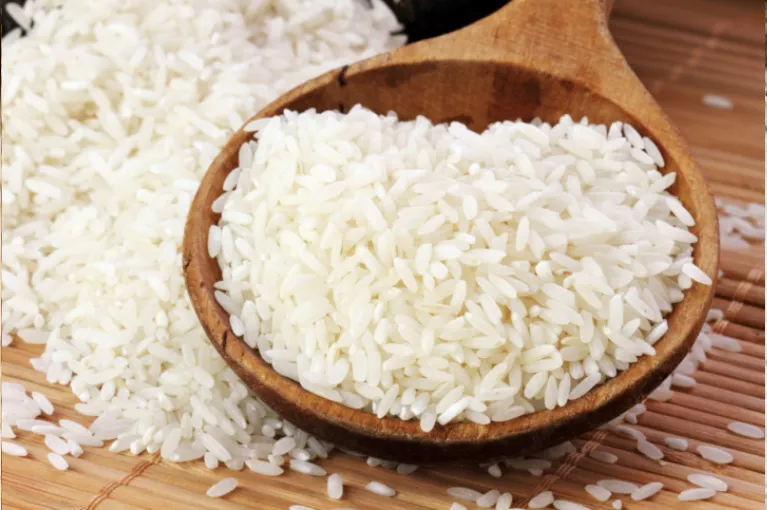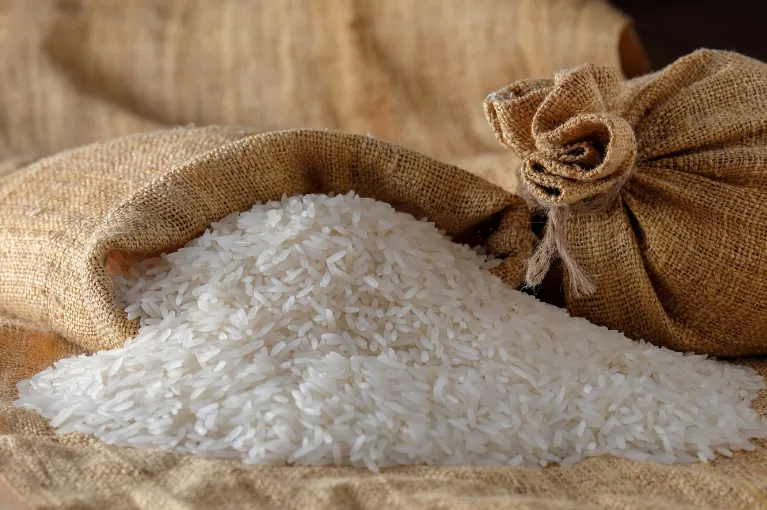
Parboiled Rice
Minimum Order Quantity : 26 MT
Available Bag Size
Available Bag Type
Shelf life : 12-24 months under dry storage
Common Incoterms : FOB, CIF
Documentation : includes CO, phytosanitary certificate, and inspection reports
Facilitated by Tradologie.com
Offered By : Parboiled Rice Exporters

This is a Vegetarian product.
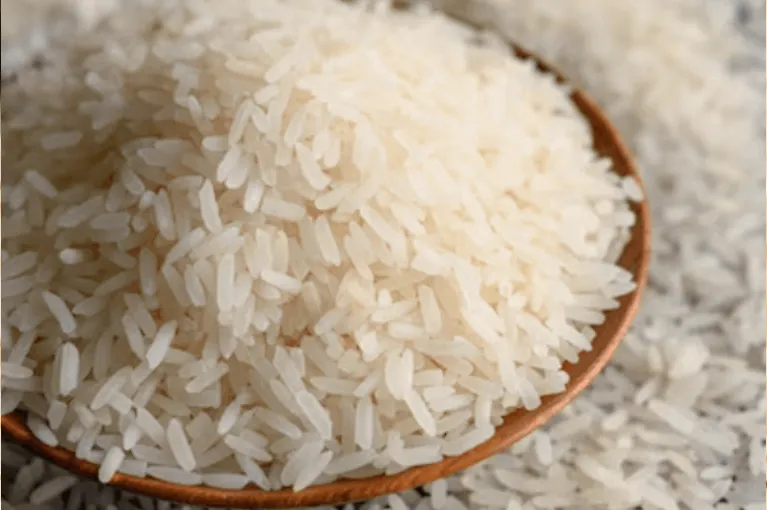
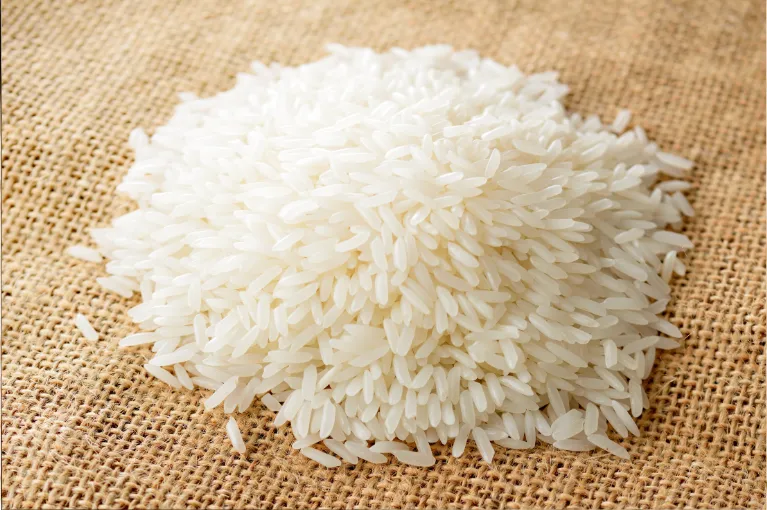
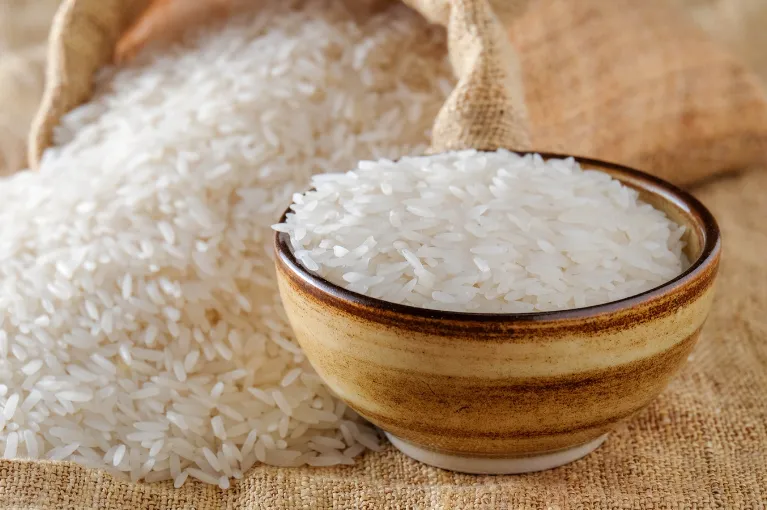
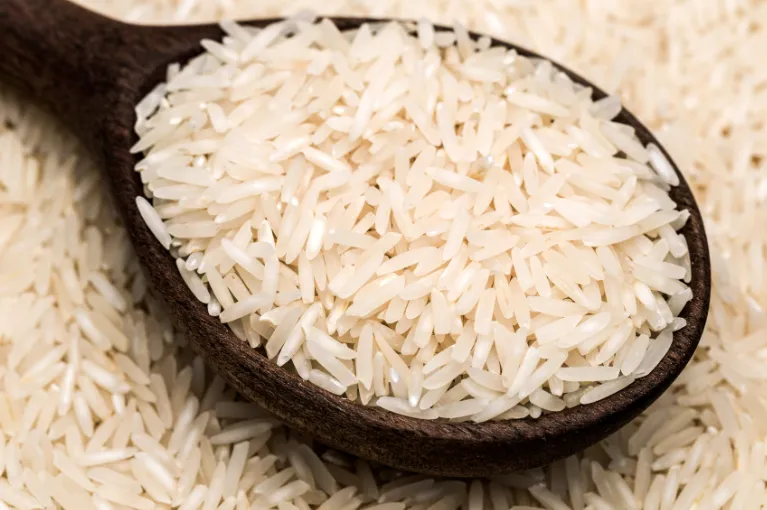
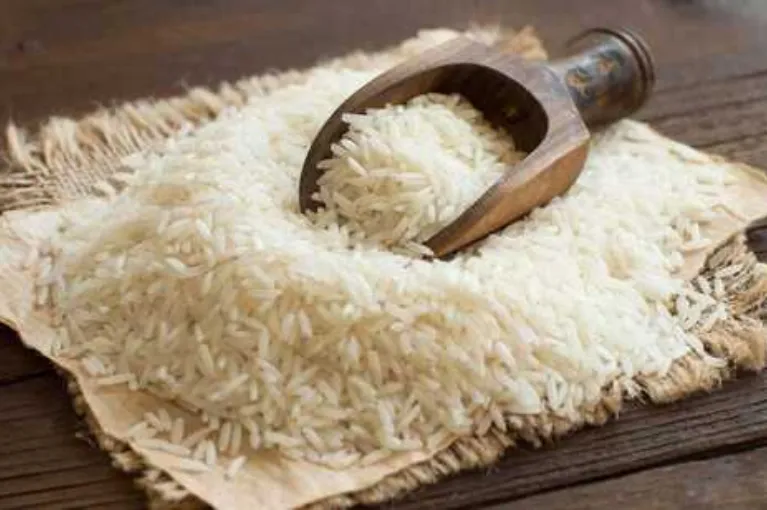
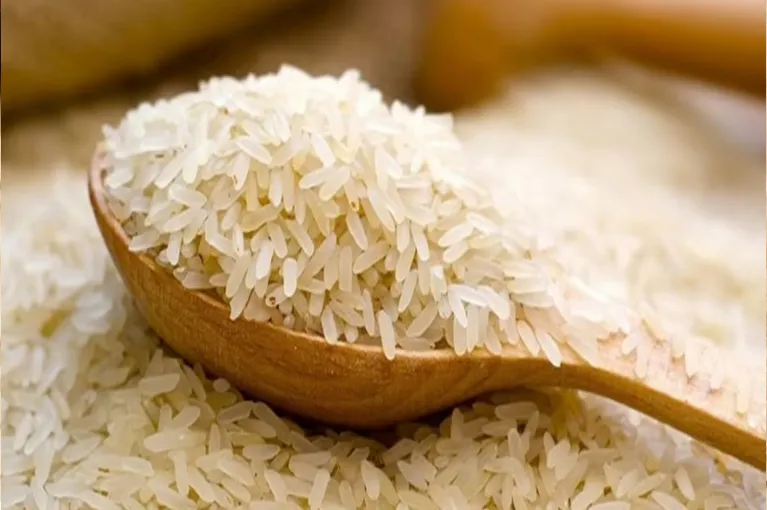
Parboiled rice is a partially precooked rice produced by soaking, steaming, and drying paddy before milling. This process improves the grain’s nutritional value, cooking texture, and storage stability. Because of these advantages, parboiled rice is widely consumed across Asia, Africa, and the Middle East and plays a major role in global rice trade.
Parboiled rice is one of India’s most traded rice varieties, widely used in food service, bulk procurement and international markets. This page provides updated export prices, quality attributes, top importing countries, and sourcing insights for global buyers and importers.
Parboiled rice retains more nutrients compared to conventional white rice because the parboiling process pushes vitamins and minerals from the bran layer into the grain before milling. As a result, it provides a balanced source of carbohydrates for energy along with moderate amounts of protein, fiber and essential minerals.
| Nutrient | Approximate Amount (1 Cup Cooked) |
|---|---|
| Calories | 194 |
| Carbohydrates | 41 g |
| Protein | 4.6 g |
| Fiber | 1.4 g |
| Fat | 0.6 g |
The parboiling process improves the nutritional profile of rice and enhances its cooking properties. Because of these characteristics, parboiled rice is commonly used in both household diets and large-scale food distribution programs.
Parboiled rice contains resistant starch that can support beneficial gut bacteria and contribute to improved digestive health.
Compared with regular white rice, parboiled rice generally produces a slower rise in blood sugar levels, which may help maintain balanced energy levels.
Because nutrients migrate into the grain during the parboiling process, the rice retains more vitamins and minerals even after milling.
| Feature | Parboiled Rice | White Rice |
|---|---|---|
| Processing | Partially boiled before milling | Milled directly |
| Nutritional Retention | Higher | Lower |
| Cooking Texture | Firm and separate grains | Softer and sometimes sticky |

| Feature | Details |
|---|---|
| Type | Partially precooked rice |
| Processing | Soaking → Steaming → Drying |
| Main Producers | India, Thailand, Vietnam, Pakistan |
| Major Importers | Nigeria, Senegal, UAE, Bangladesh |
| Common Uses | Household cooking, food service, public distribution programs |
| Variety / Grade | Export Price (FOB India) | Grain Type | Uses | Demand Markets |
|---|---|---|---|---|
| Long Grain Parboiled | USD 420 – 500 per MT | Long | Table rice, bulk food | Africa, Middle East |
| Short/Medium Parboiled | USD 400 – 480 per MT | Medium | Retail & institutional | Asia, Europe |
| 1509/1121 Parboiled Blends | USD 450 – 550 per MT | Long | Premium export | UAE, Saudi, Bangladesh |
Parboiled rice is widely used in both household kitchens and commercial food service because of its firm texture and consistent cooking performance.
In many countries, parboiled rice is used for everyday meals because the grains remain separate after cooking and are less likely to become sticky.
Large kitchens, hotels and catering services often prefer parboiled rice because it maintains its texture even when prepared in large batches.
Food manufacturers use parboiled rice in packaged meals, canned foods and microwave-ready products because the grains remain firm during industrial processing.
Note: Export prices are indicative and can vary due to freight, seasonality and bulk quantity.
India is among the world’s leading exporters of parboiled rice, supplying bulk volumes to West Africa, the Middle East and South Asia. The structural advantages include production scale, milling infrastructure, and competitive pricing relative to other suppliers. Parboiled rice is preferred in many regions for its higher yield after cooking and extended shelf life.
In trade conversations, the distinction usually comes up only when volume, storage, or handling enters the picture. That's where the difference between parboiled and boiled rice comes in.
At scale, the difference becomes practical rather than technical. One fits into trade systems. The other stays closer to the kitchen.
| Parameter | Typical Trade Range |
|---|---|
| Product Type | Parboiled Rice |
| Grain Length | Short (≤ 5.50 mm) Medium (5.51 - 6.60 mm) Long ( ≥ 6.61 mm) |
| Broken Content | 5% - 25% |
| Moisture | Max 14% |
| Purity | Min 99% |
| Foreign Matter | Max 0.1% |
| Milling | Well-milled |
| Processing | Soaking → Steaming → Drying |
| Standards | Codex, FSSAI, BIS |
| Inspection | SGS / BV / Intertek |
| Basis | Trade & regulatory norms |
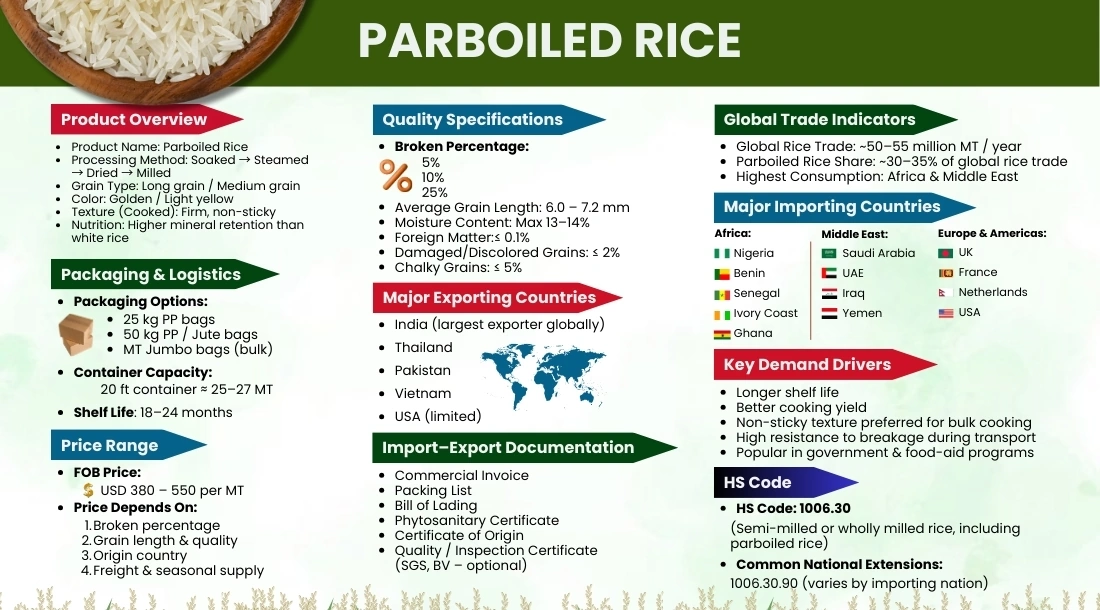
Parboiled rice is traded across several commercial grades, shaped more by end-use than by origin branding. Buyers typically define requirements around breakage, grain length, and processing intensity to ensure the product matches specific culinary or industrial needs.
By Broken Percentage
The percentage of "broken" is the primary factor in determining the market price and intended consumer base.
By Grain Type
The physical dimension of the grain dictates the texture and cooking performance.
Most global tenders revolve around long grain parboiled rice with 10-15% broken, while premium export contracts lean toward 5-10% broken to satisfy stricter quality controls.
Variant Summary Table
| Variant | Typical Use | Buyer Profile | Price Sensitivity |
|---|---|---|---|
| 5% Broken | Institutional / retail-linked | Importers, agencies | High (Quality focus) |
| 10% Broken | Bulk distribution | Wholesalers, Large distributors | Medium (Value focus) |
| 25% Broken | Processing / Value-tier | Food processors, Discount brands | Low (Volume focus) |
Public Distribution Systems (PDS) & Government Reserves
Parboiled rice is essential for food security in West Africa, South Asia, and parts of South East Asia.
Institutional Kitchens
These environments value forgiveness in the cooking process.
Food Processing & Industrial Blending
Parboiled rice acts as a "functional ingredient" rather than just a side dish.
Bulk Export & Global Logistics
Parboiled rice is the "heavy-duty" version of the commodity.
Major Supplying Countries
Major Importing Regions
India's Strategic Role
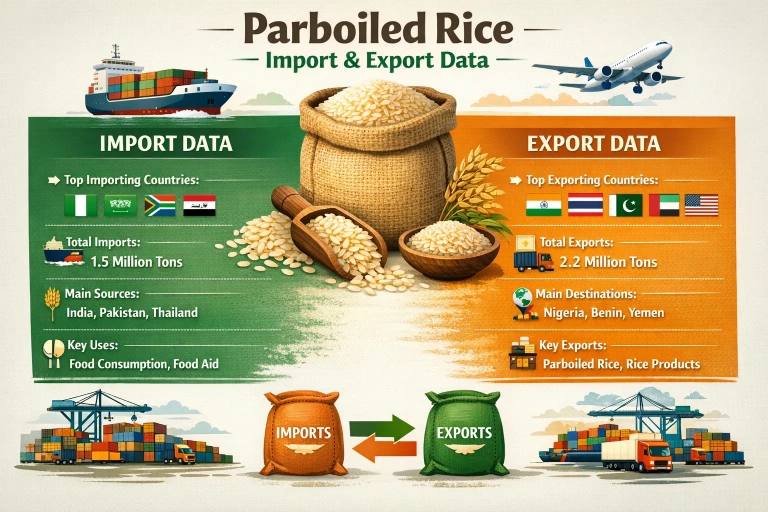
Parboiled rice sits within the broader processed rice trade, which typically moves 50-55 million metric tons annually across global markets.
While exact segmentation varies by source, parboiled rice accounts for a significant share of bulk institutional and government-linked procurement. Forecasts usually span five to ten years, with growth assumptions tied closely to population trends and public food programs.
Projections should be read as directional rather than fixed, reflecting policy stability more than consumer preference.
Parboiled rice demand tends to stay steady rather than surge. In most importing markets, it functions as part of the food supply system, not as a discretionary choice. That’s why volumes move quietly and consistently.
These parboiled rice explain why demand holds even when markets soften.
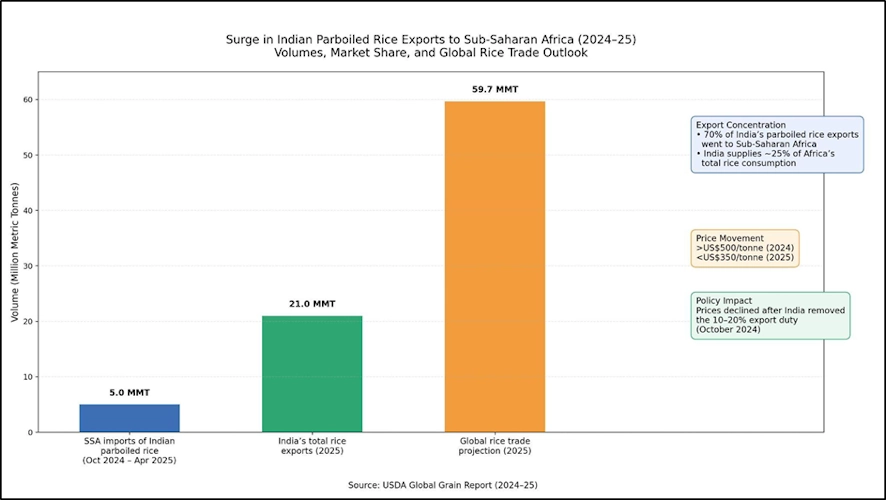
The Asian rice supply chain is a high-volume, high-sensitivity machine. It functions with remarkable efficiency under normal conditions, but its heavy reliance on predictable weather and stable trade policy makes it prone to rapid, sharp corrections.
The 2025 cycle demonstrates that when India "sneezes," the global rice market catches a cold—but when India "opens the gates," it can single-handedly lower food inflation across two continents.
Indicative Bulk Export Price
Pricing Variables
Market Sentiment (January 2026)
Note: Global parboiled prices are currently under pressure due to aggressive competition between India, Thailand, and Vietnam to clear surplus inventories. However, geopolitical tensions in the Middle East and shipping disruptions in the Red Sea have introduced "spot demand" volatility, making prices subject to weekly movement.
Parboiled rice is classified under HS Code 1006, with sub-classification determined by milling and processing level. Accurate classification is essential for customs clearance and duty assessment.
Buyer Expectations & Trade Requirements
Importers typically focus on:
Consistency tends to outweigh marginal price advantages.
Mandatory
Market-driven
Growth is expected to remain steady rather than explosive. Opportunities lie in institutional procurement, long-term supply contracts, traceable sourcing, and value-added processing rather than consumer branding.
The trade is moving slowly toward higher compliance, not higher margins.

All prices, specifications, and trade data are indicative and subject to change based on season, origin, compliance requirements, and logistics. Buyers and sellers should verify details before contracting.
Get in Touch
Parboiled rice trade is generally volume-oriented. Most shipments move at container level or higher, though quantities can vary depending on market conditions.
Usually around 26 MT, which is one fully filled container. Smaller quantities are uncommon in bulk trade.
Register on Tradologie as a buyer (it’s free), post your requirement, and negotiate directly with exporters based on live, real-time quotes. Once terms are aligned, the order is finalised.
Most trades are done on Letter of Credit at sight. In some cases, escrow-based payments with a partial advance are also used, depending on the deal and buyer–seller understanding.
The platform is free for buyers and allows direct negotiation with verified suppliers. You see real offers, no hidden margins, and full transparency through the process.
Typically around 1 month, but timelines depend on documentation readiness, payment completion, vessel availability, and port conditions on both ends.
Yes. Buyers usually specify broken %, packing size, and destination port upfront. Suppliers quote based on those exact requirements.
Parboiled rice refers to rice that has been partially steamed before milling, which improves its nutritional profile, texture and resistance to breakage during transport.
West African countries like Nigeria, Senegal and Ivory Coast import large volumes, as well as markets in the Middle East and South Asia.
Export prices typically range between USD 420 – 550 per metric ton, depending on grade, quality and shipment terms.
Exporters adhere to moisture limits, broken grain percentage, foreign matter limits, and milling specifications to meet buyer requirements and regulatory norms.