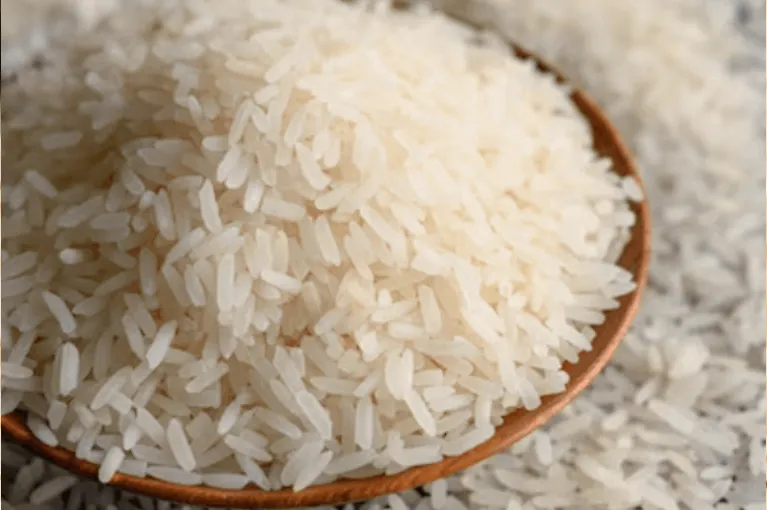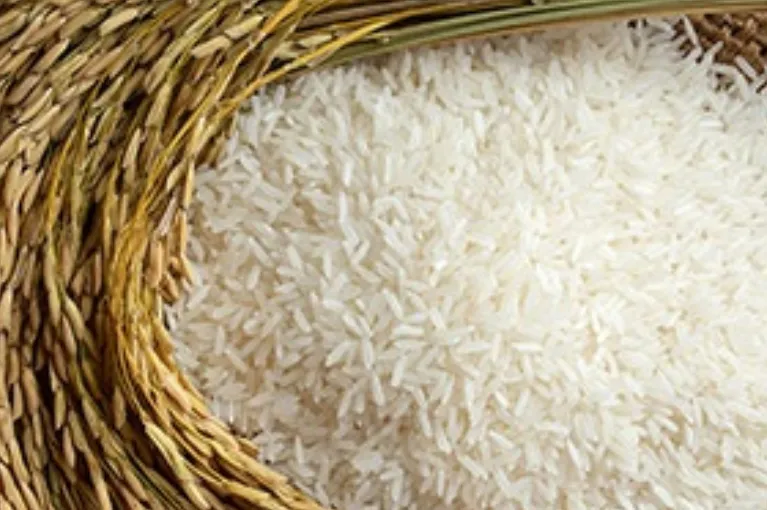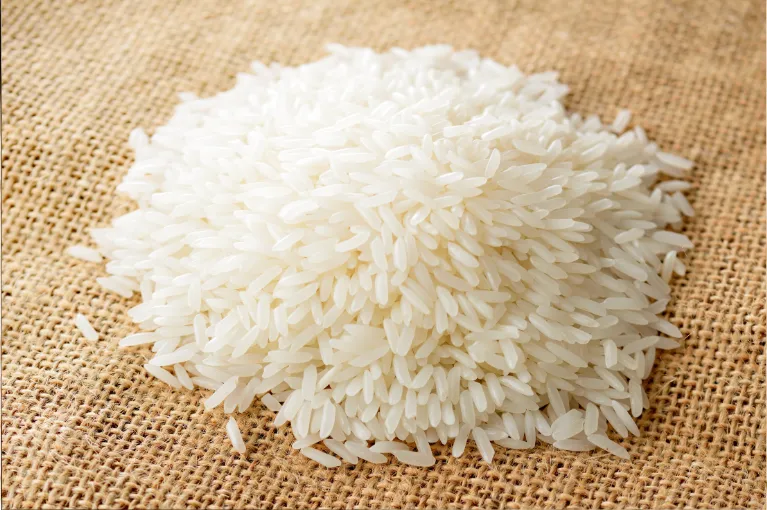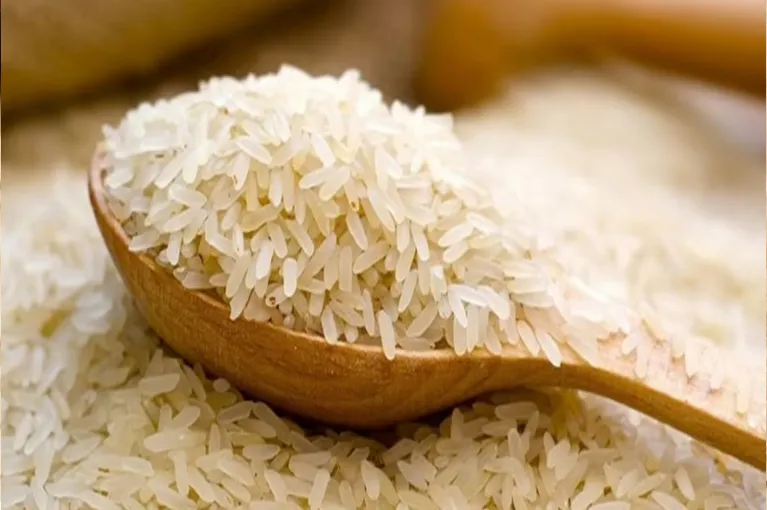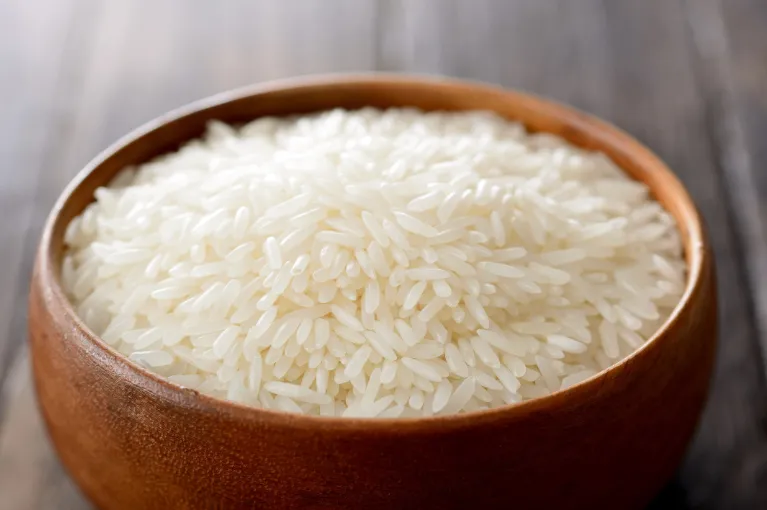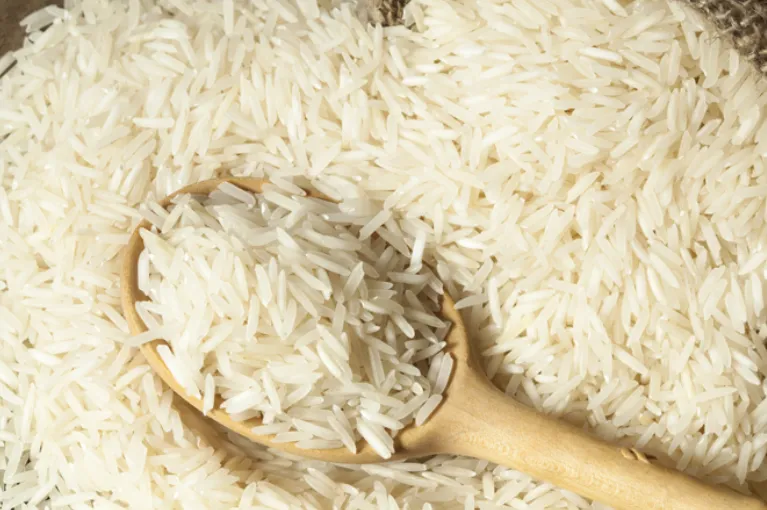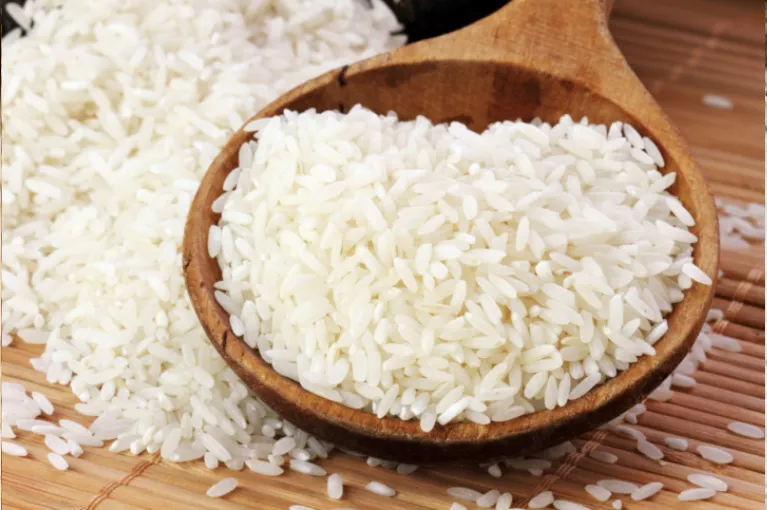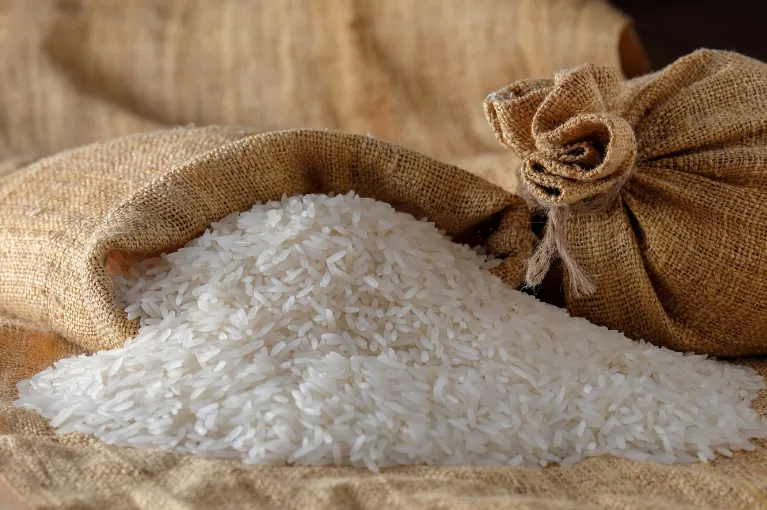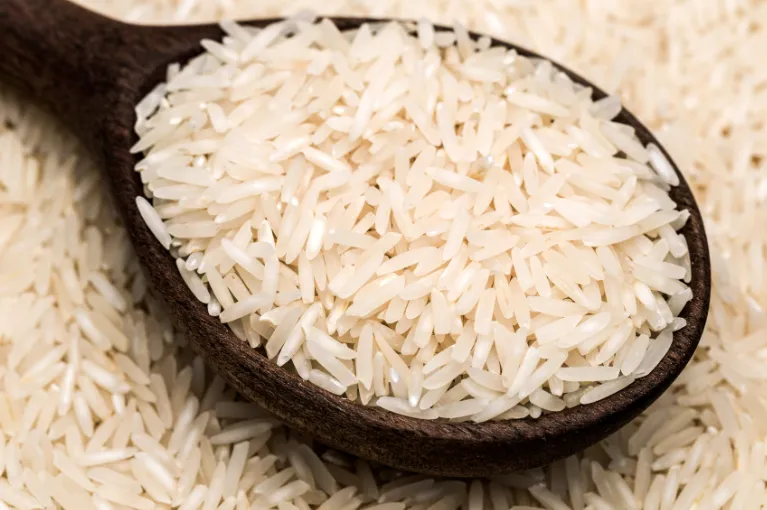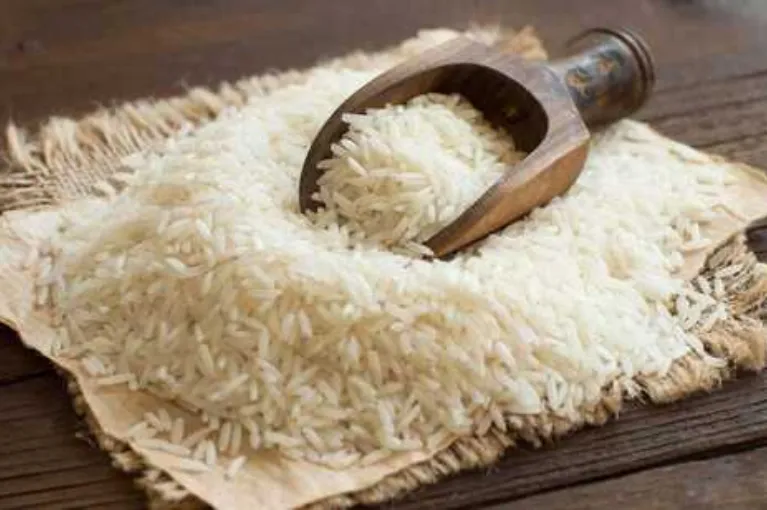
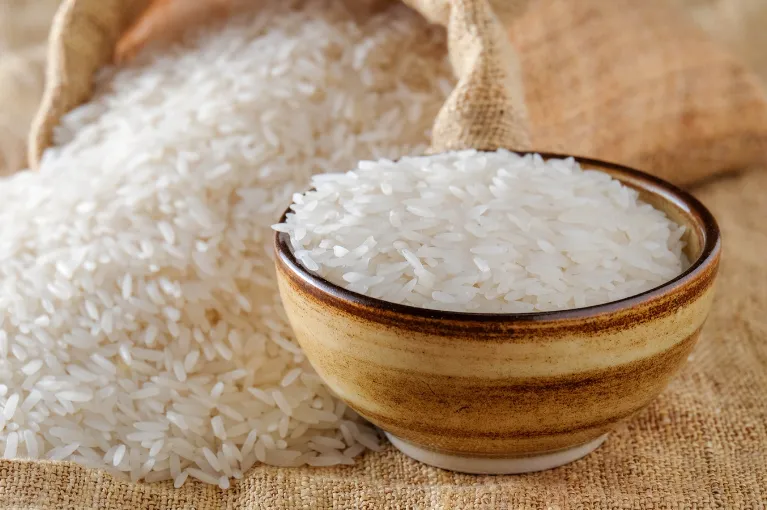
IR-8 Long Grain Rice
Minimum Order Quantity : 26 MT
Available Bag Size
Available Bag Type
IR-8 Long Grain Rice is a high-yield, cost-effective staple variety widely traded across Africa, the Middle East, South Asia, and Southeast Asia due to its firm texture and reliable bulk supply.
Originally developed during the Green Revolution, IR-8 rice remains a key commodity in international rice markets, with structured pricing based on grade, broken percentage, and processing type influencing procurement strategies for importers, food service industries, and institutional buyers worldwide.
IR-8 Long Grain Rice is a foundational high-yielding IR 8 rice variety, often historically termed "Miracle Rice," that revolutionised rice production across Asia. From a trade point of view, however, it is viewed as a robust, functional commodity—no premium storytelling, just a reliable workhorse for global food security.
It matters in global trade because it offers a sturdy grain composition and consistent yield potential. This makes IR 8 rice a cornerstone product for global bulk B2B trade, utilised heavily by industries ranging from large-scale food service to consumer-packaged staples. Buyers procure IR8 raw rice when they need a cost-effective, non-sticky long grain rice that is suitable for large-volume logistics without the price tag of fragrant varieties.
It is impossible to overestimate the significance of this grain. The Green Revolution was started, and famine was avoided when the IR 8 rice variety was brought to the Philippines and India in the 1960s. It is still a representation of agricultural productivity and volume today.

IR 8 rice and premium varieties like Basmati or Jasmine sit in different segments of the trade. While fragrant rice is driven by aroma and luxury appeal, IR-8 is driven by fundamentals: yield, resilience, and cost.
IR 8 Long Grain Rice is the cost-effective alternative. The IR 8 rice price is generally much more competitive compared to premium fragrant varieties, making it the preferred choice for budget-conscious institutional catering, government stockpiling, and public distribution systems.
Premium varieties are valued for aroma and delicate softness. In contrast, IR8 raw rice is valued for its firm texture and non-sticky nature.

| Parameter | Specification |
| Moisture Content | 14% Max |
| Average Grain Length | 5.8mm - 6.0mm |
| Milling Degree | Well Milled / Double Polished |
| Broken Grains | 3% (Premium) - 5% (Standard) |
| Chalky Grains | 3% - 5% Max |
| Foreign Matter | 0.1% Max |
| Paddy Grains | Max 15 grains per kg |
| Grade / Type | Long Grain Milled Raw Rice |
| Parameter | Specification |
Before analysing specific grades, it is vital to understand the classification. The IR 8 rice full form stands for "International Rice-8". It is a high-yielding, semi-dwarf variety originally developed by the International Rice Research Institute (IRRI) that kick-started the Green Revolution in Asia.
While traders often use the shorthand, the IR rice full form refers to the broader "International Rice" lineage. Specifically, the IR8 meaning in a modern trading context has shifted from just a botanical variety to a genericised term for a specific class of long-grain, high-volume coarse rice. When buyers ask for the IR8 full form in trade documents, they are verifying this specific origin standard, distinct from Basmati or Jasmine varieties.
IR-8 is traded as a versatile bulk commodity. When buyers import IR-8, they are choosing a specific processing style to match their target market, not a brand.
By Processing Type
By Broken Percentage
Broken percentage is the primary price lever in the rice trade. It refers to the percentage of grains broken during the milling process.
By Application
IR-8 is used where texture and volume matter more than aroma. It fits into systems that require non-sticky, firm rice.
Major Asian exporters are connected to high-consumption markets in Africa and the Middle East through the IR-8 trade flow.
Top Exporters of IR-8 Long Grain Rice
Leading Importers of IR-8 Long Grain Rice
IR 8 long grain rice fits into the major "Long Grain Rice" category in global trade (HS Code 1006). It acts as the heavy lifter of the rice world, supporting essential food supplies globally.
The global rice market is huge, estimated to be worth over USD 300 billion every year. IR 8 rice makes up a significant portion of this non-basmati trade volume. Experts project that the market will continue to grow steadily at a rate of around 2.5% through 2030.
What keeps the IR 8 rice variety active is its sheer scale.
Population Growth & Food Security
As a staple food for billions, baseline demand is consistent. It is the engine of food security in many importing nations.
Cost-Effectiveness
It offers a calorie-dense food source at a price point far below fragrant varieties. This economic efficiency drives its volume.
Urbanisation & Commercial Kitchens
The growth of institutional catering favours IR-8. Commercial kitchens need rice that doesn't clump and yields well. IR-8 fits this operational requirement perfectly.
Regulatory Stockpiling
Governments often prefer IR-8 for public distribution systems and buffer stocks because it stores well and has reliable yields.
Concentrated Production
Production is heavily packed into the Asian region. India and Vietnam lead as suppliers, meaning the global supply of IR8 raw rice is tightly tied to their production rate.
Climate & Geopolitical Risk
Weather plays a huge role here. The El Niño cycle can mess up Asian monsoon patterns, creating sudden jumps in the IR 8 rice price. On top of that, politics matter—export bans or new taxes from major producers (like India) can drastically choke off the supply overnight.
Supply Concentration
Any disruption has a significant impact on the market because of the small number of key exporters. Whether it is a drought in Thailand or a policy change in New Delhi, the impact is felt globally, affecting the availability of this staple, which is often sought after as IR8 dosa rice for its popular culinary uses.
Indicative Bulk Price (FOB Major Asian Port, 2026):
Prices in this sector have seen a 15-20% increase since 2023 due to geopolitical constraints, but have stabilised in early 2026.
Note: Prices move based on grade, order volume, and origin. In this trade, cost control comes from locking in contracts during harvest peaks and managing logistics efficiently.
IR-8 classification is mandatory for accurate duty calculation.
Correct classification under the 1006 heading is critical for smooth customs clearance. Most exporters will align the specific code with the buyer's import requirements before shipping.
Packaging
Storage
IR-8 has a shelf life of 12-24 months if stored in cool, dry conditions. It is a robust grain that travels well.
Incoterms
Following international standards is essential for seamless export operations of a long grain non basmati rice that is traded extensively.
Phytosanitary Certificate
This is the non-negotiable passport for IR 8 rice. Every shipment moves with one to prove the cargo is pest-free and disease-free.
Quality Inspection
Buyers often mandate third-party inspection. They verify specific parameters, such as identifying the broken limit, moisture content, and verifying the overall quality of the IR8 raw rice before shipment.
Market Specifics
Steady Growth
The outlook remains positive. As a staple commodity, demand tracks with population growth, not trends.
Fortified Rice
A major growth segment is the blending of IR-8 with fortified kernels to meet government nutritional mandates. This adds value to the base commodity.
Value-Added Shifts
Opportunities exist in shifting towards organic-certified IR-8 or specific premium parboiled variants for export markets that demand higher traceability.
Built for bulk trade, not listings
You don't scroll products. You post a real requirement, and suppliers respond to it. That's how serious buying actually happens.
Direct access to verified exporters
You deal directly with IR-8 rice exporters who are active in the trade. No broker layers, no mixed signals.
Live negotiation, real market pricing
Prices aren't static. Negotiations happen in real time, based on broken %, volume, and shipment terms.
Specs stay front and centre.
Grain type, breakage, moisture, packing, port — everything is aligned upfront, not fixed later.
Support without interference
Coordination is there when needed, but decisions stay between Buyer and seller. Clean, professional, and transparent.
All prices, specifications, and trade data are indicative and subject to change based on season, origin, compliance requirements, and logistics. Buyers and Sellers should verify details before contracting. Data sources include Tradologie Internal Market Data and ITC Trade Map.
Get in Touch
Usually around 26 MT, which is one fully filled container. Smaller quantities are uncommon in bulk trade.
Register on Tradologie as a buyer (it’s free), post your requirement, and negotiate directly with exporters based on live, real-time quotes. Once terms are aligned, the order is finalised.
Most trades are done on Letter of Credit at sight. In some cases, escrow-based payments with a partial advance are also used, depending on the deal and buyer–seller understanding.
The platform is free for buyers and allows direct negotiation with verified suppliers. You see real offers, no hidden margins, and full transparency through the process.
Typically around 1 month, but timelines depend on documentation readiness, payment completion, vessel availability, and port conditions on both ends.
Yes. Buyers usually specify broken %, packing size, and destination port upfront. Suppliers quote based on those exact requirements.