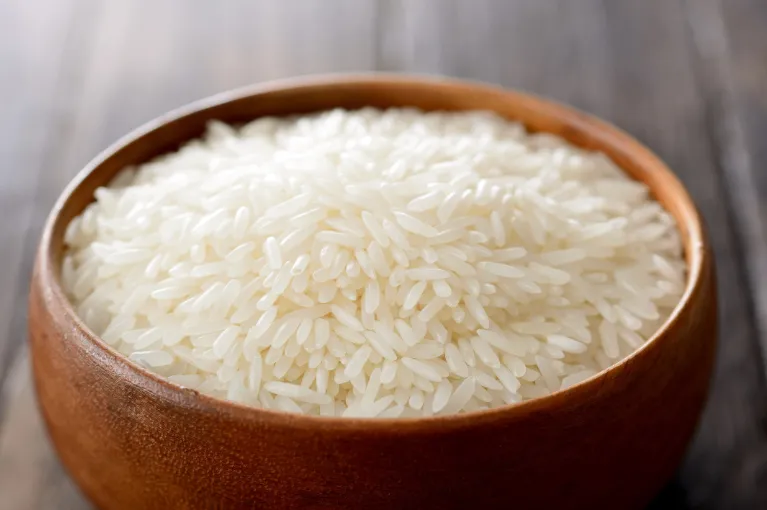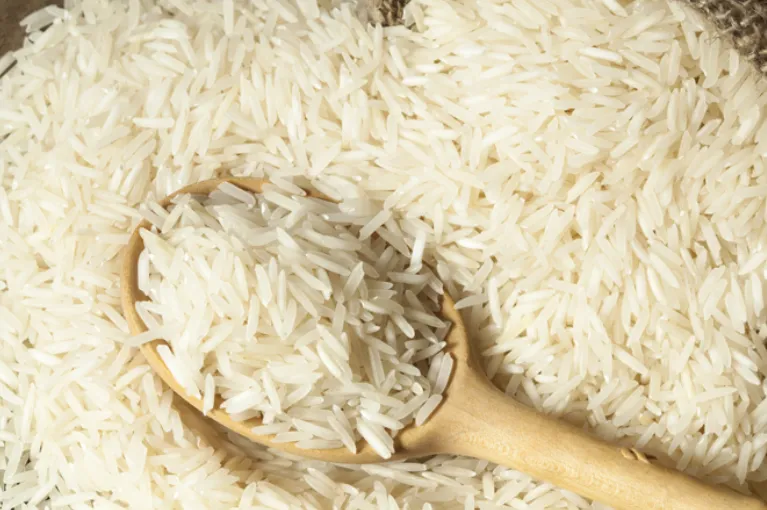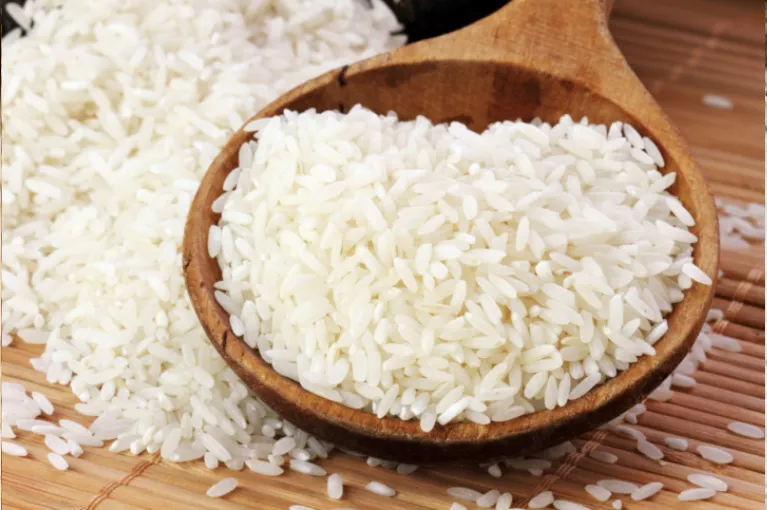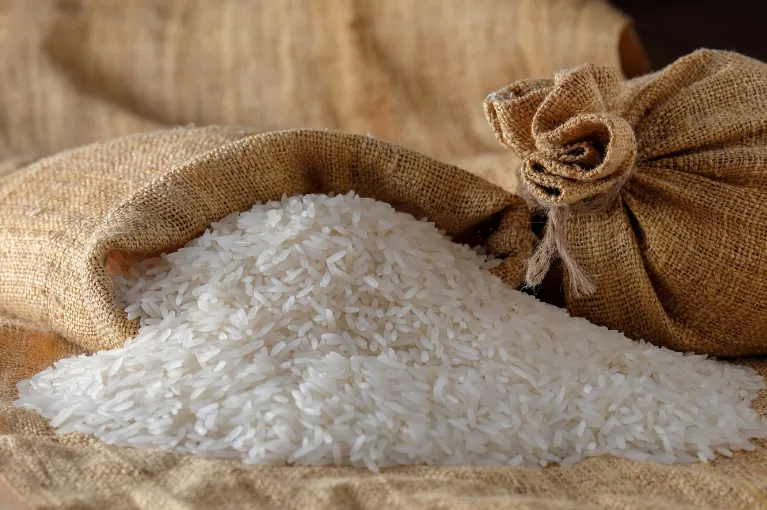
IR-64 Parboiled Rice
Minimum Order Quantity : 26 MT
Available Bag Size
Available Bag Type
Shelf life : 12-24 months under dry storage
Common Incoterms : FOB, CIF
Export documents: CO, phytosanitary certificate, inspection report
Facilitated by Tradologie.com
Offered By : 851 Verified Sellers

This is a Vegetarian product.
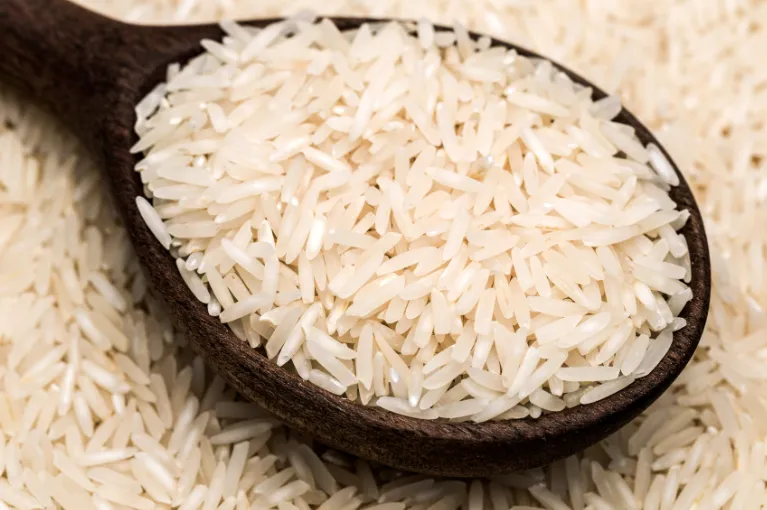
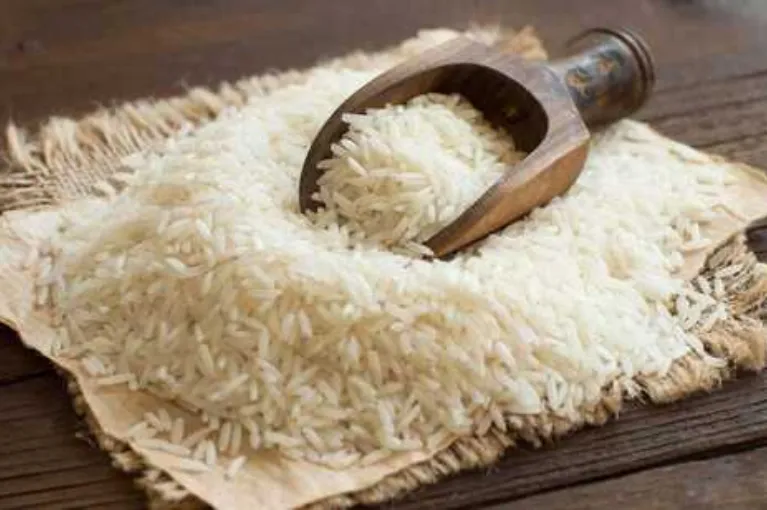
IR-64 Parboiled Rice is a long-grain non-basmati rice processed through hydrothermal steaming (Sella), widely used in West Africa and GCC markets for bulk consumption, government tenders, and catering. It is typically traded in 5% and 25% broken grades in Creamy and Golden variants.
IR64 parboiled rice (Sella) functions as a primary commodity in the international parboiled rice trade. While the fundamental IR 64 rice variety provides the genetic baseline, the specific commercial value of this grade is determined by its hydrothermal processing.
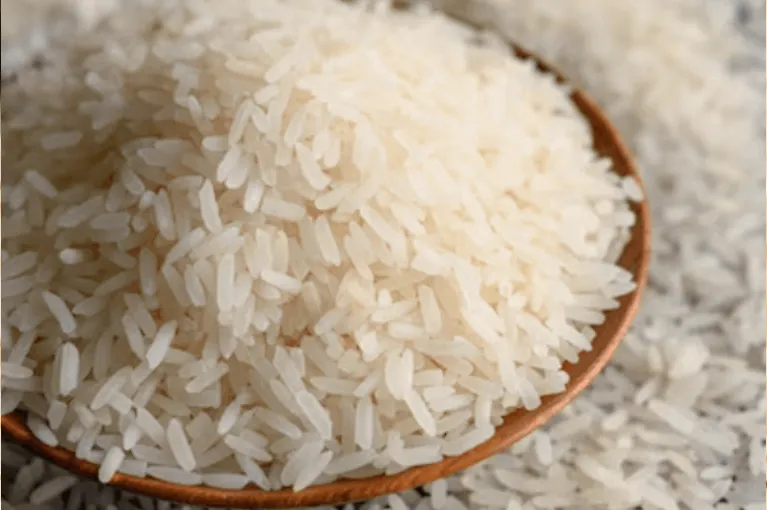
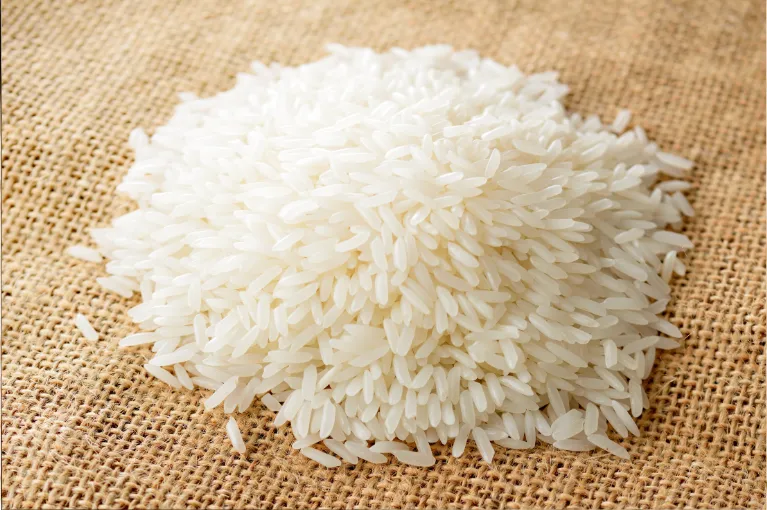
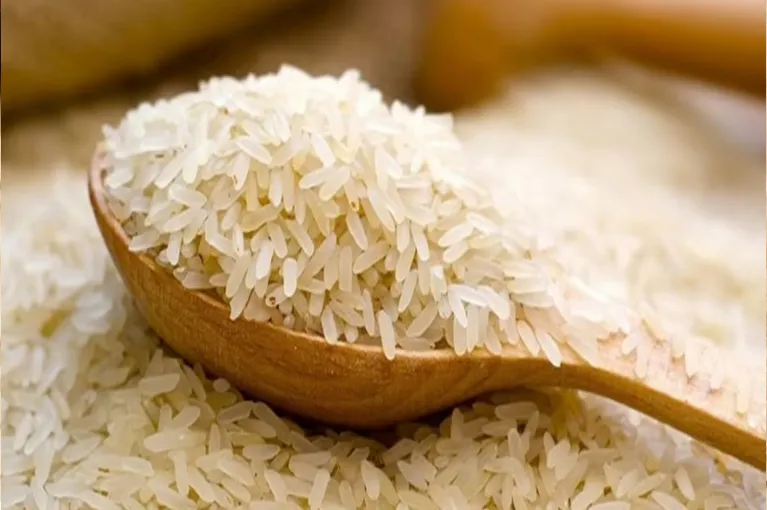
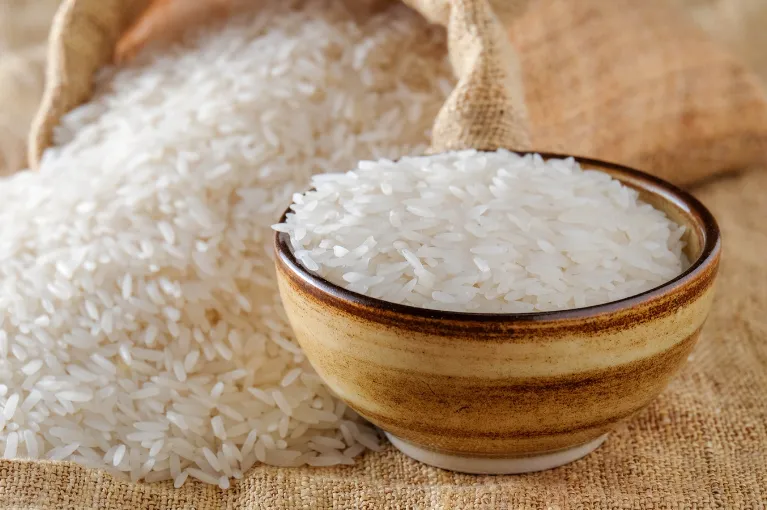
The grain profile maintains the standard IR-64 rice length of 5.8 mm to 6.2 mm, but the parboiling process alters the physical structure. Unlike its raw counterpart, IR 64 parboiled rice is defined by its golden or creamy hue and a firm, separate texture upon cooking that is suitable for mass consumption.
| Quality | Parboiled / Sella (Sortex Clean) |
|---|---|
| Brokens | 5% Max |
| Moisture | 14% Max |
| Damaged / Discoloured | 1% Max (Hardened grain resists damage) |
| Yellow /Red / Red Streaked | 1% Max |
| Foreign Matter | 0.25% Max |
| Black And Black Tipped | 0.25% Max |
| Grain Appearance | Translucent / Golden / Creamy |
| Average Length | 6.00 mm |

Strategic Market Positioning
This section explains where IR-64 parboiled rice is consumed globally and why it is preferred for large-scale food programs.
This variety serves the high-volume segment of the global rice economy. In markets like Benin, Nigeria, and the broader West African coast, IR 64 parboiled rice functions as a staple food alternative.
Indian IR 64 parboiled rice and Thai Parboiled Long Grain compete directly for the "standard parboiled" market share, particularly in African tenders. While they often appear interchangeable on tender documents, distinct trade nuances exist.
Origin and Colour: Indian IR-64 Parboiled (Sella) typically ranges from a light "creamy" to a deeper "golden" colour depending on the steaming duration. Thai Parboiled tends to have a slightly lighter, sometimes yellowish tint and a different milling finish.
Cooking Texture: Indian IR-64 is prized for its high elongation and firm bite. It swells considerably, providing a higher volume of cooked rice per kilogram—a critical metric for cost-conscious institutional buyers. Thai parboiled rice is often perceived as slightly softer.
Price Spread: Indian IR-64 Parboiled consistently trades at a discount to Thai origin. India's massive milling capacity allows IR 64 parboiled rice exporters in India to offer aggressive pricing, making it the preferred choice for large-scale importers in Lomé and Cotonou who operate on thin margins.
Buyer Loyalty: The decision is purely economic. When the "origin spread" (price gap) between India and Thailand widens, Indian IR-64 dominates the flow. When freight rates equalise, or Indian prices spike, buyers may switch to Thai, but India remains the default volume leader for rice exporters.
Specification Source & Compliance:
While the genetic base of the IR64 rice variety is uniform, the commercial classification of IR 64 parboiled rice is determined by the intensity of the steaming process and the resulting colour profile.
Processing Method (Hydrothermal Treatment)
Grain Size and Cooking Performance
Broken Percentage (Quality Grade)
Milling and Finish
IR 64 parboiled rice serves markets that demand specific culinary performance—specifically fluffiness, grain separation, and storage durability.
Mass catering and HORECA operations: This is the primary domain of IR64 parboiled rice (specifically the Golden Sella variant). It is the staple for Jollof rice in West Africa and Biryani in the Middle East. Professional chefs opt for the IR 64 rice variety because it is a much sturdier option when compared to other rice varieties.
Government stockpiles and food security: For relief tenders, this variety is superior than raw rice. The parboiling process significantly extends shelf life in hot, humid warehouses without rapid spoilage. This reliability makes it a top-volume product for rice exporters.
Everyday household dining: In West Africa, it is the standard daily table rice supplied. It offers the "premium mouthfeel" of distinct grains that stand up well to heavy, tomato-based stews.
This section outlines how IR-64 parboiled rice is traded internationally, including supply chains, buyer regions, and logistics flow
The trade geography of IR 64 parboiled rice is a specialised subset of the general rice trade, defined by a "South-South" flow from Indian mills to African ports.
Primary Origin Markets
Strategic Consumption Nodes
This section highlights pricing behavior, demand cycles, and buyer decision factors in global IR-64 parboiled rice trade.
The IR-64 Parboiled sector is structural and utilitarian. It is less speculative than the Basmati market but moves significantly larger volumes.
Current Valuation & Volume Metrics
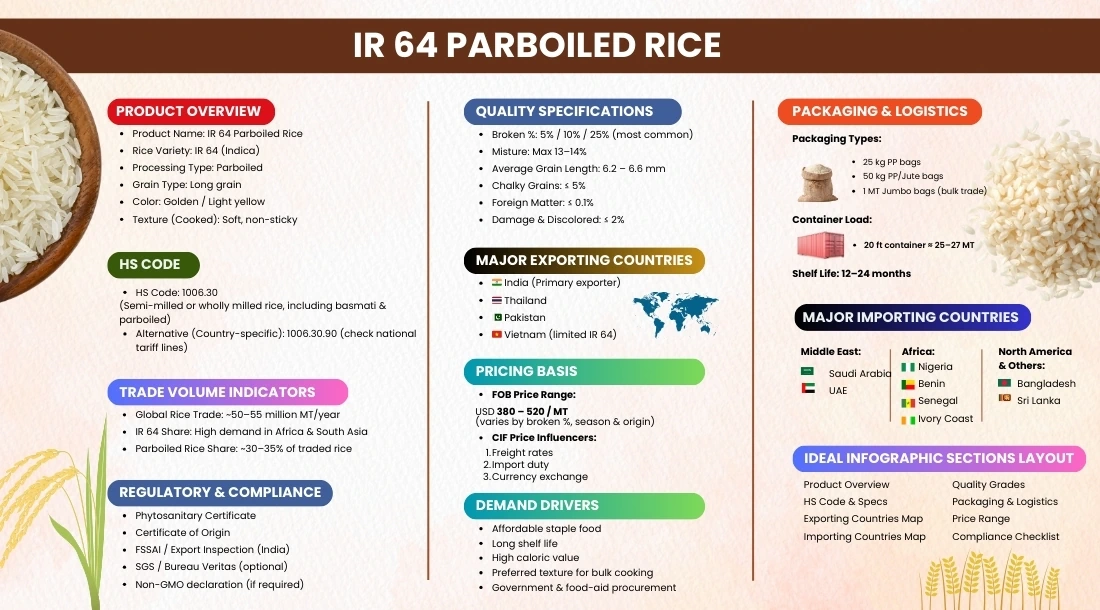
Parboiled rice constitutes a major percentage of India's non-basmati export basket. The valuation is driven by volume; even a $10/MT shift in FOB pricing can alter trade flows by millions of tonnes annually.
Strategic Horizon & Growth Trajectory
Growth is projected to be stable (CAGR ~4%), driven by population growth in West Africa. As urbanisation increases, the demand for "easy-to-cook" parboiled rice (which is harder to mess up than Raw Rice ) grows in tandem.
Government and Institutional Buyers Lead the Market
State-backed procurement in African nations often specifies "Parboiled Rice" to ensure the stockpile lasts longer. The heat stability of IR-64 Parboiled makes it the default choice for military and school feeding programmes where caloric density and cooking ease are paramount.
The Urban Shift and Convenience
In rapidly urbanising African cities, time is a luxury. IR-64 Parboiled is preferred because it is "forgiving" to cook—it doesn't turn into mush if overcooked slightly, making it ideal for busy urban households and street food vendors.
Nutritional Awareness
The inherent nutritional advantage of parboiling (higher vitamin retention) is becoming a stronger selling point, moving the product from a "bulk commodity" to a "value staple".
A Market Controlled by Processing Capacity
Unlike Raw Rice , which simply needs milling, parboiled rice requires specialised soaking and steaming infrastructure. India possesses the world's largest installed capacity for this. This creates a high barrier to entry for other nations attempting to compete at scale.
The "India Risk"
Since parboiling capacity is so concentrated in India, the global market is highly sensitive to Indian energy costs (coal/husk for boilers) and water availability. Disruption in Indian processing hubs leads to immediate shortages in destination markets.
Pricing & Export Value
Margins in parboiled trade are generally higher than those in raw rice due to the value-added processing cost.
Import Market Insights
Indicative Bulk Export Prices (FOB India, Q1 2026)
| Grade | Indicative FOB Price (USD/MT) |
|---|---|
| IR-64 Parboiled (5% Broken) | $480 - $520 |
| IR-64 Golden Sella | $500 - $540 |
| IR 64 Parboiled (25% Broken) | $460 - $490 |
Price Influencers:
Note: Prices are subject to change. Variations in pricing can be attributed to grade, volume, origin, compliance, packaging, and logistics differences. Final contractual pricing requires a quote from the supplier based on current market conditions and agreed-upon Incoterms.
Correct classification is vital, as parboiled rice often attracts different duty structures than white rice in importing nations.
| Product Type | HS/HSN 6-Digit Code/b> | Indian ITC-HS 8-Digit Code |
|---|---|---|
| IR 64 Parboiled Rice | 1006.30 | 10063010 (Rice, parboiled) |
Packaging
Standard 50 kg PP bags are the norm. However, "Para-boiled" markets often demand specific branding. BOPP bags (laminated, high-gloss) are frequently used for the 5kg, 10kg, and 25kg retail sizes popular in African supermarkets.
Storage & Handling
IR-64 Parboiled has a distinct advantage: Shelf Life. It remains stable for 18-24 months. It is less hygroscopic than white rice , meaning it absorbs less atmospheric moisture, reducing the risk of "caking" during ocean transit.
Staple-grade anchor in global food security:
IR-64 Parboiled will remain the primary caloric import for West Africa. The demand is inelastic; price fluctuations rarely destroy demand, they only shift volume between 5% and 25% broken grades.
Value addition through Fortification:
The future lies in Fortified Rice Kernels (FRK). Blending IR-64 Parboiled with micronutrient-fortified kernels is the next frontier for government tenders in Nigeria and Ghana.

If you're in the bulk parboiled trade, you know the struggle: confirming if a supplier actually has the steaming infrastructure or is just trading paper.
Tradologie flips that dynamic:
Based on current APEDA and DGFT trade trends, market data and price indicators ($480–$540/MT) for IR-64 Parboiled rice in 2026 are presented. Parboiled pricing is heavily dependent on energy/fuel costs in India. Traders must confirm current compliance standards and obtain a formal quotation from a verified supplier.
Source: APEDA, DGFT, FOB
Get in Touch
Usually around 26 MT, which is one fully filled container. Smaller quantities are uncommon in bulk trade.
Register on Tradologie as a buyer (it’s free), post your requirement, and negotiate directly with exporters based on live, real-time quotes. Once terms are aligned, the order is finalised.
Most trades are done on a Letter of Credit at sight. In some cases, escrow-based payments with a partial advance are also used, depending on the deal and buyer–seller understanding.
The platform is free for buyers and allows direct negotiation with verified suppliers. You see real offers, no hidden margins, and full transparency through the process.
Typically around 1 month, but timelines depend on documentation readiness, payment completion, vessel availability, and port conditions on both ends.
Yes. Buyers usually specify broken %, packing size, zand destination port upfront. Suppliers quote based on those exact requirements.
Tradologie.com ensures completely secure, globally accepted payment methods for all exporters. The platform operates only on two internationally trusted payment terms: Irrevocable Letter of Credit (LC) at Sight The safest and most preferred global payment method. Payment is released immediately once the shipping documents are presented, with no credit risk to the seller. Telegraphic Transfer (TT) with Advance + Document Payment The buyer pays a certain percentage in advance, and the remaining amount is paid against scanned shipping documents mainly proof of dispatch ensuring security and transparency. Tradologie never forces any seller to export on credit.