Key Highlights
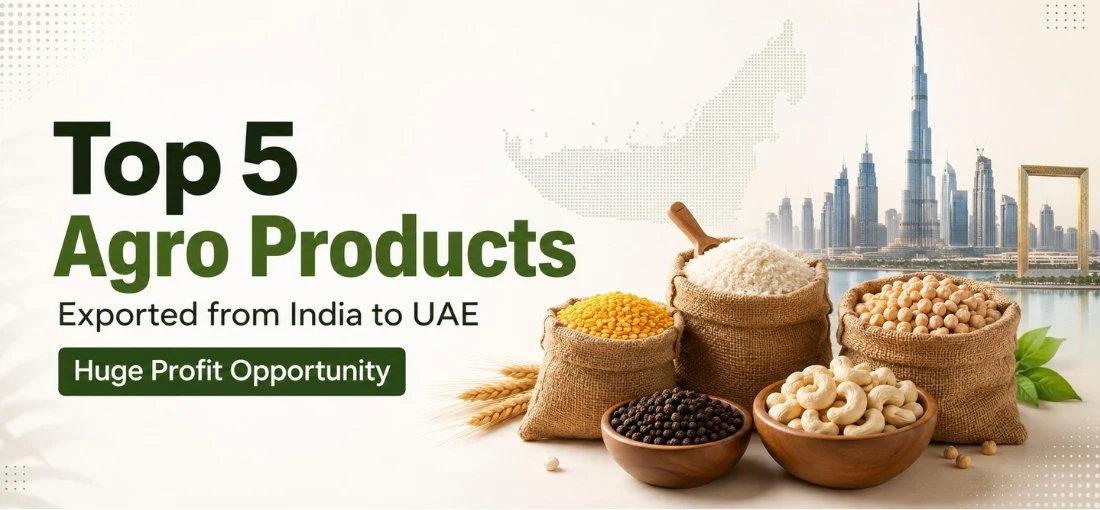
- Second-Largest Buyer: The UAE is India’s second-biggest market for agricultural goods, taking a 6.67% share of India's total global food exports.
- Total Volume: India shipped 3,017.33 thousand metric tons of food and farm products to the UAE during the fiscal year.
- Total Value: This trade lane brought in USD 3,549.14 million, which equals about ₹30,057.16 Crore.
- Rice Leads the Market: Premium Basmati rice is the top product shipped, generating USD 364.55 million and making up 10.27% of the UAE's total food imports from India.
- Big Numbers for Spices and Meat: Spices brought in USD 335.07 million, while boneless buffalo meat accounted for USD 312.04 million.
- The Dubai Transit Gateway: Massive ports like Jebel Ali handle a huge chunk of this food cargo, which local traders break down and reship directly to buyers across the Middle East and North Africa.
Introduction:
If you look at the latest trade data, the UAE has become India’s second-biggest buyer for food and agricultural products. According to the official number of APEDA in 2024-2025, total exports reached 3,017.33 thousand metric tons, bringing in a total valuation of USD 3,549.14 million (about ₹30,057.16 Crore) in the year 2024-2025.
But here is the real operational picture: Dubai doesn't just buy this food to feed its own cities. Huge logistics centers like Jebel Ali Port act as a giant transit point. A massive chunk of the grain, meat, and spices landing there gets broken down and re-exported straight to other food importers in the Middle East and North Africa.
If you are trying to set up a reliable shipping pipeline into this route and export food in bulk to the UAE, you need to focus on the five main product categories that pull in the highest transactional volumes.
Keep reading this informative piece of blog if you want to export food products to UAE and want to know the top 5 agro products exported from India to UAE. This informative piece of blog will tell you about their demand in the UAE’s food import market and their trace value in USD. So, let us get started.

1. Basmati Rice
- Value: USD 364.55 million
- Share of Trade: 10.27%
Long-grain Basmati rice exports to the UAE is the biggest moneymaker in this corridor. The Gulf has a huge South Asian diaspora and a local food culture that expects premium rice for daily meals, so demand stays incredibly steady regardless of global price spikes. Local buyers want uniform, properly aged lines—mostly 1121 steam or parboiled golden Sella. If your mill can supply clean grains that don't break during commercial cooking, you can easily lock down steady, year-round contracts with the big hypermarket chains over there.
2. Spices
- Value: USD 335.07 million
- Share of Trade: 9.44%
The UAE buys a massive volume of Indian whole and ground spices to supply its massive hotel, restaurant, and catering sectors. Cardamom, black pepper, cumin, and turmeric are the big volume drivers. Sourcing directly from regional mandis in India and processing them into retail-ready private labels is where the real margin is. If you just ship raw bulk sacks, you get squeezed on price; local packaging adds the value that Gulf buyers are willing to pay for.
3. Buffalo Meat
- Value: USD 312.04 million
- Share of Trade: 8.79%
Boneless buffalo meat is a massive business for Indian livestock processors because the UAE food service market relies heavily on it. It’s lean, it's priced lower than western beef, and shipping times from Indian ports are incredibly short, which helps keep the cold chain alive. To even get a quote accepted here, you have to work with modern, fully integrated slaughterhouses that carry active Halal slaughter logs verified by recognized Islamic bodies.
4. Other Cereals
- Value: USD 241.04 million
- Share of Trade: 6.79%
This category handles high-volume bulk crops and exports like maize, millets, and non-basmati feed grains. Most of this cargo goes straight to regional feed mills or commercial factories making starch and sweeteners. Because it's a high-volume, lower-margin item, exporters mostly use this category to keep their container allocations steady with shipping lines and secure better overall freight rates for the year.
5. Oil Meals
- Value: USD 187.70 million
- Share of Trade: 5.29%
Oil meals—especially de-oiled cakes made from soybean and rapeseed—feed the massive commercial dairy and animal farms in the UAE. Procurement teams look directly at crude protein levels and strict moisture limits. If your meal has even a little too much moisture, the intense Gulf summer heat will cause the cargo to sweat inside the container, ruining the feed with mold before it even unloads.
Top 5 Agro Products Exported From India to UAE
| Serial No. | Commodity Group | Export Value (USD Million) | Share of UAE Basket (%) | Primary Quality Requirement |
|---|---|---|---|---|
| 1 | Basmati Rice | $364.55 | 10.27% | Long grain length (e.g., 1121), uniform texture, and low broken counts. |
| 2 | Spices | $335.07 | 9.44% | High natural volatile oil levels and consumer-ready value-added packaging. |
| 3 | Buffalo Meat | $312.04 | 8.79% | Lean processing profile, certified Halal slaughter logs, and an unbroken cold chain. |
| 4 | Other Cereals | $241.04 | 6.79% | High bulk density, low moisture levels, and zero mold or aflatoxin contamination. |
| 5 | Oil Meals | $187.70 | 5.29% | High certified crude protein content and low moisture to prevent summer spoiling. |
| Total UAE Agro Basket | $3,549.14 | 100.00% | Overall Share of India's Global Agro Exports: 6.67% | |

Managing the Quality Rules at Jebel Ali
You can't build a profitable business in this route by ignoring the customs gates. Municipal food inspectors in Dubai and Abu Dhabi run incredibly strict screenings, and a single mistake can leave your container sitting on the dock racking up massive port fees.
- Halal and Cold Chain Tracking: If you are shipping meat or processed food, your paperwork has to be flawless. Every single shipment needs an approved Halal certificate. On top of that, your shipping line has to show an unbroken temperature log from the minute the freezer doors shut at the factory until the container drops at the destination port.
- Lab Tests and Residue Checks: Border customs will pull random samples to check for heavy metals, bugs, and pesticide residue. To protect your investment, you should always test your batches using NABL-accredited labs before loading the ship. For dry grains, running the crop through modern color sorters and sifting screens keeps your broken counts low and gets rid of field dirt, which keeps the enterprise buyers happy.
- Cutting Out Bad Brokers: One of the biggest headaches for growing Indian trade houses is dealing with sketchy local brokers who ask for complicated price quotes but don't actually have any inventory or bank credit lines.
To bypass this mess, many exporters have started using digital transaction portals like Tradologie. The setup requires international buyers to upload verified company profiles and explicit sourcing needs before they can talk prices. This lets your sales desk bid directly on live, real orders inside a clear digital setup, cutting out the middlemen and making sure your payment terms are fully backed by the bank before you ever pack a container.
The Bottom Line
Succeeding in the UAE food trade isn't about chasing cheap spot deals online. It takes manufacturing discipline at your mill and precise customs paperwork. Because it's a premium market, Gulf buyers will pay a reliable price, but they expect total consistency, reliable delivery times, and complete data transparency in return. Keeping your quality checks tight and your documentation clean is the only real way to build a steady, highly profitable shipping pipeline season after season.
Disclaimer
The information provided is for educational and informational purposes only. Export statistics, product demand, customs procedures, and import regulations may change over time. Exporters should verify the latest APEDA data, UAE import requirements, Halal certification standards, and destination-country regulations before exporting agricultural products.



.webp "Soybean Price Today in India: Mandi Rate & Market Analysis 2026")