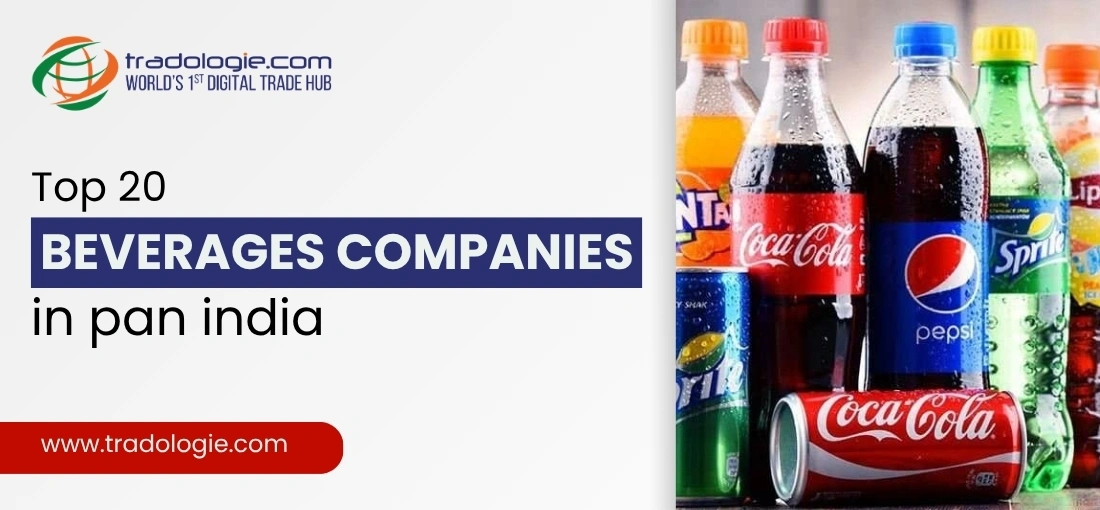
The Indian beverage sector is massive. It is much more than just bottling plants and flashy marketing campaigns. It is a complex network. This network connects deep farming roots with heavy manufacturing and global trade.
Today, buyers want premium products. They also care about how these products are sourced. Because of this, the whole industry is changing. You cannot understand this FMCG market just by looking at store shelves. You have to look at the bulk trade behind the scenes. You must also understand the agricultural supply chain.
This article explores the top 20 beverage companies in India. We will look at how they lead the market. We will do this by looking closely at their import-export choices and their farming needs.
1. Farming First: Where Our Drinks Come From
The beverage industry starts on the farm. Every fizzy drink has roots in the soil. The same is true for fruit juices and spirits. India has many different climates. This allows farmers to grow a huge variety of crops. Because of this, India is a major sourcing hub for both local and global drink brands.
The scale of this farming connection is huge. We can look at data from Invest India to see this clearly.
- Making Extra Neutral Alcohol (ENA) is vital for the alcohol sector.
- Producing this ENA provides jobs for over 3.6 million grain farmers.
- Sugarcane farming is also crucial. It is used for sweet drinks and spirits. This crop employs about 2.8 million farmers.
- Finally, India is the world's top producer and exporter of tea. This keeps the hot beverage market deeply tied to rural farming.
2. Buying and Selling in Bulk: Imports and Exports
Moving drinks and raw materials across borders is a big part of India's economy. Bulk trade here is not just about shipping finished bottles. It is about trading concentrates, fruit purees, farm crops, and bulk alcohol.
- Strong Exports: India is a leader in exporting tea and coffee. It is also growing its premium spirits exports. ReportLinker predicts that India’s alcohol exports will hit $414 million by 2026
- Relying on Imports: On the other hand, the industry still needs to import special items. Craft breweries need specific hops from abroad. Single malt makers need premium malt. Soft drink brands need special flavor syrups. ReportLinker says India’s total beverage imports will stay around $1.02 billion by 2026.
This trade balance shows two sides of the market. India exports massive amounts of raw farm crops. Yet, it still has to import specialized beverage ingredients and foreign spirits.
3. The Big Players: India's Top 20 Beverage Companies
Big international brands dominate this space. However, they share the market with huge local FMCG companies and specialized alcohol makers.
Below is a list of the top 20 beverage companies working across India. This covers soft drinks, alcohol, and hot beverages.
| Rank | Company Name | Primary Segment | Key Brands / Portfolio Focus |
|---|---|---|---|
| 1 | Varun Beverages Ltd. | Non-Alcoholic (CSD & Juice) | Pepsi, Tropicana, Aquafina, Sting |
| 2 | Coca-Cola India | Non-Alcoholic (CSD & Juice) | Thums Up, Maaza, Sprite, Limca |
| 3 | Tata Consumer Products Ltd. | Hot Beverages & Water | Tata Tea, Himalayan, Tata Gluco+ |
| 4 | Parle Agro | Non-Alcoholic (Juice) | Frooti, Appy Fizz, Bailley |
| 5 | United Spirits Ltd. (Diageo) | Alcoholic (Spirits) | McDowell's, Royal Challenge, Antiquity |
| 6 | United Breweries Ltd. | Alcoholic (Beer) | Kingfisher, Heineken (India operations) |
| 7 | Dabur India Ltd. | Non-Alcoholic (Juices) | Réal, Réal Activ |
| 8 | ITC Limited | Non-Alcoholic (Juices & Coffee) | B Natural, Sunbean |
| 9 | Bisleri International | Bottled Water | Bisleri, Vedica |
| 10 | Nestle India | Hot Beverages & Dairy | Nescafé, Milo |
| 11 | Radico Khaitan Ltd. | Alcoholic (Spirits) | Magic Moments, 8PM |
| 12 | GCMMF (Amul) | Dairy Beverages | Amul Kool, Amul Lassi, Tru |
| 13 | Allied Blenders & Distillers | Alcoholic (Spirits) | Officer's Choice |
| 14 | Hector Beverages | Non-Alcoholic (Traditional) | Paper Boat |
| 15 | Sula Vineyards Ltd. | Alcoholic (Wine) | Sula, Rasa, Dindori |
| 16 | Globus Spirits Ltd. | Alcoholic (Bulk & Consumer) | Rajasthan Reserve, Bulk ENA |
| 17 | Mohan Meakin Ltd. | Alcoholic (Spirits & Beer) | Old Monk, Golden Eagle |
| 18 | GM Breweries Ltd. | Alcoholic (Country Liquor) | Santra, GM Doctor |
| 19 | Orient Beverages Ltd. | Packaged Drinking Water | Bisleri (Franchise manufacturing) |
| 20 | Keventer Agro Ltd. | Dairy & Fruit Beverages | Keventer Milk, Frooti (Franchisee) |
4. Money and Investments in the Market
The financial value of these companies shows how much Indians love to buy drinks. Varun Beverages (VBL) is a great example. They are PepsiCo's largest bottler outside the US. They serve 27 Indian states. They are also growing fast in Africa. VBL has a massive market value of over ₹1.62 lakh crore.
The alcohol sector is also making a lot of money. This is true even with high state taxes and strict rules. Invest India noted the Indian alcohol market was worth $49.6 billion in 2023. It is expected to hit $64 billion by 2028. This steady growth makes companies like United Spirits and United Breweries very safe investments.
5. Making and Moving the Drinks
To make money, beverage companies must run smoothly. Moving a drink from a farm to a bottle takes great technology. Good processing stops farm waste. It also makes the drinks last longer on shelves.
- Smart Packaging: Companies like Parle Agro brought tetra-pack technology to India. This lets them ship fruit pulps across the country safely. They can do this without needing expensive refrigerated trucks.
- Buying Suppliers: Big brands are starting to own every part of their process. Varun Beverages is buying the companies that make their plastic bottle caps. This gives them more control over how they make things.
- Bulk Transport: Moving bulk alcohol is a huge task. Companies like Globus Spirits and Radico Khaitan use special tanker trucks. They move liquid ENA from farming states to bottling plants near big cities.
6. Food vs. Fuel: Changing the Farming Rules
Consumer choices drive the retail side of drinks. But government energy policies are changing the farming side. India’s Ethanol Blended Petrol (EBP) program is a big part of this. The government wanted to mix 20% ethanol into petrol by 2030. However, they hit this E20 target early in 2025.
This major policy shift directly affects alcohol makers. They need Extra Neutral Alcohol (ENA) to make drinks. In the past, they got this from sugarcane. Now, the raw materials have changed.
- Corn is King: A 2026 report from BW Businessworld shows a big shift. Grain now makes up 69% of ethanol supplies. Maize (corn) alone makes up almost 50%. Sugarcane has dropped to just 31%.
- High Demand: To keep mixing 20% ethanol into fuel, the country needs a lot of it. The demand is about 1,350 crore liters. This means factories must be able to produce over 1,700 crore liters.
This creates a "food versus fuel" problem for drink companies. Millions of tons of corn and rice are going into car fuel. So, drink makers have to fight hard to buy grain. They face higher costs and tighter budgets. This proves that a drink company's supply chain is deeply tied to the country's fuel needs.
7. Global Politics and New Trade Rules
Importing and exporting bulk drinks is not simple. It is controlled by international politics. Trade deals and customs taxes decide how much product crosses borders.
A massive change happened recently. India signed a Free Trade Agreement (FTA) with the UK in 2025. India drinks more whisky than any other country. For years, India placed a huge 150% tax on imported Scotch whisky. This protected local Indian drink makers. The new trade deal changes everything.
What the UK-India Trade Deal Means:
- Quick Tax Cuts: The deal immediately cuts the 150% tax on Scotch whisky and gin in half. It is now 75%.
- Future Drops: Over the next ten years, this tax will drop to just 40%. This will make foreign spirits much cheaper for regular Indian buyers.
- More Sales: The Scotch Whisky Association (SWA) expects a massive sales boost. They think exports to India will grow by £1 billion over the next five years.
Data firm IWSR says this forces local companies to rethink their plans. Brands that bottle foreign alcohol in India will save money on raw liquids. However, they will face tougher competition in stores from fully imported brands. On the bright side, Indian craft gins and single malts can now export more easily. They have a better chance to sell in the UK and Europe.
8. What the Future Holds
Looking forward, India's top beverage companies face two main jobs. First, they must sell premium drinks to city buyers. Second, they must make sure their farming methods are green and safe.
Buyers want better quality. They want single-origin teas and pure fruit juices with no sugar. They also want craft spirits. To do this, companies must track their ingredients right back to the farm. Invest India thinks the non-alcoholic drink market will hit $88.25 billion by 2027. The companies that win will be the ones that connect India's rich farms with smart global trade.
Frequently Asked Questions
What are the leading beverage companies in India?
The market features global franchises and local giants. Top players include Varun Beverages and Coca-Cola India (soft drinks), Tata Consumer Products (hot beverages), and United Spirits (alcohol).
How does agriculture support the Indian beverage industry?
Millions of Indian farmers grow essential crops for the sector. The industry relies heavily on massive domestic yields of sugarcane, grains, tea, and coffee to produce its beverages.
Is India an importer or exporter of beverages?
India is both. It mass-exports raw agricultural goods like tea and coffee. Conversely, it imports specialized items like premium malts, flavor syrups, and foreign spirits.
How is the government's ethanol policy affecting alcohol companies?
India’s Ethanol Blended Petrol (EBP) program diverts crops like maize and sugarcane to fuel production. This creates grain shortages and raises raw material costs for alcohol manufacturers.
How do Free Trade Agreements (FTAs) impact drink prices in India?
Trade deals lower import taxes. For instance, the UK-India FTA drastically cuts the 150% tax on Scotch whisky. This makes foreign spirits much cheaper and increases retail competition.