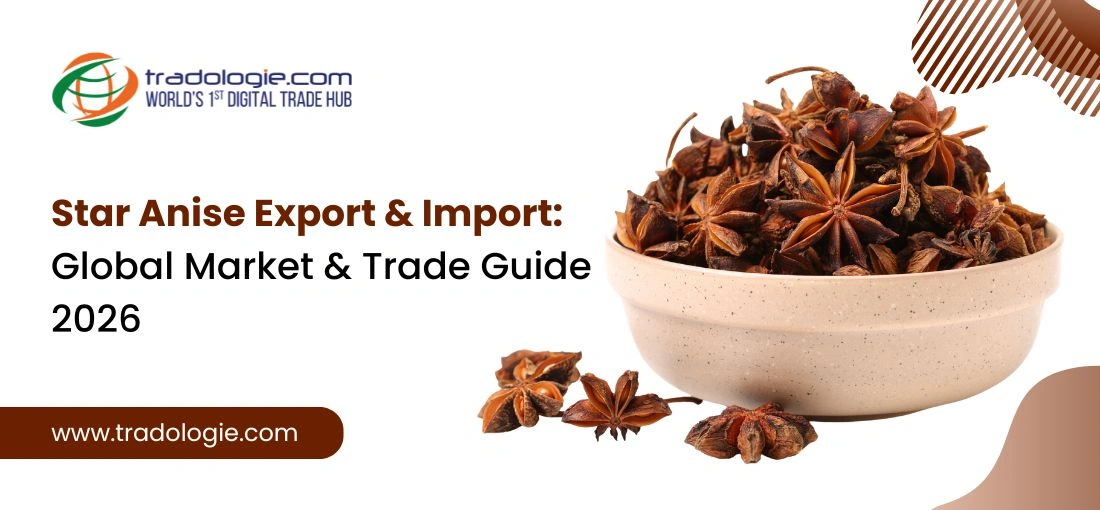
Vietnam exported 9,822 tons of star anise in the first nine months of 2024. This trade brought in nearly $47 million. However, this was a 9.5% drop in volume from the previous year. It was also a 20.6% drop in value. In 2023, Vietnam hit a record of 16,136 tons worth $83 million.
For buyers in 2026, this dip is not bad news. It is a clear signal to plan purchases. The market is just settling into a normal, stable rhythm. Globally, the star anise export market is very small. It relies entirely on just two nations. Only Vietnam and China can grow this spice on a massive scale.
China and Vietnam: The World's Major Suppliers
China's Role in the Market
China sells the most star anise by volume. Interestingly, they even sell a lot of it to Vietnam. In 2023, China sold $34.69 million worth of the spice to Vietnam. Vietnam buys this raw spice, processes it, and sells it again.
Chinese star anise is usually cheaper. However, it does not sell for top dollar in places like Europe and North America. This is because Chinese spice has a different, often lower, essential oil content
Why Vietnam Leads in Quality
Vietnam is the second-largest seller by volume. But, they rule the premium market completely. The Lang Son province grows the best quality spice. This area has over 43,000 hectares of spice farms. About 28,000 hectares produce a steady crop.
Every year, they make 7,500 to 16,000 tons of dried spice. The exact amount depends on the weather. The oil content in Vietnamese spice is very high. This rich quality is the main reason Vietnam can charge higher prices.
Where Should Buyers Source From?
- Europe and North America: Buy from Vietnam. It meets strict quality rules and has the best oil levels.
- Factory and Extract Buyers: Buy from China. Broken pieces and powder cost less here, which saves money.
- Indian Buyers: Focus on star anise import from Vietnam. A special trade rule makes it much cheaper to bring into India.
Vietnam's Two Main Harvest Seasons
Spring/Summer Harvest (June):
Farmers call this the "four-season crop." The smell of this crop is a bit mild. Medicine and makeup brands buy most of this batch. It is considered a lower grade. Because of this, it has a lower star anise price per kg.
Main Season (August-September):
This crop gives the highest quality spice. The smell is very strong. It is packed with essential oils. Food brands and premium shops prefer this batch. It costs the most all year.
B2B buyers who want the best quality should order in October or November. This timing catches the fresh August-September crop right after drying.
2026 Prices and Quality Grades
| Quality Grade | Origin | Wholesale Export Price (USD/kg) | Application |
|---|---|---|---|
| Premium Whole (August harvest, high oil) | Vietnam | $9.00 – $12.00 | EU/US retail, high-end culinary |
| Standard Whole (clean, export-grade dried) | Vietnam | $6.00 – $8.50 | General bulk trade, food manufacturing |
| Standard Whole | China | $4.50 – $6.50 | Industrial blending, cost-sensitive markets |
| Broken / Inferior Grade | Vietnam / China | $2.50 – $4.00 | Essential oil extraction, powder processing |
Prices reflect 2025-2026 wholesale FOB benchmarks. Prices can swing by 20–40% depending on the harvest season. We advise planning forward contracts for the end of the year. In India, the domestic wholesale rate is about ₹220–₹350/kg. This depends on the origin and import timing.
India's Trade Role and Chakra Phool Export
In India, this spice is widely known as "chakra phool." The star anise trade in India is massive. India buys a huge amount of this spice to use at home. But, India also plays a bigger role.
Indian companies process the raw spice and sell it outward. They ship chakra phool export orders to the Middle East and Western countries. This makes India a key middleman in the global market.
Vietnam gets special treatment in this trade network. The ASEAN-India FTA lowers import taxes for Vietnamese goods. This trade rule is a huge advantage. It is the main reason India buys mostly from Vietnam, not China.
Even though China sells more globally, Vietnamese spice is cheaper to land in India. Indian buyers must always check this tax difference. In the 2023-24 financial year, India bought 9,215 tonnes of star anise. This cost ₹439.09 crores. Over 75% of this spice came straight from Vietnam.
Customs Rules and HS Codes
You need the right customs codes to ship this spice. The correct star anise HS code for whole pieces is 090961. This is for spice that is not crushed. Use code 090962 if the spice is crushed or ground.
Indian buyers must put these codes on all import forms. If you are exporting to Europe, be careful. You should ask your shipping agent to check the codes. Europe might use a different local system for classifying spices.
What Drives Global Demand?
Food companies buy a massive amount of this spice. But, medicine companies need it just as much. The spice contains something called shikimic acid.
This shikimic acid star anise extract is very important. Factories use it to make major antiviral drugs. People will always need these medicines. Because of this medical need, the star anise global demand stays very strong all year long.



-price-today-mandi-rate-msp--market-trend-(2).webp "Mustard Price Today India: Bulk Mandi Rates and 2026 MSP")