The Current Landscape of Global Agricultural Trade
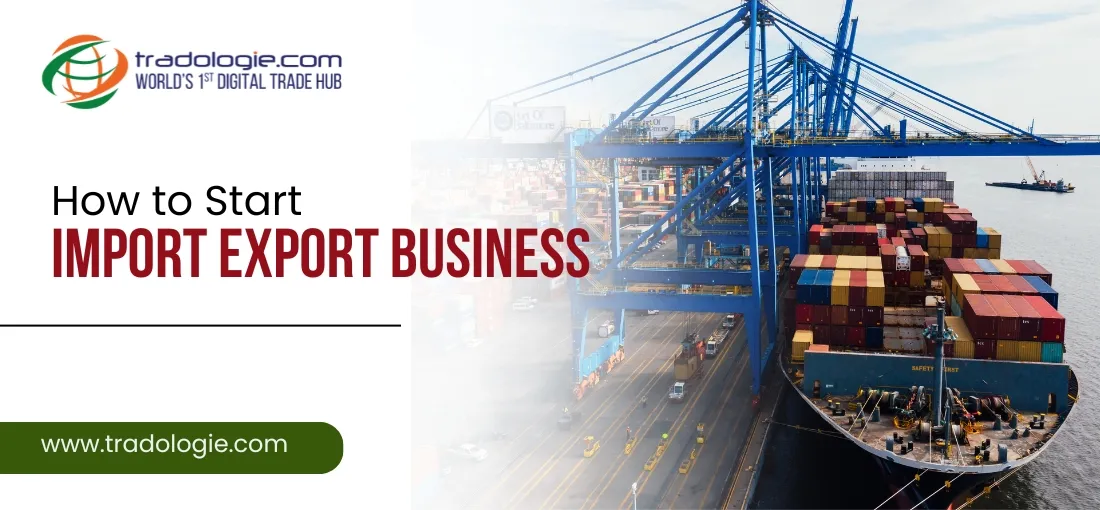
The international agricultural market operates on a massive scale. Every single day, millions of tons of goods cross borders. The total volume of global agricultural trade is growing fast. A 2022 report by the Food and Agriculture Organization (FAO) highlighted this exact growth. It showed that export values multiplied by 2.7 times between 2005 and 2021. This upward trend is still happening today. For example, the European Commission released a report in March 2026. It showed that the EU’s agri-food exports hit a record high of EUR 238.4 billion last year. This made up 37% of the region's total trade surplus. Handling this much volume takes smart logistics. It also requires highly efficient sourcing strategies. However, the old ways of getting these bulk contracts have simply fallen behind the times.
Entering this massive export market requires the right documentation. You cannot ship bulk goods globally without understanding your trade eligibility. Make sure your business is legally prepared to export today.
👉 [See Complete IEC code list]
The Inefficiencies of Traditional Agro Business Development
In the past, growing an agricultural export business meant a lot of manual work. You had to travel to trade shows. You had to rely on local brokers. You also had to make endless cold calls to find bulk buyers.
This old approach has several major flaws:
- High Costs: It limits market access to companies with huge marketing budgets.
- Too Many Middlemen: It adds multiple layers of brokers. These middlemen hide the true flow of the supply chain.
- Lost Profits: Industry studies show that traditional brokers can increase the final cost of goods by up to 30%.
- Slow Processes: It takes far too much time to verify a buyer's identity. Negotiating order sizes and shipping risks also takes weeks or even months.
The Emergence of AI-Powered Trade Hubs
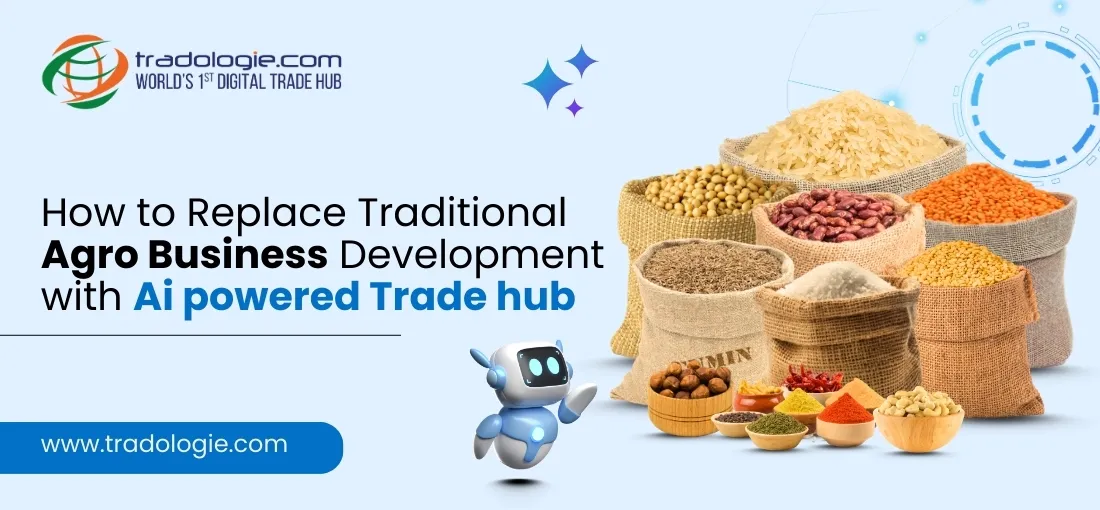
Artificial intelligence is completely changing B2B matchmaking. It brings smart data and automated pricing into the mix. Old trade directories just listed products passively. Today, modern digital trade hubs do much more. They process massive amounts of past data to guess future price trends.
These AI systems look at live buying requests. Then, they instantly match them with suppliers who have the right amount of stock. This new technology greatly lowers the cost of finding new customers. It also gives companies the data they need to plan their finances and avoid sudden market drops. The focus shifts away from blindly searching for buyers. Instead, you spend your time closing real, profitable deals.
Tradologie: A Paradigm Shift in Bulk Sourcing
Tradologie is a prime example of this digital shift in the agro-commodity sectors. The platform has already handled over $15 billion in trade. It connects suppliers with more than 1 million verified buyers. These buyers are spread across over 100 different countries.
But Tradologie does more than just connect people. It builds strict quality checks right into the buying process. In bulk sourcing, arguing over bad quality costs a lot of money. To stop this, the platform requires digital proof before shipping. Buyers can see official health certificates. They can also view independent inspection reports from trusted names like SGS or Bureau Veritas. This ensures the product is safe and verified before it ever goes into a shipping container.
Moving goods across 100+ countries also means dealing with complex customs. Accuracy is critical to avoid expensive border delays. Find the exact legal classification for your agricultural commodities instantly.
Restructuring Trade Economics and Cost Efficiency
The biggest benefit of moving to an AI model is saving money. Removing physical middlemen directly helps both buyers and sellers. It takes money that used to go to brokers and puts it back into your business. The table below shows the clear differences between old methods and an AI-powered trade hub:
| Operational Area | Old Business Development | Tradologie AI-Powered Hub |
|---|---|---|
| Finding Markets | Blocked by travel costs and local brokers | Direct online access to buyers in 100+ countries |
| Broker Fees | High markups (adds up to 30% in costs) | Replaced by a low, clear success fee |
| Quality Checks | Done on paper, leads to delays and fights | Digital inspection reports (like SGS) added before shipping |
| Pricing Deals | Slow emails and delayed price quotes | Live online bidding backed by smart data |
| Order Sizes | Unpredictable, often doesn't match stock | Set bulk minimums (like full container loads) |
Securing Payments and Mitigating Financial Risk
Bulk agricultural trade involves massive amounts of money. A single shipment can be worth hundreds of thousands of dollars. Moving this capital safely across borders is a major challenge. Traditional trade relies heavily on old, paper-based Letters of Credit (LCs). These physical documents take weeks to process. They are also prone to manual errors that can suddenly freeze your funds.
Modern AI trade hubs eliminate this massive financial risk. They integrate highly secure payment gateways directly into the platform workflow. Platforms use digital escrow accounts and automated LC processing tools. This setup ensures that the buyer's capital stays protected. It also guarantees that the seller gets paid on time upon successful delivery. This high level of financial security gives total peace of mind to both parties.
Addressing Commodity-Specific Complexities and Supply Chain Resilience
These tech benefits become very real when you look at massive global markets. Think about the fast-moving global spice trade. Consider the quick delivery needed for FMCG brands and poultry. Or look at the massive size of the global rice market. The USDA notes that global rice trade often tops 52 million tons a year. Moving this much food takes huge coordination.
Sometimes, bad things happen in the world. Conflicts break out, ports go on strike, or bad weather ruins crops. When this happens, old buying methods fail. An AI-powered hub helps you survive these supply chain crises. Buyers can instantly switch to a different part of the world. For instance, they can move their rice orders from Southeast Asia to the Americas overnight. This kind of quick backup plan is something manual networking can never offer.
Meeting Global Sustainability and ESG Standards
Global markets are actively changing their rules. Regions like the European Union are strictly enforcing Environmental, Social, and Governance (ESG) standards. Buyers now demand solid proof of how and where food is grown. Old business methods simply cannot track this deep level of data easily.
Digital hubs solve this exact tracking problem. They help exporters prove their sustainable sourcing practices instantly. By optimizing shipping routes, these platforms also help reduce the carbon footprint of massive shipments. This digital transparency is a huge selling point for modern B2B buyers. It allows your business to stay compliant with strict global laws while winning big contracts from eco-conscious markets.
The Future of Agricultural Import and Export
The farming sector is moving quickly toward a digital, clear, and fast global market. AI platforms are no longer just an experiment. They are now basic tools needed to survive in import and export. By leaving behind old networking habits, businesses can save time and money. They can use smart matching, clear tracking, and price data to work better. This lets companies stop spending so much on marketing and focus more on producing goods. Technology won't erase the hard work of growing and shipping real food. However, it has clearly fixed the broken system of finding global trade partners and closing deals safely.
Stop letting outdated methods hold back your business growth. Bypass traditional brokers and step into a secure, global network of verified trade professionals today.
Frequently Asked Questions
1. What are the main drawbacks of traditional agricultural trade?
Traditional methods are slow, rely on expensive travel, and use multiple middlemen who can inflate the final cost of goods by up to 30%.
2. How does an AI-powered trade hub improve B2B sourcing?
AI platforms use smart data to instantly match live buying requests with suppliers, bypassing brokers and significantly lowering the cost of finding new customers.
3. What is Tradologie?
Tradologie is a digital agro-commodity hub that has handled over $15 billion in trade, directly connecting suppliers with 1 million+ verified buyers across 100+ countries.
4. How do platforms ensure the quality of bulk shipments?
They require digital proof before shipping, such as official health certificates and independent inspection reports from trusted agencies like SGS or Bureau Veritas.
5. How are massive international payments secured?
Modern platforms replace slow paper processes with digital escrow accounts, secure payment gateways, and automated Letters of Credit (LCs) to protect funds for both parties.
6. Can AI trade hubs prevent supply chain disruptions?
Yes. If a crisis hits (like bad weather or port strikes), AI hubs allow buyers to instantly pivot and source from a completely different part of the world overnight.
7. How do digital platforms help with ESG compliance?
They provide transparent data tracking, allowing exporters to instantly prove sustainable practices and optimize shipping routes to meet strict global environmental standards.



.webp "Top 10 Cow Dung Export Companies in India with Market Size and Global Demand")