Key Highlights
- India exported 6.52 million tonnes of Basmati rice in 2025-26.
- Sella Basmati is widely used in bulk cooking and foodservice.
- Key varieties include 1121 Sella, 1509 Sella and Traditional Basmati.
- KRBL, LT Foods, GRM Overseas and Kohinoor Foods are established suppliers.
- Specialist exporters can offer flexible grades and private-label packaging.
- Buyers should compare grain length, broken %, moisture and ageing.
- Freight, inspection and destination costs affect the final landed price.
- Supplier verification becomes more important for large-volume orders.
Introduction:
India is the world's largest exporter of rice, and basmati is one of its most valuable rice exports. According to APEDA, India exported 6.52 million tonnes of basmati rice worth $5.67 billion in 2025-26. Saudi Arabia, Iran, Iraq, the UAE and Yemen were among the major destinations and the most lucrative rice market for bulk sella basmati rice exporters.
Sella basmati is widely traded in international markets and is used by importers, wholesalers, distributors, restaurants and food businesses that purchase rice in considerable quantities. But asking for Sella basmati is only the beginning. A basmati rice importer may have a very specific grade or grain length in mind, along with requirements for moisture, broken percentage, packaging and delivery.
That gives overseas buyers a large supplier base to work with. The difficulty is deciding which bulk basmati rice exporters actually fit the order, rather than simply choosing from the names that appear first in an online search.

Why Sella Basmati Rice Has a Strong Place in Bulk Trade
Sella basmati is a kind of parboiled basmati rice. The paddy goes through a parboiling process before milling. This process changes the way the grain behaves during cooking. This can make a noticeable difference in a commercial kitchen.
A caterer preparing rice for hundreds of people has different priorities as against someone who is cooking a small quantity at home. The Hotels, restaurants, caterers and even institutional kitchens generally want grains that can handle bulk cooking and remain reasonably firm and separate during serving and holding.
Sella basmati has also found a strong market in the Middle East, where it is commonly used for dishes such as biryani, mandi and other rice-based preparations.
However, it is important to understand that category itself is not as straightforward as it might first appear. Buyers can come across 1121 Sella, 1509 Sella, Traditional Basmati and other varieties. Grain length, aroma, ageing, broken percentage and processing are some of the critical attributes of this rice which can impact the final pricing.
So, when an importer says, “I need Sella basmati,” there are usually a few more questions to ask before an exporter can give a meaningful quotation.
India Has the Supplier Base to Handle Large Basmati Requirements
India's basmati industry is concentrated largely across the northern India which is considered the rice growing belt, including Punjab, Haryana, Uttar Pradesh, Uttarakhand, Jammu and parts of Rajasthan.
It is not just a farming region anymore. Over time, a sizable business ecosystem has grown around basmati rice, covering rice mills, processors, exporters, packaging companies, logistics providers and trading houses.
Some of India's largest rice companies are active in this market.
KRBL , which owns the India Gate brand, is one of the country's prominent integrated rice businesses. LT Foods , known internationally through brands such as Daawat, has a substantial basmati processing and export business as well. Kohinoor Foods and GRM Overseas are other established names in India's rice industry.
At the same time, there is a much larger group of specialist exporters and rice mills supplying international buyers, including private-label and containerised orders.
That difference can matter.
A major branded company may suit a distributor looking for an established retail brand. Someone importing rice under their own label may have a very different requirement and may even prefer working with a specialist exporter that is more flexible about different grades, custom packaging requirements or bulk shipment quantities.
Indian Basmati Rice Suppliers: What Should a Buyer Look For?
Finding Indian basmati rice suppliers is not particularly difficult. There are plenty of companies to contact.
The harder part is finding one that matches the actual requirement.
Start with the rice itself. Is the order for 1121 Sella, 1509 Sella, Traditional Basmati or another variety? What grain length is required? Does the buyer want White Sella, Golden Sella, Steam or another processing format?
Then the commercial details need to be pinned down.
Quantity, packaging, loading port, destination, payment terms and inspection requirements all affect the quotation. Until those details are clear, comparing one supplier's price with another can be misleading.
This happens quite often with Sella basmati. Two suppliers may both quote for “Sella basmati”, but the rice behind those quotations may not be identical.
The grain can be different. The ageing can be different. Broken percentage can vary. Packaging can vary too, and that changes the economics of a shipment.
For a serious bulk purchase, the specification needs to sit alongside the price.

Some Established Basmati Rice Exporters in India
India's basmati export market has a mix of large integrated rice companies and specialist exporters.
KRBL Ltd. is one of the country's best-known rice businesses, with operations covering procurement, milling, processing and international distribution.
LT Foods Ltd. has a broad international presence through its Daawat brand and a portfolio that includes basmati and other rice products.
GRM Overseas Ltd. is another established Indian rice exporter, supplying both basmati and non-basmati rice to international markets.
Kohinoor Foods Ltd. has been associated with India's basmati rice business for decades and has supplied basmati products to domestic and overseas markets.
For someone specifically looking for bulk Sella, though, it makes sense to look beyond the biggest names as well. Specialist exporters may be able to work around particular grain specifications, private labels, packaging formats or shipment requirements.
Top Indian Basmati Rice Suppliers
| Supplier / Company | Key Basmati Products | Relevance for Bulk Buyers |
|---|---|---|
| KRBL Ltd. | India Gate basmati, including Sella varieties | Large integrated rice company with extensive processing and export operations |
| LT Foods Ltd. | Daawat basmati and Sella varieties | Major Indian rice company with international distribution |
| GRM Overseas Ltd. | Basmati and non-basmati rice | Established rice exporter with international markets |
| Kohinoor Foods Ltd. | Basmati rice and value-added rice products | Long-established Indian basmati business |
| Shree Krishna Exports | Basmati and non-basmati varieties | Export-oriented supplier handling different rice specifications |
| Aishwarya Agriprocessors | Basmati, Sona Masuri, Ponni and other varieties | Export-focused processor supplying multiple international markets |
The companies above represent different parts of India's rice-export ecosystem. Buyers should confirm the current availability of Sella grades, minimum order quantities, certifications, specifications and export capability directly before placing an order.
How to Buy Basmati Rice in Bulk Without Looking Only at the Cheapest Price
Commodity buyers naturally compare prices. There is nothing unusual about that.
With basmati, however, the lowest quotation does not always tell you which shipment is actually cheaper.
A quotation for 1121 Sella, for example, cannot really be compared with another quotation for a different grade just because both suppliers have used the words “Sella basmati”.
The buyer should look at the full specification: average grain length, broken percentage, moisture, foreign matter, sortex quality, ageing, crop year and milling process.
The shipment itself brings another set of costs into the picture.
FOB price, freight, insurance, port handling, inspection and destination charges all contribute to the final landed cost. Payment terms matter too, particularly when an importer is buying several containers and needs to plan working capital.
A small difference in the initial quotation can look very different once the entire shipment cost is calculated.
Verification Matters When Buying From a New Supplier
The bigger the order, the more important supplier verification becomes.
An importer purchasing 25 tonnes has one level of exposure. Someone committing to several hundred tonnes is taking on a very different level of commercial risk.
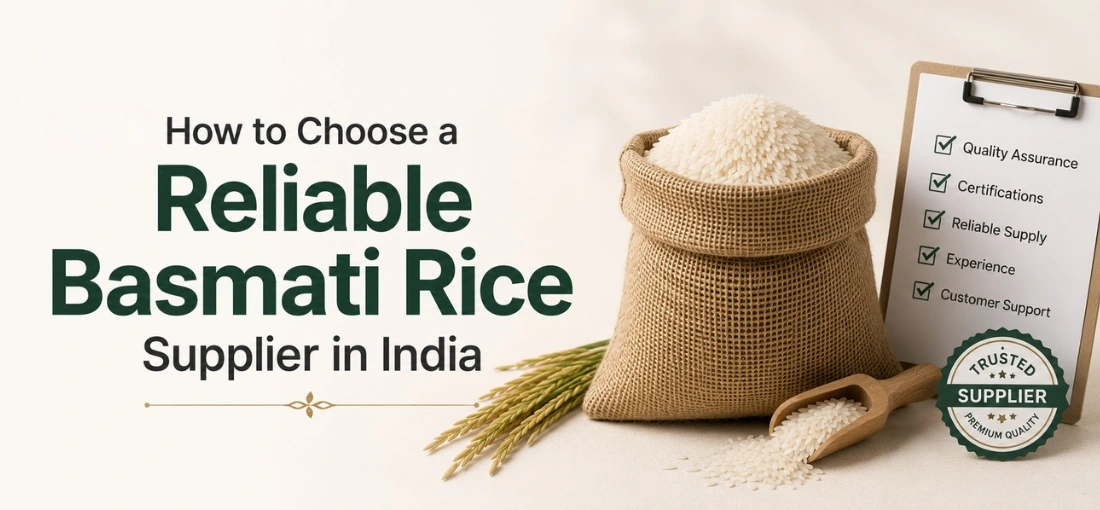
Before placing a large order with a new company, buyers should check the supplier's company registration, export credentials, product documentation, certifications, bank details and previous trade references where appropriate.
Independent inspection is another option, particularly for a first transaction.
A pre-shipment inspection can give the buyer an opportunity to check whether the cargo corresponds with the agreed specification before it leaves India.
It does not replace normal due diligence. It simply gives the buyer another layer of control over a large purchase.
Bulk Basmati Rice Exporters Can Be Compared Through Actual Requirements
There are plenty of ways to find bulk basmati rice exporters.
Online directories are one route. Buyers can also approach rice mills directly, meet sella basmati rice exporters . at trade exhibitions or work through established trading networks.
All of these can produce useful contacts.
The problem is that a supplier listing tells you relatively little about the transaction itself. It may not tell you whether the supplier has the required stock, what price it can offer against your exact specification or how its offer compares with another exporter.
This is where a transaction-oriented B2B model can be useful.
Platforms such as Tradologie allow buyers to raise an actual requirement and receive quotations from verified suppliers, with the opportunity to negotiate directly instead of simply exchanging contact details.
For a bulk buyer, that changes the starting point. The conversation begins with the requirement rather than with a long list of supplier profiles.
Direct Negotiation Changes the Sourcing Conversation
Once several suppliers are responding to the same requirement, price comparison becomes much more meaningful.
The buyer can look at quotations against the same product specification instead of comparing unrelated catalogue prices.
Tradologie's transaction-oriented model is built around buyer requirements, supplier quotations and live negotiations. The platform says suppliers undergo verification before participating in transactions, while buyers can also use inspection and trade-support processes.
That does not remove the need for the buyer to conduct its own checks.
What it does is provide a more transaction-focused way of reaching suppliers and discussing an actual order.
For someone looking to buy basmati rice in bulk , that can be a more practical starting point than going through pages of generic supplier listings.
The Right Sella Basmati Supplier Depends on the Destination Too
Basmati does not have one fixed price across every international market.
The destination, buyer segment, packaging, import requirements and freight route all have a bearing on the final deal.
A wholesaler supplying restaurants in the UAE may be looking for a different Sella specification from a supermarket distributor in Europe. A foodservice company might want large commercial bags, while a retail importer could be looking for its own private-label packaging.
That makes the destination part of the sourcing decision.
An exporter may have the right rice and a competitive price, but if it cannot handle the packaging, documentation, inspection or shipping requirements for that particular market, the quotation is of limited use.
India's Basmati Export Market Gives Buyers Plenty of Choice
India's export numbers explain why the country remains such an important sourcing market for international basmati buyers.
With 6.52 million tonnes of basmati rice exported in 2025-26, worth approximately $5.67 billion , the country has a deep commercial ecosystem around the product.
Saudi Arabia, Iran, Iraq, the UAE and Yemen remain important destinations, while Indian basmati also reaches Europe, North America, Africa and other markets.
So there is no shortage of suppliers.
What matters is finding the ones that fit the order.
A buyer looking for Sella basmati should ideally have the variety, grain length, processing specification, quantity and destination worked out before approaching exporters. Once those details are clear, supplier quotations become much easier to compare and the conversation becomes far more specific.
What to Check Before You Buy Sella Basmati Rice in Bulk
| Requirement | What the Buyer Should Confirm |
|---|---|
| Variety | 1121 Sella, 1509 Sella, Traditional Basmati or other specified variety |
| Grain specification | Average grain length and appearance |
| Processing | White Sella, Golden Sella or other required format |
| Quality | Moisture, broken percentage, foreign matter and milling quality |
| Ageing | Crop year and ageing period, where applicable |
| Quantity | Total tonnes and shipment schedule |
| Packaging | Bulk bags, retail packs or private-label packaging |
| Inspection | Pre-shipment inspection and quality verification |
| Commercial terms | FOB/CIF price, payment terms and delivery schedule |
| Documentation | Export, phytosanitary and destination-specific documents |
Conclusion
India's basmati industry gives international buyers a wide range of sourcing options, from large integrated rice companies to specialist exporters and mills. But a successful bulk purchase usually starts well before the price negotiation. The variety, grain specification, processing, packaging and destination all need to be clear first.
Once those basics are settled, the buyer can compare suppliers on something more useful than a headline price.
For businesses planning to buy basmati rice in bulk , verified suppliers, clear specifications and direct commercial negotiation can make the sourcing process considerably easier. And when the requirement is being handled as an actual transaction rather than just a supplier search, there is much more room to compare the deal properly and find a supplier that can deliver what was originally requested.
Disclaimer
This content is for general informational purposes and is based on the company and trade information provided in the source material. Supplier availability, prices, specifications, certifications and export capabilities can change. Buyers should independently verify supplier credentials, product quality, documentation, current availability and commercial terms before placing a bulk order.