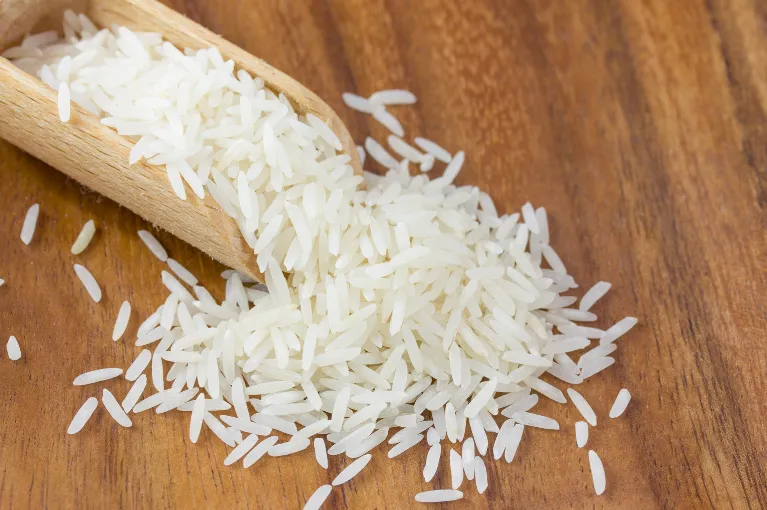
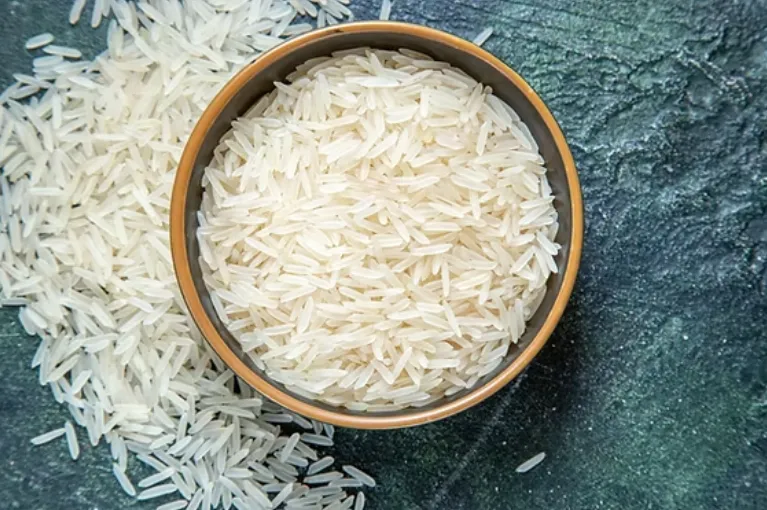
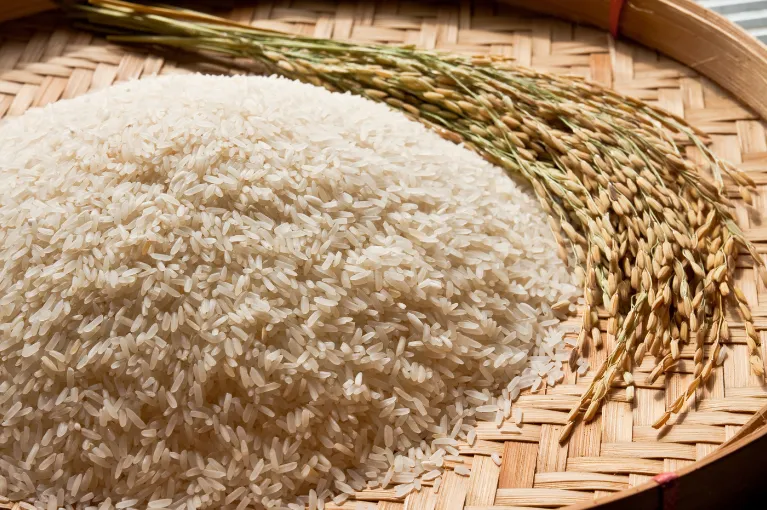
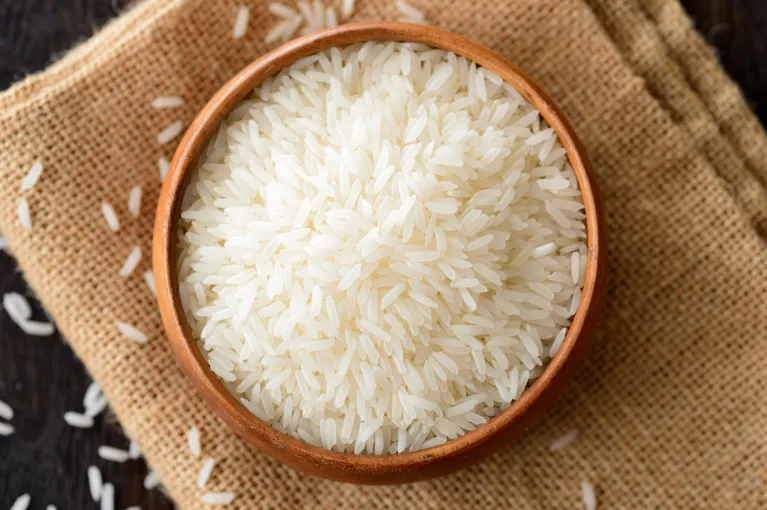
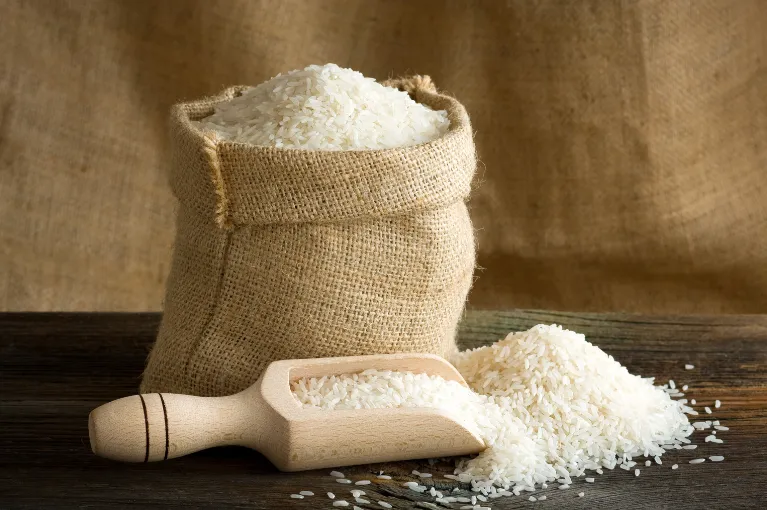
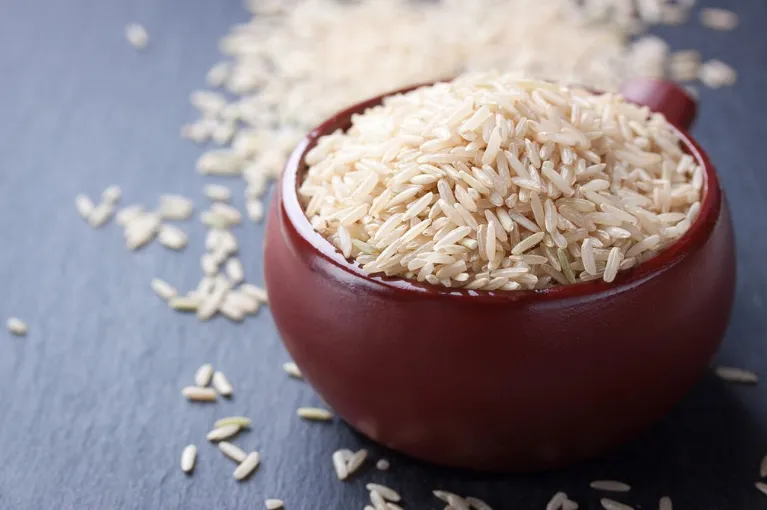
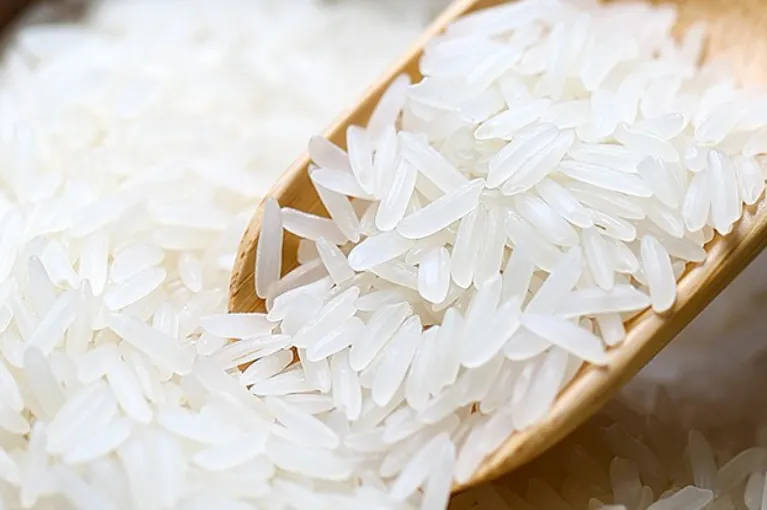
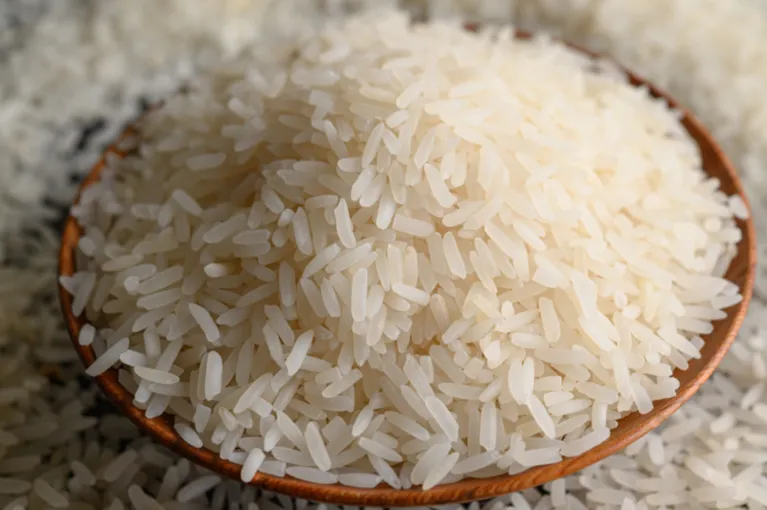
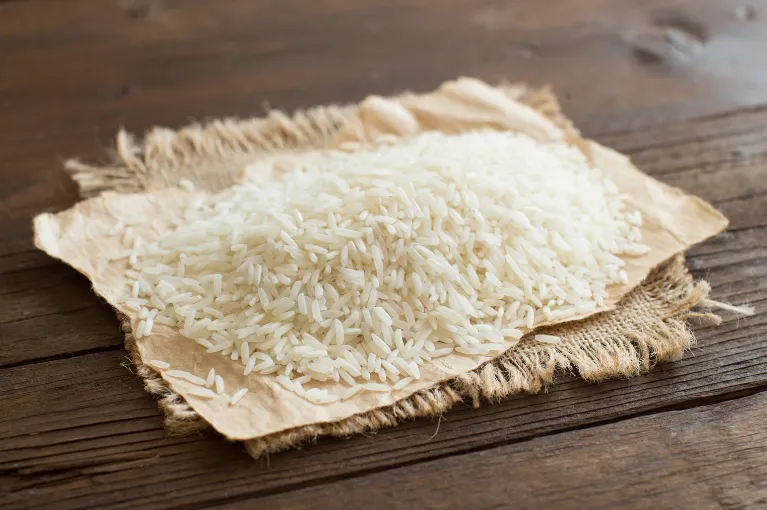
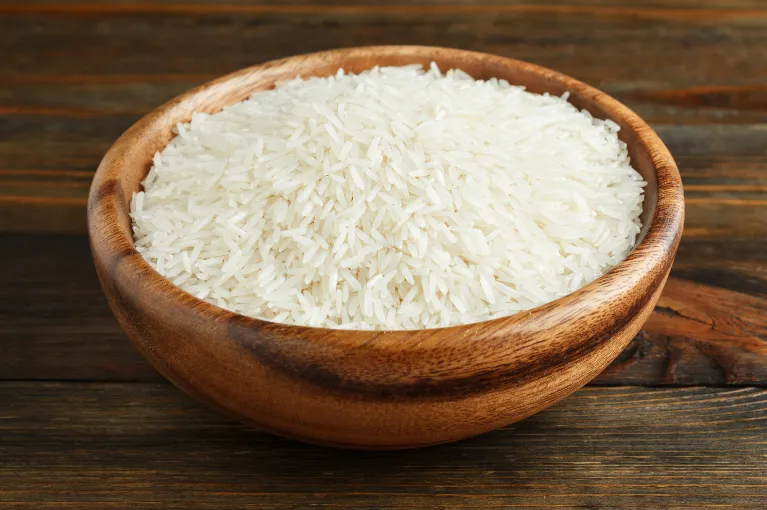
PR 11/14 is a premium non basmati long grain rice variety, commonly marketed as "PR-11/14 Basmati Rice" because of its similar long-grain look and use in traditional dishes. It is mostly grown in northern India, including Punjab, Haryana, and Uttar Pradesh.
For international buyers looking to import PR 11/14 Basmati Rice, it is available in multiple varieties:
Raw and Steam: Including the popular PR 11 Steam Rice.
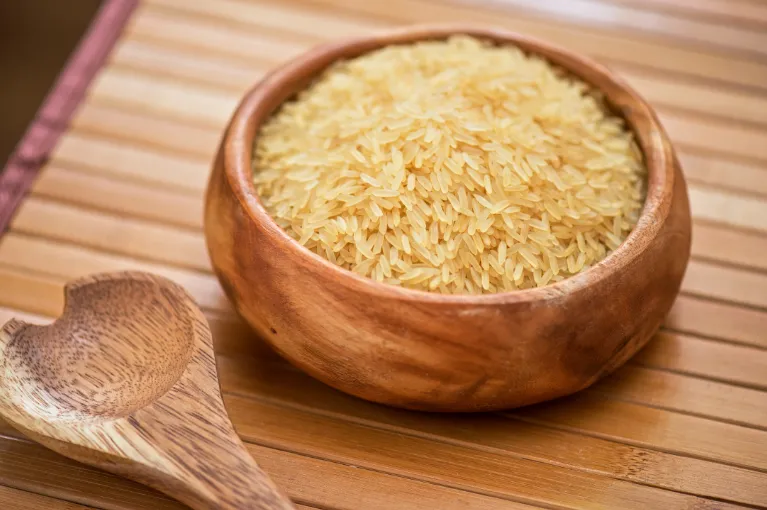
Sella (Parboiled): The PR11 Sella Rice, available in White and Golden Sella forms, is a favourite for export due to its resilience during cooking.
Commercial Importance
This PR-11/14 variety acts as a crucial market bridge because it offers the aromatic experience and elongation of premium Basmati without the premium price tag associated with Pusa 1121 or Traditional Basmati. For traders monitoring the 1121 Basmati rice price or the fluctuating non-basmati rates, PR 11 Rice and PR 14 Rice serve as strategic alternatives.
Whether you are looking to buy PR 11/14 Basmati Rice for retail or bulk distribution, it bridges the gap between luxury and utility. Its ability to provide the "Basmati feel" at a competitive price point makes it an indispensable stock-keeping unit (SKU) for markets that demand aroma but are price-sensitive.
Core Industries
PR-11/14 Rice is a staple for the bulk catering sector, including large-scale hotel buffets, industrial canteens, and community kitchens.
Retail Sector: It is frequently packaged as "Everyday Basmati" or "Value Basmati" to stabilise costs for middle-income households.
Re-export Market: Trading hubs like Dubai rely heavily on varieties like PR 11 Rice and PR11 Rice, where they are imported in bulk, processed, and distributed to Middle Eastern and European markets requiring specific price-performance ratios.
When you prepare to sell PR 11/14 Basmati Rice or procure it, strict adherence to technical parameters is vital.
PR-11/14 vs. Pusa 1121: The Distinction in Indian Basmati Trade
PR-11/14 and Pusa 1121 are two pillars of India's Basmati export trade, but they serve entirely different masters. While Pusa 1121 powers the luxury dining engine, PR-11/14 captures the high-volume value segment.
Grain Profile: The Length Advantage
Specs drive the visual difference. Pusa 1121 wins on extreme aesthetics with an average grain length (AGL) of 8.35mm+, expanding significantly upon cooking. PR-11/14 is shorter but robust, averaging 6.7mm to 6.9mm. For buyers where "volume and taste" matter more than extreme elongation, PR-11/14 is the clear victor.
Consumption Experience
PR-11/14 is renowned for its non-sticky texture and ability to absorb flavours, making it the preferred "everyday" Basmati for catering and homemade Pulao. Pusa 1121 is famous for its independent grain separation and dramatic elongation, offering a "fluffy" visual widely seen in gourmet photography.
Price Dynamics: Margin vs. Volume
Trading logic differs for each. Pusa 1121 commands a high premium, offering traders prestige but requiring significant capital investment. PR-11/14 trades on volume-driven margins. A $20/ton shift impacts PR-11/14 demand significantly as it competes with other mid-tier varieties, whereas 1121 buyers are often less price-sensitive due to brand requirements.
Buyer Strategy: When to choose which?
It comes down to the end consumer. If the importer is supplying 5-star hotels or luxury gift packs, they book Pusa 1121. If the contract is for daily catering, mid-tier restaurants, or supermarket "Value" brands, PR-11/14 is the automatic, cost-efficient choice.
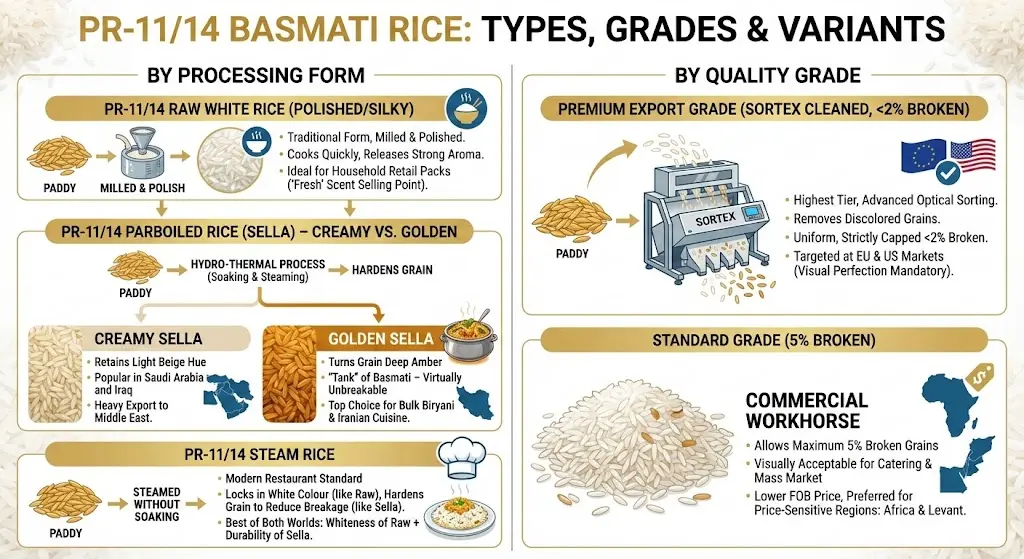
Types, Grades & Variants of PR-11/14 Basmati Rice
By Processing Form
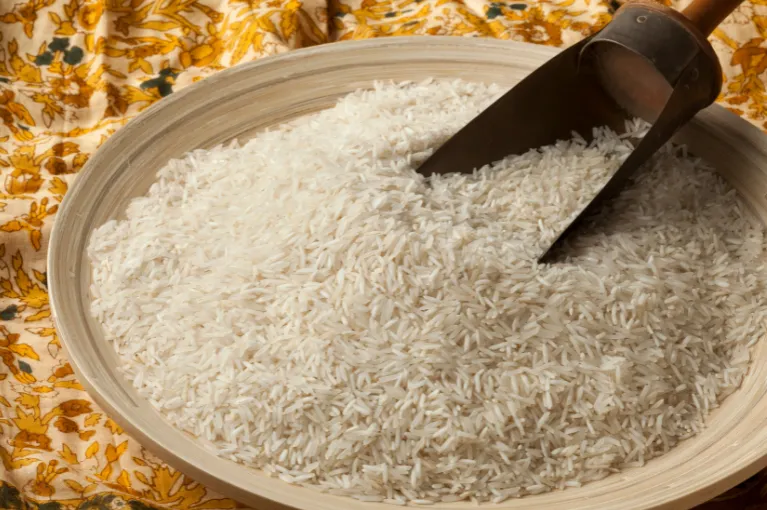
PR-11/14 Raw White Rice (Polished/Silky)
This is the traditional form where the paddy is milled and polished. It cooks quickly and releases a strong aroma, making it ideal for household retail packs where the "fresh" Basmati scent is a selling point.
PR-11/14 Parboiled Rice (Sella) - Creamy vs. Golden
Sella involves a hydro-thermal process (soaking and steaming), which hardens the grain. Indian Basmati traders heavily favour this form for export to the Middle East. Creamy Sella retains a light beige hue and is popular in Saudi Arabia and Iraq. Golden Sella turns the grain a deep amber; it is the "tank" of Basmati varieties—virtually unbreakable in cooking—making it the top choice for bulk Biryani and Iranian cuisine.
PR-11/14 Steam Rice
Steam rice is the modern standard for restaurants. The paddy is steamed without soaking. This process locks in the white colour (unlike Sella) but hardens the grain to reduce breakage (unlike Raw). It offers the best of both worlds: the whiteness of Raw rice with the durability of Sella.
By Quality Grade
Premium Export Grade (Sortex Cleaned, < 2% Broken)
This is the highest tier, processed by PR-11/14 exporters in India using advanced optical sorting machines (Sortex) to remove practically all discoloured grains. With a broken percentage strictly capped below 2%, this grade is uniform and targeted at EU and US markets, where visual perfection is mandatory.
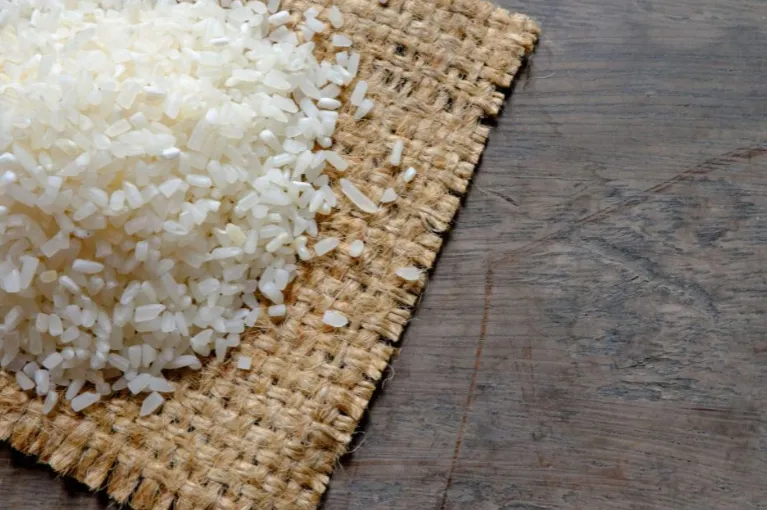
Standard Grade (5% Broken)
This is the commercial workhorse for the PR-11/14 variety in international trade. It allows for a maximum of 5% broken grains, which is visually acceptable for most catering and mass-market applications. This specification offers a lower FOB price, making it the preferred choice for PR 11/14 Basmati Rice importers in Africa and the Levant.
Applications & End-Use Mapping - PR-11/14 Rice
Culinary Applications: PR-11/14 is regarded as a versatile rice variety, making it ideal for heavy rice dishes like Biryani, Machboos, and Fried Rice.
Industry Usage (HORECA Dominance): In the HORECA sector, this variety serves as a profit-maximiser. It provides the "Basmati" label on the menu without the food cost of 1121, making it a leading export to the global food service industry.
Export-Oriented Uses (Re-bagging): PR-11/14 is a favourite commodity for re-export hubs. Exporters in India often ship this variety in bulk to Dubai or Europe, where it is re-bagged into consumer packs (1kg, 5kg) under private labels as "Long Grain Basmati."
Supply & Demand Countries - PR-11/14 Basmati Rice
PR-11/14 Basmati Rice trade is defined by a specialised geographic monopoly and grade-specific demand. Supply remains anchored in North India's unique climatic belts, while demand varies from volume-heavy catering markets in the Gulf to quality-sensitive regions requiring strict regulatory compliance.
Top PR-11/14 Basmati Rice Exporters
North India is the primary supplier of PR 11 steam rice. It is mostly grown in the farming districts of Haryana, Punjab, and Western Uttar Pradesh, where the environment is ideal.
Supply dynamics rely heavily on meeting specific processing requirements—PR 11/14 Basmati Rice sellers here are specialised in meeting specific MRL (pesticide) compliance.
Top PR-11/14 Basmati Rice Importers
Middle East - The largest buyers, including Saudi Arabia, Kuwait, and the UAE. Demand here is driven by the 'Sella' grades used extensively in the catering and food service sectors.
Europe - A growing market for the 'Raw' and 'Steam' variants. Imports here are conditional, relying on the ability of suppliers to meet strict MRL (pesticide) norms
East African markets - Imports are driven by the need for a "premium upgrade" from standard long-grain white rice, typically reserved for special occasions and festivities.
Global Market Overview: The "Mid-Tier" Basmati Trade
This overview focuses on the volume-heavy "commercial" Basmati trade, distinct from the ultra-premium segment.
Current Market Position: While Pusa 1121 grabs the headlines, PR-11/14 and PR-106 varieties sustain the volume. They account for a significant portion of India's non-premium Basmati exports.
Key Demand Drivers:
Menu Engineering: Restaurants are switching to PR-11/14 to keep menu prices stable while still serving "Basmati."
Inflationary Pressures: As global food inflation rises, households in export markets are downgrading from 1121 to PR-11/14 to maintain rice quality within budget.
Production Dynamics:
Farmer Preference: Producers in Haryana frequently choose PR varieties over regular Basmati because they grow faster and are more disease-resistant, assuring a consistent supply.
Export & Import Trend Analysis
The following analysis tracks the volatility and recovery of PR-11/14 Long Grain Rice (categorised under Non-Basmati White/Parboiled customs codes) across three distinct phases. Because PR-11/14 is commercially traded as a "bridge" variety (often mislabeled as Basmati but technically Non-Basmati), it was directly impacted by the stringent non-basmati export bans.
Volume Trends: The Policy-Driven Substitution
The export volume of PR-11/14 followed a "Substitution Curve," where demand shifted violently between "Raw" and "Parboiled" forms in reaction to government policy.
FY 2022-23 (The Peak): Before restrictions, India exported record volumes of non-basmati long grain rice. PR-11/14 Raw was the preferred low-cost "look-alike" for Basmati in price-sensitive markets like the UAE and West Africa, trading freely without duties. (Source: DGCIS).
FY 2023-24 (The Shift): After the 2023 ban on Non-Basmati White Rice, exports of PR-11/14 Raw were completely halted. However, unlike shorter grains, demand for PR-11/14 shifted. Importers forced a substitution to PR-11/14 Sella (Parboiled), which was allowed for export (subject to a 20% duty).
FY 2025-26 (The Rebound): With the removal of the white rice ban and the easing of parboiled duties (Oct 2024), PR-11/14 volumes are projected to surge. With policy easing, PR 11/14 Basmati Rice exporters are witnessing a 'restocking rally' as buyers switch back to the preferred Raw/Steam variants that were previously unavailable. (Source: USDA Grain and Feed Update).
Export Value Trend
Price Floor Elevation: The regulatory volatility effectively raised the "floor price" of PR-11/14. Historically trading at $380-$420 PMT, the imposition of the 20% duty on parboiled rice during 2023-24 forced the market to accept a new standard of $500-$550 PMT. Even after duties were removed, prices have not fully reverted to pre-2022 lows, establishing a higher value baseline for this variety.
PR-11/14 Price & Bulk Cost Indicators
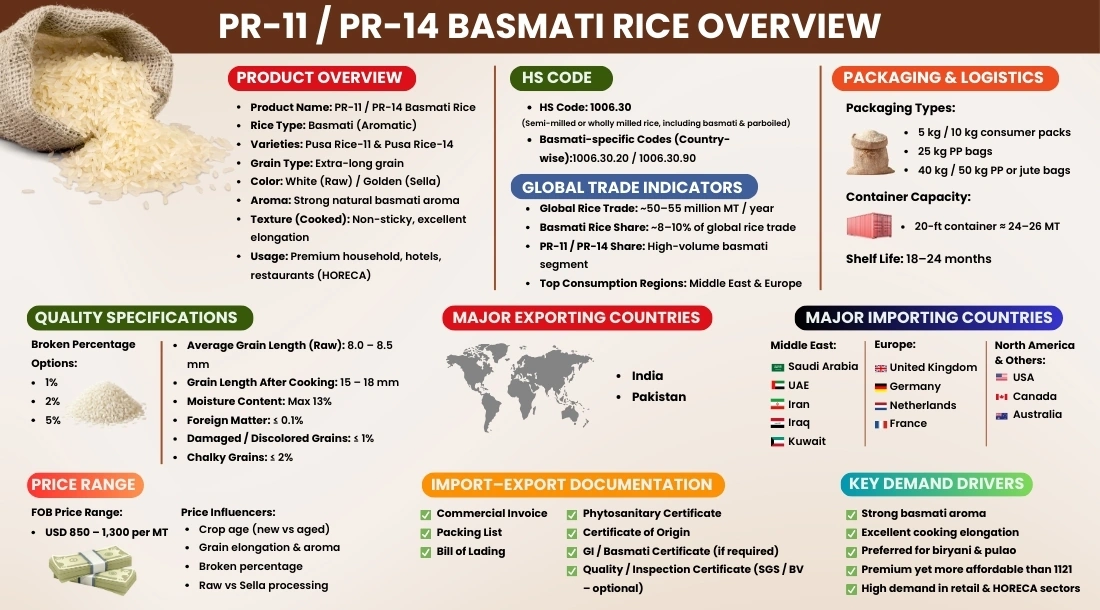
Indicative Bulk Export Price: USD 850 - 1050 per metric ton (FOB) [Note: PR rice Prices are volatile and hypothetical for this format].
For traders monitoring the PR 11 rice price or PR 14 rice price, it usually trades at a discount of $200-$300/MT compared to Pusa 1121.
What usually shifts the price:
Paddy Arrivals: Prices hit the floor during the Oct-Nov harvest season.
Export Demand: A surge in buying from Iran or Saudi Arabia can tighten domestic availability instantly.
Processing Form: Golden Sella usually commands a slight premium over Raw due to the extra processing costs.
HSN Code & Tax Classification
HS Code: 1006.30.20 (Basmati Rice)
Export Protocol: Must be declared as "Basmati Rice" with a valid certification from authorities like APEDA (in India).
Clearance: Mislabeling PR-11/14 as non-basmati to avoid Minimum Export Prices (if applicable) is a major compliance risk.
Logistics, Packaging & Incoterms
Packaging Options:
Non-Woven Bags: The industry standard for Basmati retail (5kg/10kg/20kg).
PP/Jute Bags: Used for bulk wholesale (40kg/50kg).
Logistics: The 20ft container is the standard unit, usually holding 24-25 MT of bagged rice.
Incoterms: FOB (Mundra/Kandla) is common, giving the buyer control over freight. CIF is available for buyers preferring a landed price.
APEDA Registration: This is non-negotiable. It is the fundamental authorisation for any Basmati export from India, validating the authenticity of the variety before it leaves the country.
Phytosanitary Certificate is standard and mandatory. It ensures the cargo is pest-free and meets the health safety standards.
Third-Party Inspection (SGS/Bureau Veritas) Critical for verifying value. Unlike standard rice, inspections here focus heavily on specific grain length and purity analysis to ensure the shipment meets the premium standards of PR-11/14.
Quality & Weight Checks Standard practice for premium trades. Independent verification confirms that the loaded cargo matches the contractual weight and quality parameters.
In PR-11/14 Basmati trade, compliance is rigorous and quality-centric—focused on proving that the grain length and purity justify the premium price point.
Transparency & Disclaimer
All prices, specifications, and trade data are indicative and subject to change based on season, origin, compliance requirements, and logistics. Buyers and sellers should verify details before contracting.
Sources: FOB, DGCIS, USDA Grain and Feed Update.
Usually around 26 MT, which is one filled container. Smaller quantities are uncommon in bulk trade.
Most trades are done on a Letter of Credit at sight. In some cases, escrow-based payments with a partial advance are also used, depending on the deal and buyer–seller understanding.
The platform is free for buyers and allows direct negotiation with verified suppliers. You see real offers, no hidden margins, and full transparency through the process.
Yes. Indian exporters specialise in printing buyer brands on non-woven or BOPP bags for retail distribution.
It is called commercial because it offers the essential traits of Basmati (aroma and length) at a price point viable for mass catering and everyday use, unlike the "Occasion" status of Traditional Basmati.
We use cookies to enhance site functionality, improve user experience, analyze website performance, and deliver relevant content in accordance with our Cookie Policy.
We use cookies
Essential Cookies
Essential cookies are strictly necessary for Tradologie.com to operate properly. They enable core functionalities such as security, session management, network stability, and cookie consent preferences. These cookies do not collect personal data and cannot be disabled.
Name
Vendor / Service
Purpose
Expiry
Privacy Policy
ASP.NET_SessionId
Tradologie.com / ASP.NET
Maintains secure user session across pages.
Session
https://privacy.microsoft.com/
__RequestVerificationToken
Tradologie.com
CSRF protection for forms.
Session
https://www.tradologie.com/privacy-policy/
cookie_consent
Tradologie.com
Stores consent preferences so the banner does not reappear.
We use analytics cookies to gather anonymous, aggregated information about how visitors interact with Tradologie.com. This helps us improve the site, measure the success of content and services, and prioritize performance fixes.
Functional cookies allow the website to provide enhanced usability and personalization. They store preferences such as language, region, chat settings, and login details for a smoother browsing experience. Disabling these cookies may limit certain features.
Name
Vendor / Service
Purpose
Expiry
Privacy Policy
user_lang / lang
Tradologie.com
Remembers chosen language.
1 year
https://www.tradologie.com/privacy-policy/
timezone_pref
Tradologie.com
Stores timezone preference for display.
6 months
https://www.tradologie.com/privacy-policy/
remember_user
Tradologie.com
Keeps logged-in state when chosen.
30 days
https://www.tradologie.com/privacy-policy/
livechat_session
Tawk.to
Maintains chat session state.
Session
https://www.tawk.to/privacy-policy/
Marketing
Marketing cookies are used to deliver advertising that is relevant to you and to measure the effectiveness of our marketing campaigns across platforms such as Google, LinkedIn, Meta and Microsoft. These cookies are set only with your consent.