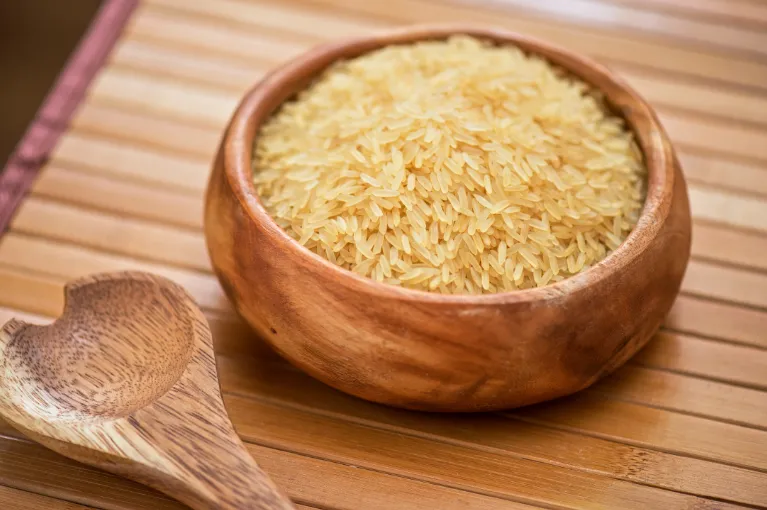
Import C-9 Pakistani Long Grain Rice: Secure Your Bulk Shipment Now
What is C 9 Long Grain Rice?
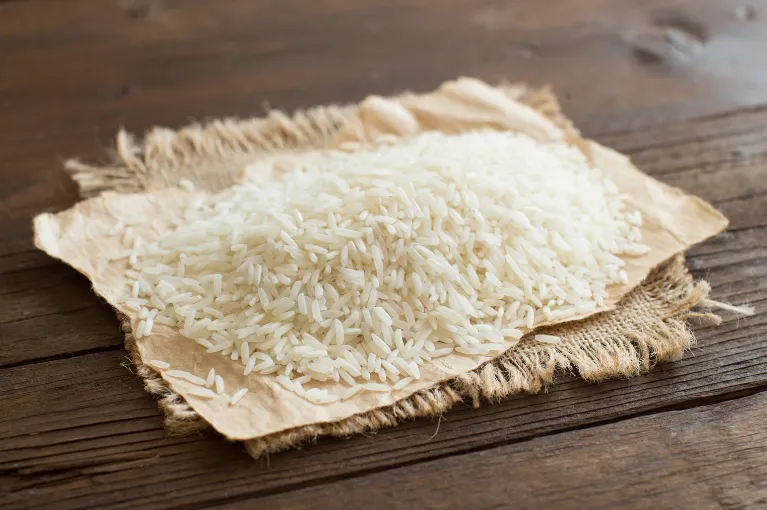
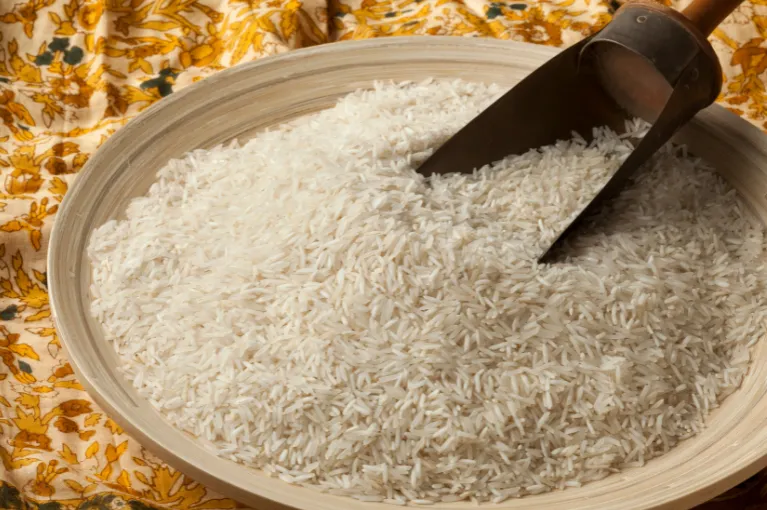
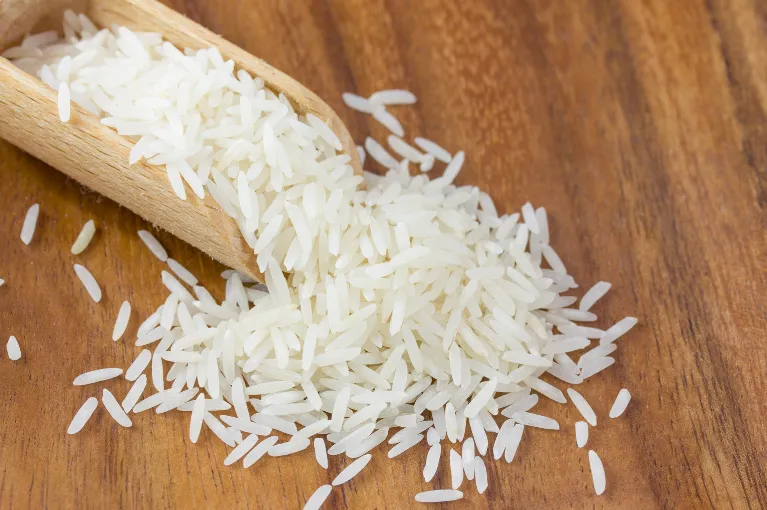
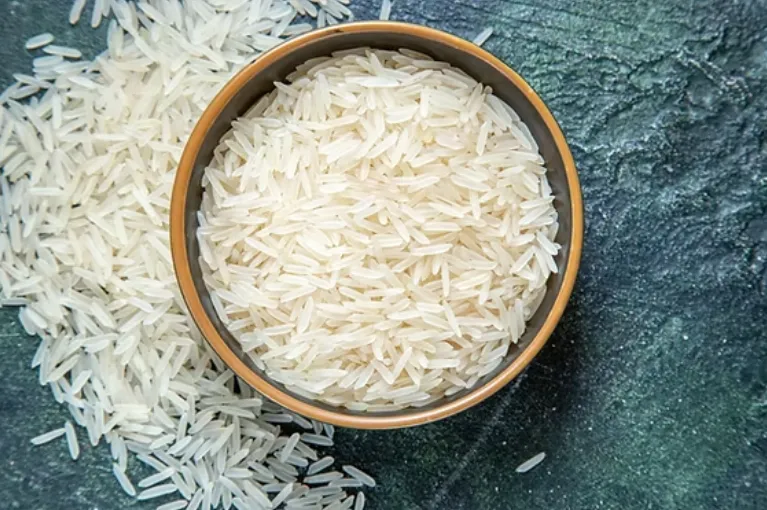
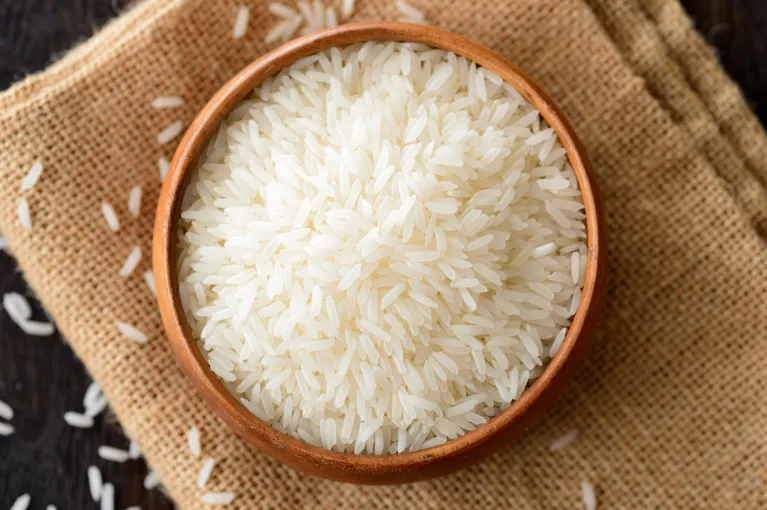
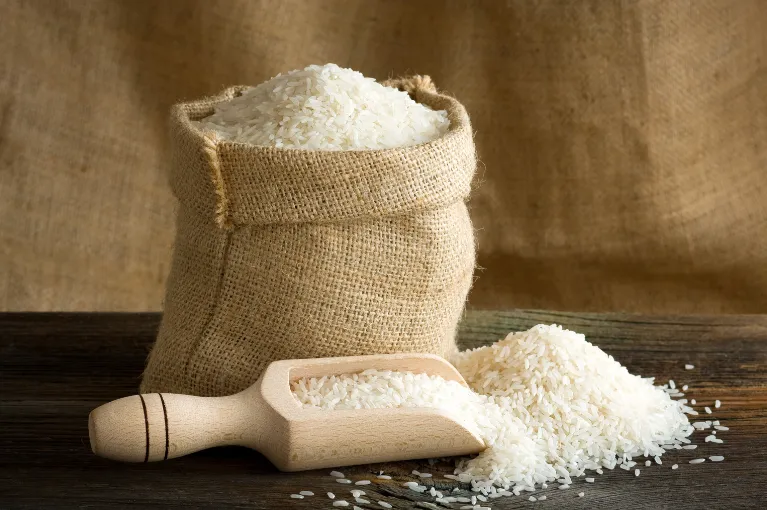
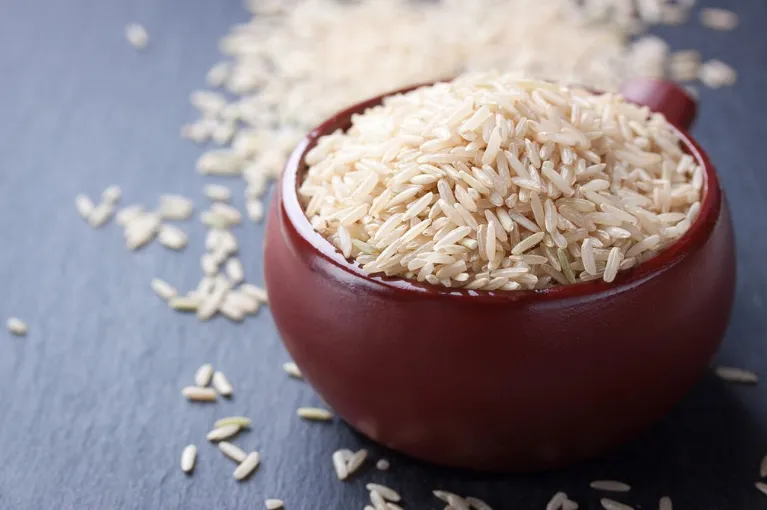
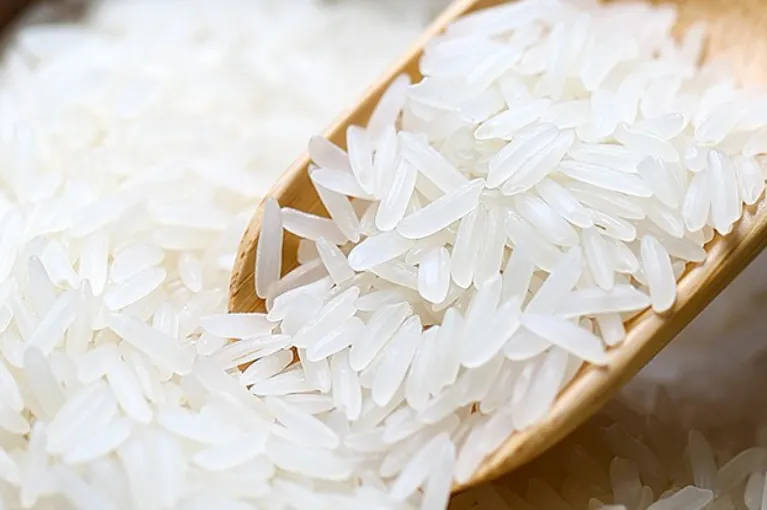
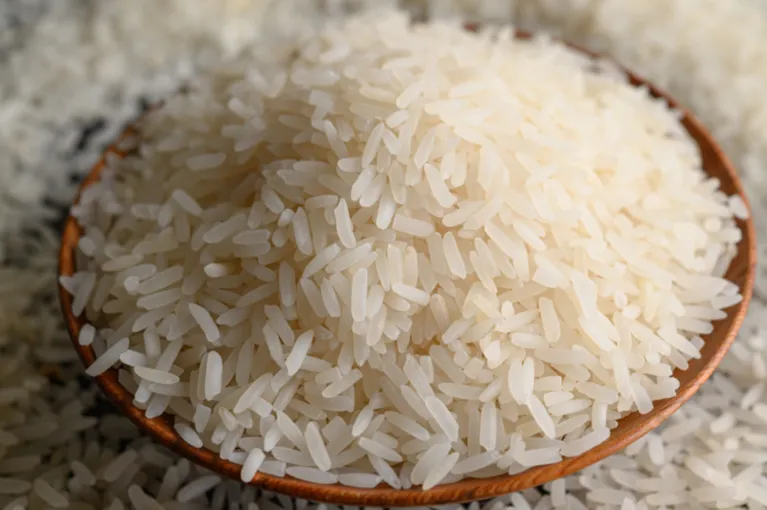
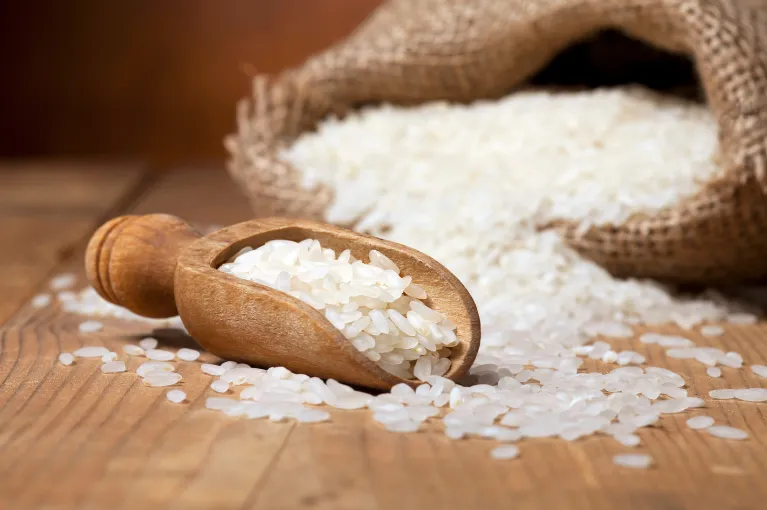
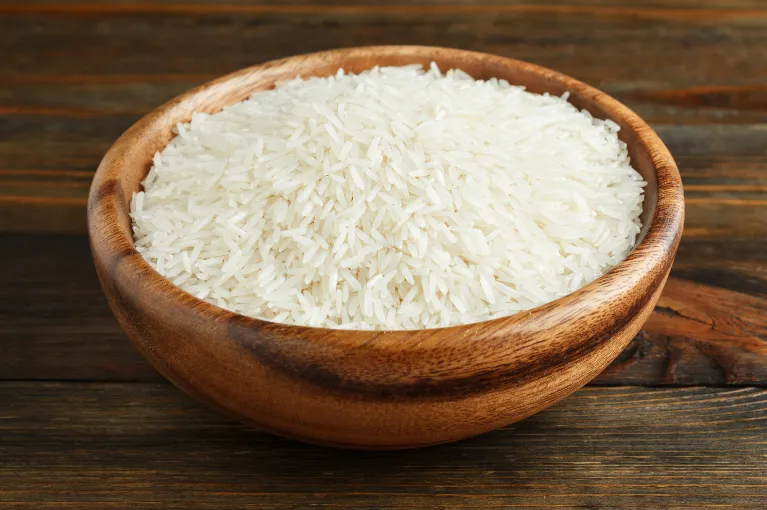
C-9 Non Basmati Rice is a variety grown primarily in Pakistan's fertile alluvial plains, particularly in Sindh and Punjab provinces. As a popular long-grain Pakistani white rice variety, it is often referred to as a "semi-premium" grain. It is widely recognised for its non-sticky texture and fluffy consistency upon cooking, available commercially in Raw, White Sella (Parboiled)—often sourced for sella rice Pakistan exports—and Golden Sella forms to suit diverse culinary preferences.
Commercial Importance
This C-9 long grain rice acts as a crucial market bridge because it offers the visual appeal and cooking integrity of premium grains without the high price tag associated with traditional Super Basmati. For traders monitoring the Super 515 rice price in Pakistan or the fluctuating sella rice price in Pakistan, C-9 serves as a strategic alternative, allowing them to target consumers who prefer premium-style meals under a budget. Its ability to mimic the volume and presentation of higher-end varieties makes it an indispensable stock-keeping unit (SKU) for markets that cannot sustain the high cost of pure Basmati.
Core Industries
C-9 rice is a staple powerhouse for the bulk catering sector, including hotels, canteens, and large-scale industrial kitchens, where yield and distinct grain separation are critical for dishes like fried rice, biryani, or the comfort classic masar chawal. In the retail sector, it is frequently packaged as a branded "Long Grain" everyday rice or used in blends to stabilise costs for budget-conscious households. Furthermore, the re-export market relies heavily on this variety, particularly in trading hubs like Dubai, where it is imported in bulk, reprocessed, and distributed to African and Middle Eastern markets.
Core Industries
Specification
Value
Purity
95%
Admixture
5% Max
Average Length
6.8 mm
Moisture
12.5% Max
Broken
1% - 5% (As per grade)
Paddy Grain
NIL
Black/ Red Grain
NIL
Discolour & Damage
1% Max
Foreign Matter
NIL
C-9 vs. IRRI-6: The Distinction in Pakistani Non-Basmati Rice
C-9 rice and IRRI-6 are the two pillars of Pakistan's non-basmati export trade, but they serve entirely different masters. While IRRI-6 powers the global commodity engine, C-9 captures the value-added segment.
Market Positioning: "Semi-Premium" vs. "Global Standard"
The fundamental difference lies in aspiration. C 9 long grain rice is positioned as an affordable upgrade—a bridge to Basmati for consumers who want the "look" without the price. IRRI-6, conversely, is the undisputed volume leader, serving as the benchmark for standard white rice in government tenders and mass retail.
Grain Profile: The Length Advantage
Specs drive the visual difference. C-9 non-basmati rice wins on aesthetics with a slender average grain length (AGL) of 6.6mm to 6.8mm, offering a refined appearance. IRRI-6 is shorter and stockier, averaging 6.0mm. For buyers where "eye appeal" on the shelf matters, C-9 is the clear victor.
Consumption Experience: Fluffiness vs. Fill
C-9 is renowned for its non-sticky, distinct texture, making it the preferred long grain non-basmati rice Pakistan exports for catering, biryanis, and fried rice. Because of its higher caloric yield and softer texture, IRRI-6 is a popular food in Asian and African households.
Price Dynamics: Margin vs. Volume
Trading logic differs for each. C-9 rice commands a premium, offering traders higher margins per container but lower overall volume compared to the commodity giant. IRRI-6 trades on razor-thin margins where success depends on moving massive tonnage. A $5/ton shift impacts IRRI-6 demand instantly, whereas C-9 buyers are often more price-resilient due to quality loyalty.
Buyer Strategy: When to choose which?
It comes down to the target shelf. If C-9 long grain rice importers are supplying hotels, mid-tier restaurants, or branded retail packs, they typically book this specific grade.. If the contract is for civil supplies, humanitarian aid, or economy bulk bags, IRRI-6 is the automatic, cost-efficient choice.
Types, Grades & Variants of C-9 Long Grain Rice
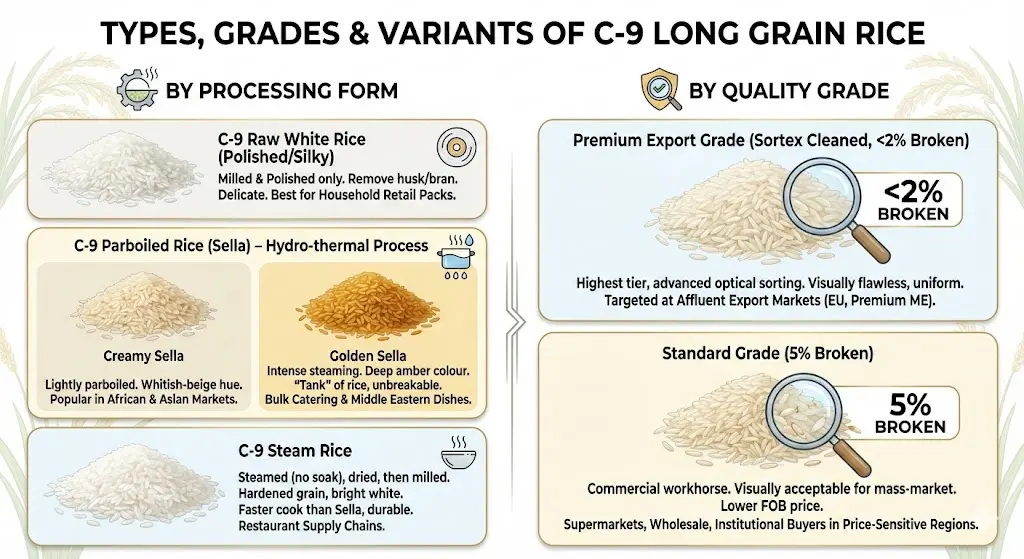
By Processing Form
C-9 Raw White Rice (Polished/Silky)
This is one of the most typical forms of the C-9 rice variety, where the paddy is simply milled and polished to remove the husk and bran. It is more delicate than parboiled varieties, making it ideal for household retail packs.
C-9 Parboiled Rice (Sella) - Creamy vs. Golden
Sella involves a hydro-thermal process (soaking and steaming) before milling, which gelatinises the starch and hardens the grain. Pakistani non-basmati rice traders heavily favour this form for export markets. Creamy Sella is parboiled lightly to retain a whitish-beige hue, popular in African and Asian markets. Golden Sella undergoes a more intense steaming process, turning the grain a deep amber colour; it is the "tank" of rice varieties—virtually unbreakable in cooking—making it the top choice for bulk catering and Middle Eastern dishes.
C-9 Steam Rice
Steam rice serves as a modern hybrid between Raw and Sella. The paddy is steamed without soaking, then dried and milled. This process hardens the grain sufficiently to reduce breakage during milling while maintaining a bright white colour similar to Raw rice. As an increasingly popular form of long grain rice in Pakistan, it is favoured in restaurant supply chains because it cooks faster than Sella but offers better durability and grain separation than traditional Raw rice.
By Quality Grade
Premium Export Grade (Sortex Cleaned, < 2% Broken)
This is the highest tier, processed by top C-9 long grain rice exporters in Pakistan using advanced optical sorting machines (Sortex) to remove practically all discoloured grains and foreign matter. With a broken percentage strictly capped below 2%, this grade is visually flawless and uniform. It is targeted at affluent export markets (such as the EU and premium Middle Eastern retail) where the consumer expects a "Basmati-like" appearance without the associated cost.
Standard Grade (5% Broken)
This is the commercial workhorse for the non-basmati rice variety C-9 in the international trade. It allows for a maximum of 5% broken grains, which is visually acceptable for most mass-market applications. The slight inclusion of broken grains significantly lowers the FOB price compared to the premium grade, making it the preferred specification for supermarkets, wholesale distributors, and large-scale institutional buyers in price-sensitive regions.
Applications & End-Use Mapping - C-9 Long Grain Rice
Culinary Applications
C-9 is widely regarded as a versatile non-basmati long grain rice. Its primary strength lies in its non-sticky texture, making it ideal for Fried Rice, Pilaf, and everyday household meals.
Industry Usage: HORECA Dominance
In the HORECA (Hotels, Restaurants, Catering) sector, this variety is a profit-maximiser and a leading long grain non-basmati rice Pakistan offers to the global food service industry.
Processing & Value Addition
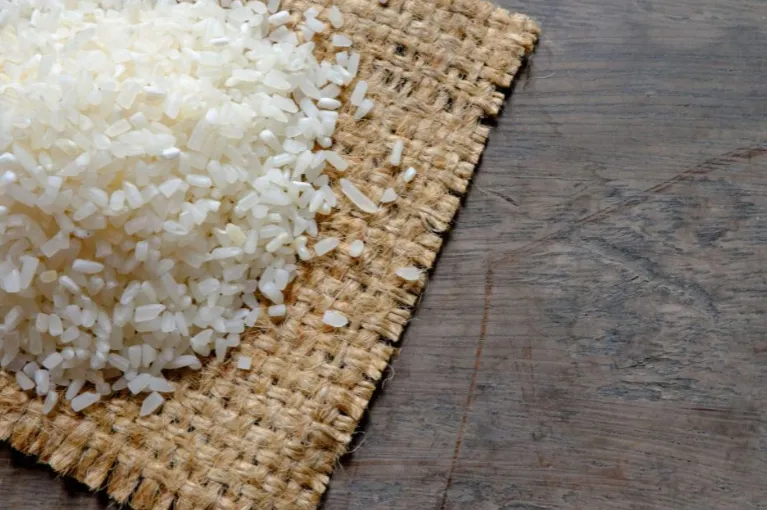
While the whole grain is prized for direct consumption, the by-products and broken grades of C-9 find extensive use in the food processing industry. Broken grains are highly valued for manufacturing rice flour due to their specific starch composition, which provides excellent crispiness in batters and snack foods.
C-9 is a favourite commodity for re-export hubs, particularly in the UAE and East Africa. C-9 rice exporters in Pakistan often ship this variety in bulk (jumbo bags or loose in containers) to be re-bagged into consumer packs (1kg, 5kg, 10kg) under local private labels.
Global Supply & Demand Geography - C-9 Long Grain Rice
Producing Regions
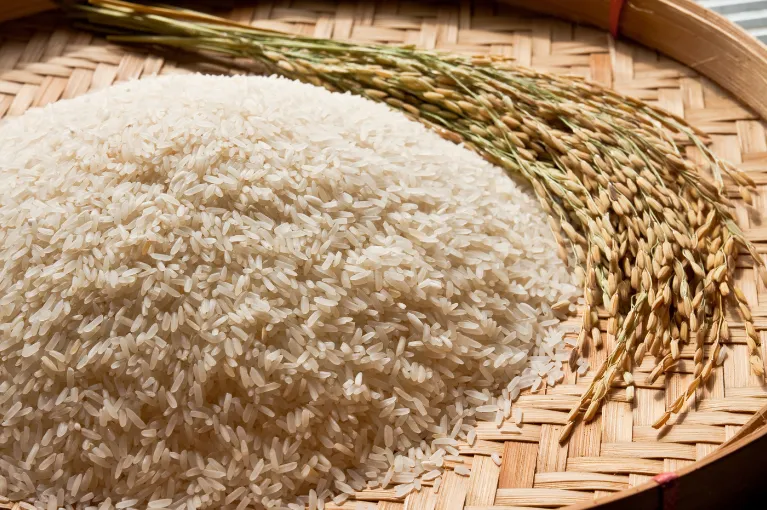
C-9 long grain rice—often referred to domestically as 9 rice—is produced in the rich agricultural belts of Pakistan, predominantly in the Sindh province (districts like Larkana, Shikarpur, and Jacobabad) and select regions of Southern Punjab. The climate here is perfectly suited for the high-yield cultivation of this versatile Pakistani white rice.
Major Import Markets West Africa: Countries such as Senegal, Togo, and Benin are top destinations to import C-9 long grain rice, specifically the 'Parboiled (Sella)' variety, driving the steady global demand for sella rice Pakistan.
Middle East:
Buyers in the UAE, Saudi Arabia, and Oman are led by the HORECA and catering industries, which require affordable long grain options for bulk meal preparation, including staples like masar chawal for the large expatriate workforce.
China:
A massive emerging buyer, importing C-9 as a high-quality blending rice to supplement domestic stocks.
Pakistan's Role in the Global Supply Chain
Due to its dominance in the supply of C-9, Pakistan controls availability and price trends for this specific grain segment. Unlike generic IRRI-6, which faces stiff competition from Vietnam or Thailand, C-9 occupies a specific niche that is almost exclusively supplied by Pakistani millers.
Global Market Overview: Non-Basmati Long Grain Rice Trade
This overview focuses on the high-volume non-basmati long grain rice trade, separating it from the premium aromatic segment like Basmati.
Current Market Size (ResearchAndMarkets)
Global Rice Market Value (2025 Estimate): USD 300-315 Billion.
Non-Basmati Long Grain Share: ~60% of total market value. Long-grain rice accounts for the largest revenue share in the global rice trade. In volume terms, non-basmati exports far exceed premium varieties.
Growth Forecast (2025-2030): Projected CAGR of 2.6% - 6.3%. The volume of demand, particularly in areas that import food, is what propels this segment's growth rather than trends in premium pricing. (Mordor Intelligence)
Key Demand Drivers
Managing currency weakness: With many local currencies struggling against the US dollar, premium imports are becoming too costly for the Global South. Importers are switching to C-9 as a standard long-grain option to keep shelf prices stable.
Convenience driving African demand: Rice is replacing traditional root crops in diets in West and East Africa due to rapid urbanisation. It is a practical requirement for growing cities in Kenya and Nigeria because it is simpler to store and quicker to cook.
Shift from luxury to utility: The market is moving away from premium branding. Demand is now driven by essential food security and value for money, focusing on volume rather than exclusivity.
Production & Supply Dynamics
Defined by the Kharif timeline: The supply chain operates on a strict seasonal clock. Sowing begins with the onset of the Kharif season in June and July. The crop hits the mandis for procurement in October and November, setting the stock levels for the year ahead.
Farmer preference for yield: Growers in Sindh prefer C-9 varieties because they offer a better price realisation than coarse IRRI-6 while maintaining high yields.
Dependence on water stability: Production volume is sensitive to environmental limits. Irregular river flows or canal water shortages in Sindh can delay sowing, impacting the final harvest quantity.
Global Trade Flows & Regional Trends
The trade landscape for C-9 rice has remained robust in 2025. As a high-yielding, non-basmati long grain rice, it has solidified its position as the primary "upgrade" for international markets seeking a balance between premium aesthetics and commodity pricing.
Pakistan's Dominance in C-9 Exports
Pakistan remains the unrivalled leader in the production and export of C-9 non-basmati rice.
Market Share: By late 2025, Pakistan’s total rice exports remained strong, with non-basmati varieties accounting for the lion's share of volume.
The C-9 Advantage: Within the non-basmati segment, C-9 long grain rice is prized for its high length-to-breadth ratio without the aromatic price premium of Basmati.
Trade Hubs: Dubai and Karachi
While the grain originates in Pakistan, the commercial control of the C-9 rice trade often passes through key logistical hubs.
Karachi (The Origin Port): As the primary exit point, Karachi Port and Port Qasim handle the massive bulk vessels and container traffic destined for Africa and Asia.
Dubai (The Re-export Hub): Dubai acts as a massive repackaging centre. Bulk shipments of non-basmati long grain rice arrive at Jebel Ali, where they are branded into consumer-ready packets for the wider Middle East.
Export & Import Trend Analysis
The following analysis tracks the volatility and strategic opportunity for C-9 Long Grain Rice (often traded under Non-Basmati White/Parboiled customs codes) across three distinct phases. As the direct "semi-premium" competitor to India's PR-11/14, C-9 served as the primary global substitute during the recent trade disruptions.
Volume Trends: The "Opportunity" Curve
The capacity to export C-9 long grain rice from Pakistan followed a sharp 'Inverted-V' trajectory, inversely correlated with India's export restrictions.
FY 2023-24 (The Historic Peak): This was the "Peak Year" for Pakistani non-basmati exporters. Pakistan’s total rice exports surged to a record ~6.0 million tonnes (up from ~3.7M tonnes prior), with C-9 and IRRI-9 varieties capturing massive market share in Indonesia, Kenya, and the EU. (Source: REAP Export Data / USDA Grain Report PK2024).
FY 2024-25 (The Stabilisation): As India gradually lifted restrictions (removing the ban in late 2024), the "panic buying" of C-9 subsided. Volumes began to normalise as buyers successfully negotiated lower prices or returned to Indian suppliers. However, Pakistan managed to retain key institutional buyers in the UAE and Saudi Arabia who preferred the distinct cooking texture of C-9 Sella over the Indian equivalent.
FY 2025-26 (The Outlook): Exports are projected to stabilise at a sustainable baseline of ~4.8 - 5.2 million tonnes. While it is lower than the crisis-driven peak, the new baseline is significantly higher than pre-2022 levels, indicating that C-9 has successfully converted temporary buyers into long-term partners, particularly in East Africa (Somalia and Djibouti).
Export Value Trend
Price Realisation Jump: The absence of Indian supply allowed Pakistani millers to command a premium. The average unit value for non-basmati rice jumped from ~$450 PMT to ~$560-$580 PMT during the peak of the ban.
Current Corridor: As of 2025, prices have corrected but remain supported by local inflation in Pakistan. C-9 Sella currently trades in a healthy corridor of $470 - $510 PMT, maintaining a slight premium over coarse IRRI-6 due to its superior length and visual appeal.
For traders monitoring the C9 rice price in Pakistan and other key export hubs, current rates reflect its positioning as a strategic mid-tier option
C-9 rice—often referred to in trade circles simply as 9 rice—operates as a "Bridge Variety." It trades above commodity IRRI-6 grades but remains below Basmati. Prices don't just move on demand; they move on substitution.
What usually shifts the price:
Broken Percentage: C-9 non-basmati rice is sold on visuals. 5% Sortex is the export standard. Higher breakage (10-15%) drops the price but kills the premium appeal.
Crop Cycle & Stock Position: Prices hit the floor during the Oct-Nov harvest. Rates firm up in Q2/Q3 as millers shift to processing stored paddy, increasing holding costs.
Packaging Format: Standard 50kg PP bags are the baseline. Switching to 5kg/10kg retail packs adds incremental cost ($25-40/MT).
Disclaimer: Prices are indicative and subject to market volatility, exchange rates, and government policies.
HSN Code & Tax Classification
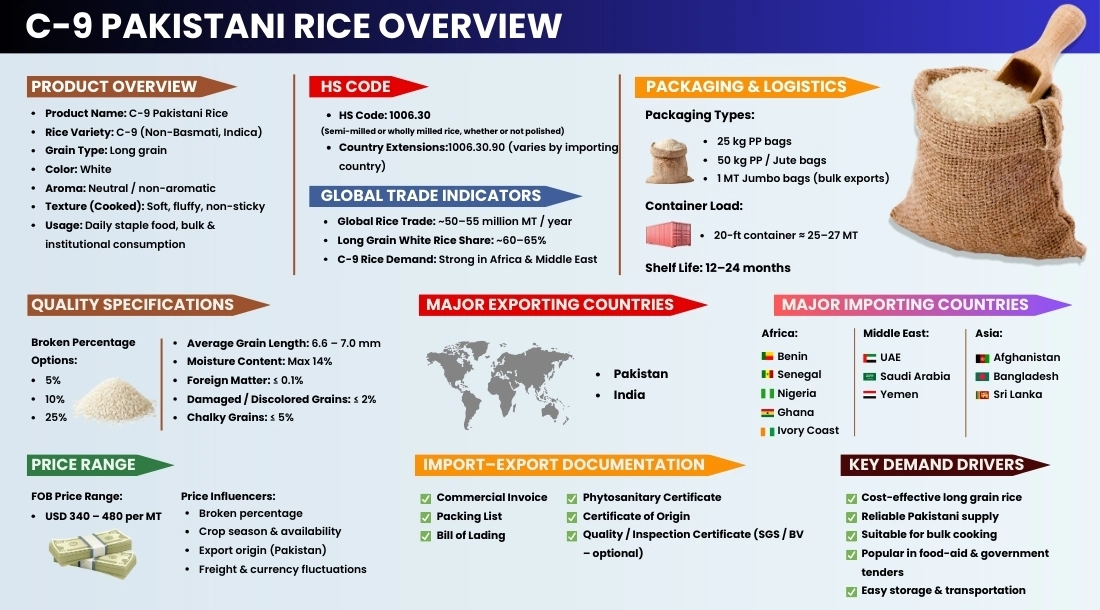
HS Code: 1006.30.90 C-9 rice falls under the standard "Other" category for non-basmati long grain rice.
Export Protocol: Usually declared as "Wholly Milled Rice, Non-Basmati (Long Grain)."
Clearance Correct classification is key. Mislabeling C-9 long grain rice as Basmati triggers price checks and unnecessary customs flags.
Why Buy C-9 Rice Through Tradologie?
Built for bulk trade, not listings: You don't scroll products. You post a real requirement and suppliers respond against it. That's how serious buying actually happens.
Direct access to verified exporters: You deal directly with C-9 rice exporters who are active in the trade. No broker layers, no mixed signals.
Live negotiation, real market pricing: Prices aren't static. You negotiate in real-time with suppliers looking to sell C-9 long grain rice based on broken %, volume, and shipment terms.
Specs stay front and centre: Grain type, breakage, moisture, packing, port — everything is aligned upfront, not fixed later.
Support without interference: Coordination is there when needed, but decisions stay between buyer and seller. Clean, professional, and transparent.
Tradologie works when volumes matter, and clarity matters more. If you're sourcing bulk shipments, it helps you connect with verified C-9 long grain rice sellers and exporters in Pakistan to close deals the way global trade actually works.
Logistics, Packaging & Incoterms
Packaging Options
Polypropylene (PP) bags (25kg/50kg) are best suited for wholesale and bulk catering.
BOPP bags (biaxially oriented polypropylene) are ideal for retail.
Jute bags: The "Premium/Eco-Friendly" option (less popular for non-basmati, but available).
Logistics
Rice is a game of weight, not volume. The 20ft container is the standard unit of trade, usually loaded with up to 26 Metric Tonnes of loose bags for cost efficiency. But buyers at the destination who need ultimate speed might opt for palletised cargo. Whatever the method of loading, proper moisture control via desiccants and lining is not negotiable to avoid "container rain" during the voyage.
Incoterms
The selection between FOB and CIF delineates the control in shipment. In FOB (Karachi), the logistics command goes into the hands of the buyer. In contrast, a model based on convenience, CIF allows the exporter to manage the entire journey and insurance up to the destination port.
Certifications & Compliance
Compulsory Safety Norms: A Phytosanitary Certificate ensures the shipment is pest-free and safe for entry into foreign borders.
Third-Party Inspection Agencies: Companies such as SGS and Bureau Veritas act as on-site representatives for the buyer. Their final report confirms that quality and weight match the contract before the container is sealed.
Fumigation: This is the use of Methyl Bromide or Aluminum Phosphide in the treatment of containers to get rid of pests and ensure cargo arrives clean.
Future Outlook & Opportunities
Increasing demand for Steam C-9: The steam variant is finding traction in new territories. Buyers looking for non-sticky, distinct grains for catering and retail are increasingly shifting volume towards this grade to diversify beyond standard parboiled options.
Water-efficient cultivation: Sustainability is becoming a trade requirement. C-9 requires less water than traditional Basmati, making it a safer long-term bet for buyers concerned with supply stability.
Fortification opportunities: The market is moving toward value-added nutrition. Fortified C-9 will be a relevant option for government food programmes and health-conscious private labels.
Transparency & Disclaimer
All prices, specifications, and trade data are indicative and subject to change based on the time of year, source, legal constraints, and transportation. Buyers and sellers should verify all data thoroughly before entering into a contract.
Sources: Mordor Intelligence, ResearchAndMarkets, FOB, REAP Export Data
Usually 26 MT, which corresponds to one fully loaded 20ft container. This optimises freight costs; smaller quantities are rarely viable for international trade.
Register as a buyer (it’s free) to buy C-9 long grain rice, post your specific requirement (e.g., Raw or Steam, 5% broken), and suppliers will bid live. You negotiate directly with verified exporters in real-time to finalise the price and terms.
The industry standard is 100% Irrevocable Letter of Credit (LC) at Sight for security. Some exporters may accept a partial advance with the balance against scanned documents (CAD), depending on the trust level established.
It cuts out the middleman. You connect directly with Pakistani millers and exporters who actually hold the stock. This ensures you get the "mill-gate" price without hidden broker margins, and you can audit the specs yourself.
Production and packing typically take 15–20 days from the date of payment confirmation. Total delivery time depends on the shipping line and destination port.
Yes. While standard C-9 is often traded at 5% broken, you can specify 0% to 2% broken for premium packs. You also define the packaging—whether it’s 50kg PP bags for wholesale or 5kg/10kg BOPP bags for retail brands.
We use cookies to enhance site functionality, improve user experience, analyze website performance, and deliver relevant content in accordance with our Cookie Policy.
We use cookies
Essential Cookies
Essential cookies are strictly necessary for Tradologie.com to operate properly. They enable core functionalities such as security, session management, network stability, and cookie consent preferences. These cookies do not collect personal data and cannot be disabled.
Name
Vendor / Service
Purpose
Expiry
Privacy Policy
ASP.NET_SessionId
Tradologie.com / ASP.NET
Maintains secure user session across pages.
Session
https://privacy.microsoft.com/
__RequestVerificationToken
Tradologie.com
CSRF protection for forms.
Session
https://www.tradologie.com/privacy-policy/
cookie_consent
Tradologie.com
Stores consent preferences so the banner does not reappear.
We use analytics cookies to gather anonymous, aggregated information about how visitors interact with Tradologie.com. This helps us improve the site, measure the success of content and services, and prioritize performance fixes.
Functional cookies allow the website to provide enhanced usability and personalization. They store preferences such as language, region, chat settings, and login details for a smoother browsing experience. Disabling these cookies may limit certain features.
Name
Vendor / Service
Purpose
Expiry
Privacy Policy
user_lang / lang
Tradologie.com
Remembers chosen language.
1 year
https://www.tradologie.com/privacy-policy/
timezone_pref
Tradologie.com
Stores timezone preference for display.
6 months
https://www.tradologie.com/privacy-policy/
remember_user
Tradologie.com
Keeps logged-in state when chosen.
30 days
https://www.tradologie.com/privacy-policy/
livechat_session
Tawk.to
Maintains chat session state.
Session
https://www.tawk.to/privacy-policy/
Marketing
Marketing cookies are used to deliver advertising that is relevant to you and to measure the effectiveness of our marketing campaigns across platforms such as Google, LinkedIn, Meta and Microsoft. These cookies are set only with your consent.