1509 Basmati Rice
Minimum Order Quantity : 26 MT
What is 1509 Basmati Rice?
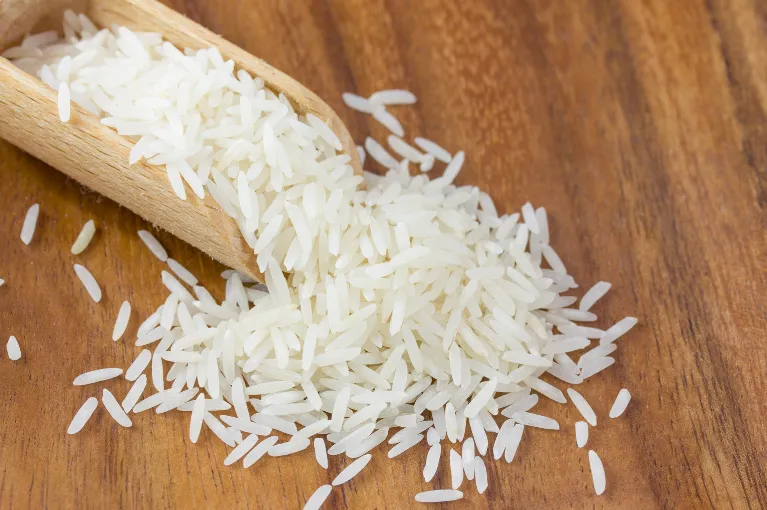
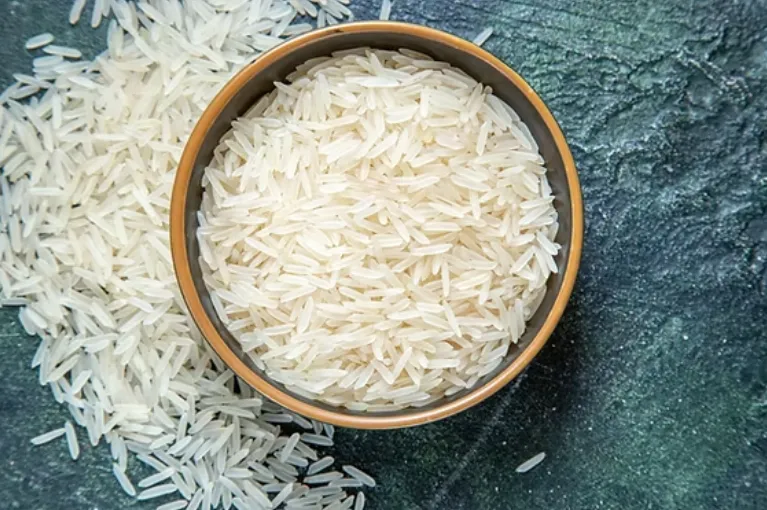
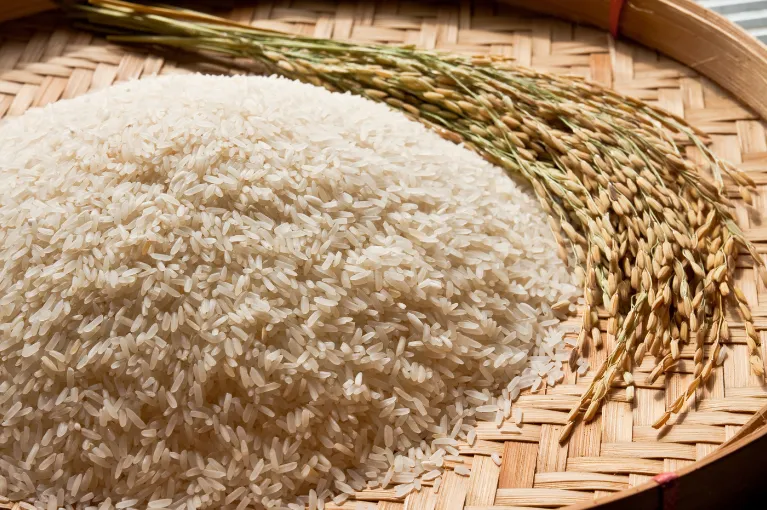
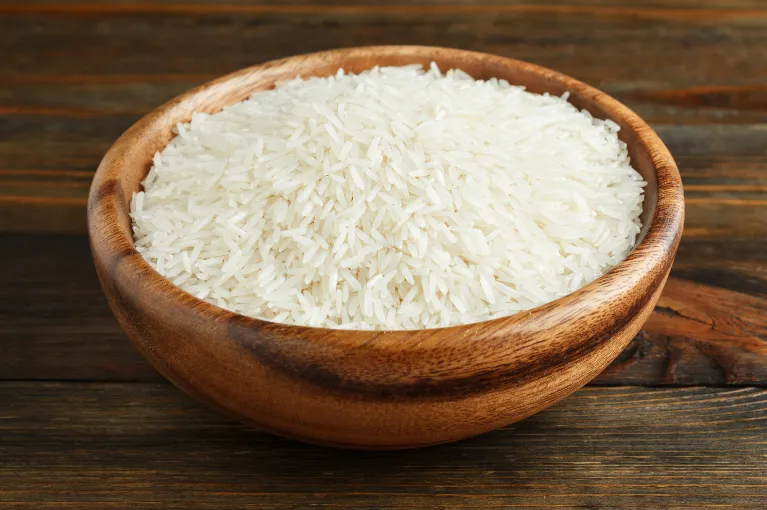
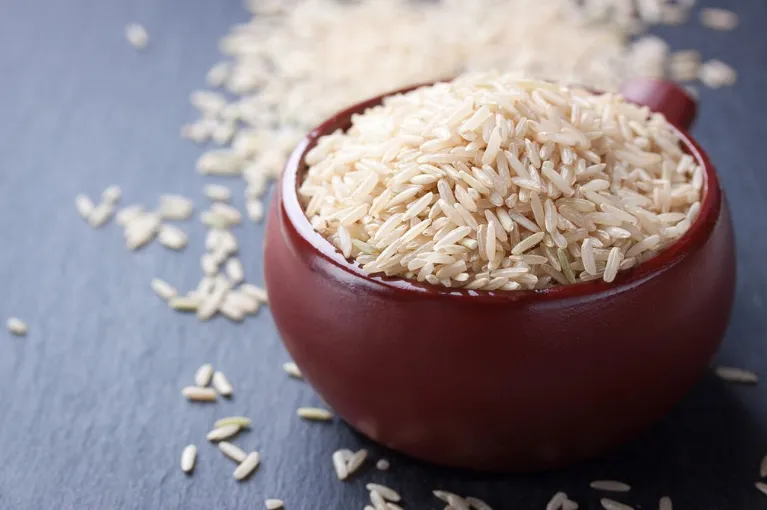
Pusa 1509 Basmati Rice is a breakthrough variety of premium Basmati rice, originally developed by the Indian Agricultural Research Institute (IARI). It is a 1509 rice variety grown extensively in the fertile plains of northern India (Punjab, Haryana, Uttar Pradesh) and parts of Pakistan, known for its ability to mature early. As one of the longest grain varieties in the world, it is often referred to as the "Length Champion" of Basmati.
Commercial Importance
1509 Basmati acts as a crucial "Volume Driver" in the global rice market. It offers the extraordinary length and visual wow-factor of the more expensive 1121 Basmati but at a more competitive price point due to its shorter cultivation cycle and higher yield. For traders monitoring the 1509 rice price today versus 1121 prices, this variety serves as the perfect strategic alternative.
It allows virtually every 1509 Basmati Rice exporter in India to target the "Premium Mass Market"—consumers who demand the Basmati label and extreme grain length but are price-sensitive regarding the absolute top-tier vintage varieties. Consequently, the 1509 rice rate often fluctuates based on these high-volume export demands.
Core Industries
Basmati Rice 1509 is the undisputed king of the Bulk Catering and HORECA sector. Its ability to elongate significantly upon cooking (up to 2.5x) means fewer grains fill the plate, providing high profitability for restaurants serving Biryani and Mandi.
In the domestic retail sector, where it is often colloquially searched for as 1509 Chawal, it is frequently packaged as "Extra Long Grain Basmati" for everyday premium use. For global traders aiming to buy 1509 basmati rice directly from origin, this variety offers an ideal balance of length, yield, and commercial scalability.

| Specification | Value |
|---|---|
| Grain Type | Extra Long Grain Basmati |
| Average Grain Length (AGL) | 8.30 mm - 8.50 mm |
| Purity | 95% Min |
| Admixture | 5% Max |
| Moisture | 12.5% Max |
| Broken | 1% - 2% (Export Grade) |
| Cooked Length | 20 mm - 24 mm |
| Aroma | Mild to Moderate |
| Damage/Discolour | 1% Max |
| Sortex | 100% Cleaned |
1509 Basmati Rice and 1121 are the two pillars of the modern Basmati export trade, but they serve slightly different market needs. While 1121 is the "Global Gold Standard" for texture and taste, the 1509 variety of rice captures the "Visual & Yield" segment.
Market Positioning: "The Challenger" vs. "The Incumbent"
The fundamental difference lies in the price-to-length ratio. Basmati Rice 1509 is positioned as the smart buyer's upgrade—offering nearly identical (sometimes longer) grain length to 1121 but often trading at a discount. For traders tracking the 1509 Basmati Rice price, this variety typically offers a strategic advantage of $50–$100 PMT lower than 1121. Conversely, 1121 Basmati remains the benchmark for flavour retention and grain resilience, commanding the highest premium in export tenders.
Grain Profile: The Length Advantage
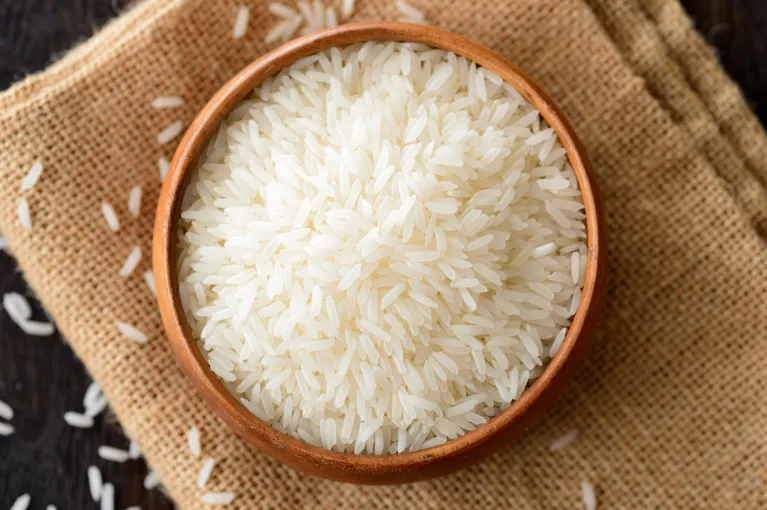
1509 Basmati Rice specification details are what drive the visual difference. The rice variety 1509 wins on raw length, often averaging 8.4mm, whereas 1121 averages 8.2mm. However, 1509 is slightly more delicate. For buyers where "plate coverage" and visual extravagance matter most (such as in large wedding catering), 1509 Basmati is often the victor.
Consumption Experience: Softness vs. Bite
1121 is renowned for its superior elongation and distinct "bite" that holds up well over long serving hours. 1509 Chawal (as it is colloquially known in domestic markets) cooks somewhat softer and fluffier. While it has massive elongation, it requires careful cooking to prevent breakage, making the 1509 Steam Rice and Sella variants highly preferred to maintain grain integrity.
Buyer Strategy: When to choose which?
It comes down to the end consumer. If 1509 Basmati Rice importers are supplying high-end luxury dining or heritage brands, they may still book 1121, but for buffet catering, mass-market retail private labels, or "XL Biryani" rice where volume is key, the competitive 1509 rice rate makes it the automatic, profit-maximising choice.
By Processing Form
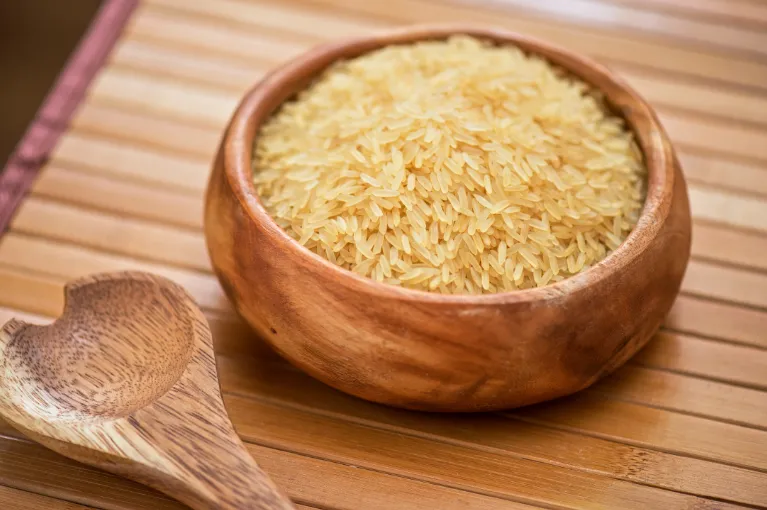
1509 Sella Rice (Parboiled) - Creamy vs. Golden:
By Quality Grade
Premium Export Grade (Sortex Cleaned, < 2% Broken): This is the highest tier, processed using advanced optical sorting (Sortex) to remove chalky grains (which can be common in 1509 Basmati). Every major 1509 Basmati Rice exporter in India focuses on this grade to ensure the product is visually flawless. With breakage capped below 2%—a key 1509 Basmati Rice specification—this grade is targeted at premium retail markets in the UAE, UK, and USA.
Standard Grade (Mixed/Blending): Often used in blends with shorter Basmati varieties (like Pusa 1121 blend) to lower costs while maintaining an "Extra Long" appearance on the package. This grade is attractive for domestic traders monitoring the 1509 Basmati rice rate today Delhi, as it balances visual appeal with an affordable 1509 rice price today.
1509 Basmati Rice is used where plate presentation and volume yield matter just as much as flavour. It fits into culinary systems that require a "wow factor" on the plate while maintaining commercial profitability.
1509 Basmati Rice is chosen specifically for how it looks and its ability to expand. It is an extra-long grain rice chosen because it works efficiently for businesses selling rice by the plate, balancing visual luxury with high yield.
Producing Regions
Major Import Markets
The Seasonal Advantage
1509 Basmati Rice is an early-maturing crop. It is harvested in September/October, almost a month before traditional Basmati and 1121. This allows businesses to export 1509 Basmati Rice as 'New Crop' stocks to international markets earlier, filling the supply gap when old stocks run low.
During this period, domestic traders closely monitor the 1509 basmati rice rate today Delhi as farmers bring their fresh 1509 chawal to the mandis. This early arrival often establishes the benchmark 1509 rice price and influences the global 1509 rice price today for the rest of the season.
Current Market Size
The global Basmati rice market is a multi-billion-dollar niche. While it represents a small percentage of total rice volume, it accounts for a disproportionately high share of value.
Key Demand Drivers
Volume Trends
The volume of trade to import 1509 Basmati Rice has seen a steady upward trajectory. Initially introduced as a farmer-friendly crop due to lower water usage and faster growth, it has now gained acceptance among millers and exporters who have learned how to process it to minimise breakage.
Price Dynamics
Indicative Bulk Price Range Current market indicators for the 2025-2026 Crop.
| Rice Form / Grade | Export Price (FOB Mundra) | Domestic Wholesale (Ex-Mill) |
|---|---|---|
| Steam (1121 substitute) | $900 - $995 / MT | ₹72 - ₹78 / kg |
| Golden Sella (Parboiled) | $805 - $900 / MT | ₹65 - ₹72 / kg |
| White / Creamy Sella | $745 - $825 / MT | ₹60 - ₹66 / kg |
| Raw / White | $920 - $980 / MT | ₹74 - ₹80 / kg |
Mandatory Disclaimer:
Prices listed above are indicative market averages for Standard Sortex Quality (Avg Length 8.35mm+) as of mid-January 2026. Actual final pricing will vary based on:
Packaging Options
Logistics
Basmati is sensitive to moisture and odours.

All prices, specifications, and trade data are indicative and subject to change based on season, origin, compliance requirements, and logistics. Buyers and sellers should verify details prior to contracting.
Sources: APEDA, FOB, FAO Rice Market Monitor.
Get in Touch
Usually around 26 MT, which is one fully filled container. Smaller quantities are uncommon in bulk trade.
Register on Tradologie as a buyer (it’s free), post your requirement, and negotiate directly with exporters based on live, real-time quotes. Once terms are aligned, the order is finalised.
Most trades are done on Letter of Credit at sight. In some cases, escrow-based payments with a partial advance are also used, depending on the deal and buyer–seller understanding.
The platform is free for buyers and allows direct negotiation with verified suppliers. You see real offers, no hidden margins, and full transparency through the process.
Typically around 1 month, but timelines depend on documentation preparedness, payment completion, vessel availability, and port conditions on both ends.
Yes. Buyers usually specify broken %, packing size, and destination port upfront. Suppliers quote based on those exact requirements.