Tradologie
  • broken rice

Broken Rice

Minimum Order Quantity : 26 MT

Available Bag Size

Available Bag Type

Facilitated by Tradologie.com

Offered By : 851 Verified Sellers

veg icon

This is a Vegetarian product.


Wholesale Broken Rice, Global Grain Trading, and Bulk Export Supply Chains

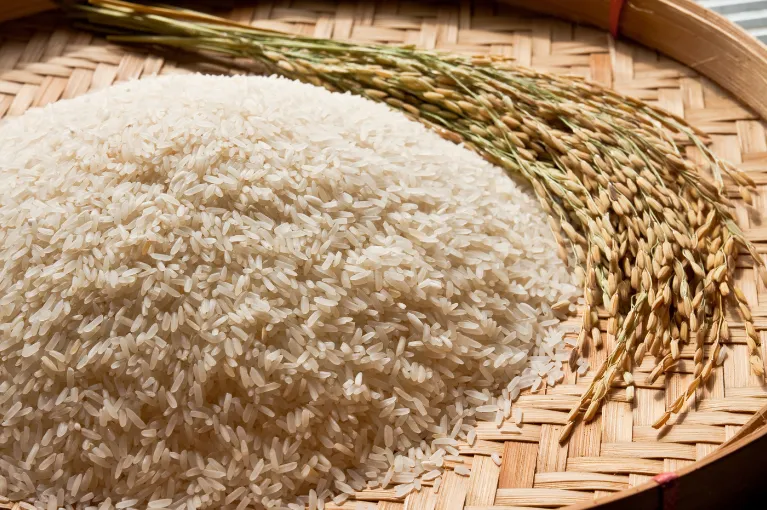
Rice grains didn't evolve to shatter under the pressure of a steel roller. In fact, the biological goal of the paddy seed was to remain intact to propagate the next generation of Oryza sativa. However, the mechanical violence of modern milling—stripping the husk and polishing the bran—inevitably fractures a percentage of the harvest. What was once considered a milling failure or "poor man's food" has transformed into a global economic asset. Today, this byproduct operates through wholesale broken rice markets, grain trading platform ecosystems, and global networks connecting rice millers, exporters, brewers, and industrial buyers.

In the world of B2B commerce, broken rice isn't just a cheaper dinner alternative; it is a high-volume, cost-efficient commodity defined by whiteness, amylose content, and specific grain-length fragmentation. It serves as the foundational carbohydrate chemistry for the global brewing, pet food, and rice noodle industries. From the silos of Bangkok to the breweries of Belgium, the trade of bulk broken rice is a logistical feat of moving starchy biomass while combating moisture, infestation, and oxidation.


What Is Broken Rice?

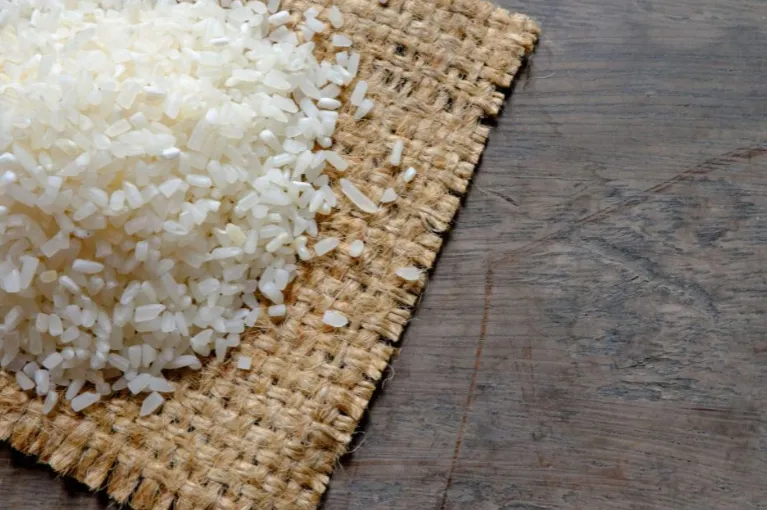
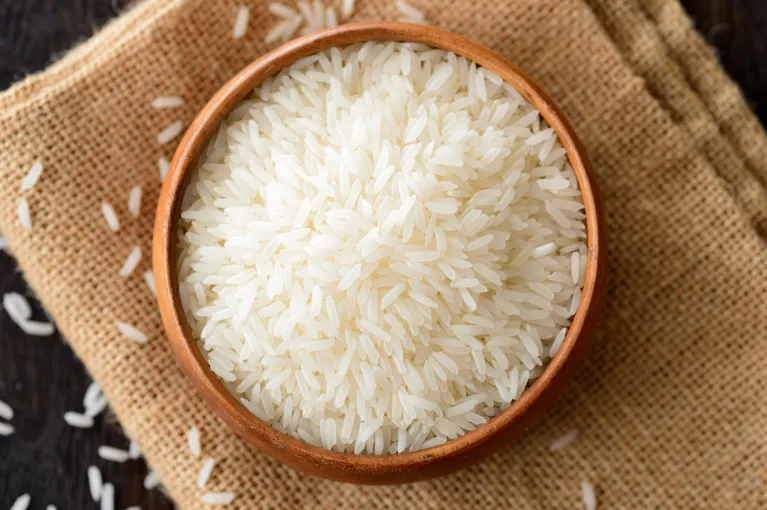
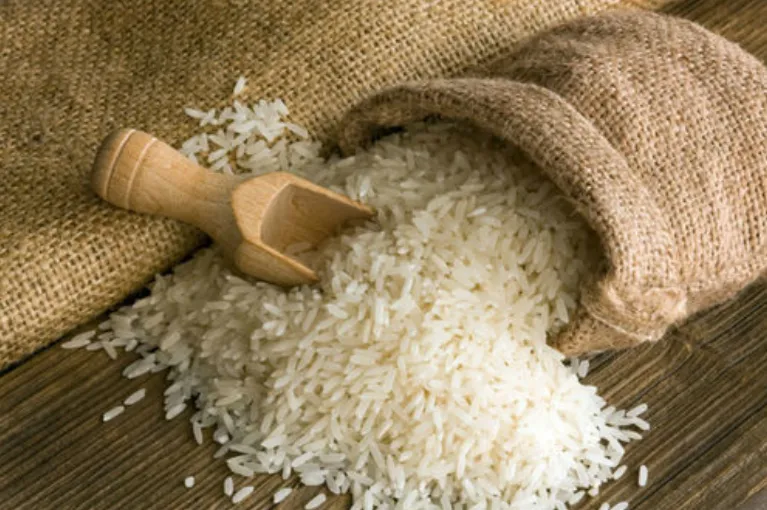
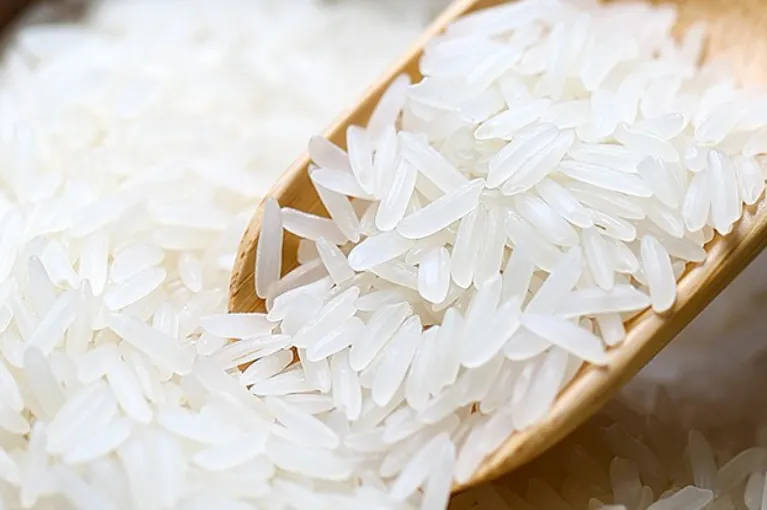
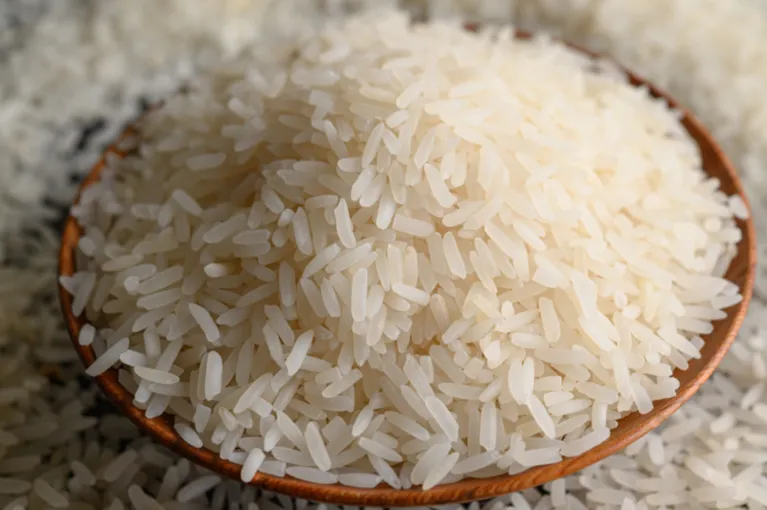
Broken rice consists of grains that have fractured during the milling process. The definitions can be nuanced depending on who you ask, covering everything from generic white fragments to premium broken grain basmati rice. If the grain is less than three-fourths of the length of the whole kernel, it is technically classified as 'broken.' This classification applies whether you are looking at standard white rice or asking what is broken basmati rice specifically is. While the nutritional profile remains identical to whole "head" rice, the physical structure alters its economic identity completely.

A food chemist can tell you that broken rice is simply starch—a complex carbohydrate matrix of amylose and amylopectin. A trader, however, will show you that specific fractures determine the market. They will look at the geometry of the break. The starch release rate in a brewing vat, the binding capability in dog food, or the texture in rice flour production will be looked at. These physical markers determine quality and price. It performs mainly as a cost-effective carrier for carbohydrate energy, which must be preserved from the mill to the final processing system.


Broken Rice: Meaning in Simple Terms

Broken rice is separated from the whole grain during the polishing phase. Unlike whole rice, which is prized for its visual uniformity on a dinner plate, broken rice is prized for its functional versatility. It is the fragmented portion of the harvest that, if kept dry and clean, offers the same caloric value as premium rice at a fraction of the cost, making the broken rice price highly attractive for industrial buyers.


Broken Rice vs. Head Rice (Broken Rice vs Normal Rice) & Rice Flour

The distinction here often causes confusion in labelling and tariffs.

  • Head Rice: These are the "whole" kernels (typically defined as 75% or more of the average length). They command the highest price and are primarily for direct human table consumption where visual presentation matters.
  • Broken Rice: These are the fragments separated during sorting. They possess the same flavor but a softer texture when cooked because the open fractures absorb water faster. They are available for purchase through commercial trading activities, often listed as broken rice for sale for industrial use or affordable consumption.
  • Rice Flour: This is a term used in further processing. Rice flour is produced by deliberately grinding broken rice into a powder. It is the end-state of the broken grain, used in gluten-free baking and thickening.

Benefits & Key Characteristics

Cost-efficiency is the main industrial advantage of broken rice, aside from its rapid cooking time. A beer manufacturer brewing a million hectoliters of lager needs a reliable source of fermentable sugars without the premium price tag of whole kernels. Because the starch content is identical to whole rice, broken rice enables this consistency at a lower input cost.

They also act as excellent binders and fillers. The exposed surface area of the broken grain allows for quicker gelatinization—historically used to make porridges (like Congee) thick and creamy, but now utilised to create texture in pet foods and processed meats. They offer neutral flavour profiles and hypoallergenic properties (gluten-free), making them essential for "clean label" formulations.


Industrial Application Landscape

The application of broken rice depends entirely on the end user's processing capability.

  • Human Consumption: Used where visual identity is secondary to cost (e.g., West African markets) or where texture is key (e.g., rice pudding, congee).
  • Brewing (Adjuncts): The most common industrial use. Brewers use "brewer's rice" to lighten the body of beer and provide a neutral source of sugar for yeast fermentation.
  • Processing (Flour & Noodles): This is the value-added side of the trade. By grinding broken rice, processors create rice flour for noodles, vermicelli, and gluten-free breads. The fractured nature of the grain makes it easier to grind than whole kernels.

Types of Broken Rice / Grades / Varieties

The Specificity of the Deal

Professionals looking to buy broken rice in bulk don't trade in generic terms like 'white rice' or 'fragments' because vague terminology is costly. Each agreement is characterised by such specific details as percentage broken, crop year, and sortex quality. This is why wholesale broken rice contracts never trade generic fragments without defined grade parameters. For instance, Thai A1 Super is a benchmark high-grade broken rice, which refers to clean, sorted fragments... professionals often differentiate between big broken rice (closer to whole grains) and small broken rice (fragments). You will find specifications ranging from 5% broken rice (mostly whole) to 100% broken rice, which creates a distinct 100% broken rice price tier in the market."New Addition (Add to end of paragraph)"In India, these fragments are often locally referred to as tota chawal. Additionally, raw broken rice is preferred for specific fermentation processes over parboiled varieties.

Human Grade vs. Feed Grade

"Sortex" quality, where optical sorters remove discoloured grains, is clean, white, and fit for human plates or premium beer. Feed grade broken rice may contain higher percentages of foreign matter, paddy seeds, or discoloured grains. Buyers opt for Sortex/Double Polished when creating food products, and for Standard/Feed grade when producing livestock feed.

Physical Grading: Size and Homogeneity

Initially, value is assessed through attributes that can be seen and measured. The size of the "brokens" matters—large brokens (often called "Second Heads") are closer to whole rice and cost more. Small brokens (points) are cheaper. Premium grades command higher Wholesale Broken Rice Prices in global markets, and specific varieties like broken basmati rice carry a significant premium. When it comes to rice flour production, the market sets a premium on homogenous clean white brokens, as dark grains would spoil the visual purity of the final white noodle.

Chemical Grading: The Starch Profile

Industrial buyers frequently buy chemical performance instead of appearance. Rice noodle manufacturers depend on amylose percentage; high amylose varieties (like those from IR64 rice) give noodles their springy texture, while low amylose creates a sticky mush. Likewise, brewers look for extract potential. High-amylose broken rice is a core SKU for rice exporters and industrial importers.

Origin Grading: Geography Defines Quality

The quality of broken rice is very much influenced by the parent crop's region. The Thai Hom Mali broken rice is well known for its pandan-like aroma, even in broken form. Vietnam 504 broken rice, due to its drier texture and high yield, has been singled out as indispensable in the manufacture of rice flour and ethanol. Origin-linked B2B rice sourcing is increasingly demanded by the top 10 Rice Importer companies seeking a consistent starch profile.


Agronomy & Processing Cycle

Broken rice is born in the milling facilities of the Rice Bowl, regions in Asia where monsoon patterns make it possible to grow paddy at massive scales. What once began as local village milling has now evolved into modern rice processing complexes, where global markets regularly import broken rice from India, Thailand, and Vietnam.

The procedure involves extensive mechanical input. The first step is harvesting, followed by drying. If paddy is dried too quickly or unevenly (sun-cracking), the stress fractures the internal grain structure. The next stage is milling, where the husk is removed and the bran is polished off. This is where the breakage happens.

After milling, the mixture moves to the "grading" or sieving stage, where whole grains are separated from brokens. Length graders and optical colour sorters (Sortex) are used in contemporary facilities to separate the broken grains by size and colour, ensuring the final bulk shipment complies with stringent import regulations regarding purity.


Export Overview

The movement of goods from the Global South (Asia) to the Global North and Africa dominates the wholesale broken rice trade. India, Thailand, Vietnam, and Pakistan are the primary nations positioned to export bulk broken rice because they possess massive milling infrastructure and export surpluses. Consequently, finding a reliable broken rice supplier or broken rice distributor in these regions is the first step for international procurement.

Compliance is a problem when exporting. Fumigation standards (to kill weevils) and moisture limits are subject to strict regulations in the EU and Africa. An exporter offers a phytosanitary certificate attesting to the product's freedom from live pests. Senegal constitutes a major market for broken rice for human consumption, while Europe drives demand for brewing. For example, trade routes for broken basmati rice in Germany are highly active due to specific ethnic food and brewing demands. Investors closely monitor the broken rice rate today and the broken rice price in India to hedge against volatility.


Market Dynamics: Asia & The Global Supply Chain

The Dominant Supplier Situation

India and Thailand control the baseline volume of global trade. However, the critical metric for a broken rice buyer isn't just total harvest—it's government policy. Since rice is a political crop, export bans (like India's ban on broken rice exports to secure domestic fodder security) have a significant impact on global pricing. Businesses are competing not only with other exporters but also with domestic political agendas.

From Waste to Wealth

The market is transitioning from treating broken rice as waste to a strategic commodity. Value-added products like rice protein concentrate, rice syrup, and fortified rice kernels (FRK) are replacing raw bulk grains, affecting the standard broken rice price per kg. Industrial buyers are trading improved nutritional profiles and functional properties over the variability of raw bulk grains.

The Traceability Premium

"Mill-specific sourcing" is becoming a technical requirement. The trade is dividing because of the more stringent regulations on aflatoxins and heavy metals (like Arsenic) from the EU.


buyer registration


Final Summary

Broken rice's journey from a paddy field to a global production line shows complexity in logistics at its best. Being starchy biological entities, broken grains are prone to oxidation, weevil infestation, and moisture absorption. A "trade compliant ingredient" is one that has made the journey and kept its carbohydrate integrity while also meeting strict international safety standards in terms of fumigation residues, aflatoxin levels, and purity. For the B2B buyer, the "product" is not only the grain; it is also the transparent data trail and the logistical precision that guarantees the ingredient arriving at the port is what was originally promised at the mill gate.

Get in Touch

Frequently Asked Questions

Broken rice is the generic term for fragmented grains. Brewers rice often refers specifically to the smallest fragments (less than 1/4 of the grain) used as an ingredient for beer brewing, though the terms are often used interchangeably in trade.

You need a Commercial Invoice, Bill of Lading, Phytosanitary Certificate, Fumigation Certificate, and a Certificate of Origin to satisfy both customs and food safety regulations.

Buyers verify quality through third-party pre-shipment inspections (like SGS or Bureau Veritas) and lab testing for percentage of whole kernels, foreign matter, moisture content, and Kett whiteness.

India, Thailand, Vietnam, and Pakistan are the dominant global exporters, supplying different grades ranging from premium aromatic brokens to industrial feed grades.

It refers to rice that has been processed through a Sortex machine (optical sorter). It detects and ejects grains that are discoloured (black, yellow, or chalky) or foreign matter. Sortex quality is generally the benchmark for companies looking to import broken rice for human consumption or premium flour manufacturing.

FOB (Free on Board) and CIF (Cost, Insurance, and Freight) are the standard Incoterms.

Need more help?

Frequently Asked Questions

 No. Buyers can raise inquiries, negotiate, and finalize deals free of cost. Payments are made only to the supplier once the deal is confirmed.

All suppliers are verified, and buyers may opt for third-party inspection before shipment to ensure quality.

 Yes. Our live negotiation portal allows you to interact directly with multiple verified suppliers in real time.

 The MOQ depends on the commodity. We only facilitate bulk transactions, generally starting from one full container, though for certain commodities smaller volumes may be considered. Kindly get in touch with our business team for the same.

 Our platform matches you with relevant suppliers instantly, and most inquiries are responded to within 24 working hours.

 Our sales team will guide you on how Tradologie.com helps you expand your global buyer base for agro-commodities by connecting you directly with verified bulk buyers worldwide.

Tradologie.com is different from traditional B2B portals because it’s a transaction oriented and operates on a buyer-driven, trade facilitation model, rather than just a product listing marketplace.

Yes, you can request a complete demo of the platform. It is free of cost and tailored to your business needs.

 With your subscription, you receive a complete business development solution, including:

  • Access to ready-to-purchase global buyers
  • A dedicated trade manager who shares actionable requirements
  • Access to the live negotiation portal for direct buyer interaction
  • Secure escrow payment mechanism with assured payments
  • Support for letters of credit via established banking channels

 Subscription fees and charges vary. Our sales team will guide you with the most suitable option for your business.

Need more help?