The Middle East is the world's most rewarding market for grain. You need to understand what buyers here truly want. This guide helps you navigate the regional rice trading landscape. You can use these clear facts to improve your export plan. Then, you can connect with trusted rice importers to win steady, large-scale contracts.
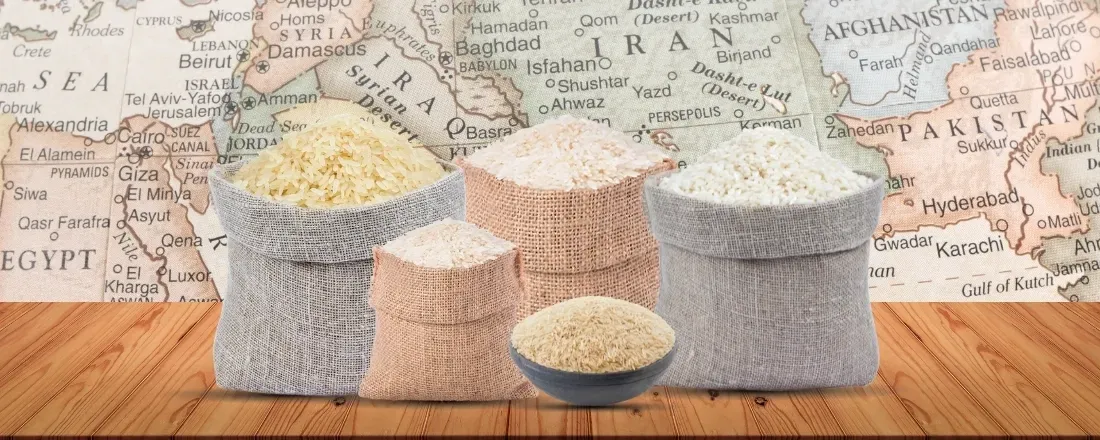
The Middle East is a central hub for the global rice trade. The region has a very dry climate. This means local farms cannot grow enough food. Because of this, the area depends heavily on imports to feed its growing population. The Middle East is one of the world’s most important rice import regions, with high per-capita consumption in Gulf countries and significant re-export activity. Saudi Arabia and the UAE are key destinations, especially for premium Basmati, while countries like Iraq often lead in total volume imports. People eat rice with almost every meal. It is a deep cultural habit. Gulf states also have high incomes. Buyers there always want the best quality grains. The Middle East is not just the final stop for these shipments. It is also a major transit point. Goods pass through here to reach other parts of the world. It is a high-value, must-consider market for large farming exporters who need reliable buyers.
Get Verified International Buyers (Not Just Leads)

Look at different rice importer countries around the world. The Middle East stands out because it wants premium quality. While total volume records are often held in Asia, the Middle East commands the highest price premiums. This is very different from what the top 10 rice exporters see in Africa. Africa rice importers mostly want high-volume, cheap rice to feed many people. North America is different again. Canada rice importers focus on strict organic rules. They also buy small amounts of many different types of rice for a diverse mix of shoppers.
Saudi Arabia loves high-quality, fragrant rice. Saudi rice importers mostly buy premium, aged grains. This makes the country a great market for any basmati rice importer. Buyers care about the length and smell of the grain. They also care about how much the rice expands when cooked. Price is less important here. Exporters must check their quality carefully. They must also follow the strict rules of the Saudi Food and Drug Authority (SFDA).
The United Arab Emirates has two main roles. First, it has a strong local buyer base for domestic consumption. Second, it is a giant hub for re-exporting goods. Rice importers in UAE use Dubai's modern ports to move grains across the whole Middle East and North Africa. The UAE might not lead in total domestic consumption alone, but the sheer volume passing through makes it a key trade center. Suppliers who work with UAE companies get a huge advantage. They can ship very large amounts at once.
Look beyond the main Gulf countries. Markets like Turkey, for example, show strong demand for medium and short-grain rice, which differs from the long-grain Basmati preferred in Arab states. Turkey rice importers buy these grains in high volumes. These nearby markets often act as a second step. They move the rice into Eastern Europe and the Levant. You must understand these local differences. It helps you sell to a wider range of buyers.
Finding the right company to work with is your most important task. The top names on the rice buyers list handle massive amounts of grain. Here are the main players on the rice importer list:
Note for Exporters: Exporters who want to sell to these top brands can use digital B2B platforms. These platforms provide a space to join bulk orders and verify buyer details.
Get Verified International Buyers (Not Just Leads)
Premium long-grain rice fills the store shelves. But factories and special diets create other ways to make money.

Selling crops across borders brings big risks. Exporters often deal with fake buyers. This wastes time and can lead to fraud. Getting paid across borders is also hard. Letters of Credit (LC) are complex. You must follow strict bank rules to avoid delays in getting your money. Shipping is another big problem. Shipping costs go up and down. Ports get crowded. This can ruin your delivery timeline.
Note for Exporters: You can lower these risks by utilizing modern trade platforms. These tools help standardise paperwork, verify buyers, and keep financial workflows secure.
Iraq leads in total volume, while Saudi Arabia leads in premium imports and the UAE in re-export volumes.
Use registered B2B trade platforms, embassy portals, and local Chambers of Commerce.
Long-grain Basmati is top for retail, while standard types are popular for industrial use and re-exporting.
Request their official trade license and use secure B2B platforms that thoroughly vet companies.
Yes, major exporters from India, Pakistan, Thailand, and Vietnam focus heavily on this valuable market.