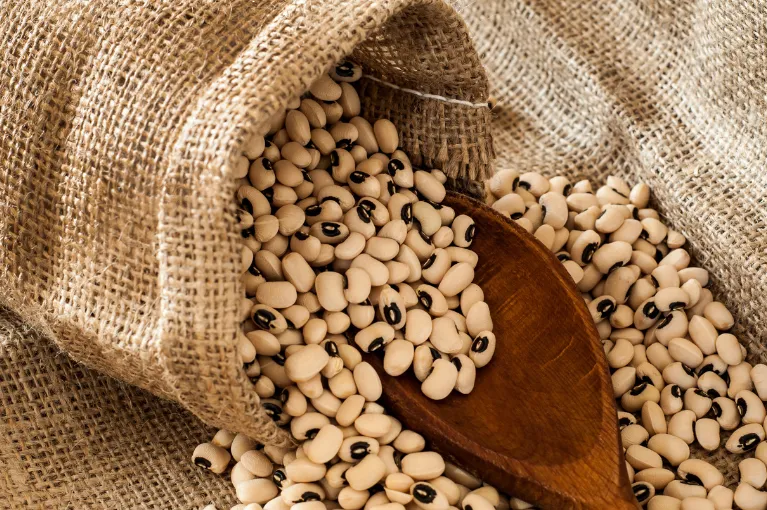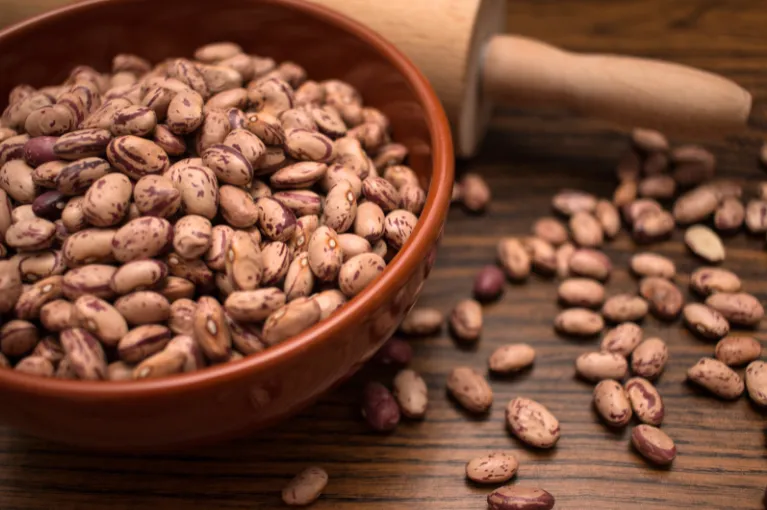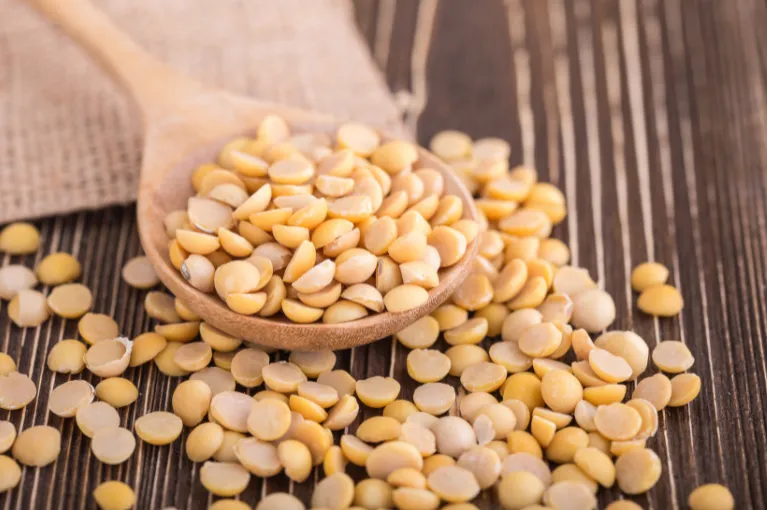
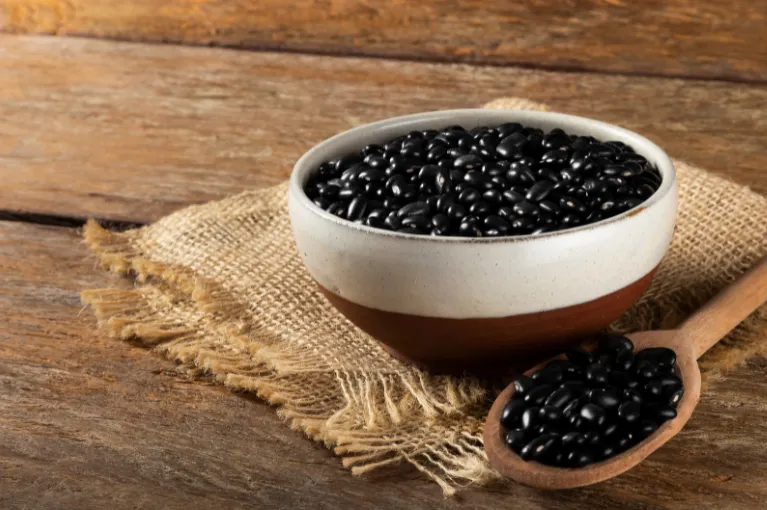
Black Matpe Beans (Black Urad)
Minimum Order Quantity : 26 MT
Offered By : 225 Verified Sellers
Facilitated by Tradologie.com

This is a Vegetarian product.
Black Matpe (Urad Dal) is widely consumed in South Asia and increasingly traded across global Indian diaspora markets. India remains the largest producer and importer, while Myanmar plays a significant export role. Trade volumes depend heavily on crop yields, government policies, and regional demand in food processing industries.

When it comes to buying or selling bulk Black Matpe online, Tradologie's B2B trading platform is the only option that leads the arena.
For Tradologie directly connects buyers and sellers, eliminating all the known flaws of traditional procurement practices that involves Middle-man, unwarranted third parties, and thereby unacceptable surge in cost and time.
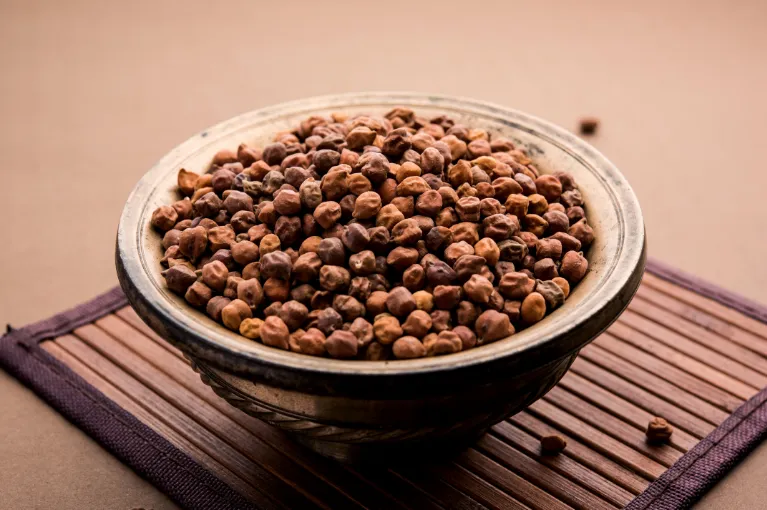
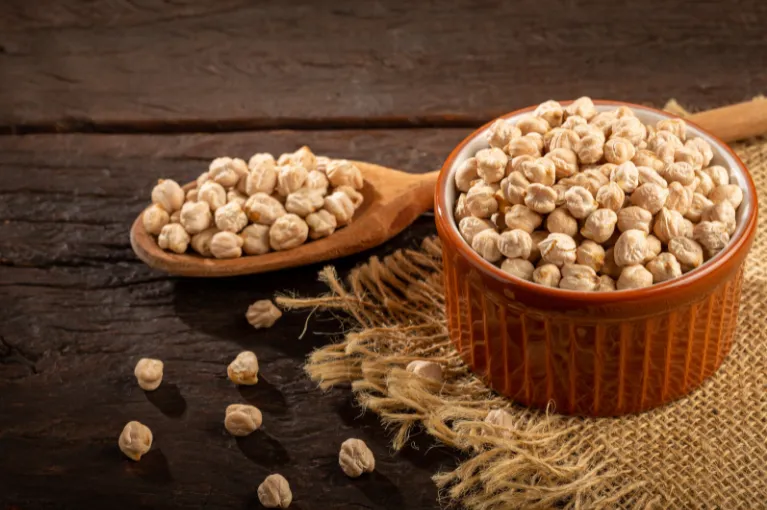
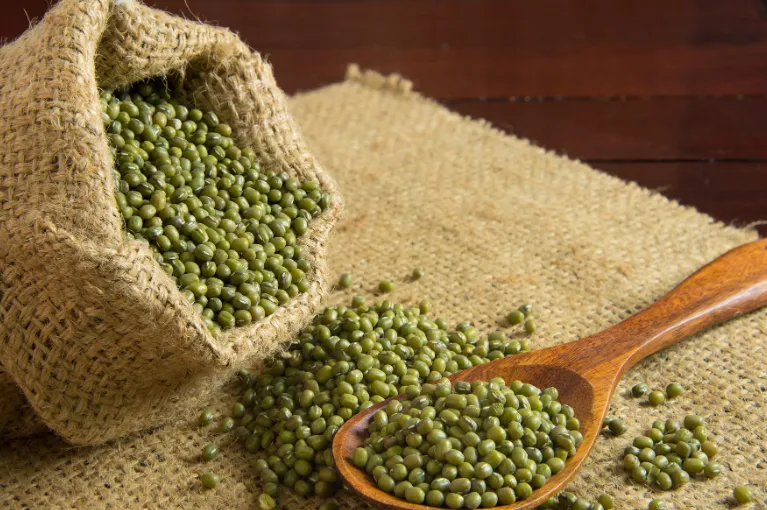
Being a highly transparent online trading platform, Tradologie ensures that the payment made by the buyers directly goes to the sellers account. By ensuring this, Tradologie guarantees a straight drop in prices (up to 20%) for Pulses and beans e.g. Black Matpe, Mung bean, Red Kidney beans, Speckled Kidney beans, Chickpeas, etc., which is the only driving idea behind Tradologie. We facilitate trade, time and cost-effectively!

Fully Transparent Process:
Dedicated Customer Care Support:
Timely Dispatch of Goods:
Buy Black Matpe with Tradologie and reap the opportunity to save up to 20% on your procurement. Why go anywhere else?
Get in Touch
Most bulk deals begin with a simple requirement: rice type, grade, quantity, and destination. Once that's established, traders negotiate price and shipment terms directly with exporters or millers before proceeding with container-level orders.
Practically put, it's typically one full container. Most exporters prefer containerised shipments because of cost and logistical efficiency, even though smaller quantities are possible.
Indeed, that frequently occurs. As long as packaging and documentation are in line, traders frequently combine basmati and non-basmati rice based on market demand.
The price is not fixed. Rates are influenced by a number of factors, including variety, quality requirements, origin, goods, and timing. Instead of locking in prices weeks in advance, most traders finalise them closer to shipment.
The largest volume market is Africa, particularly for rice that isn't basmati. While demand for basmati rice fluctuates depending on harvest conditions in Southeast Asia, it remains strong in the Middle East and Europe.
Both exist. Some traders work spot-to-spot, while others prefer repeat supply arrangements once quality and reliability are proven.
Rice trading is the international exchange of rice involving sourcing from producing regions and supplying bulk volumes to markets worldwide based on specifications, logistics, and compliance.
Tradologie offers a fully digital procurement journey for verified buyers. Once registered and approved through our KYC process, you can raise bulk rice inquiries by selecting rice type, its specifications, and total volume. Verified exporters will respond to your inquiry with their competitive quotes, and negotiations between a buyer and seller happen online on our SaaS based platform.
From premium Basmati rice variants like Pusa and Sugandha to Non-Basmati types like Parboiled, Jasmine, and Vietnamese rice, Tradologie supports a wide range of rice categories for global trade. You can also filter options based on grain length, moisture, whiteness, and other parameters.
Any rice exporter with valid documents such as IEC code, APEDA license, FSSAI certificate, GST, PAN, and a current bank account can register. Post-verification and subscription, exporters gain access to genuine global buyer inquiries for bulk orders.
Importers benefit from competitive pricing, multiple supplier options, and customisable quality specifications. Our SaaS based digital process ensures faster negotiation cycles, end-to-end transparency, and it protects against fraudulent trade practices.
Yes. Tradologie lists premium rice brands like Daawat, Lal Qila, Kohinoor, Shree Lal Mahal, and more, available for bulk purchase through verified exporters. These are often sourced directly from reputed mills and manufacturers.
Major importers include African nations (non-basmati rice), and Gulf & European countries (basmati rice). Tradologie serves buyers across all these regions by offering access to verified Indian rice exporters and facilitating direct trade based on region-specific preferences.
India, Thailand, Vietnam, Pakistan, and the U.S. dominate global rice exports. Tradologie features both Indian and global exporters, offering a transparent platform to trade with verified international buyers.
Most bulk deals start with a simple requirement — rice type, grade, quantity, and destination. Once that’s clear, traders negotiate price and shipment terms directly with exporters or millers and move ahead with container-level orders.
In practical terms, it’s usually one full container. Smaller quantities are possible, but most exporters prefer containerised shipments for pricing and logistics efficiency.
Yes, that happens often. Traders regularly mix basmati and non-basmati rice depending on market demand, as long as packaging and documentation are aligned.
There’s no fixed price. Rates depend on variety, quality specs, origin, freight, and timing. Most traders finalise prices closer to shipment rather than locking them weeks in advance.
Africa remains the biggest volume market, especially for non-basmati rice. Basmati demand stays strong in the Middle East and Europe, while Southeast Asia moves in and out depending on harvest conditions.
Both exist. Some traders work spot-to-spot, while others prefer repeat supply arrangements once quality and reliability are proven.