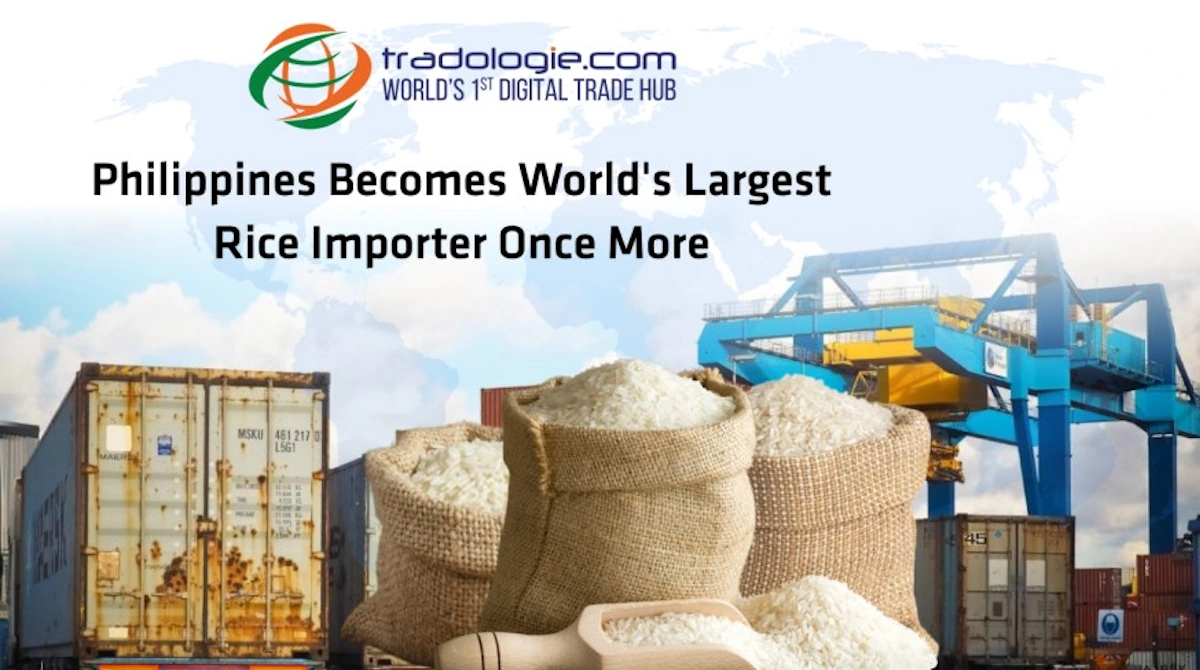
The Philippines has once again emerged as the world's largest rice importer, with projections by the United States Department of Agriculture (USDA) indicating an import volume of 4.1 million metric tons (MMT) this year. This surpasses the previous year's import of 3.9 MMT and presents significant opportunities for global Rice Exporters.
This article explores the reasons behind the Philippines' increasing rice imports and the implications for the global market.
Is There a Rice Shortage?
Despite the ongoing El Niño phenomenon, the Department of Agriculture (DA) in the Philippines asserts that rice production remains strong. However, local rice traders are purchasing unmilled rice, or palay, at prices up to P30 per kilogram, significantly higher than the rates set by the National Food Authority (NFA). This discrepancy points to a lag in the NFA's response to market conditions, missing opportunities to stabilise prices earlier in the harvest season.
Understanding the Discrepancy in Rice Demand
The USDA's projection of 4.1 MMT imports is based on a per capita consumption rate of 151.3 kg, which many argue is inflated. A more realistic consumption rate of 119 kg per capita would result in a national rice demand of approximately 13.09 MMT, not the inflated 16.643 MMT. This discrepancy suggests that the actual need for rice imports might be lower than projected.
Current Rice Yield and Deficit
According to the DA, even with the impacts of El Niño, the rice yields remain relatively stable, totaling about 19.6 MMT of unmilled rice, which converts to roughly 12.543 MMT of milled rice. After accounting for seeds, feeds, and other uses, the actual deficit should be around 2.51 MMT, contrary to the alarming figures suggested by the inflated consumption rates.
The primary purpose of rice importation is to ensure an adequate supply, preventing scenarios where consumers face long lines and high prices. However, over-importation could discourage local farmers from planting more rice and striving for higher yields, potentially harming the local agricultural economy.
The Role of the National Food Authority
The NFA plays a crucial role in stabilising rice prices and supply. Current legislation in Congress aims to repeal the Rice Tariffication Law, which effectively diminished the NFA’s role in price stabilisation. Restoring the NFA’s ability to maintain a 60-day buffer stock and allowing it to import directly could ensure that the nation’s staple food is not solely managed by private traders whose primary goal is profit.
Implications in the Global Market
Increased Import Demand
The Philippines' substantial rice importation can slightly impact the global rice market by increasing demand. This heightened demand could drive up international rice prices, affecting both consumers and producers worldwide. Not to mention, this increase in demand is a golden opportunity for traders who export rice in bulk.
Market Influence
As the largest importer, the Philippines' purchasing decisions can influence global market trends. Their need for a steady rice supply may prompt rice-exporting countries to prioritise trade agreements, ensuring a stable export flow to the Philippines.
Supply Chain Adjustments
Exporting countries might need to adjust their supply chains to meet the large and consistent demand from the Philippines. This adjustment could impact their trade relationships with other importing nations, requiring a careful balance to maintain stable exports.
Opportunities for Rice Exporters
Export Opportunities
Rice exporters, especially in countries like Vietnam, Thailand, and India, stand to benefit from the increased demand. This demand could boost their export volumes and revenues, providing a significant economic advantage.
Export Prices
The higher demand from the Philippines could lead to increased export prices. Exporting countries might leverage this demand to negotiate better prices, benefiting their agricultural sectors and contributing to their economic growth.
Diversification of Export Markets
While focusing on the Philippines, exporting countries might also seek to diversify their markets to avoid over-dependence on a single large importer. This strategy could help maintain a balanced and stable export portfolio, reducing risks associated with market fluctuations.
In conclusion, the Philippines' position as the world's largest rice importer presents both challenges and opportunities. While it highlights concerns about domestic agricultural policies and production capabilities, it also opens up significant opportunities for global rice exporters to expand their markets and increase revenues. Balancing these factors will be crucial for both the Philippines and the global rice market.
If you want to export or Import Rice in Bulk , Tradologie.com is the best B2B platform. It facialites the bulk transactions without any middlemen through its state-of-the-art SaaS platform.
Visit www.tradologie.com to explore B2B export opportunities and stay updated with the latest trends in the industry.
To register as a buyer, click here. To register as a seller, click here.