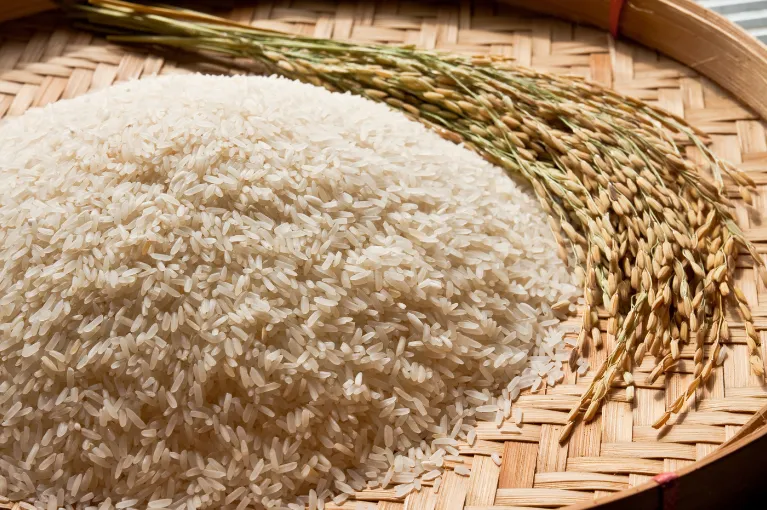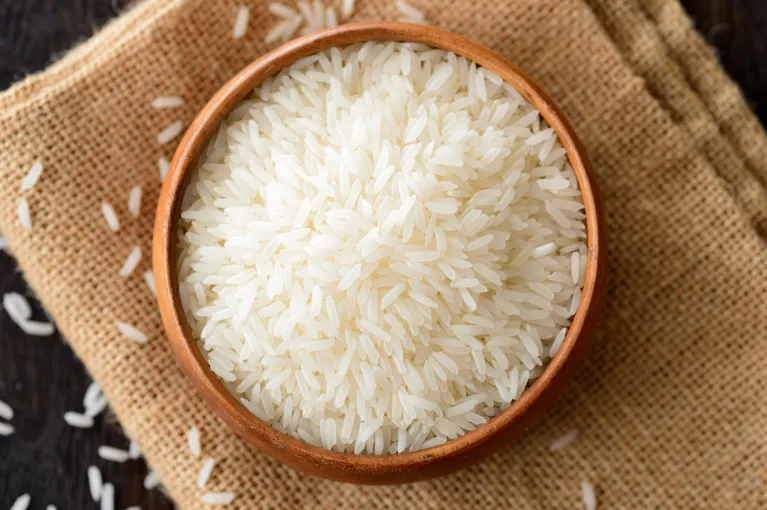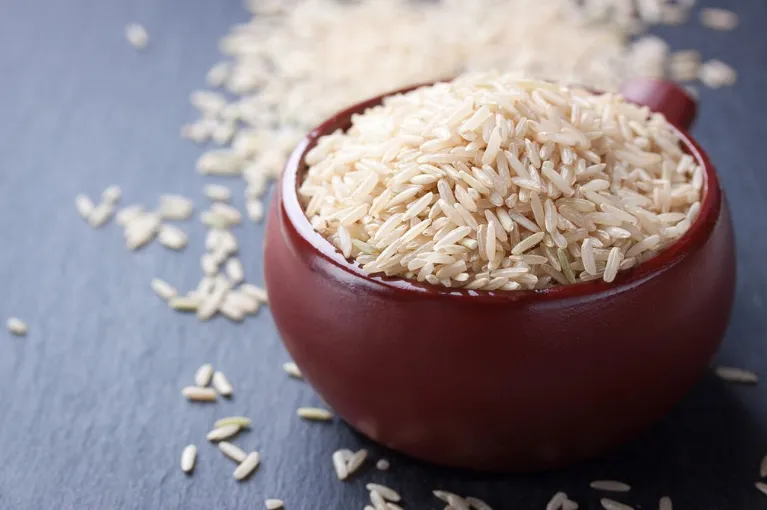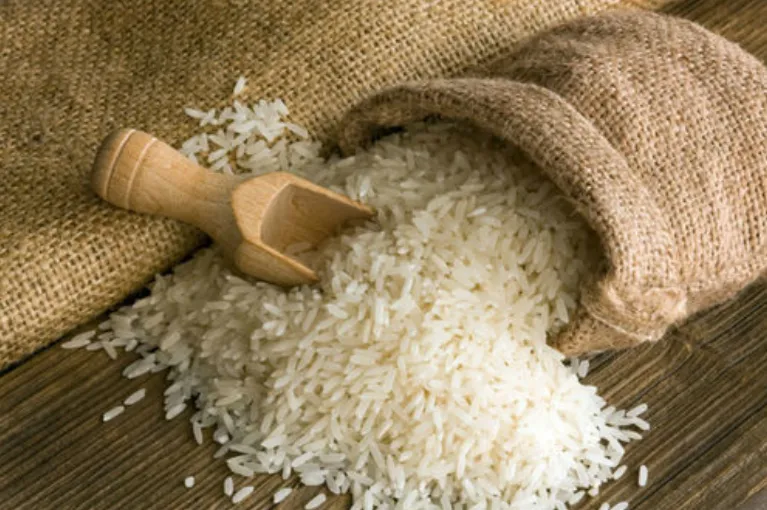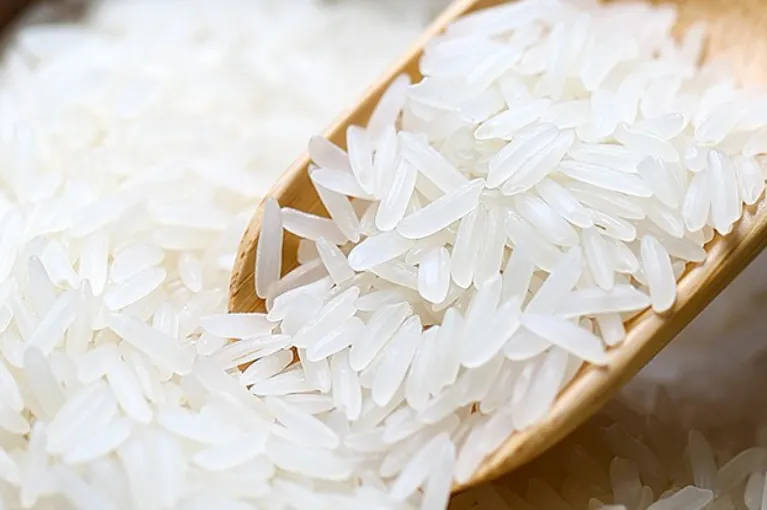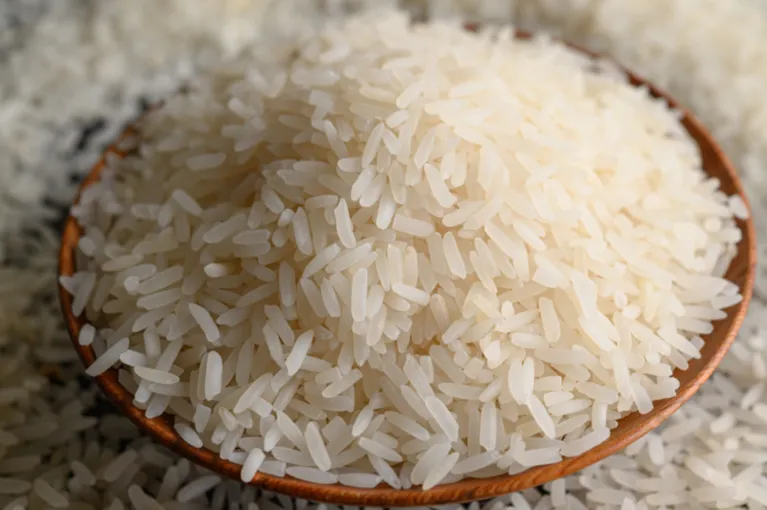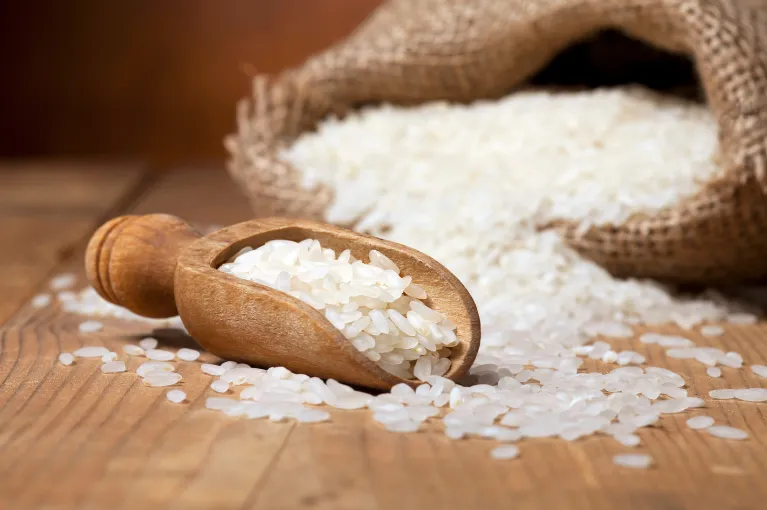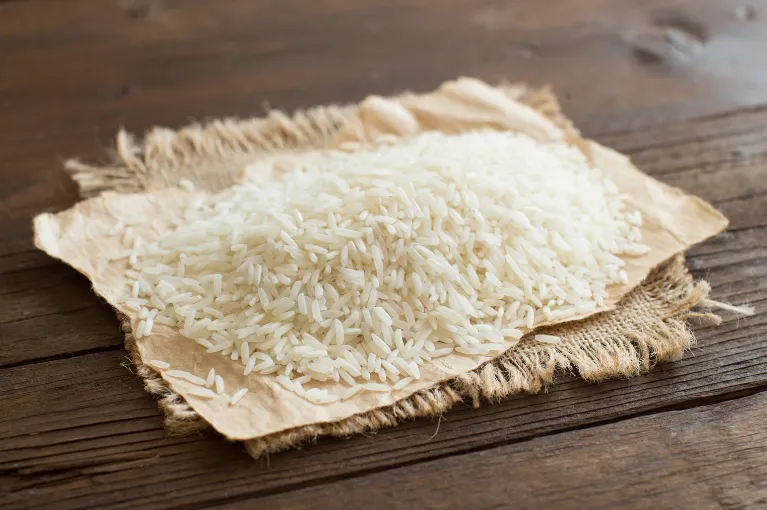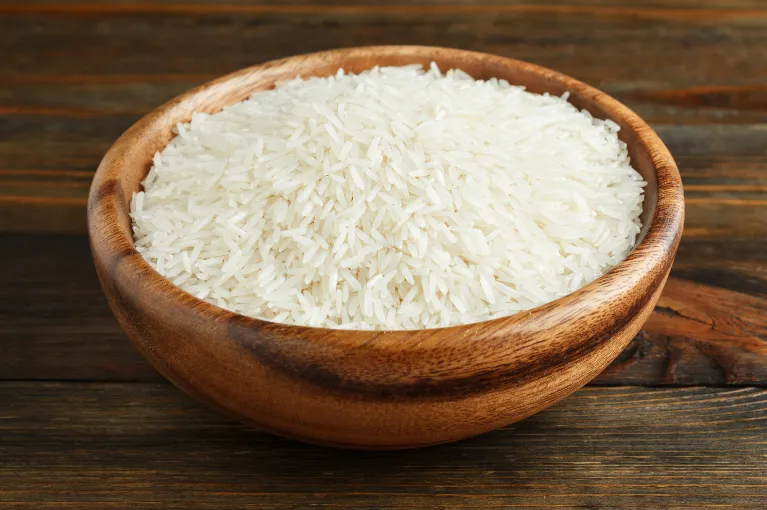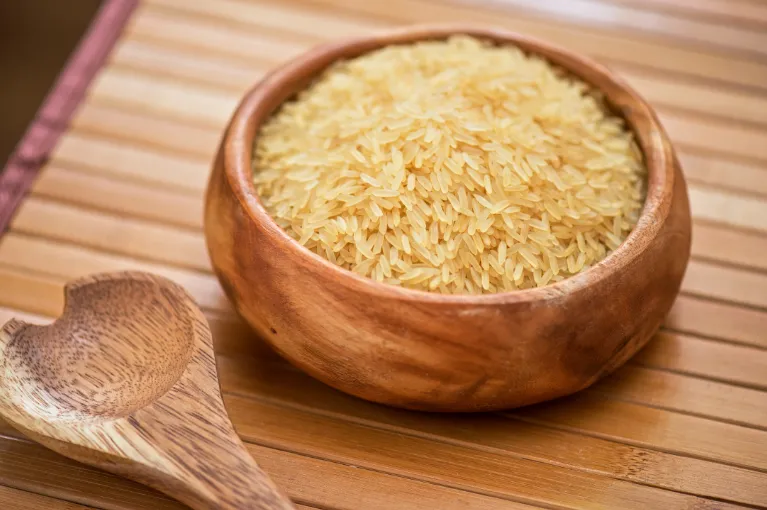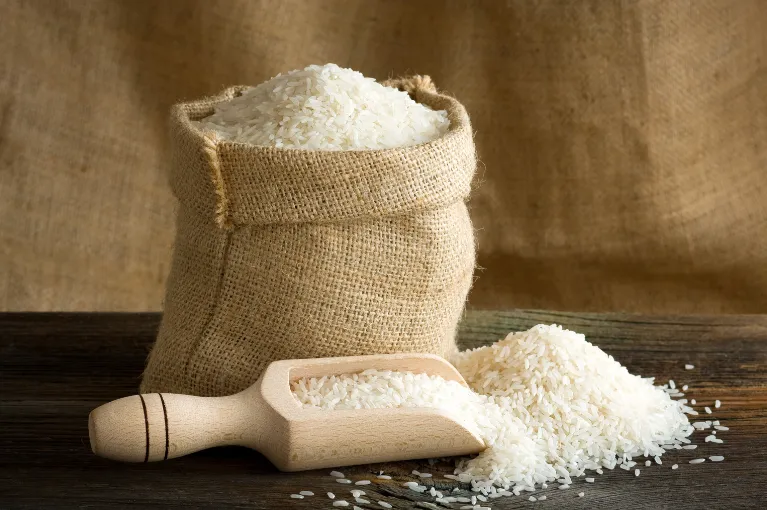
Pakistani 1121 Basmati Rice
Minimum Order Quantity : 26 MT
Product Forms: Raw, Parboiled (Sella), Steam
Shelf Life: 12-24 Months
Origin: Pakistan (Punjab Region)
Certifications : PSQCA, Halal Certification, ISO, and optionally BRC or HACCP, depending on the market
Offered By : 851 Verified Sellers

This is a Vegetarian product.
Pakistani 1121 Basmati Rice: At a Glance
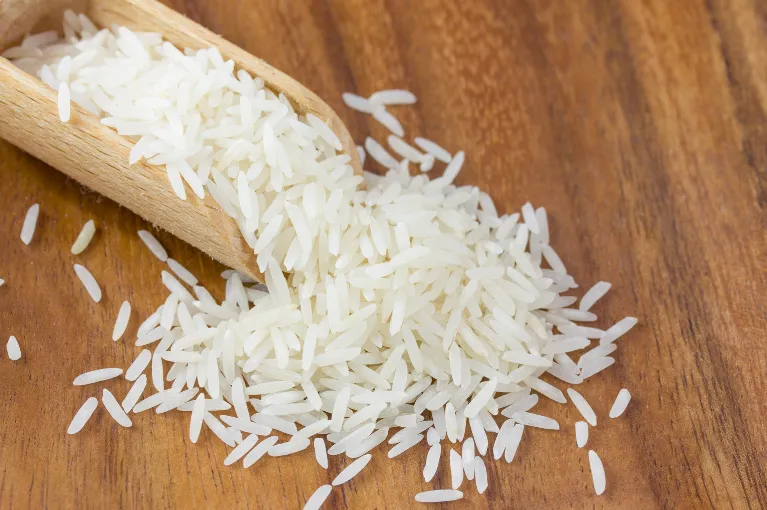
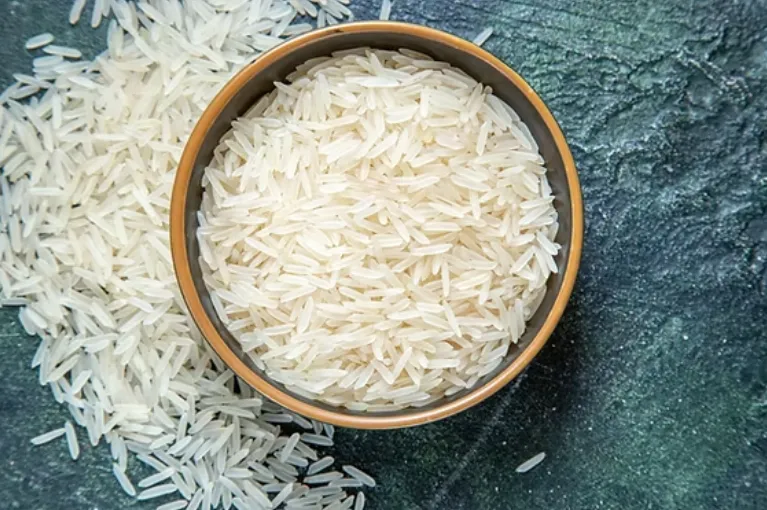
Pakistani 1121 Basmati Rice is a premium, extra-long grain rice variety widely traded in the global commodities market for its exceptional length, distinct aroma, and non-sticky cooking properties.
Commercially, it is the flagship of Pakistan rice suppliers' portfolio, often serving as a direct competitor to Indian Basmati varieties. Grown primarily in the fertile “Kalar Tract” of Punjab, this variety is prized by B2B buyers in the Middle East (GCC), Europe, and the UK for its ability to elongate up to 2.5 times after cooking (reaching ~20-22mm).
For the bulk trade industry, 1121 Basmati rice price in Pakistan is critical because it offers a high-value alternative to traditional Super Basmati, delivering similar culinary aesthetics at a competitive price point, with massive volume availability for food service, catering, and retail packaging sectors.

Strictly for procurement teams and quality control.
| Parameter | Standard Export Specification |
| Average Grain Length (AGL) | 8.20 mm - 8.35 mm (Pre-cooking) |
| Moisture Content | 12.5% Max |
| Purity | 95% Min (5% Admixture allowable in lower grades) |
| Broken Grains | 1% - 2% Max (Standard Export Grade) |
| Damage / Discoloured | 1% Max |
| Foreign Matter | 0.1% Max (Sortex Cleaned) |
| Paddy Kernels | Nil to 0.05% Max |
| Chalky Grains | 3% Max |
| Milling Degree | Well-milled, Double Silky Polish / Sortexed |
| Applicable Standards | PSQCA (Pakistan Standards), Codex Alimentarius, ISO 22000 |
The buyers must specify the type of processing of the Pakistani Basmati Rice 1121, as it affects the price, storage life, and cooking performance. The main four types of this rice are:
Trade Note: 1121 Steam is currently the export favourite, balancing the "whiteness" of raw rice with the "durability" of parboiled rice.
Understanding where and how Pakistani 1121 Basmati Rice is consumed allows exporters and importers to target the right market segments. The grain’s unique properties—extreme length and non-stick behaviour—dictate its primary applications.

This sector is the primary source of volume for 1121 Basmati. Professional chefs and catering managers prefer this variety, particularly for Biryani, Mandi, Kabsa, and Pulao dishes.
In Western markets, particularly the UK, USA, and EU, Pakistani 1121 is the standard Premium Basmati found on supermarket shelves.
A significant portion of Pakistani 1121 is not consumed in the country of first import.
While Grade A 1121 is too valuable for industrial processing, the supply chain generates specific by-products.
The Production Hub: The Kalar Tract
Across Pakistan, no region other than the Kalar Tract produces 1121 Basmati rice. Set within Punjab, this tract holds a very specific environmental recipe. The heat gets concentrated in a special manner, the moisture gets accumulated in the right measure, and the clay soil holds the land together. All these factors are most evident in the districts of Gujranwala, Sheikhupura, Narowal, and Sialkot. Every district brings its share to make the conditions for the rice to have its special taste. In the same setting, the grains achieve their remarkable length. As a result, export-quality Pakistani 1121 Basmati rice originates solely from this single region.
Major Consumption & Import Regions
Global demand is sharply divided by quality preference. The Gulf Cooperation Council (GCC) countries—specifically Saudi Arabia, UAE, and Oman—dominate the volume trade, importing massive quantities of Sella and Steam variants for daily consumption and catering. In contrast, the European Union and the UK represent the high-value "quality" market, exclusively purchasing Brown (Husked) and high-purity White Raw rice that meets stringent pesticide residue limits. Additionally, East Africa and Central Asia are emerging as strong secondary markets, often supplied via re-export hubs in Dubai.
Serving Status and Tradition
In the Middle East and Central Asia, appearance matters. The display of rice on a plate is a symbol of generosity. 1121 Basmati is special due to its extra-long grain, which is a status symbol. The grains separate well when cooked and extend to their fullest length. This is a special texture that is ideal for weddings and other formal functions where displaying large platters of food is a must.
Meeting the Health Trend
Global food habits are evolving. More people are seeking healthier options, and 1121 Basmati fits this bill perfectly. It's promoted as a "better" carbohydrate. It has a lower glycaemic index than sticky or short-grain cereals. This makes it popular in areas with a high incidence of diabetes. As a result, consumers regard this rice as a health food rather than a staple.
Unlocking the European Market
Pakistan is increasing its share of the global market. This is primarily due to improved food safety regulations. The country has tightened controls on chemicals such as Tricyclazole to meet the strict European Union standards. This gives Pakistan's 1121 Basmati a significant advantage in the EU and the UK. It easily removes trade barriers, whereas other countries frequently deal with residual issues.
Indicative FOB Karachi Prices (Subject to Market Fluctuation)
| Grade / Variant | Indicative Price Range (USD/MT) | Trend |
| 1121 Raw / White | $950 - $1,150 | Stable |
| 1121 Steam | $1,050 - $1,250 | Rising Demand |
| 1121 Golden Sella | $1,100 - $1,300 | Stable |
| 1121 White Sella | $1,000 - $1,200 | Stable |
Disclaimer: Prices vary daily based on currency exchange (PKR vs USD), paddy availability, and fuel costs.
Validating Culinary Performance
For international importers, the true measure of quality is Cooking Elongation. A long raw grain is not sufficient validation. Buyers strictly require a post-cooking length of 20mm to 22mm. This expansion ratio is the defining characteristic of 1121 Basmati. Shipments that fail this benchmark face immediate rejection or downgrading. Consequently, pre-shipment cooking analysis is an essential, non-negotiable step in the trade process.
Navigating Safety Regulations
Market access depends heavily on adherence to regional safety standards. The European Union enforces the strictest limits on Aflatoxins, capped at 4ppb. This necessitates rigorous laboratory testing prior to export. On the contrary, markets in Asia and the Middle East generally accept a tolerance of up to 20ppb. However, premium buyers searching for Pakistani Basmati rice price in these regions are increasingly adopting stricter international standards. This shift is essential to guarantee superior food safety.
Assuring Purity and Consistency
Aesthetic consistency directly impacts the commercial value of the cargo. Importers screen specifically for "chalky" grains. These opaque, immature kernels break easily or become mushy during cooking. A premium consignment must remain virtually free of such defects. Furthermore, buyers now implement DNA Certification to combat fraud. This forensic evidence confirms the cargo is pure 1121 Basmati, ensuring it has not been mixed with lower-value varieties.
Every legal rice shipment from Pakistan starts with REAP Membership. Legitimate exporters must be registered with the Rice Exporters Association of Pakistan. This is not just a trade club. It is a government requirement for customs clearance. Importers should always ask for a valid registration certificate first. This confirms they are dealing with a recognised entity, not a risky broker.
The Phytosanitary Certificate is akin to the 'health passport' of the grain. It is issued by the Department of Plant Protection (DPP) and is mandatory for all containers that depart from the port. The certificate verifies that the consignment is not carrying any quarantine pests, including the Khapra Beetle, and that the mandatory fumigation process has been completed 72 to 96 hours prior to shipment. The certificate is mandatory, and without it, entry into 'stringent countries' like the EU, USA, and Australia is denied.
For premium buyers looking to import basmati rice in bulk, voluntary certifications are often a contract requirement. HACCP and ISO 22000 are the benchmarks for food safety. They assure buyers that the mill follows strict hygiene protocols to prevent contamination.
Additionally, Halal Certification is essential for the Middle East and Southeast Asia. It serves not only religious compliance but also as a mark of supply chain purity.
To prevent disputes, the trade relies on independent inspections by trusted agencies.
To import Pakistani 1121 Basmati safely, ensure the supplier has:
Securing EU Market Access
The Western market is strictly following the "green mandate." This is a paradigm shift that is dramatically changing the way Pakistani 1121 Basmati is traded. To maintain permanent market access to the European Union, the sector is now aligning itself with Sustainable Rice Platform (SRP) norms. The Punjab "Kalar Tract" farmers are now practising water-saving techniques such as Direct Seeding Rice (DSR). This directly reduces the carbon footprint of the produce. For the importers, it is no longer a choice but a necessity to import SRP-certified rice to be placed on the shelves of high-end retailers such as Tesco, Lidl, and Carrefour.
Streamlining for Retail Success
The export model is undergoing a structural evolution. The trade is shifting from "loose bulk" shipments to "shelf-ready" exports. Historically, Pakistan exported raw material in 50kg bags for repackaging abroad. Today, Pakistani rice exporters are investing in advanced packaging lines to ship finished 1kg and 5kg consumer packs. This vertical integration allows buyers to bypass third-party packers. It significantly improves traceability while reducing the cost-per-unit for private label brands.
Tapping into Health-Driven Demand
White 1121 Basmati currently dominates export volumes, but the market is changing. Intelligence points to a high-growth trajectory for 1121 Brown (Husked) Basmati. Global health trends now favour whole grains for their benefits to gut health and glycemic control. This creates a largely untapped opportunity in North America and Europe. 1121 Brown Basmati holds a unique competitive advantage. It cooks significantly softer and faster than generic brown rice, solving the primary consumer complaint regarding texture.
Navigating Market Fluctuations
The prices and volumes presented in this article are approximate and based on data from 2024-2025. Actual prices for agricultural products fluctuate on a daily basis due to exchange rate variations (PKR/USD), weather patterns, and trade policies.
Clarifying Health Statements
Information on the Glycaemic Index is general information and does not constitute professional advice on health matters. For personalised advice, contact a certified nutritionist.
Ensuring Data accuracy
Product details are standardised, and we adhere to export standards set by REAP and PSQCA to ensure accuracy.
Get in Touch



It is an extra-long, aromatic grain grown in Punjab, Pakistan. It is famous for its remarkable expansion. When cooked, the grain elongates up to 2.5 times its original length.
Yes, this rice is naturally gluten-free. It also features a lower Glycemic Index compared to sticky rice, making it a lighter carbohydrate option.
The standard minimum order for export is 25 Metric Tons. This quantity is calculated to fill exactly one 20ft shipping container.