Minimum Order Quantity : 26 MT
Available Bag Size
Available Bag Type
Shelf life : 12-24 months under dry storage
Common Incoterms : FOB, CIF
Export documents: CO, phytosanitary certificate, inspection report
Facilitated by Tradologie.com
Offered By : 851 Verified Sellers

This is a Vegetarian product.
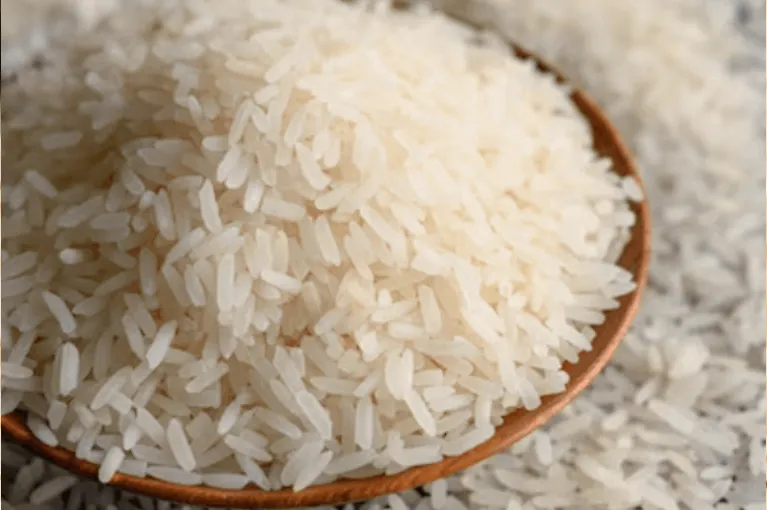
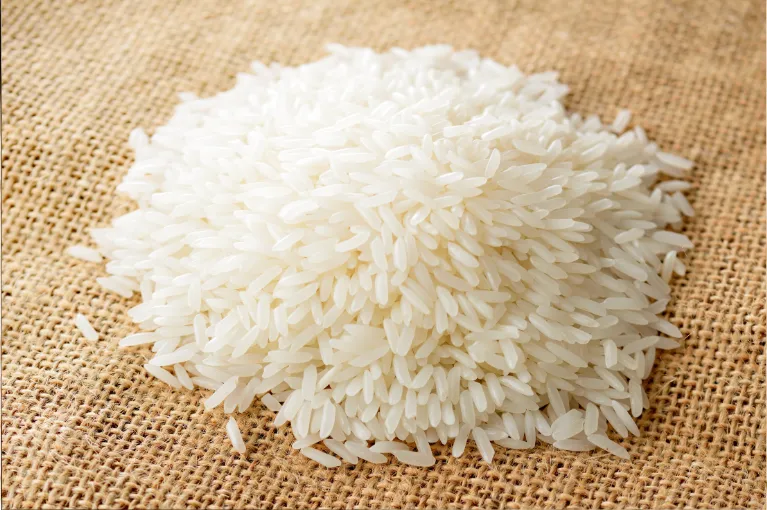
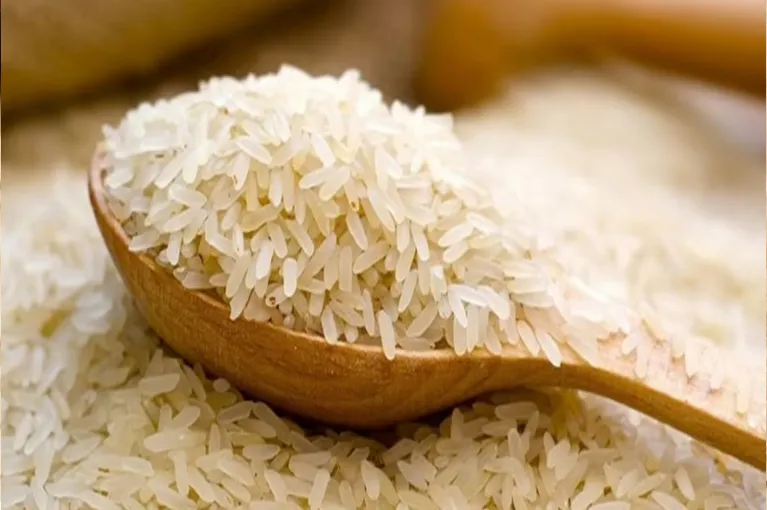
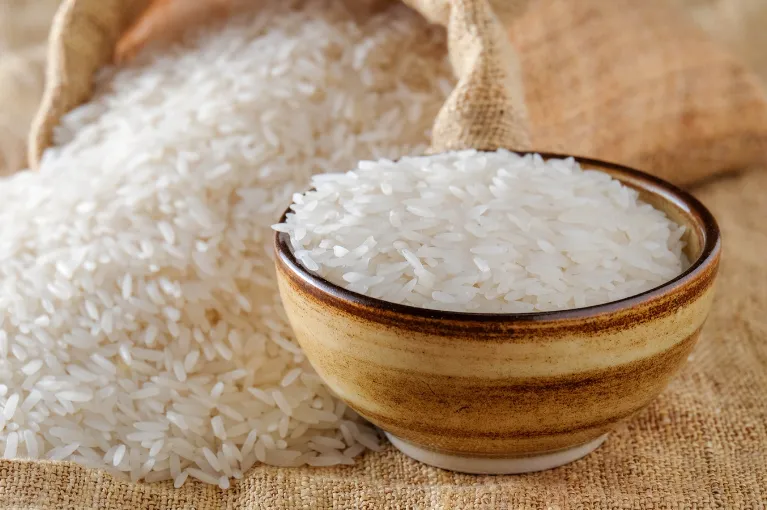
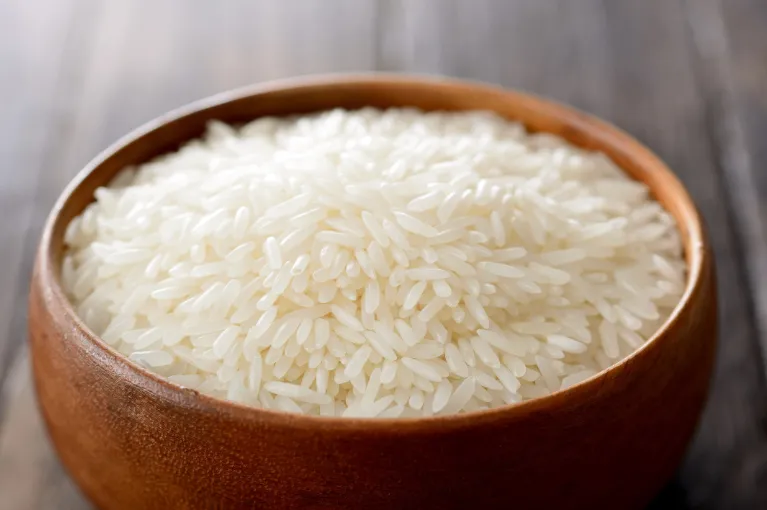
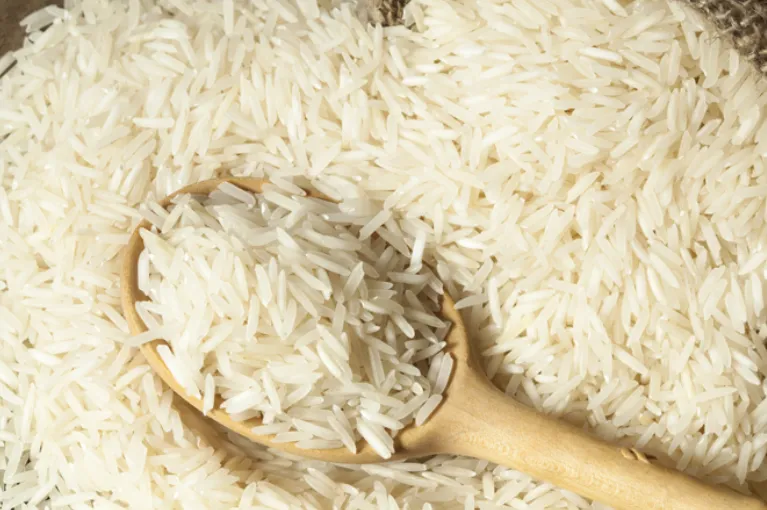
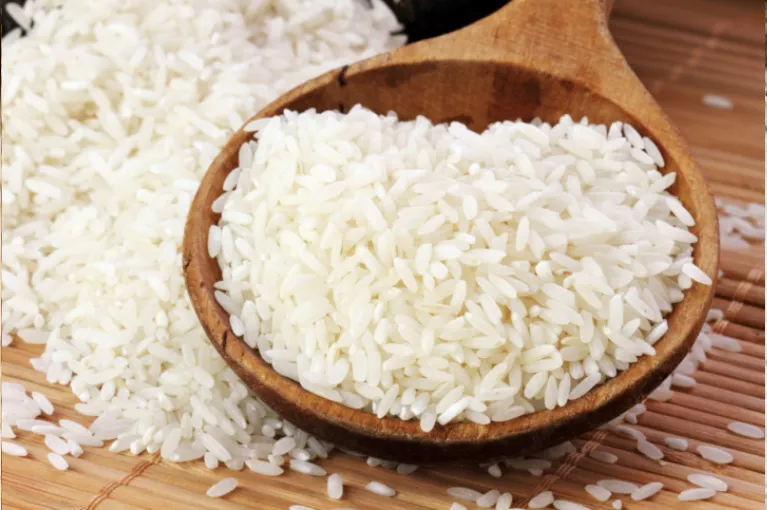
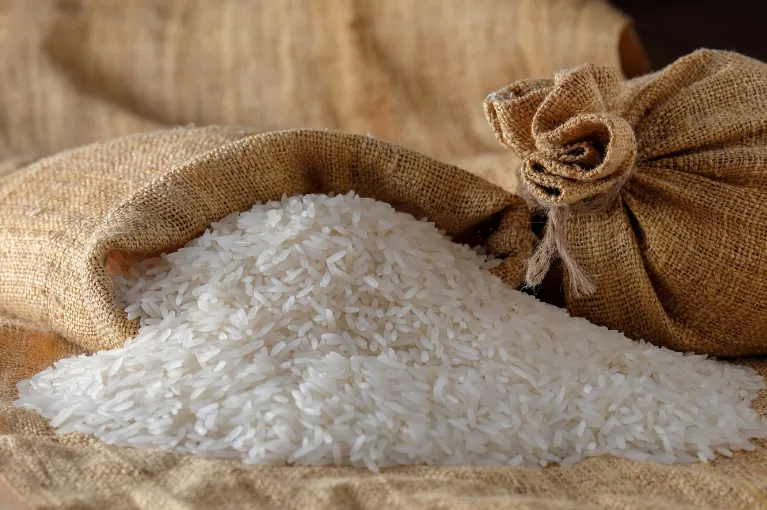
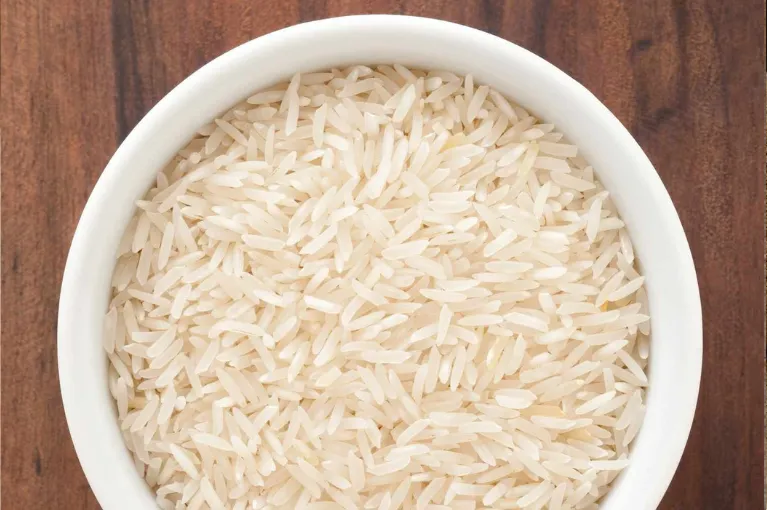
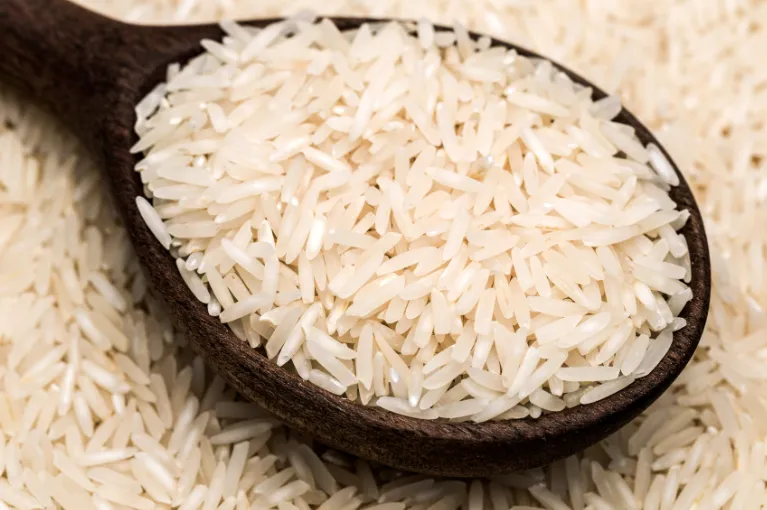
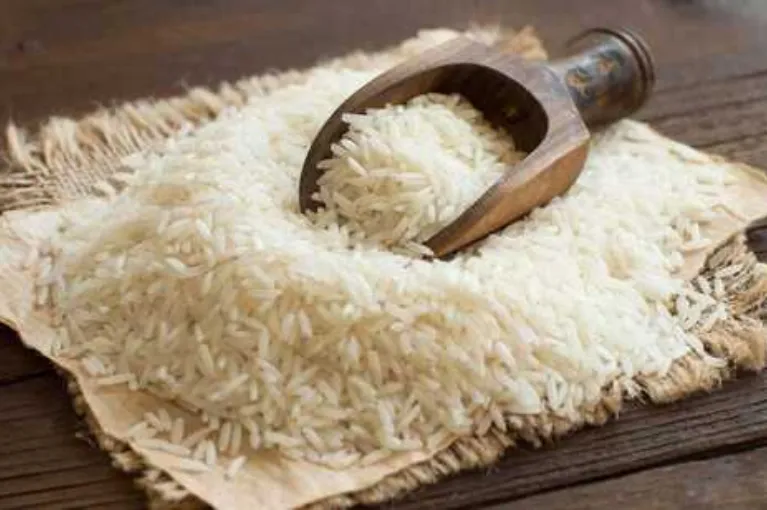
IR 64 Parboiled Rice Specification is that it is higher in B Vitamins compared to regular white rice and also its parboiling inactivates the enzymes that break down the fat in rice. This helps to prevent rancidity.
This rice also contains 127 percent more phenolic compounds which help to protect kidneys from unstable free radicals and also help in gut health. No significant blood sugar impact was also found to consume this IR 64 Parboiled Rice.
IR 64 Parboiled Rice is the premium variety of aromatic non-basmati rice, dedicatedly cultivable in the uttermost fertile regions of Myanmar, and lesser-known landscapes southeast island nations. Per the statistics, India shoulders 90% of the world's Basmati and Non-Basmati Rice demands, followed by Pakistan for the rest. Yet, Myanmar is the pioneer of nutritious and aromatic rice, providing the world with the rarest variety of nutritionally affluent, aromatic, slender food grains.
IR 64 Parboiled Rice Non-Basmati Rice is being cultivated in the Indian subcontinent for centuries. Owing to such an honorary reign, IR 64 Parboiled Rice is the variety that has been serving the world cuisines, ancient, modern, or contemporary, with expressive textures, beautiful taste, and appetizing fragrance.
We bring you the most convenient route to bulk procurement of the renowned IR 64 Parboiled Rice Non-Basmati Rice, directly from the sacred fields of Myanmar. With the effort of a click, Tradologie enables you and all the rice traders of the world to acquire an inexhaustible list of prominent Non-Basmati rice suppliers and their rice price through our latest technological breakthrough in e-commerce and bulk market, saving you a ton of expenses and time from the outdated procurement practices. Therefore, what you get is an unsurpassable quality in every grain of IR 64 Parboiled Rice, at incredibly low prices.
We, at Tradologie.com, make evolved business practices the trend. We seek to mainstream Tradologie's revolutionary procurement practices through our Tradologie App, and in that course provide the Rice importers the ultimate satisfaction in terms of cheaper, easier, and quicker hassle-free procurement of IR 64 Parboiled Rice. We have eliminated all the known flaws of traditional import/export practices e.g. Middle-man, delayed services, unsatisfactory quality inspection and transit, lack of latest technology, etc. to offer you the best.
We are the world's first inquiry-to-delivery trade enablement platform. We facilitate trade through technology.
| Quality | 100% Pure |
|---|---|
| Sortex | Clean |
| Brokens | 5% Max |
| Moisture | 14% Max |
| Damaged / Discoloured | 1.25% Max |
| Yellow /Red / Red Streaked Grains | 1.25% Max |
| Foreign Matter Including Paddy | 0.25% Max |
| Black And Black Tipped | 0.25% Max |
| Natural Admixture Of Rice | 5% Max |
| Average Length Of Rice | 6.00 mm |
IR64 rice is traded across a narrow but clearly defined range of commercial grades. Variations typically arise from processing and breakage levels rather than varietal differences.
By Form
By Broken Percentage
By Origin
By Processing Level
By Quality Grade
By Certification
By End Use
Most traded grade: IR64 rice with 10-15% broken
Export-preferred grade: 5-10% broken, export-grade milling
| Variant | Application | Buyer Type | Price Impact |
|---|---|---|---|
| 5% Broken | Retail & institutions | Importers | Higher |
| 10% Broken | Bulk distribution | Wholesalers | Medium |
| 25% Broken | Processing | Food processors | Lower |
Grades and specifications are broad trade categories and may vary based on country, crop year, and origin.
IR64 rice is used where scale and affordability define procurement decisions. Its applications are tied closely to distribution systems rather than niche consumption.
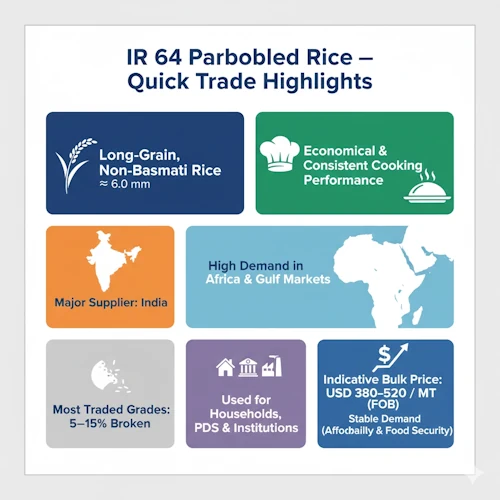
Supply for IR64 rice variety is concentrated, while demand remains widely spread across import-dependent regions.
Major producing countries
Major importing regions
India's role in global trade remains central, with ir64 forming a significant share of non-basmati rice exports. Re-export hubs include ports in West Asia and East Africa.
IR64 rice operates within the broader non-basmati rice market, which accounts for the majority of global rice trade volumes.
CAGR estimates vary by source and are influenced by population growth, policy decisions, and food security demand. Market figures include both raw and processed non-basmati rice.
Demand for IR64 rice is structural rather than trend-driven. It is shaped by necessity, not preference.
Production remains concentrated in India, supported by established cultivation practices and scalable milling infrastructure.
Trade flows for IR64 rice continue to track bulk demand corridors rather than discretionary markets.
IR64 rice exports tend to move with India's broader non-basmati trade rather than swinging sharply year to year.
Indicative bulk price range: USD 380 - 520 per metric tonne (FOB)
Prices vary by:
Prices are indicative and subject to change.
Correct classification is essential for customs clearance and duty calculation.
Importers typically evaluate:
Mandatory (India)
Optional / Market-driven
Certification requirements vary by destination and remain subject to change.
Growth in IR64 rice trade is expected to remain steady rather than rapid. Opportunities lie in long-term contracts, institutional procurement, and compliance-led sourcing rather than branding or retail positioning.
Data Source: USDA, FAO, APEDA | Reference Year: Latest available
All prices, specifications, and trade data are indicative and subject to change based on season, origin, compliance requirements, and logistics. Buyers and sellers should verify details prior to contracting.
Get in Touch
There isn’t one fixed price. Parboiled rice usually trades within a range depending on grade, broken percentage, origin, volume, and shipment terms. In the current market, bulk export prices are generally seen around USD 420–650 per metric ton. Final pricing is always discussed closer to the deal, once the requirement is clear.
Parboiled rice is a bulk commodity. In most cases, orders start from one full container. Volumes increase depending on the market and buyer requirement.
Bulk imports typically begin once you register as a verified buyer, which is completely free. After sharing your requirement, the conversation moves forward with support from the international trade team to see what fits best.
Yes, samples can be requested. Availability depends on the grade and exporter, and this is usually discussed before moving into commercial quantities.
Exporters usually start by subscribing and becoming a verified seller. Once verified, you can start receiving active import requirements from global buyers.
Buyers are spread across major rice-importing regions such as Africa, the Middle East, South Asia, and parts of Southeast Asia. Buyer locations tend to shift based on demand rather than stay fixed.
This isn’t a lead-based setup. Instead of generic leads, sellers receive real, actionable import requirements from buyers who are actively sourcing.
Apart from parboiled rice, exporters can offer most major rice varieties traded globally, depending on availability and market demand.
Payments are usually made through Letter of Credit (LC) or Telegraphic Transfer (TT), based on what both sides agree on.