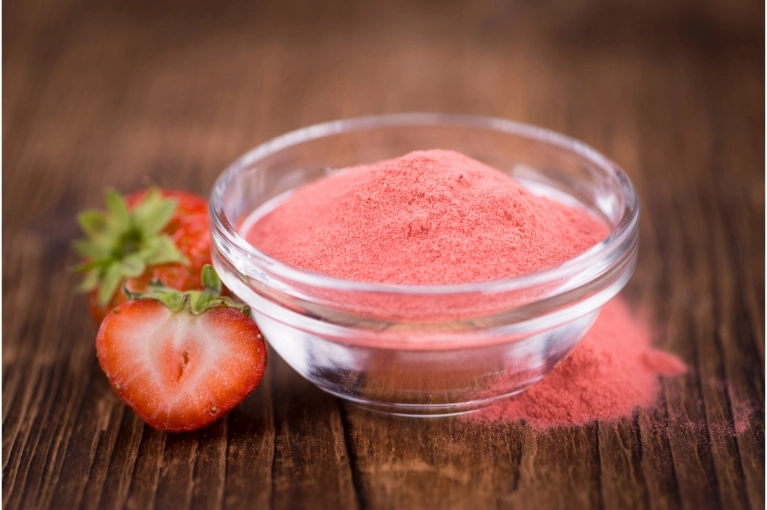
Banana Powder: A Guide to Varieties, Grades, and Global Trade
Through this guide, we provide a precise, trade-oriented overview of how this agricultural product is processed, graded, quality-validated, certified, priced, and moved through global supply chains to meet the technical expectations of bulk buyers.
Technical overview for trade and bulk procurement
Derived scientifically from the Musa genus (primarily Musa acuminata and Musa balbisiana), commercial banana powder is strictly categorized by both its specific varietal origin—such as the globally ubiquitous Cavendish or the starchy, premium Nendran—and its ripeness at the time of processing. It operates as a cornerstone ingredient in the global infant nutrition, bakery, and nutraceutical manufacturing sectors. The final powder is inherently fine, highly versatile, and nutritionally concentrated. Depending only on the raw mash and the specific dehydration technique used to produce it, this dried banana powder has a pale creamy-white to light-brownish color (usually spray-drying, drum-drying, or freeze-drying). Its flavor, which can be either extremely sweet and caramelized (ripe) or earthy and neutral (green), is determined by the biochemical transformation of starches into naturally occurring fructose and sucrose during ripening. In North America, the EU, and the Asia-Pacific region, one of the primary commercial uses for ripe banana powder is serving as the industry standard for natural fruit flavoring and sweetening in infant weaning foods, dairy, and instant beverage formulations.
The biochemical integrity, water-binding capacity, and particle consistency of Banana Powder are critical for industrial food manufacturers and nutraceutical brands who buy in bulk. Through the use of specialized spray-drying towers, hot-cylinder drum-drying (which produces flakes that are subsequently ground), or cryogenically freeze-drying, the raw banana puree is atomized. The dense puree consequently turns into a uniform, workable powder.
Due to its high carbohydrate matrix and vast surface area, it behaves distinctly within industrial mixing vats. It can be incorporated directly into dry functional food blends or infant cereal bases. Although the natural fruit sugars in the ripe variants are prone to rapid moisture absorption (deliquescence) once exposed to ambient air, manufacturers who choose to buy premium banana powder ensure superior mixing efficiency and shelf stability, mandating high-barrier aluminum packaging to protect the product's integrity.
Product specifications
Parameter
Standard / Limit
Solubility
> 90% in warm water (Spray-Dried)
Moisture Content
Max 4.0% - 5.0%
Carrier Content (Maltodextrin)
0% (Drum/Freeze-Dried) to 20.0% (Spray-Dried)
Total Ash
Max 4.0% - 5.0%
Particle Size (Mesh)
60 to 100 Mesh (Fine to Ultra-Fine)
Synthetic Colors / Flavors
Negative (Strictly tested for isoamyl acetate adulteration)
Color
Creamy White (Green) to Pale Yellow/Light Brown (Ripe)
Microbiology (Salmonella)
Absent in 25g (Crucial for EU/US Infant Formula)
Foreign Matter
Max 0.1%
Heavy Metals (Lead, Arsenic)
Strictly Controlled (< 1.0 ppm limits apply)
Critical Note: "Starch Content vs. Sugar Content" and "Processing Method" are the major specifications for Banana Powder. Premium buyers for the nutraceutical sector require "High Resistant Starch" parameters found only in unripened green banana powder. A laboratory check for "Starch Adulteration" (adulteration with cheap cassava or corn starch combined with artificial banana ester to mimic authentic powder) is mandatory to ensure the product remains sound, functional, and fit for high-value export.
Types, grades & variants
In the highly competitive landscape of the Fruit Powder B2B marketplace, segmentation is rigorous. It is strictly driven by the raw material's ripeness, the specific drying technology applied, and the intended industrial application:
Spray-Dried Ripe Banana Powder: The industry standard for instantaneous solubility and vibrant flavor is this globally traded sweet powder. Highly mature Cavendish bananas are pureed and atomized with a carrier agent. It has a pale cream color and an immediately recognizable, sweet aroma. Because of its instant dissolving properties, bulk buyers frequently source this type as the optimal base for instant milkshakes and flavored commercial milks.
Drum-Dried Ripe Banana Powder (Baby Food Grade): This specific variant is a foundational component of the global infant nutrition market. Puree is spread over massive, steam-heated rotating drums without the need for maltodextrin. The resulting sheet is milled into a powder or fine flake. It is slightly darker (due to light caramelization) and denser, offering excellent texture-building properties and clean-label purity crucial for commercial baby cereals.
Green Banana Powder (Resistant Starch): The functional health export market is currently dominated by this rapidly growing category. Harvested before the starches convert to sugars, unripe bananas are dried and milled. This produces a pale, neutral-tasting powder incredibly high in prebiotic resistant starch (RS2). It acts as a gluten-free flour substitute and a digestive health supplement, commanding significant attention from the modern wellness sector.
Freeze-Dried Banana Powder: Not as common in mass-market formulations, this type is the priciest and most nutritionally intact. By vacuuming the banana puree after it has been flash-frozen, carrier agents are completely removed (sublimation). This preserves the raw fruit's entire cellular structure and heat-sensitive vitamins while producing a high-quality, intensely flavored product free from thermal degradation.
Banana powder: applications & end-use
Food Processing (Industrial)
Infant Nutrition & Baby Foods: In the highly regulated infant sector, drum-dried banana powder serves as a primary, easily digestible carbohydrate source. It is found universally in packaged weaning cereals, acting as the ideal banana powder for babies due to its easy digestibility. Natural caloric density and a subtle, widely acknowledged sweetness are provided by its inclusion. Additionally, it provides a strong nutritional profile without adding artificial additives or refined sugars that don't meet stringent pediatric regulatory requirements. Within these critical applications, these powders function as a foundational "bulk and flavor anchor."
Confectionery, Bakery & Dairy: This banana fruit powder is heavily utilized in the commercial bakery and dairy sectors. It is a standard ingredient found in commercial muffin pre-mixes, protein bars, and ice cream bases. The fine structure of the milled powder allows for seamless blending with complex flours and lipid matrices. This physical uniformity ensures that it does not separate or weep liquid during high-heat baking or freezing processes. Consequently, it delivers a consistent, authentic fruit profile and structural integrity in every serving.
Non-Food Industrial & Specialized Blends
Nutraceuticals and Gut Health Supplements: Green organic banana powder dominates this particular market in order to optimize the benefits of gut health. Verified resistant starch percentages and high dietary fiber content are therefore given priority by supplement manufacturers. They specifically seek out clean-label, unripened powders. The powder undergoes rigorous enzymatic testing before encapsulation or inclusion in microbiome-supporting protein powders. A dedicated bulk supplier will typically require highly controlled drying temperatures for this specific purpose to prevent the resistant starch from gelatinizing and losing its prebiotic efficacy.
Instant Beverages & Dry Mixes: Fine mesh spray-dried powder (80+ mesh) is used as a functional flavor base in the instant dry mix industry. This cut is sourced directly from highly soluble grades. It is heavily blended into sports nutrition shakes, smoothie mixes, and commercial breakfast drink bases. The flavor it provides is comforting, sweet, and highly masking for bitter proteins (like whey or pea). Because of this, ripe spray-dried powder acts as an effective, cost-efficient functional ingredient for mass-market nutritional drink blends globally.
Supply & demand countries
Top Producing Countries & Export Hubs
Production Leaders: Bulk banana powder suppliers globally stand as the dominant forces, with banana powder bulk suppliers in India leading the sector by volume alongside Ecuador and the Philippines. The banana powder export from India (especially for Nendran and Green varieties) commands a massive global market share, largely driven by certified banana powder exporters with rapidly modernizing extraction infrastructure.
Important Export Hubs: The Jalgaon (Maharashtra) and Tamil Nadu consolidation zones in India serve as primary centers where exporters aggregate and process this specific product. Guayaquil in Ecuador is another critical international port for containerized shipments of both puree and finished fruit powder destined for North America.
Top Importing Regions
North America: The USA represents a massive, highly diversified market for both "Green Resistant Starch" and "Spray-Dried" sweet grades. The demand here is year-round, specifically driving the gluten-free baking sector, sports nutrition, and the colossal domestic infant food manufacturing industry.
Europe: The EU is a stringent regulatory market regarding pesticide residues and heavy metals. The demand focuses heavily on pure, highly traceable drum-dried material for direct premium baby food applications, heavily driven by multinational food conglomerates based in Switzerland, Germany, and France.
Asia-Pacific: With numerous FMCG processors, countries like Japan and South Korea serve as major importers of commercial-grade spray-dried powder. The demand here is for high-solubility powder for traditional beverage applications, functional milks, and trending bakery items.
Global market overview
Current Market Value: The global market for banana powder remains highly robust, contributing significantly to a broader fruit powder industry projected to reach roughly USD 22.5 billion by 2028. The two main industries driving it are infant nutrition and the explosive growth of gluten-free/prebiotic foods. At the moment, green banana powder is an increasingly popular functional flour for manufacturers looking to replace traditional grains. On the other hand, demand remains constant in the dairy sector. In this market, ripe sweet powder acts as a standard, irreplaceable flavor. Manufacturers of natural supplements are especially affected by the green banana trend. They are choosing more and more to purchase powder that has been clinically validated for resistant starch content. Additionally, the broader picture is highly positive for the future.
Future Outlook: The market is expected to demonstrate rapid, consistent growth. Several compounding trends will drive this upward trajectory. First, green banana powder exporters are noticing an unprecedented consumer demand for gut-health and plant-based functional flours. Second, the market for clean-label infant food is expanding globally. This is largely because drum-dried banana acts as both a texture modifier and a natural, safe sweetener.
Trends: The market is distinctly bifurcating from general "Banana Powder" trading to functional purchasing (e.g., "RS2 Prebiotic Green Banana Flour"). Procurement managers looking to buy banana powder are increasingly sourcing organic banana powder by searching for banana powder online via B2B platforms, often relying on top organic banana powder exporters India has to offer for clean-label requirements.
Key demand drivers
The "Clean-Label" Infant Economy: Global pediatric nutrition depends significantly on pure, easily digestible carbohydrates. In fact, banana serves as the dominant starter fruit in commercial weaning foods. As a result, import volumes of drum-dried flakes/powder remain massively consistent, strictly tied to birth rates and middle-class purchasing power in developing nations. Manufacturers require unadulterated products that have been strictly tested for microbiological safety and heavy metals.
Gluten-Free & Prebiotic Reformulation: Green Banana Powder is marketed heavily within the shift away from wheat and compromised gut health. It is promoted specifically for providing resistant starch that feeds the lower intestinal microbiome. This functional wellness trend actively propels the demand for specific types of unripened powder.
Extended Shelf-Life Manufacturing: Natural dry banana powder possesses an incredibly low water activity (aw), and because of this, it is currently the bedrock for dry bakery mix manufacturing. It is increasingly utilized as a replacement for fresh bananas, which brown and spoil rapidly. You will find it applied in commercial formulations to prevent enzymatic browning in the final product and extend the shelf life of the retail box to 18-24 months.
Production & supply dynamics
The global Banana Powder market is characterized by year-round processing, unconstrained by the strict seasonality that affects other tropical fruits, due to the continuous fruiting cycle of the banana plant.
Supply-Side Realities:
Adulteration & Fraud: A major trade risk in the developing market involves cutting genuine banana powder with cheap cassava flour or corn starch to bulk up the weight, then masking the dilution with synthetic banana ester (isoamyl acetate). Buyers must utilize sensory and lab testing to verify pure fruit composition
Moisture & Caking: The ripe powder is exceptionally hygroscopic due to its high sugar matrix. It cakes into a sticky, unusable mass if packed with more than 5% moisture or exposed to humidity. It is utterly useless for industrial hoppers if clumped.
Export & import trend analysis
Volume Trend: Surging. Alongside steady growth in infant nutrition, the sudden explosion of Green Banana Powder in the functional food and keto-friendly baking sectors is significantly skewing the demand, which is expected to increase by 7-9% annually.
Value Trend: Moderately Stable. Prices don't change as much as they do for fruits that only grow in certain seasons because the raw banana crop grows all year. The price of finished powder can change because of the cost of shipping things around the world and bad weather that affects big farms, like typhoons in the Philippines.
Key Insight: When making a banana powder bulk purchase, buyers are increasingly specifying "Ripeness Stage" alongside processing method. Powders designated as "Green/Unripened" are beginning to command premium pricing parity with freeze-dried sweet powders because they deliver highly sought-after nutraceutical claims (prebiotics/RS2), altering the traditional value hierarchy of the market.
Price & bulk cost indicators
Standard Commercial Powder (Spray-Dried Ripe): The banana powder price generally ranges from $2,500 to $4,000 per metric ton, establishing a standard banana powder price per ton that sets the entry-level wholesale baseline. It is the standard cost for beverage blends and commercial dairy flavoring. Buyers must analyze the banana powder wholesale price carefully, checking both the banana powder FOB price out of origin ports and the landed import cost.
Functional Powder (Green Banana / Resistant Starch): This variety typically costs between $2,800 and $4,500 per MT, depending heavily on organic certification and verified starch laboratory results. The export price is strong for this grade due to its specialized application in the premium health food sector.
Premium Infant Grade (Drum-Dried Ripe): You need high-quality raw materials and advanced drum technology to process without carriers. Baby food has to follow very strict microbiological safety rules, so this grade usually costs between $4,000 and $6,000 per MT.
Freeze-Dried Banana Powder: Representing the absolute pinnacle of sensory preservation, this variant ranges from $12,000 to $18,000 per MT. The high cost is tied directly to the energy-intensive cryogenic processing and the 100% pure fruit concentration.
Market Volatility: Volatility is generally lower than other fruit powders. It is tied more closely to industrial energy costs (for the drying facilities), global shipping container rates, and Currency Exchange Rates than to crop failures.
HSN / HS CODE & Tax Classification
HS Code (Global): 1106.30 (Flour, meal and powder of the dried leguminous vegetables... or of fruit) – proper fruit powder HS code classification is crucial for international customs clearance
Indian HSN Code: 1106 30 10 (Mango Flour/Powder) or 1106 30 90 (Other fruit powders, frequently used for Banana).
Note: Banana powder HS code differentiation relies heavily on the final application and additives. Customs will strictly scrutinize the product for "food preparations" (HS 2106) if the carrier agent percentage is exceptionally high or if it is a blended baby food pre-mix rather than a pure raw material.
Buyer expectations & trade requirements
Application-Specific Functionality: For beverage blenders, the spray-dried powder must be 100% instant soluble. Bakers expect green banana flour to have a neutral flavor and be able to hold water well. Customers have very high standards for how well a specific mechanical part works, depending on the grade they buy.
Adulteration-Free Guarantees: In the market, claims of using pure banana powder are legally binding, and buyers expect an entirely natural banana powder free from synthetic esters or tuber starches. Full supply chain transparency is required. In an effort to save money, suppliers sometimes try to cut the powder with cheaper tuber starches. When clients are paying for pure fruit grades, this practice is completely unacceptable and grounds for shipment rejection.
Microbiological Stringency: Regarding infant food applications, markets in the US and the EU enforce merciless regulations. To check for pathogens, authorities conduct comprehensive inspections on every batch. These screening processes focus heavily on Salmonella, E. coli, and coliforms.
Moisture Limits: Suppliers must strictly follow a maximum moisture level. This strict limit is usually less than 5%. To stop microbes from growing quickly and caking up badly during transport, it is very important to keep this exact level of dryness.
Logistics, Packaging & Trade Terms
Parameter
Specifications & Details
Packaging
Packaged in sturdy corrugated cartons or HDPE drums (20–25 kg). Features a thick, heat-sealed aluminum foil inner lining providing a total barrier to oxygen and moisture to prevent clumping.
Storage & Shelf Life
Shelf Life: 18 to 24 months.
Storage: Must be kept in a cool (below 20°C), dry, dark, and highly dehumidified environment to prevent hygroscopic sugars from melting and crystallizing.
Incoterms & MOQ
Terms: FOB or CIF.
MOQ: Minimum 3 to 5 metric tonnes (LCL) for direct export wholesale rates.
Capacity: 14 to 16 metric tonnes per 20-foot Full Container Load (FCL) based on bulk density.
Required Documentation
Certificate of Analysis (starch %, moisture, microbiological safety)
Current Phytosanitary Certificate
Formal Origin Certificate
Non-GMO / Organic Declaration (if applicable)
Future outlook & opportunities
Upcycling & Sustainability: While the banana powder export price per kg remains a very important starting point for buyers, the industry is quickly moving toward being more environmentally friendly. A growing number of producers are experimenting with upcycling techniques, utilizing "ugly" or overripe bananas that would otherwise be thrown away at the plantation level.
Resistant Starch Standardization: Currently, the green banana market is booming. However, a growing need exists for clinical standardization. Extractors are developing specialized low-heat milling techniques to guarantee a specific, high percentage of RS2-resistant starch in every batch.
Clean-Label Carrier Innovation: The food industry is witnessing significant pushback against maltodextrin. Consequently, spray-drying technology is rapidly adapting. With this new change, producers can now offer sweet banana powder that uses gum acacia or organic tapioca fiber as the encapsulating agent. It therefore directly targets the growing whole-foods and premium organic retail industries.
Transparency & Disclaimer
Disclaimer: Market data, price indications, and trade regulations may change because of global freight conditions, geopolitical policies, and currency fluctuations. The technical details are for general guidance only; buyers must verify the details (Resistant Starch %, Moisture, Carrier Agent Ratio, Microbiology, Authenticity) with suppliers through a Certificate of Analysis (CoA) before making a purchase. No specific trade result can be guaranteed.
Green banana powder is made from unripened fruit; it is savory, high in functional resistant starch, and acts as a gluten-free flour. Ripe banana powder is made from mature fruit; it is sweet, high in natural sugars, and acts as a natural flavoring and sweetening agent.
Drum-drying relies on the fruit's natural cellular structure to dry into sheets without the need for artificial carrier agents or added starches. This results in a 100% pure, single-ingredient product that easily passes the ultra-strict clean-label regulations required for commercial infant formulas and cereals.
Because ripe bananas are naturally very high in simple sugars, the liquid puree would instantly caramelize, burn, and stick to the walls of a hot spray-drying machine. A carrier, usually maltodextrin, encapsulates the fruit molecules, allowing them to form a dry, free-flowing powder that resists immediate melting.
The natural fruit sugars (fructose) in the ripe powder are extremely hygroscopic. If the foil packaging is left open and exposed to ambient air and humidity, the powder rapidly absorbs moisture, causing the sugars to melt and bind into rock-hard clumps, effectively ruining its free-flowing properties for manufacturing.
Because pure fruit extraction has inherent costs, unscrupulous suppliers sometimes dilute the bulk weight with cheap, visually similar starches (like cassava or corn flour). To mask the dilution, they add artificial synthetic banana flavor (isoamyl acetate). Lab testing is required to prove 100% pure fruit composition.
Need more help?
Connect with Us
Connect with Us
We use cookies
We use cookies to enhance site functionality, improve user experience, analyze website performance, and deliver relevant content in accordance with our Cookie Policy.
We use cookies
Essential Cookies
Essential cookies are strictly necessary for Tradologie.com to operate properly. They enable core functionalities such as security, session management, network stability, and cookie consent preferences. These cookies do not collect personal data and cannot be disabled.
Name
Vendor / Service
Purpose
Expiry
Privacy Policy
ASP.NET_SessionId
Tradologie.com / ASP.NET
Maintains secure user session across pages.
Session
https://privacy.microsoft.com/
__RequestVerificationToken
Tradologie.com
CSRF protection for forms.
Session
https://www.tradologie.com/privacy-policy/
cookie_consent
Tradologie.com
Stores consent preferences so the banner does not reappear.
We use analytics cookies to gather anonymous, aggregated information about how visitors interact with Tradologie.com. This helps us improve the site, measure the success of content and services, and prioritize performance fixes.
Functional cookies allow the website to provide enhanced usability and personalization. They store preferences such as language, region, chat settings, and login details for a smoother browsing experience. Disabling these cookies may limit certain features.
Name
Vendor / Service
Purpose
Expiry
Privacy Policy
user_lang / lang
Tradologie.com
Remembers chosen language.
1 year
https://www.tradologie.com/privacy-policy/
timezone_pref
Tradologie.com
Stores timezone preference for display.
6 months
https://www.tradologie.com/privacy-policy/
remember_user
Tradologie.com
Keeps logged-in state when chosen.
30 days
https://www.tradologie.com/privacy-policy/
livechat_session
Tawk.to
Maintains chat session state.
Session
https://www.tawk.to/privacy-policy/
Marketing
Marketing cookies are used to deliver advertising that is relevant to you and to measure the effectiveness of our marketing campaigns across platforms such as Google, LinkedIn, Meta and Microsoft. These cookies are set only with your consent.

.webp)


.webp)