Key Highlights
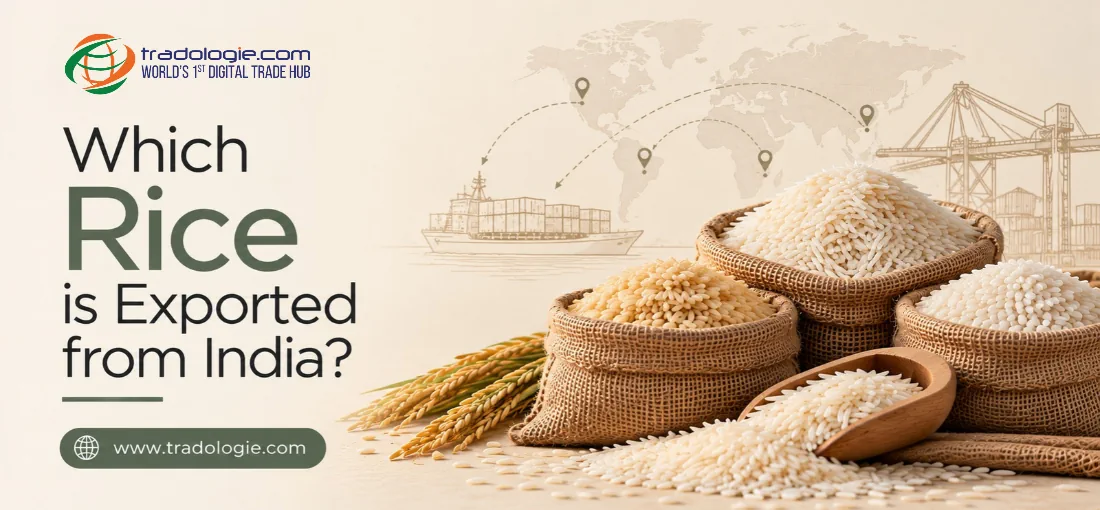
- If you want to know what rice is exported from India , start by understanding the two main categories: Basmati and non-Basmati rice, along with their varieties, processing methods and target markets.
- Explore varieties such as Pusa Basmati 1121, 1509, Sona Masuri, IR64, Swarna, Ponni and Kolam, depending on your sourcing capacity and buyer requirements.
- Understand the difference between raw rice, parboiled rice, Sella Basmati and broken rice, as processing methods and grain quality influence pricing and suitability.
- Research potential markets, including Saudi Arabia, Iraq, Iran, the UAE, Benin, Guinea, Côte d'Ivoire and Togo, and identify the varieties preferred by importers in each destination.
- Confirm grain length, broken percentage, moisture, processing requirements, packaging and destination-specific food safety and import regulations before accepting an order.
- Calculate the complete export cost, verify the current export policy, complete the applicable IEC and APEDA requirements, and obtain an RCAC where required before dispatch.
Introduction
In India, there are numerous types of rice that can be exported. These range from high quality aromatic Basmati rice to more affordable and mass market non-Basmati rice. When considering what rice is exported from India , you will need to look at what market you are selling to, what your buyer requires and what price you can sell your rice at. If your wholesaler is importing rice for general b2c consumption, they may not require the same variety as a distributor supplying high quality grocery stores.
In the FY2024-25 year, India exported around 20.19 million metric tonnes of rice valued at US$12.47 billion (APEDA). Of this, 14.13 million metric tonnes were non-Basmati rice and 6.07 million metric tonnes were Basmati rice.
Knowing which varieties of rice are exported from India will give you a good starting point. Then you need to decide what type of rice would suit your buyer, the market they are targeting and what price range they are looking to pay.
Keep reading this informative blog piece as it will tell you what the top varieties of rice exported from India are.

What Type of Rice is Exported from India?
Generally, Indian rice can be split into two main categories when it comes to what rice is exported from India; Basmati and non-Basmati. However within these categories there are different varieties, types of processing and grain sizes.
| Category of Rice | Varieties | Requirements |
|---|---|---|
| Basmati rice | 1121, 1509, Pusa Basmati and Traditional Basmati | Aromatic, length of grain, aged and cooking properties. |
| Non-Basmati white rice | Sona Masuri, IR64, Swarna, Ponni and Kolam | Price, even grain, moisture and cleanliness. |
| Parboiled rice | Various non-Basmati varieties | Cooking qualities, colour and grain. |
| Sella Basmati | Parboiled Basmati (1121 etc.) | Lengthened grain, quality and appearance. |
| Broken rice | Broken grains | Broken percentage, purity, price and application. |
Note that this is not all the varieties of rice. Basmati and non-Basmati are general categories of rice. The parboiled and Sella types refer to how the rice has been processed. Broken refers to the quality and size of the grain.
When making your quote, it is important to know that there can be big differences between the quality, processing and what buyers will want.
1. Basmati Rice - A Top Export from India
One of the most well-known exports of India is Basmati rice. This rice has a distinctive aroma, long thin grains and cooking properties.
India exported around 6.07 million metric tonnes of Basmati rice valued at US$5.94 billion in the FY2024-25 year (APEDA). The main export markets are Saudi Arabia, Iran, Iraq, UAE and other west asian countries.
There are many varieties of Basmati rice to choose from:
- 1121 Basmati rice. This is known for being very long and has good lengthening properties when cooked. It can be found in high quality retail, restaurant and food service sectors. It is commonly exported as raw, steam and Sella.
- 1509 Basmati rice. This is a well-known export variety. It can be a good option for buyers looking for long grain rice. It will depend on what quality, processing and market you need.
- Pusa Basmati. This is another variety of rice exported from India. This gives buyers more options.
- Traditional Basmati rice. This can be a good option for buyers looking for the distinctive aroma.
The price will depend on the grain length, broken percentage, moisture, aging, processing and consistency.

2. Non-Basmati Rice - A Big Export Market
Non-Basmati rice makes up a large portion of India's rice exports. Unlike Basmati rice, it can be used for a variety of different markets.
In the FY2024-25 year, India exported around 14.13 million metric tonnes of non-Basmati rice valued at US$6.53 billion (APEDA). This was a larger quantity than the Basmati rice.
Some common varieties of non-Basmati rice include:
- Sona Masuri: Medium grain rice. This is eaten in many areas of India and is popular with buyers who know its cooking properties.
- Ponni rice: This is popular in southern India and is consumed by both domestic and overseas buyers. Its suitability for everyday meals makes it a familiar choice in several regional markets.
- IR64 rice: This is a widely traded variety of rice that can be found in commercial and wholesale markets. Buyers generally focus on competitive pricing, consistent quality, and a reliable supply when sourcing this variety.
- Swarna rice: This is a non-Basmati variety grown in India. It is a suitable option for buyers looking for affordable rice for bulk procurement and everyday consumption.
- Kolam rice: This variety is popular in certain regions of India, particularly for regular household consumption. Its demand is largely influenced by regional food preferences and local market requirements.
- Kalanamak and Jeera Samba rice: These are distinctive rice varieties known for their characteristic aroma and regional appeal. They can be suitable options for niche buyers seeking specialty rice varieties with distinctive sensory qualities.
| Rice Variety | Key Characteristics |
|---|---|
| Sona Masuri | Medium-grain rice, popular for everyday consumption. |
| Ponni rice | Popular in southern India and overseas markets. |
| IR64 rice | Widely traded, with demand for consistent quality and competitive pricing. |
| Swarna rice | Affordable non-Basmati rice suitable for bulk procurement. |
| Kolam rice | Popular for household consumption in select Indian regions. |
| Kalanamak and Jeera Samba | Distinctive aromatic varieties suited to niche markets. |
There are many varieties of non-Basmati rice in India. HMT and Jeera Samba are examples (APEDA).
Not all varieties will be in high demand. You can't assume that something popular in your domestic market will be wanted overseas. The country of your buyer, what consumers like, competition and landed costs will all play a role.
3. Parboiled Rice - An Important Bulk Rice Commodity
Parboiled rice is a type of rice made by soaking and heating the paddy before milling. This alters the properties of the rice.
India exports a lot of non-Basmati parboiled rice varieties. This has been an important rice variety for buyers in many African countries. In fact, it is among the top varieties of rice exported from India when it comes to non-basmati rice varieties.
Often the reason this is popular is because your buyer will have certain requirements. If they are buying large quantities they will look at what price they can get per tonne, what quality of rice they want, what cooking properties they want and how regularly they can get deliveries.
Parboiled isn't a variety. There are many varieties of rice that can be parboiled. Your exporter will need to specify what variety of rice they want.
4. Sella Basmati Rice
Sella Basmati rice is parboiled Basmati rice. The rice has gone through some processing before milling.
Your exporter may have varieties like 1121 Sella Basmati and other grades of Basmati. Buyers may want this type of rice for its grain appearance, cooking properties and because it is suitable for certain food service/retail markets.
There is also golden Sella and creamy Sella.
As an exporter you will want to check what the exact specification is. The length of grain, broken percentage, colour, consistency and moisture can all impact what price you can get.
5. Broken Rice
Broken rice is rice that has broken during the milling process. It is sold separately.
Depending on the grade and regulations, buyers may want to use this rice for food processing, brewing, starch, animal feed etc.
The broken percentage will be important. Even if it is broken rice, you will need to ensure you know what the specification is. This includes grain size, purity, moisture and application.
You should also be aware of government policies. In the past India has put restrictions on some rice categories including broken rice. You will need to know what the export policy is for the rice you are exporting.
Where is Indian Rice Imported To?
Often the market you are targeting will decide what category of rice you should focus on.
Looking at the APEDA profile for rice exports in the FY2024-25 year, the main importers of Indian rice were Saudi Arabia, Benin, Iraq, Iran, Guinea, Cote d'Ivoire, UAE and Togo.
Basmati rice is popular in many west asian countries. Non-Basmati white and parboiled rice is important in many african and south asian countries.
This is a general guide. Buyers in the same country may have completely different markets. If your importer is wanting high quality Basmati rice they may not be interested in an affordable non-Basmati rice.
If you are looking to export Indian rice varieties, you should do some market research. This will help identify what the biggest importers are, what they are buying, where they are sourcing from and what specification they want.
What to Consider When Choosing a Rice Variety
Choosing the right product for your buyer will be more than just choosing what is the most popular. You will need to know what they require and if you can consistently provide it.
Consider the following before confirming the order:
- Specification. What variety, grain length, broken percentage, moisture and processing.
- Target market. Are they looking for high quality retail, wholesale, restaurant or industrial?
- Sourcing. Can you source what you need in the quantities and quality?
- Cost. What will your costs be? Milling, grading, packaging, inland transport, freight etc.
- Documentation. What documentation do you need? Export registrations, certificates and what is needed for the country they are sending to.
- Future. Can you provide what they want in future?
This is especially important when considering Basmati vs non-Basmati rice. Just because it is high quality doesn’t mean you will have a better margin. You will need to find out what the sourcing cost is, what quality you need and what competition is in the market.
Understanding What Rice to Export from India
India has many different categories of rice to export. Basmati rice will compete on its distinctive aroma, grain and high quality reputation. Non-Basmati rice can be used for many more price sensitive and bulk items. Parboiled, Sella and broken rice can also be used.
When looking to understand what rice to export from India, you should first decide what you can consistently provide and what buyers will require. Using trade data from APEDA can help you decide what market you want to target. Talking to importers will also help you understand what quality, packaging, quantity and price they require.
Ultimately the best variety of rice to export will be what your buyer requires and what you can provide at a viable price. Knowing this will be more useful than just going for what seems to be the most popular.
India has the capacity, processing facilities and relationships in place to provide many different varieties of rice. As an individual exporter, knowing what your product fits into and providing the quality your buyer has agreed upon will help you succeed.