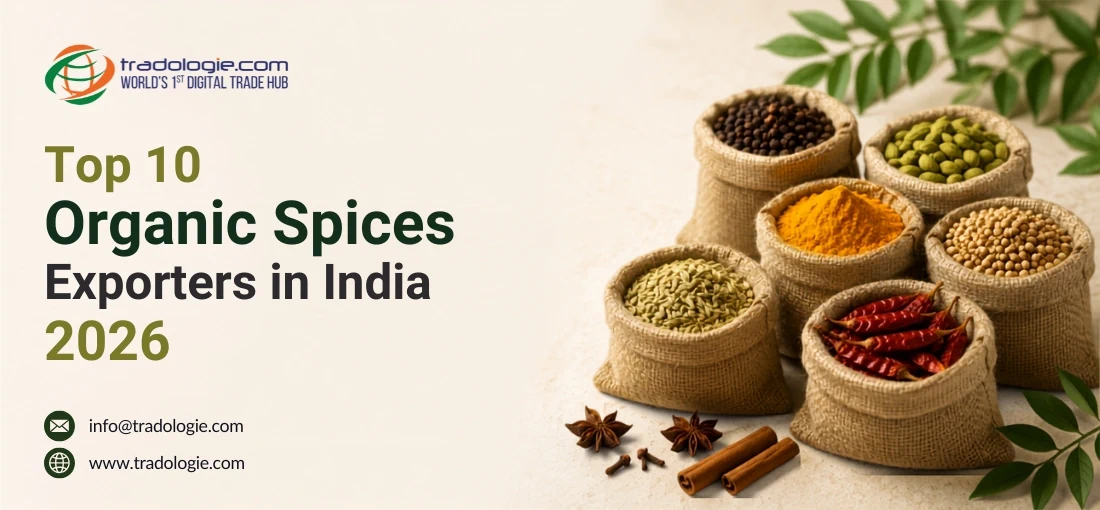
- India remains a major hub for organic spice exports.
- The global organic spices market is estimated at $24.57 billion in 2026.
- Gujarat and Rajasthan are major sources of organic cumin, coriander, fennel and fenugreek.
- Kerala is known for organic pepper, cardamom and nutmeg.
- Leading exporters offer whole spices, powders, extracts and oleoresins.
- Buyers should verify organic certifications and lot-specific TCs.
- Testing for EtO, fungicides and heavy metals is essential.
- Product specifications should match the buyer's application and destination requirements.
Introduction:
A pinch of spice is a world of flavour. Spices have been traded globally since times immemorial through different trading routes. There is no surprise that traditionally India has been among the leading organic spice exporters . The legacy continues to this day.
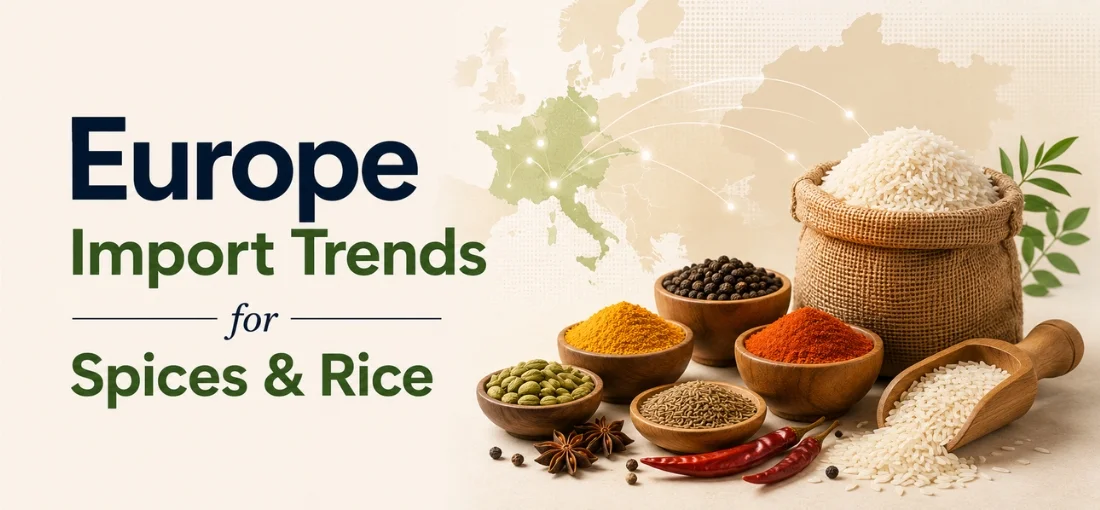
Market data from Mordor Intelligence has estimated the global organic spices market at roughly around 24.57 billion dollars in 2026. This market is also on track to cross 33.34 billion dollars by 2031 at a 6.29% annual growth rate.
India is indeed the natural sourcing hub for this demand. But moving from regular commercial lots to certified organic crops isn't just as simple as browsing an online directory. You need to know which players actually control their supply chains from farm acreage to steam sterilization.

Where the Crops Actually Grow
You cannot source properly in India without knowing the agricultural map. Soil conditions, rainfall patterns, and regional microclimates dictate that individual states focus on entirely different crops.
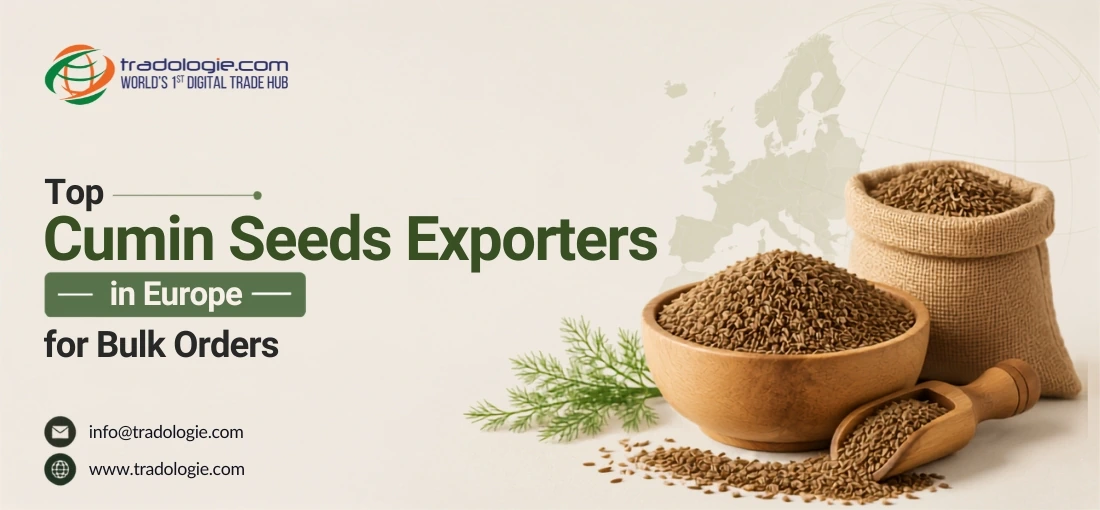
The arid western seed belt across Gujarat and Rajasthan regions produces most of the organic cumin, the famous coriander, fennel, fenugreek, and, not to forget, the mustard seeds. In fact, these are the regions where dry harvest weather keeps field mold and aflatoxins down. The Kerala hills and Western Ghats serve as the historic home for Tellicherry pepper, green cardamom, and nutmeg on shaded multi-crop estates down the South. Andhra Pradesh and Telangana handle high-heat red chillies like Teja that require strict buffer zones against chemical drift from neighbouring farms. While the Meghalaya and the Northeast yield high-potency Lakadong turmeric and bird's-eye chillies.
Top 10 Organic Spices Exporters in India 2026
When evaluating top Indian organic spices suppliers , marketing brochures mean very little. Look instead for active international certifications (like USDA NOP, EU Organic, and India's NPOP) and clean batch-level lab documentation from these leading players:
Synthite Industries
Synthite out of Kerala is the heavy hitter if your production line requires liquid flavor concentrates or zero-microbial extracts rather than raw seeds in sacks. They run advanced supercritical CO₂ extraction plants that pull active oils out of organic raw materials without leaving chemical solvent residues behind, shipping primarily into North America, Germany, Switzerland, the UK, and Japan. They are among the top 10 organic spices exporters in India.
Plantrich Agritech
Plantrich operates directly through smallholder farmer cooperatives in the Western Ghats for raw whole spices. They are known to organize growers into certified organic clusters. This is done to maintain strict traceability of lots. They export container volumes of fair-trade black pepper, green cardamom, and steam-treated powders into Germany, the Netherlands, France, and Scandinavia. These regions serve organic packers that focus on clean-label retail lines.
Nature Bio-Foods Ltd. (NBFL)
If you need multi-tonne enterprise contracts, NBFL acts as the specialized organic arm of LT Foods. They manage large contract-farming networks across Northern and Western India, running automated milling lines designed to fulfill recurring container orders for supermarket private labels across the US, Canada, and the EU.
AKAY Natural Ingredients
On the botanical extract and oleoresin side, AKAY combines agricultural sourcing with South Indian phytochemistry. They supply standardized clean-label extracts that match tight active ingredient specs to dietary supplement brands and savory seasoning houses in South Korea, Japan, and Western Europe.
Geo Fresh Organics
Geo Fresh operates right out of Gujarat's seed-spice heartland. They use micro-pulverizing mills that are professionally air-cooled to turn organic cumin and fennel seeds into fine powder. This is done without letting frictional heat burn off the natural volatile oils. Their primary export footprint sits heavily across North America and the UK.
Organic India
While Organic India is widely known for retail tea boxes on health food shelves, they also maintain massive agricultural networks in Central and Northern India. That scale fits overseas buyers who prioritize regenerative soil audits and fair-trade standards alongside clean raw ingredients.
Apex International
For bulk merchant supply, Apex manages raw and primary-processed botanicals out of Rajasthan. They handle lot sampling, moisture control, and third-party testing for organic cumin, coriander, and fenugreek destined for regional blenders across the Middle East, Southeast Asia, and South America.
Pragati Naturals
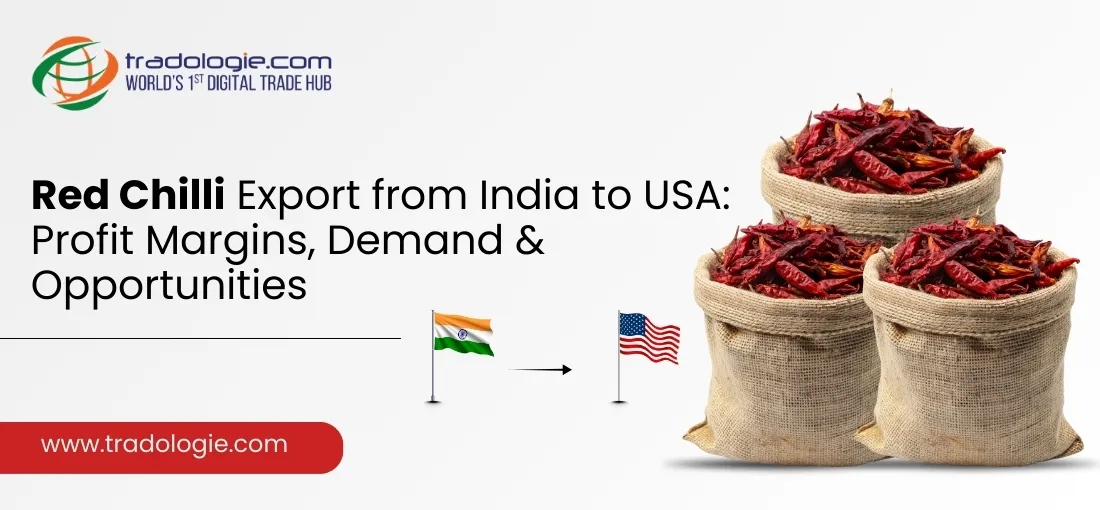
Pragati Natural is known to aggregate organic red chillies and turmeric fingers across Andhra Pradesh and Telangana. Their regional processing units supply wholesale distributors and commercial food blenders in the UAE, Saudi Arabia, Malaysia, and the UK who need reliable color and heat values without heavy-metal baggage.
MRT Organics
Based in Tamil Nadu, MRT Organics leverages southern growing belts for Erode turmeric and Tellicherry pepper. They lean on digital batch tracking and low microbial counts to help their shipments clear strict European and Australian quarantine checks without friction.
Bio Agrisciences
Bio Agrisciences bridges specialty farming groups in the Northeast to international trade routes. They supply high-potency Lakadong turmeric, dried ginger roots, and bird's eye chillies to skincare manufacturers and functional ingredient blenders across North America, the EU, and South Africa.

3 Quality Checks Before Closing the Deal
Because certified organic crops carry a serious price premium over standard commercial grades, your verification process with top organic spices sellers in India has to stay airtight:
- Demand Lot-Specific Transaction Certificates (TCs): A standard annual facility certificate proves very little on its own. You must demand lot-specific TCs generated through APEDA’s Tracenet system, matching commercial invoice weights directly against verified farm yield acreage.
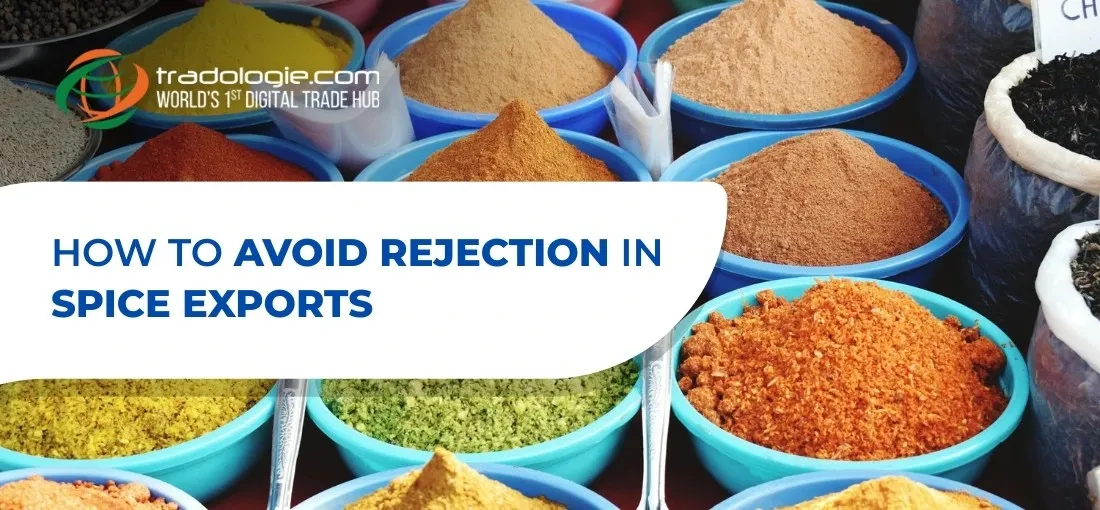
- Screen for Ethylene Oxide and Fungicides: Conventional exporters frequently use cheap EtO gas for rapid sterilization. This method is known to instantly fail an organic import audit. Thus it is important to mandate accredited GC-MS or LC-MS laboratory reports which prove that the batch was steam-sterilized.
- Run ICP-MS Heavy Metal Testing: Root spices like ginger and turmeric absorb minerals straight out of the ground. Require pre-shipment screening for lead, arsenic, and cadmium to ensure the cargo meets destination food safety limits before the container doors seal shut.
The Takeaway
Finding the right partner among the leading organic spices exporters in India comes down to matching your recipe specs to an exporter who has the right physical setup. Whether you need 40-foot containers of whole cumin seeds from Gujarat, high-curcumin turmeric from the Northeast, or liquid oleoresins from Kerala, locking down your lab parameters and checking your Tracenet papers early is what keeps your shipments moving cleanly through port customs. Export seller registration can help exporters take the necessary steps to participate in international trade.
Disclaimer
The information provided in this article is for educational and informational purposes only. Exporter profiles, product offerings, certifications, testing requirements, export markets, and regulatory standards may change over time. Buyers should independently verify supplier credentials, certifications, laboratory reports, transaction certificates, and applicable destination requirements before entering into a commercial transaction.