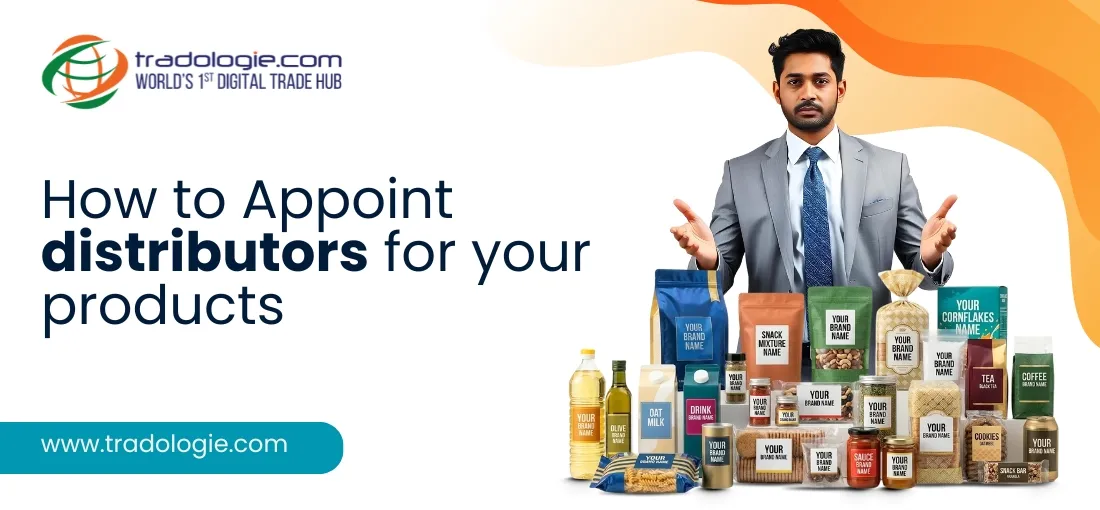
Getting a bulk farm product distributorship takes a few clear steps. First, you must submit a formal application to the main brand. Next, you must prove you have strong finances and good storage. You will need to show tax documents and international trade papers. People usually apply online through a partner portal. Sometimes, they pitch directly to the company at major trade shows. The approval process takes about three to six weeks. After passing the checks, you will agree on your sales area. This area can be exclusive or non-exclusive. Finally, you set up your formal payment terms.
The Huge Size of Global Farm Trade
Moving farm goods around the world is a massive job. It is a very complex system. Ships carry millions of tons of raw goods across oceans every day. Big global producers need local experts. These experts connect the producers to local buyers.
The amount of money involved is huge. The World Trade Organization (WTO) tracks this data. They reported that global farm exports passed $2.2 trillion in 2022. You want a piece of this market. To get it, you must take on some supply chain risks. You have to handle sudden currency changes. You must deal with shifting import rules. You also must follow strict international laws.
Basic Rules to Qualify
Global brands will not just look at any application. You must meet some basic rules first. If you lack the right setup, they will reject you right away.
The Food and Agriculture Organization (FAO) shares an alarming fact. About 14% of all food grown globally is lost before it reaches stores. Bad storage is the main reason for this loss in bulk trade. Because of this, brands demand the following capabilities:
- Cash on Hand: You need enough money to buy full shipping containers upfront.
- Strong Shipping: You must have access to deep-water ports. You also need good delivery fleets.
- Safe Storage: Your warehouses must control the climate. You might need automated grain bins or cold-chain spaces.
- Smart Tech: You must use the Internet of Things (IoT). These smart sensors track heat and moisture during the whole trip.
Required Papers and Rules
You must pass a strict background check. To do this, you need a neat folder of business papers. Moving farm goods across borders is tightly controlled. These rules stop crop diseases and ensure fair labor. You need the right papers to clear customs without delays.
Prepare the items in this table before you apply:
| Category | Papers Needed | Why You Need It |
|---|---|---|
| Business Identity | Trading licenses, Tax ID (GST/VAT), Company registration. | Proves your business is legal to operate in your region. |
| Financial Proof | Audited bank records, Commercial letters of credit. | Shows you can actually pay for huge global shipments. |
| Cross-Border Rules | Phytosanitary Certificates, GLOBALG.A.P. papers. | Proves your goods are free of pests and handled safely. |
| Quality Checks | Independent inspection deals (like SGS certificates). | Gives a fair way to solve arguments if goods spoil in transit. |
How to Apply and Who to Contact
You must take action to get a distributorship. Big companies do not just hand out massive regional contracts. You have two main ways to apply.
- Applying Online: Many modern farm businesses have a "Partner Registration" page on their website. You go there and fill out a digital form. You will list your warehouse size and money health. A computer system usually does the first screening.
- Pitching in Person: The biggest deals often happen offline. The Center for Exhibition Industry Research (CEIR) studies this. They note that B2B trade shows create almost 40% of major global deals. Imagine trying to win a contract for 50,000 tons of soybeans. You cannot just fill out a web form for that.
If there is no online form, you must reach out directly. Find the Regional Sales Director or the corporate trade desk. You can email them. You can also meet them face-to-face at major events like Gulfood or Agritechnica.
The Approval Process and Timeline
Global partnerships take time to build. A simple handshake at a trade show is just the start. The actual review process is very strict. It usually takes three to six weeks.
Here is the step-by-step path:
- Week 1 (First Look): The company looks at your online form. If you met them in person, they review your pitch.
- Weeks 2 to 3 (Deep Check): Financial experts look closely at your business. They check your credit scores and debt. They also look for past trade mistakes or lawsuits.
- Week 4 (Checking Your Space): The brand wants to see your warehouses. They might visit in person or do a digital tour. They will verify your port access and smart tracking tools.
- Weeks 5 to 6 (Signing the Deal): Lawyers write the final contract. This paper sets the rules for damaged goods. It also locks in the final payment terms (like FOB or CIF).
Choosing Your Sales Area
In the final step, you will define your sales area. Your role depends on your budget and market power.
- Master Distributors (Exclusive Area): These partners have a lot of money. They win the exclusive right to sell a product in a whole country. They buy huge amounts straight from the main brand.
- Regional Sub-Distributors (Shared Area): These partners operate in smaller areas. They do not have exclusive rights. They usually buy goods from the Master Distributor instead of the main brand. This role costs less to start. However, you will have to fight other local sellers for business.
How Much Money Can You Make?
Everyone wants to know the profit potential. In bulk farm trade, you do not make a lot of money on a single item. Instead, you make money by moving massive amounts of goods.
A normal bulk distributor makes a wholesale margin of 8% to 15%. This number goes up or down based on the product. Fast-spoiling goods might pay more. High local shipping costs might lower your cut. To make a good profit, you must be highly efficient. You must move thousands of tons of goods quickly. Doing this with very little spoilage is the real secret to strong returns.
A Faster Way with Tradologie
The old way of finding global partners is very slow. It also takes a lot of effort. Businesses are very careful with cross-border deals. The International Chamber of Commerce (ICC) notes a key fact. Commercial letters of credit still back about 11% of all global trade. This shows how cautious the industry remains.
To avoid these long delays, decision-makers are using new digital tools. Platforms like Tradologie are changing the game. They offer a secure B2B matchmaking space. Bulk buyers and global brands can connect here easily. They can check each other's papers online. They can talk about prices in real-time. This digital approach makes the whole application process much faster and safer.
Frequently Asked Questions (FAQs)
How do I apply for a global distributorship online?
Go to the brand's official website. Search for a "Partner Registration" or "Distributor Application" page. Fill out the form. You will need to share your budget, storage size, and local market history.
Who should I contact if there is no application form?
Reach out to the company's Global Trade Desk. You can also message the Regional Sales Director. Going to large B2B trade shows is another great way to meet them.
Can I get an exclusive area for bulk farm products?
Yes, but it is difficult. You must agree to buy massive amounts of product. You must prove you have excellent financial health. You also need better shipping tools than your local rivals.
How much money do I need to become a bulk distributor?
You need a lot of starting cash or strong credit lines. Companies will ask for bank statements. They want proof you can secure Commercial Letters of Credit. This covers huge shipments and protects against currency changes.
How long does the approval process take?
It usually takes 3 to 6 weeks. The brand will screen your first application. Then, they do a deep background check. Next, they inspect your storage facilities. Finally, you negotiate the contract.
Why do distributorship applications get denied?
The most common reason is poor storage. You must have climate-controlled spaces. You also need smart tracking technology. Other reasons include bad finances or not being able to buy enough volume.