Snacking is more than just a daily habit. Today, it is a huge business all over the world. India's tasty snacks and traditional namkeen products are a big part of this global trade. They deserve the close attention of bulk buyers, global importers, and farm trade experts. People all over the world are trying new flavors. This creates a great chance to move these savory foods from Indian factories to global stores. Here is a close look at the namkeen trade. We will focus on market size, farm supplies, and export trends.
How Big is the Snack Market?
The numbers tell a clear story. The IMARC Group shared an industry report in 2024. This report showed that the Indian snacks market reached INR 46,571.3 Crore in 2024. Experts think it will cross INR 1,01,811 Crore by 2033. This means the market is growing by 8.63% every year.
Another report by Business Standard looked just at traditional namkeen. It showed this segment alone hit ₹22,321 crore in 2024. That is a fast growth rate of 17.6% in just one year. For bulk sellers and global traders, these facts are very important. They show a fast-growing market. People are buying a lot of snacks, and they keep coming back for more.
Top Namkeen Products for Selling in Bulk
Building a good list of products for global sales takes planning. You must pick items that give good returns and fit many cultures. The namkeen category is huge. But, some items sell better across borders than others. This is because they last a long time on the shelf. They also travel well without breaking. Most importantly, people everywhere like their taste.
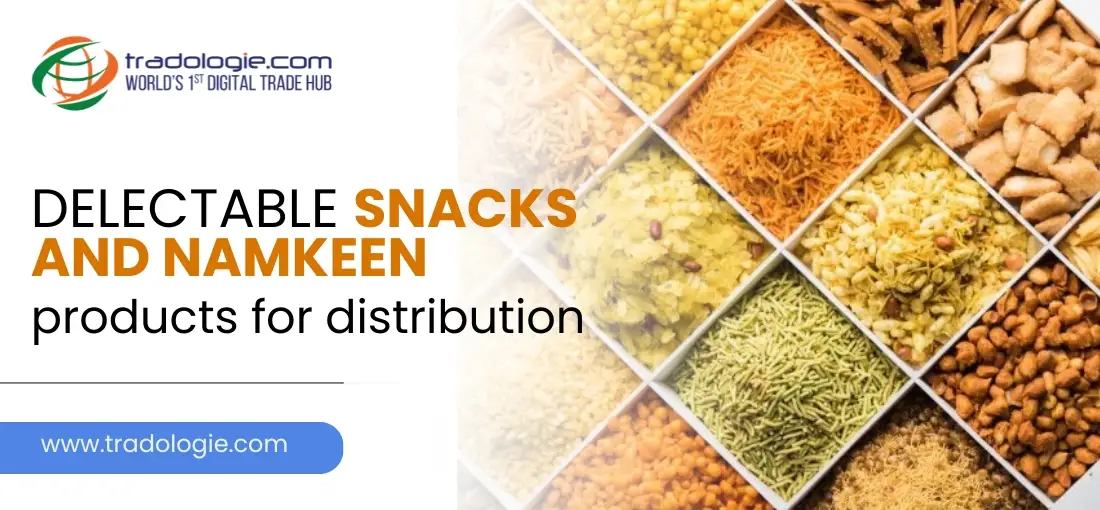
- Bhujia and Sev: These are crunchy snacks made from gram flour (besan). They have bold spices and are known everywhere.
- Moong Dal: This is fried green gram. It gives a simple, salty crunch. It is also packed with protein.
- Mixture (Navratan, Khatta Meetha): These are blends of lentils, peanuts, and flattened rice. They mix sweet, sour, and spicy tastes together.
- Makhanas (Fox Nuts): These are puffed lotus seeds. They are leading the new wave of healthy snacks.
| Snack Type | Main Farm Ingredient | Taste Profile | Best Buyers to Target |
|---|---|---|---|
| Classic Bhujia | Gram Flour (Besan) | Spicy | General shoppers, South Asian families |
| Moong Dal | Lentils | Mild, Salty | All ages, protein seekers |
| Khatta Meetha | Flaked Rice, Peanuts | Sweet & Sour | Families, big supermarkets |
| Roasted Makhana | Lotus Seeds | Nutty, Mild | Health buyers, younger shoppers |
Where the Ingredients Come From
To succeed in the bulk namkeen trade, you must look at the farm supply chain. Making namkeen is tied directly to farming. The main items are chickpeas, lentils, peanuts, and cooking oils. These raw items are traded in huge amounts. This happens long before they ever reach the frying pan.
India grows a massive amount of these crops. The Food and Agriculture Organization (FAO) and APEDA track these numbers. Their data shows India is a top global seller of pulses and spices. These are the exact items that give namkeen its flavor. Sometimes, local crop harvests go up or down. For example, a bad year for peanuts or cumin can change prices fast. This changes how much it costs to export namkeen in bulk. Because of this, smart distributors always watch farm crop reports.
Selling Snacks to Other Countries
People around the world want Indian savory snacks. This has caused a huge jump in global trade. Volza tracks global export data. Their reports for the 2024 and 2025 cycle show India is the top seller of namkeen worldwide. The biggest buyers of these bulk shipments are the United States, the United Arab Emirates, the United Kingdom, and Australia.
A very important point is who is eating these snacks. It is no longer just people from South Asia. Western shoppers are buying them, too. They are adding spicy ethnic snacks to their daily diets. Because of this, global buyers are ordering full shipping containers. They send these snacks to many different stores. These range from small ethnic shops to massive supermarket chains.
Packing Snacks for Long Trips
When shipping goods to other countries, the product must stay perfect. Shipping fragile snacks across oceans is hard work. It requires smart packing methods. A 2025 report by Research and Markets looked at this issue. They found that pouch packaging is the top choice. It currently holds 68% of the market.
For big global shipments, top makers use special bags. These bags have three layers of plastic. The makers also fill the bags with nitrogen gas before sealing them.
- This gas stops the cooking oil from going bad.
- It keeps the snacks crunchy during long sea trips.
Distributors must work with suppliers who use this high-quality packing. If a bag leaks air, the food spoils. This ruins the brand name and causes huge money losses.
The Shift to Healthy Snacking
Fried namkeen still sells in massive amounts. But, the market is changing fast. Today, buyers read food labels very closely. A 2024 "Healthy Snacking Report" by Farmley asked over 6,000 people about their habits. The results showed a major change in what people want.
About 67% of buyers now want makhanas and dry fruits. They prefer these over basic fried snacks. Sellers must notice this change. They need to add new items to their bulk lists.
- They should look for roasted or baked snacks.
- They should pick snacks made from mixed grains.
- They must avoid fake flavors and bad fats.
Doing this is not just a good idea anymore. It is a strict rule if you want to sell to top stores in America and Europe.
Rules for Food Safety and the Future
Trading food across borders means following many strict rules. Every country has different laws. In India, products must meet rules set by the FSSAI. This group recently made new rules to lower salt and bad fats in food. When selling to other places, the food must also pass their tests. For example, it must pass FDA rules in America. It must pass EFSA rules in Europe.
Distributors can get help with this. The APEDA in India offers support and guides. Using their help makes passing these rules much easier. Looking ahead, the best bulk sellers will do two things. First, they will keep selling the popular, traditional namkeen. Second, they will offer new, healthy snacks that can be traced right back to the farm.
Frequently Asked Questions (FAQs)
How big is the Indian snack and namkeen market?
The Indian snacks market reached INR 46,571.3 Crore in 2024 and is projected to cross INR 1,01,811 Crore by 2033, driven by steady, high-volume growth every year.
Which Indian namkeen products are best for bulk export?
The best bulk export products are durable, long-lasting snacks like classic Bhujia, fried Moong Dal, savory mixtures (Khatta Meetha), and roasted Makhanas.
Which countries import the most Indian snacks?
The United States, the United Arab Emirates, the United Kingdom, and Australia are the largest global buyers of bulk Indian namkeen shipments.
How are snacks packaged for international shipping to stay fresh?
Manufacturers use three-layer plastic pouches filled with nitrogen gas to prevent the oils from spoiling and to keep the snacks crunchy during long sea transit.
Is there a global demand for healthy Indian snacks?
Yes. Roughly 67% of buyers now prefer healthier alternatives, creating a massive global demand for roasted, baked, and multi-grain snacks like Makhanas over traditional fried items.
What food safety rules are needed to export Indian namkeen?
Exports must meet domestic FSSAI standards in India, as well as the strict import laws of the destination country, such as FDA rules in the US or EFSA regulations in Europe.