Key Highlights
- Global Production Base: Black pepper thrives strictly in tropical climates, with global farming yields expected to soon surpass 530,000 metric tonnes annually.
- Dominant Supplier: Vietnam reigns as the largest global exporter, producing 34% of the world's supply and exporting over 95% of its crop (valued at >$577 million) by utilizing large-scale, cost-effective farming.
- India's Premium Niche: While Brazil and Vietnam compete on volume, India successfully corners the high-margin premium market (earning >$120M annually) by exporting 20,000–25,000 tonnes of clean, steam-sterilized, and often organic Malabar and Tellicherry grades.
- Profit Economics: A standard 20-foot container holds 14–15 metric tonnes. With total CIF costs around $74,300–$82,000, exporters typically secure a net profit of $15,000 to $25,000 per container.
- Buyer Trends: Western markets are shifting rapidly away from whole raw peppercorns, demanding ready-to-use crushed powders, custom blends, and EU-certified organic spice batches.
- Strict Compliance: Port clearance requires zero-compromise adherence to food safety standards, including Phytosanitary Certificates, Spices Board registration (in India), HACCP factory protocols, and strict ASTA cleanliness rules.
The global spice trade is complex. It is also highly profitable. Success requires a deep understanding of farm supply chains. You also need to track global economies and trade shifts. At the center of this business is black pepper export.
People often call black pepper the "King of Spices." It is a basic need in global food processing. Bulk traders must understand profit margins. They also need smart buying strategies. Knowing the major market players is just as vital.
Many market guides only give basic summaries. However, winning in bulk farm trade takes more effort. You must look at exact costs per unit. Strict quality checks are required. You also need to study total crop numbers. This guide offers a clear, business-to-business look at the market. It targets global buyer demand and breaks down the real profit you can make per container.

1. The Global Landscape of the Black Pepper Export Business
Working in the black pepper export sector takes skill. You must deeply understand global supply and demand. This spice does not grow everywhere. It needs specific tropical climates. It requires heavy rain and good soil that drains well.
Because of this, the world relies on a small group of nations. These few countries must feed a massive global appetite.
- Total Output: Global pepper farming will soon pass 530,000 metric tonnes a year.
- Data Sources: This data comes from the International Pepper Community (IPC) and the Food and Agriculture Organization (FAO).
- Market Stability: This huge volume shows that black pepper is a very stable crop to trade.
The export market has major buyers. These include large food brands and medical companies. Global retail sellers buy huge amounts too. To succeed here, you need a smart plan for buying. You must buy in bulk to save money. You also need backup plans when farm harvests fail.
To succeed in this massive global market and connect with these large food brands directly, you need a smart digital strategy. Tradologie provides a dedicated platform to reach major buyers and stabilize your bulk export operations.
2. Identifying the Top Black Pepper Producing Countries
You need a safe supply chain to win in this business. Bulk buyers and sellers must watch the top black pepper producing countries. Weather changes, like bad monsoons, change crop sizes. Bad soil can also hurt the harvest. These factors change global prices fast.
Knowing the top 10 black pepper-producing countries is a smart move. It gives traders backup options if one country has a bad crop year.
Here is a list of the major countries that control global supply. This is based on average yearly harvests:
| Rank | Producing Country | Yearly Output (Metric Tonnes) | Market Details |
|---|---|---|---|
| 1 | Vietnam | 163,000+ | Huge commercial farms. Massive export setup. |
| 2 | India | 74,000 - 85,000 | Focuses on premium quality. High local use. |
| 3 | Indonesia | 58,000 - 65,000 | Known for regional types like Lampung. |
| 4 | Brazil | 40,000 - 45,000 | Strong in the Americas. Very low prices. |
| 5 | China | 30,000 - 35,000 | Huge local use. Grown mostly in Hainan. |
| 6 | Sri Lanka | 18,000 - 20,000 | High oil content. Growing export market. |
| 7 | Malaysia | 15,000 - 18,000 | Famous for Sarawak pepper. Good processing tech. |
| 8 | Thailand | 8,000 - 10,000 | Special local trade. Growing organic farming. |
| 9 | Madagascar | 4,000 - 5,000 | Gourmet market focus. Very strong smells. |
| 10 | Cambodia | 2,500 - 3,500 | Famous Kampot pepper. High premium prices. |
These black pepper producing countries set the starting prices for the world. If Vietnam gets good rain, prices stay flat. If India or Brazil faces a drought, prices shoot up. This changes the profit you make on future export deals.
3. Vietnam: The Largest Exporter of Black Pepper
Growing a lot of crops is great. But having good ports and factories is what wins global trade. Right now, the largest exporter of black pepper is Vietnam.
Vietnam grows about 34% of the world's pepper. Amazingly, they export over 95% of what they grow. They have built an amazing system.
- They invest in modern cleaning factories.
- They use machines to sort the spice by size.
- They have strong tracking systems to prove where the spice came from.
Because of this, Vietnam is the standard for all black pepper exporting countries. Trade data shows Vietnam exports over $577 million of black pepper a year. Their farming uses chemicals to get the biggest harvest possible. This lets them offer very low prices.
Buyers in Europe and America love Vietnam. Vietnam offers steady supply amounts. This makes them the top choice for bulk industrial buyers.

4. Analyzing Black Pepper Export from India
Vietnam and Brazil sell huge amounts at low prices. Even so, black pepper export from India is still very strong. It is a highly profitable market.
India is where black pepper originally came from. Their farms still grow the most famous premium types. The Malabar and Tellicherry grades are known worldwide. India usually exports between 20,000 and 25,000 metric tons a year. This makes them over $120 million.
Most of this pepper export from India leaves from southern ports. Kochi, Tuticorin, and Chennai handle the bulk of this trade. Indian sellers do not try to match Vietnam's low prices. Instead, they sell on quality.
- They focus on better taste and strong essential oils.
- They use strict organic farming methods.
- They clean the spice with steam instead of harsh chemicals.
Buyers all over the world want clean, safe spices. Indian companies charge more for this quality. They lock in long deals with luxury spice brands in Europe and America.
5. Global Buyer Demand & Import Market Trends
Your bulk trading business will only work if you know what buyers want. Consumer tastes change fast today. People are changing how they eat. Processed food companies are growing. Food safety rules are also getting much stricter.
Right now, the biggest buyers of black pepper are the USA, the UK, Germany, the Netherlands, and the UAE. Trade numbers show a few clear buying trends:
- The Move to Organic: Europe is getting strict. Buyers want EU Organic proof. They want spices grown without bad bug sprays. Sellers who offer clean spices make much more money
- Ready-to-Use Spice: In the past, buyers just wanted whole, dried peppercorns. Now, buyers in America and the Middle East want crushed pepper. They want fine powders. They even ask for custom spice mixes straight from the factory.
- New Asian Buyers: Countries like China and Thailand are buying more. They need it for their own food factories. This creates fast, new sales routes for smart sellers.
6. Financial Breakdown: Estimating Profit Per Container
For business owners, the black pepper export business comes down to simple math. You need to know the profit of one shipping container.
Usually, traders ship black pepper in 20-foot containers. They pack the spice in 25kg or 50kg bags. One full 20-foot container holds about 14 to 15 metric tonnes of whole black pepper.
Let's look at the basic costs for one shipment. These are rough estimates in US Dollars for standard grade pepper:
| Expense or Revenue Item | Estimated Cost (per 15 Tonne Container) |
|---|---|
| Buying the Raw Spice | $70,000 - $75,000 |
| Cleaning and Sorting | $1,500 - $2,000 |
| Bags and Wooden Pallets | $500 - $800 |
| Trucking to Port and Customs | $800 - $1,200 |
| Ship Freight (Changes by port) | $1,500 - $3,000 |
| Total Cost to Ship (CIF) | $74,300 - $82,000 |
| Expected Selling Price | $90,000 - $105,000 |
| Clear Profit Per Container | $15,000 - $25,000 |

Based on standard market rules, sellers aim for a 20% to 30% profit margin. However, these numbers can change.
- Currency changes can eat your profits.
- Shipping costs go up and down.
- Bad weather can make the raw spice cost more.
Smart traders use contracts to lock in good prices during the harvest season.
7. Quality Assurance and International Trade Standards
You must follow global food safety rules to survive in this trade. There is no way around this. Big buyers in Europe and America will reject bad shipments. If your container is rejected, you will lose a lot of money.
Running a legal export business means you need the right paperwork. You must have strong quality checks. Here is what you need:
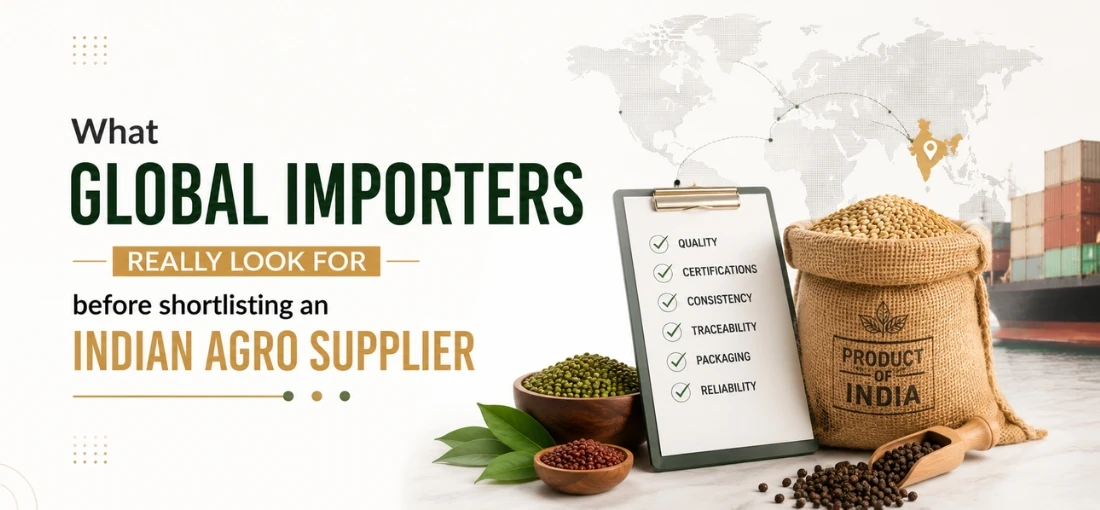
- Plant Health Papers: Your local farm office must check the goods. They issue a paper saying the spice has no bugs or plant diseases.
- Government Registration: In places like India, you must register with the Spices Board. This acts as a stamp of trust for global buyers.
- Factory Safety (HACCP): Your cleaning factories must be spotless. You need systems to make sure no dangerous items enter the spice bags.
- ASTA Clean Rules: America uses rules from the American Spice Trade Association. They only allow a tiny amount of dirt or twigs in the spice.
If you keep your paperwork perfect, customs will clear your goods fast. It also builds deep trust with smart buyers. They will keep buying from you because they know your supply is safe.
To showcase your flawless paperwork and strict quality standards to a global audience, joining a secure digital platform is the next logical step. Tradologie allows compliant exporters to bypass the noise and instantly match with serious importers who value safety and quality above all else.