
The Philippines has a very active ecosystem of rice importers, from the busy commercial terminals in Manila to the large distribution networks in the Visayas and Mindanao. These buyers handle huge shipments of goods to help with domestic production and make sure that there is enough food for a population that is growing quickly.
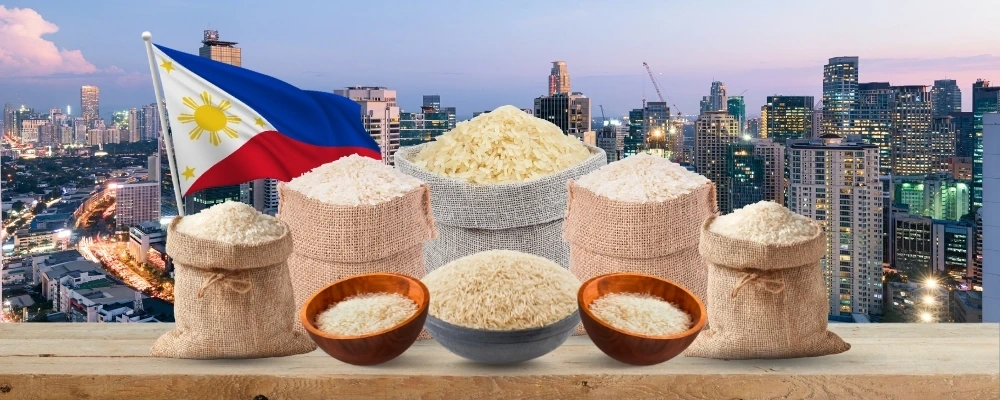
Rice importers in the Philippines primarily source massive quantities of standard white rice, fragrant varieties, and broken rice from Southeast Asia and beyond. Notably, Vietnam rice importers in Philippines handle a large share of this trade, while the growing trend of rice export to Philippines from India makes bulk shipments a highly lucrative enterprise for global suppliers.
Expand your agricultural export business by connecting with the largest rice importers in Philippines and accessing one of the world's most consistent and high-volume consumer markets. Making connections with verified buyers in the busy trade zones of Metro Manila and beyond is crucial, regardless of whether you want to supply private, mid-scale rice importers in the Philippines or large agricultural conglomerates.
Due to an innate need to maintain food security, the Philippines frequently ranks among the top importers of rice worldwide. The baseline consumption of this staple grain in the country, which has a population of over 115 million, is astounding. This dynamic market's commercial food infrastructure is largely dependent on consistent imported rice volumes to fill the frequent gaps in domestic yields, which are frequently brought on by seasonal typhoons and a lack of arable land.
The country generally imports between 3 million to 4 million Metric Tonnes of rice annually, depending on domestic harvest conditions, storm impacts, and local market prices. In recent trade cycles, this represents a multi-billion dollar opportunity in global agricultural trade.
For top Philippines rice importers, Luzon-based ports play a central role in this logistics ecosystem. As the nation's primary consumption base and commercial hub, buyers in the National Capital Region handle the vast majority of import volumes. They act as the primary distribution gateway, pushing stock out to provincial retailers and institutional buyers. This makes Philippine rice importers exceptionally strategic partners for global exporters seeking consistent, high-volume contracts.
It is also an expanding market for commercial-grade procurement. B2B rice importers in the Philippines procure bulk grain to sell to local food manufacturers, institutional caterers, and the retail sector. Tradologie is among the leading business development platforms that provides direct access to the most active rice buyers in Philippines and other global markets.
Rice is the most important food in the Philippines. A lot of this demand comes from people who use it a lot every day. This culture eats rice with almost every meal. You can't always get everything you need from the country, even though it grows a lot of rice. This dependence creates a huge, long-lasting chance for any major rice importer in Philippines to secure outside sources of supply.
The market depends heavily on international channels for standard milled white rice, which is required to keep retail prices stable. Once imported, this grain becomes a vital staple distributed across multiple channels. It sees heavy daily use in HORECA (Hotel, Restaurant, and Café) supply chains, government procurement programs, and organized retail markets.
A well-established network of private importers, empowered by recent trade liberalization laws, successfully facilitates this widespread distribution. Engaging this market and connecting with genuine Philippine rice buyers is highly accessible for informed exporters. You can negotiate orders directly with these genuine, licensed buyers on Tradologie.
Beyond direct retail consumption, the country also functions as an active processing market. The nation absorbs substantial international shipments, making broken rice buyers in the Philippines highly active. Once imported, this specific raw material undergoes commercial transformation. The grain is transformed by nearby manufacturing facilities into well-liked consumer goods like traditional snacks and bihon rice noodles. It also goes through a lot of processing to create essential feed for the country's large poultry and swine industries. This dynamic ultimately improves the country's reputation abroad. More than just a normal buyer, the Philippines serves as a highly strategic, high-frequency anchor for global agricultural exports.
Metro Manila and the rest of Luzon are without a doubt the center of the Philippine rice trade. Exporters must understand the dominance of this particular region if they want to get big contracts.
Developing relationships with active Manila rice buyers means working with high-capacity traders who have the infrastructure for distribution and warehousing required to transport your export volume across the entire archipelago.
Top rice buyers Philippines manage a highly stratified supply chain. They source specific grades of grain to meet the distinct needs of varying consumer classes and commercial industries.
Specialty and Fragrant Rice
The main things that specialty rice buyers in the Philippines look for are good taste, smell, and presentation.
Functional and Health-Oriented Rice
These kinds of foods are good for both traditional cooking and new health trends.
Broken and Standard Non-Basmati Rice
This is the absolute "workhorse" category of the Philippine import market. It focuses heavily on high-volume utility, affordability, and broad retail distribution.
The Philippine rice import ecosystem is supported by integrated maritime logistics and better port infrastructure. This makes sure that agricultural shipments can be handled smoothly across an archipelagic country.
Tradologie's reliability and technological competence in the agro-trade sector can help your bulk rice business grow significantly. We are among the rare platforms dedicated exclusively to the food commodity sector. Here are some of the benefits of exporting rice with our platform:
Ready to expand the buyer base for your rice export business in one of the world's most consistent markets? Book your free demo with us today and see for yourself how simple and efficient it is to network with verified rice importers Philippines and turn digital inquiries into massive purchase orders.
Join Tradologie - the smarter way to expand internationally.