Tradologie
  • pigeon pea toordal

Pigeon Pea (Toor Dal)


Minimum Order Quantity : 5 Metric Tonnes (MT) — though 1 Full Container Load (FCL, approx. 18-24 MT) is often standard for international pulse trade.

Packaging Types : 25 kg or 50 kg PP woven bags, jute bags, jumbo bulk bags (1 MT), or customized retail packaging (1kg, 2kg, 5kg).50 kg PP woven bags, 25 kg jute bags, or jumbo bulk bags (1 MT) for large orders.

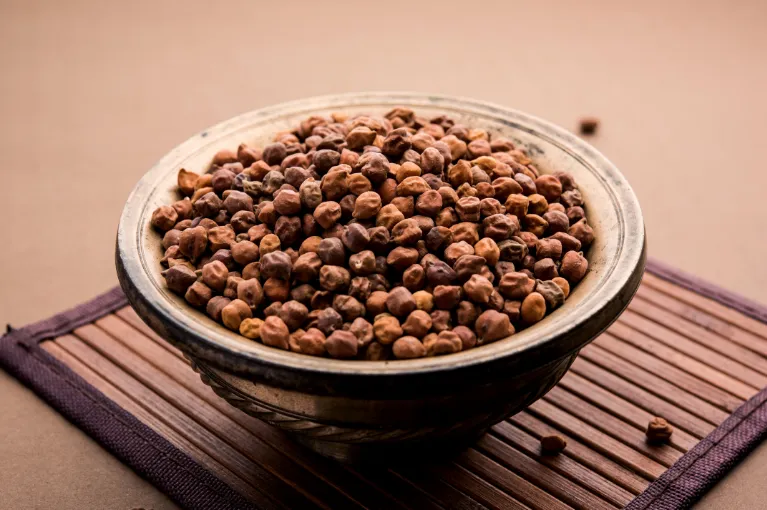
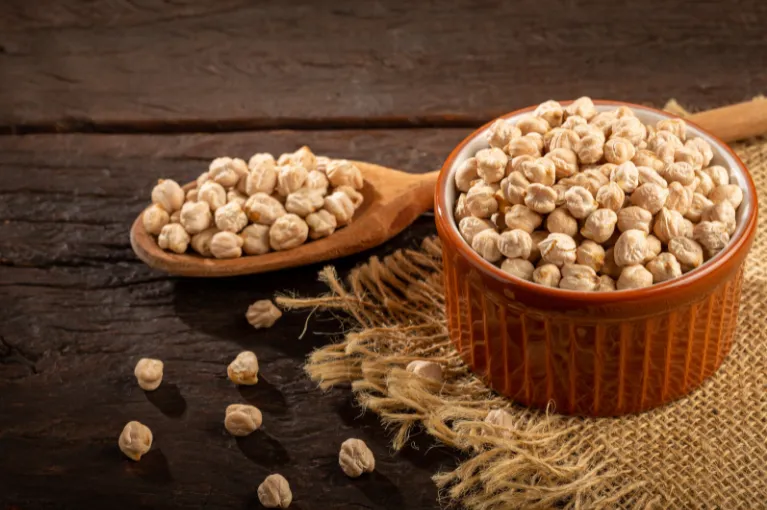
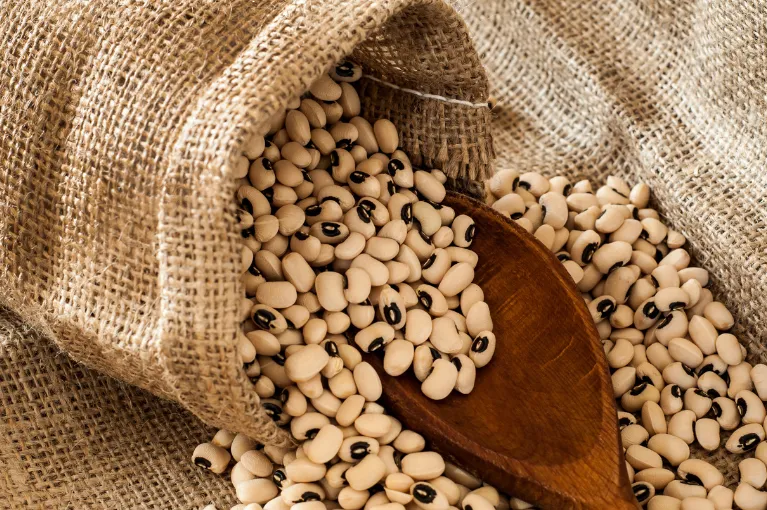
Forms Available: Whole pigeon peas (typically brown or green), split and de-husked (yellow split peas / Toor Dal), and pigeon pea flour.Whole shelled black eyed peas (light cream / pale skin), lightly polished / cleaned.

Shelf Life : 12-24 months (when stored in cool, dry, well-ventilated, and insect-free conditions).

Moisture Content : ≤ 12% (standard for export dried pulses to prevent fungal growth).

Purity : ≥ 98% to 99% (Sortex clean for premium human food grade; free from foreign matter).

Origin : Global: India, Myanmar, East Africa (Tanzania, Malawi, Mozambique, Kenya), and parts of Latin America.

HS Code : 0713.60 (Dried, shelled pigeon peas / Cajanus cajan).

Certifications : ISO 22000, ISO 9001, HACCP, GMP; Organic variants: USDA Organic / EU Organic / NPOP (India); Phytosanitary & fumigation certificate


Facilitated by Tradologie.com

veg icon

This is a Vegetarian product.


Pigeon Pea: A Guide to Varieties, Grades, and Global Trade

Pigeon Pea (Cajanus cajan), commercially known as Red Gram or Toor, is a dominant commodity for those looking to buy pigeon pea bulk. The commodity is valued by pigeon pea export India firms and international buyers for two key characteristics: 'protein efficiency' and 'agronomic resilience'. Furthermore, pigeon pea benefits global nutrition as pigeon pea is a good source of protein and dietary fiber. While it is often found in retail as split pigeon peas (Toor Dal), high-grade 'Whole Pigeon Pea' for international import is a standardized raw material.

For the global pulses industry, this legume is a staple ingredient. Apart from offering a nutty and savoury flavour profile that forms the base of curries and stews, it works as a critical input for the canning and frozen food sectors. Commercial Pigeon Pea is distinct from other varieties labeled as “field beans.” It has specific processing requirements as it is not often eaten raw and must be dehulled and split before consumption. This crop is not only an edible commodity; its waste, or rather its “by-products”—such as the external husks and broken grains—can be sold as premium animal feed and thus make Pigeon Pea a zero-waste crop in the regions where it is sold.



PRODUCT SPECIFICATIONS

 
Parameter Standard / Limit
Purity Min 97% - 99% (Cleaned/Graded)
Moisture Content Max 10% - 12% (Critical for shelf life)
Foreign Matter Max 1.0% (Organic/Inorganic)
Weeviled Seeds Max 2.0% - 3.0% (Strictly monitored)
Protein Content Min 20% - 22%
Size/Count 4.0mm - 6.0mm (Varies by origin)
Damage/Discoloured Max 2.0% - 4.0%
Aflatoxin < 20 ppb (Export Standard)
Admixture Max 2% (Other varieties)

Critical Note: Buyers must specify Origin and Form (Whole vs. Split) in the purchase order. High moisture content (>14%) or evidence of "Bruchid" beetle infestation often indicates improper post-harvest storage or lack of fumigation, a common trade issue that leads to cargo rejection at the port of entry


TYPES, GRADES & VARIANTS

The product is divided into primary categories in the B2B pigeon pea market based on the processing stage and end-use application.

  • Whole Red Gram (Raw Material): Famous for its hard seed coat and reddish-brown to beige colour. This type is the primary volume driver for industrial mills (Dal Millers), where it is de-husked and split. It is traded in bulk loads, particularly from African origins to Indian processing hubs.
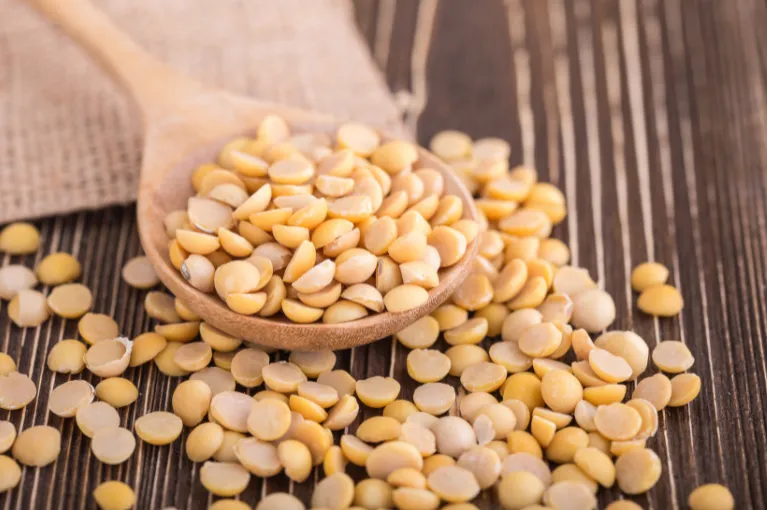
  • Split Pigeon Pea (Toor Dal): A processed variety with the husk removed, commonly traded as pigeon pea dal. It is available in Oily (Castor/Edible Oil treated) to preserve shelf life and lustre, or Plain (Dry/Water Polished) for immediate consumption. This grade is highly sought after by retail packers and private label brands.
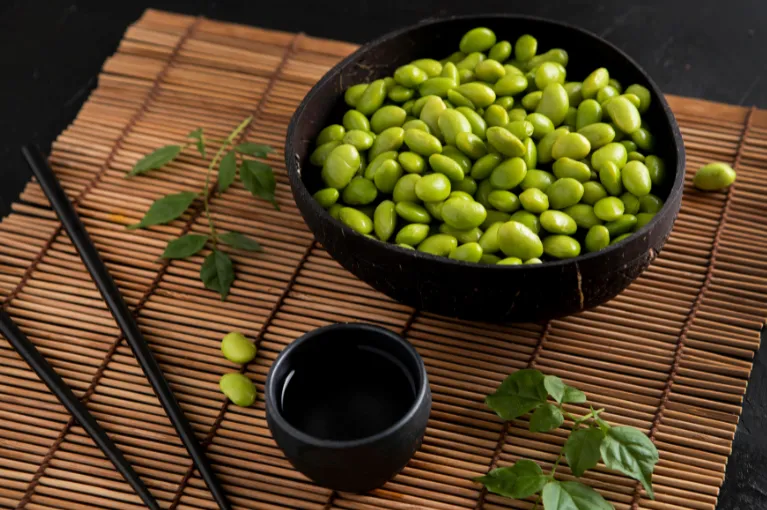
  • Green Pigeon Peas: This specific variant is harvested before maturity while the pods are still green. It is traded separately, frequently for the frozen food and canning industry, and is used specifically as a vegetable similar to garden peas.
  • Lemon Toor vs. Arusha: These are origin-specific trade names. "Lemon Toor" (Myanmar) is a preferred variety for its consistent size and easy processing, often commanding a benchmark price, whereas "Arusha" (Tanzania) is valued for its boldness and quality closer to Indian domestic crops.
 

APPLICATIONS & END-USE MAPPING: Pigeon Pea

The versatile pigeon pea is used across multiple sectors, from large-scale milling to animal nutrition.

Food Processing (Industrial)

  • Milling & Dehulling: This is the primary industrial application. Raw whole peas are processed to produce "Dal" (Split Pigeon Pea). The recovery rate (yield of dal from whole pea) is a critical commercial metric for millers, making the size and uniformity of the raw material essential.
  • Canning & Frozen Foods: In the processed food market, fresh green pigeon peas are frozen or canned in brine. This product helps to serve the export market in the Caribbean and the Americas, where fresh availability is limited.

Retail & HORECA

  • Culinary (Staple Diet): This pulse is marketed as a daily protein essential. It serves as the foundation for Indian dishes like "Sambar" and "Dal Fry." In order to appeal to consumers who are health-conscious, marketing kits frequently highlight "Unpolished" varieties as having no artificial shine or chemical additives.
  • Ready-to-Eat (RTE): In the convenience sector, pre-cooked pigeon pea curries are retorted and packaged. The pulse's ability to retain shape under high-heat sterilization makes it a favourite choice for retort pouch manufacturers.

Animal Feed

  • Chuni (Husk & Powder): The by-product of the milling process, known as "Chuni," is a protein-rich feed. It is highly valued in the dairy industry for cattle feed mixes to enhance milk production.
 

SUPPLY & DEMAND COUNTRIES

Top Producing Countries & Export Hubs

  • Production Leaders: When it comes to pigeon pea cultivation, India is without a doubt the leader. The semi-arid areas of the states of Madhya Pradesh, Karnataka, and Maharashtra are home to the main centres of its production. The nation's status as a net importer is strengthened by the surprising fact that domestic demand greatly exceeds domestic supply.
  • Key Export Hubs: For instance, the Asian region relies significantly on the exports of the Myanmar crop, especially the Lemon Toor crop, which ultimately sets the price of the crop in India itself. For the East African region, competition has made them specialized centers to export pigeon peas, specifically varieties like Arusha and Gajyo.

Top Importing Regions

  • India: India holds the first place as the primary single buyer of Pigeon Pea, setting price directions globally. It imports millions of tonnes to fill in the demand-supply gap between domestic production and consumption, procuring from Myanmar and East Africa, even under quota or duty-free regimes imposed by governments.
  • North America & UK: The static market of ripe importers comprises the United States, Canada, and the UK. They are strong importers of processed Split Pigeon Pea (Toor Dal) due to the South Asian/Caribbean communities. They are major importers of premium “Oily Toor” (Castor Oil-treated) for better preservation and SHELF LIFE.
  • UAE & Middle East: In the region, Dubai plays an important role as a transit and re-packaging centre. The focus here is on the importation of raw materials in bulk quantities, followed by addition through cleaning, polishing, and grading to re-export the product to the West and the GCC countries. Connecting with a reliable pigeon pea supplier in these regions is critical for securing consistent volume.
 

GLOBAL MARKET OVERVIEW

  • Current Market Valuation: Estimated ~USD 4.0 - 6.0 Billion (Global Pigeon Pea Market).
  • Forecast: Expected steady growth aligned with population rise in consumption zones.
  • CAGR: Projected growth of 4.0% - 6.0%.
  • Market Scope: Covers whole raw seeds, split dal, and frozen green peas.

buyer registration


KEY DEMAND DRIVERS

  • Vegetarian Protein Shift: Developing nations have recognized that affordable plant protein is a major concern, and pigeon peas have been identified as one of the most affordable protein sources, especially when compared to other meat products, which are far more expensive, and has even been classified as an essential item, subsidized by many governments, given that animal protein is out of reach.
  • Food Security Policies: Governments have begun to view strategic buffer-stocking as an important strategy in combating inflation, and in that case, pigeon pea is the best crop because it has a longer shelf life, provided it is duly fumigated.
  • Popularity of Ethnic Foods: As Indian and other Caribbean cuisines become more well-known globally, there is a greater need for exports. The demand for pigeon pea varieties, such as Oily Toor, is increasing in the West as more people become familiar with Dal, Rice and Peas.

PIGEON PEA: PRODUCTION, SUPPLY & MARKET RISKS

Global Production Hub

India is the deciding factor in global pigeon pea pricing, but the East African harvest window provides a critical counter-seasonal supply that stabilizes global stocks.

Supply Chain Dynamics

  • Harvest Time: The agricultural cycle is distinct. India harvests the Kharif crop from December to January. In contrast, the East African crop arrives from August to October, filling the supply void in the Asian markets.
  • Peak Market Arrivals: Following the harvest, trade volume spikes. The highest volume of "Lemon Toor" and African origins officially enters the trading hubs just before the Indian harvest begins. This strategic timing helps moderate prices during the lean season.

Market & Quality Risks

  • Moisture & Infestation : Pigeon peas are highly susceptible to "hidden infestation" by insects. If the cargo is not fumigated correctly before sailing, weevils can multiply inside the container, causing massive volume loss and "powdering" of the grain.
  • Government Policy : Trade is susceptible to abrupt changes in policy because it is a crop that ensures food security. To protect local farmers, governments may immediately ban imports, restrict quotas, or raise duties; on the other hand, they may lower duties to zero in order to reduce domestic inflation. Additionally, agronomic conditions such as wilt of pigeon pea (Fusarium wilt) can severely impact crop yield and availability.

EXPORT & IMPORT TREND ANALYSIS

  • Demand: Demand for the product is on a consistent upward trend due to the growing population in South Asia and Africa.
  • Value: Although the volume is high, margins can be tight; value is driven by "Yield Recovery" percentages—how much usable Dal can be recovered from the raw whole pea.
  • Key insight: More buyers are opting to source "Desi" varieties grown in Africa (like the Arusha variety) as they closely mimic the taste and cooking time of the premium Indian domestic crop.

PRICE & BULK COST INDICATORS

  • Raw / Whole Grades: The pigeon pea price per ton generally ranges between $600 to $900 (CNF).
  • Processed Split Dal: Finished sortex-cleaned Dal trades at a premium, ranging from $1,100 - $1,500 per Metric Ton (prices vary based on polish quality and packaging).
  • Lemon Toor (Myanmar): Often serves as the price benchmark. It typically commands a slight premium over African origins due to better uniformity and lower moisture risks.
  • Market Volatility: Note: Figures are indicative. The final pigeon pea price is highly sensitive to the Indian monsoon progress (June-September) and Government MSP (Minimum Support Price) declarations.

HSN / HS CODE & TAX CLASSIFICATION

  • HS Code (Global): 0713.60.00 (Pigeon peas - Cajanus cajan, dried, shelled).
  • Indian HSN Code:
    • 0713 60 00: Pigeon peas (Tur/Red Gram) - Whole.
    • 0713 90 10: Split Pigeon peas (Tur Dal).
  • Taxation: Generally exempt from GST (0%) in India if unbranded/bulk, but branded retail packs may attract 5%. Import duties fluctuate significantly (0% to 10%) based on current Government mandates.

BUYER EXPECTATIONS & TRADE REQUIREMENTS

  • Cooking Quality is the most important quality indicator. The buyer will not accept "Hard-to-cook" seeds, which is an indication of old crop stocks or poor soil conditions (Hard Seeds).
  • Size Uniformity is non-negotiable for millers. There should be a uniform grain size to ensure the dehulling machines operate efficiently without breaking the seeds.
  • Fumigation is strictly regulated. There are strict specifications for Methyl Bromide or Phosphine fumigation to ensure the cargo arrives free of live insects and weevils.

LOGISTICS, PACKAGING & TRADE TERMS

  • Packaging Requirements: The whole pigeon peas are hardy and require air circulation lest moisture accumulation occur. The 50kg PP or Jute bags are recommended as a container for large bulk shipments to ensure proper air circulation. The whole pigeon peas need additional features when they are processed as "Oily Dal" because they require inner HDPE bags within the major bag to circumvent oil percolation issues, which otherwise cause discoloration of the packages and compromise stacking. The vacuum-seal trend from the retailers' end for packages of 1kg to 5kg to delay oxidation of the pigeon peas promotes shelf life.
  • Storage and Shelf Life: Keep goods off the ground by storing them on pallets in cool, dry, and well-ventilated warehouses. When combined with regular bruchid beetle fumigation treatments, large quantities of pigeon peas can be stored for 12 to 18 months.
  • Incoterms: CNF/CIF (Cost, Insurance, and Freight) is used for the transportation of bulk pulses to prominent Indian ports, namely Nhava Sheva, Chennai, and Mundra, as the buyers may cover the insurance claims. The usage of FOB (Free on Board) is observed in containerized exports targeting the Western market, where buyers have the complete freedom to choose the freight routes.

REGULATORY COMPLIANCE & CERTIFICATIONS

  • Mandatory Compliance (Indian Market):
    • FSSAI (Food Safety and Standards Authority of India)
    • PQ Order (Plant Quarantine Order) - Critical for imports to prevent pest entry.
    • Non-GMO Certificate (Generally required as most commercial pigeon pea is non-GMO).
  • Specific Requirements for EU Market Access:
    • Strict adherence to Pesticide Residue Limits (MRLs), specifically for Glyphosate and desiccants used during harvesting.
  • Certifications for Premium/Specific Markets:
    • AGMARK grading is a value-add for domestic Indian trade.
    • Kosher & Halal certification is often requested for processed/canned pigeon pea products.

FUTURE OUTLOOK & OPPORTUNITIES

  • Protein isolates: Pulse protein concentrates are in high demand in the food industry. The protein that is extracted from pigeon peas and used to make meat alternatives and dairy-free products is less expensive than pea protein itself.
  • Climate resilience: The current scientific advancements are propelling the development of short-duration varieties, which take less than 120 days to mature. The shift is in response to the risk-yield trade-off and provides rain-scarce farmers with the equivalent of releasing another block of land for a second crop in the same year.
  • Origin branding: Exporters receive a competitive advantage with the application of Geographical Indications (GI) to varieties such as Gulbarga Tur. The premium pricing for the export market is derived from the product’s superior taste and cookability being certified.

TRANSPARENCY & DISCLAIMER

A brief word of warning: market information, price markers, and trading parameters are subject to change based on harvest patterns, import duty revisions, and exchange rate fluctuations. The nitty-gritty specifics in this regard are of a general nature; the interested buyer is advised to check the particulars (Moisture %, Foreign Matter, Weeviled Count) with the seller through a Certificate of Analysis (CoA) prior to acquisition. No specific trading result is implied.

Get in Touch

Frequently Asked Questions

It is a perennial legume (Cajanus cajan) widely grown in tropical regions, known as Toor in India and Gandules in the Caribbean.

The global standard HS Code is 0713 60 00.

Oily Toor is treated with edible oil (like castor) to preserve moisture, prevent insect attacks, and extend shelf life during storage. Nylon or Plain Toor is not treated.

Lemon Toor is a variety from Myanmar known for its light colour and uniformity, while Desi Toor refers to indigenous Indian varieties known for superior taste but variable size.

Pigeon Pea is naturally gluten-free and is a primary protein source for gluten-intolerant populations.
Need more help?