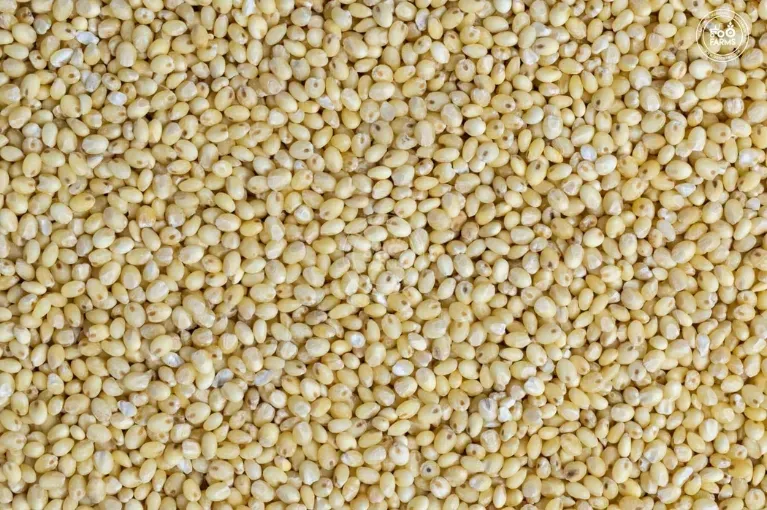
Finger Millets (Ragi): A Guide to Varieties, Grades, and Global Trade
Through this guide, we provide a precise, trade-oriented overview of how this agricultural product is processed, graded, quality-validated, certified, priced, and moved through global supply chains to meet the technical expectations of bulk buyers.
Technical Overview for Trade and Bulk Procurement
Known scientifically as Eleusine coracana, the term for finger millet in hindi is ragi, though this versatile ragi grain is also referred to in the trade as kurakkan or wimbi. Commercially, it is a cornerstone of the global gluten-free grain, infant nutrition, dry-mix extrusion, and commercial malting trade. Finger millet's or ragi's naturally occurring calcium, dietary fibres, and complex amino acids are highly protected by its robust seed coat; therefore, its highly nutritious, earthy, and mildly sweet flavour profile requires careful moisture-controlled storage in order to fully maximise finger millet nutrition and finger millet benefits. Because of its many uses (for human consumption, brewing, and avian feed), finger millet in India has become the industry standard for climate-resilient staple crops, a trend mirrored in East Africa and a significant chunk of the EU health-food sector. As a result, there is a thriving finger millet trade among buyers.
The biochemical integrity and physical consistency of Finger Millets are critical for industrial food manufacturers and malt compounders who buy in bulk. The raw harvested panicles are threshed and sorted before being subjected to advanced cleaning processes (such as optical Sortex machines), causing them to be reduced to uniform kernel batches without retaining agricultural impurities—a particularly demanding process given the grain's exceptionally small, mustard-seed-like size. Its retained nutritional profile and complex carbohydrates make it the preferred raw material for dry infant food manufacturing, where the "healthy-halo" must be authentic and verifiable—a distinct advantage over refined wheat or rice that lack similar micronutrient and calcium densities.
While commonly found in retail as standard whole grains or stone-ground flour, high-grade material is engineered for specific "Nutritional Profiles" and physical formats (defined by Color and Foreign Matter limits). The process involves cleaning the whole grains under strictly controlled conditions to remove micro-stones (silica) and prevent the dark reddish-brown grains from spoiling due to excess moisture.
Due to its robust nutritional density, it works differently depending on the purity and grade specified by the buyer. It can be milled directly into instant porridge mixes, processed into industrial malting formulations, or extruded into health-food snacks. Manufacturers who opt to purchase premium sortexed finger millets in bulk guarantee superior processing efficiency and extended shelf-stability, even though the flour must be packaged correctly to prevent moisture absorption once the grain is ground into ragi flour. This necessitates superior barrier packaging to preserve freshness and prevent mold.
PRODUCT SPECIFICATIONS
Parameter
Standard / Limit
Moisture Content
Max 10.0% - 12.0% (Crucial to prevent mold/fungus)
Protein Content
Min 7.0% - 10.0% (Origin & Grade Dependent)
Foreign Matter
Max 1.0% - 2.0% (Micro-stones, dust, other seeds)
Broken / Damaged Kernels
Max 1.5% - 2.0%
Weevilled Grains
Max 1.0% to 2.0% (Crucial for export compliance)
Pesticide Residue (MRL)
Strictly Controlled (Crucial for EU/US compliance)
Color
Reddish-Brown to Deep Purplish-Brown
Microbiology (Salmonella)
Absent in 25g (Crucial for EU/US human consumption)
Aflatoxin (B1, B2, G1, G2)
Strictly Controlled (Max 15 - 20 ppb depending on region)
Ergot / Fungus
Strictly Controlled / Absent
Critical Note: "Foreign Matter" (specifically sand and micro-stones), "Moisture Content," and "Aflatoxin Limits" are the major specifications for Finger Millets. Premium buyers require "100% Sortex Cleaned Ragi," where the product offers a clean, uniform appearance and a safe nutritional profile with minimal impurities. A laboratory check for "Aflatoxins" (testing for fungal toxins developed during improper storage) and "Pesticide Residues" (ensuring safe cultivation practices) is mandatory to ensure the product remains sound and fit for high-value export.
TYPES, GRADES & VARIANTS
In the highly competitive landscape of the Finger Millet B2B marketplace, segmentation is rigorous. It is strictly driven by the raw material quality, the cleaning process, and the intended use:
Premium Sortex Cleaned (Human Consumption): This globally traded grade is thought to be the best in the industry for culinary applications, infant weaning foods, and aesthetic appeal. The raw material is sourced from Karnataka, Tamil Nadu, and Uttarakhand, where top suppliers utilize optical color-sorting machines during the cleaning process. It has a strikingly uniform, dust-free appearance and a pure reddish-brown hue because discolored and damaged grains are eliminated. This variety is often considered the premium standard for dry bakery formulations and high-end retail by bulk finger millet suppliers for export due to its cleanliness and pure profile.
Standard Machine Cleaned (Milling/Malting Grade): A staple of the global bulk grain market, this is the standard for heavy flour milling and industrial sprouting/malting. It is generally processed from slightly bolder, less uniform batches, yielding a standard nutritional percentage. It is processed using traditional gravity separators and destoners, offering high value for general commercial applications but a lower ragi price point due to a less refined visual profile and slightly higher tolerance for organic foreign matter.
Feed Grade Finger Millet: This is the high-volume variety and dominates the bulk export market to the Middle East and parts of Europe. In order to meet the demands of commercial bird-seed manufacturers and specialty animal nutrition, the grains are subjected to basic mechanical cleaning. While it must still meet strict moisture and mycotoxin limits, the tolerance for visual imperfections and mixed sizing is much higher.
FINGER MILLETS (RAGI): APPLICATIONS & END-USE
Food Processing (Industrial)
Industrial Baking & Snack Processing: In industrial health-food products, it serves as a primary source of that recognizable "rustic, earthy" texture. It is found in everything from instant gluten-free biscuit mixes to dry extruded cereals and puffed snacks. Its inclusion provides immediate nutritional depth, particularly concerning calcium. Not only that, but it provides a complex carbohydrate counterpoint without the need for refined starches. When used in industrial settings, finger millet flour serves as an essential 'health anchor' that binds effectively, making finger millet procurement for food industry applications a top priority. Premium sortexed grades are frequently selected for specific tasks where a uniform texture is required without grit or stone particulates.
Instant Porridges, Malting & Traditional Blends: This grain is essential for the ready-to-eat and infant nutrition sector. It is a standard ingredient found in commercial weaning foods, malted health drinks, and instant dietary supplements. You will also see it in traditional flatbread or dosa premixes. The optimal processing of the grain allows for excellent hydration and sprouting (malting) viability. This uniformity ensures that it maintains its nutritional integrity during commercial cooking or brewing. Consequently, it delivers a consistent earthy flavor profile in every batch.
Non-Food Industrial
Avian Feed and Animal Nutrition: This specific market is driven by mineral content and energy density, creating a demand for bulk raw ragi for compounding. Therefore, feed manufacturers prioritize natural carbohydrate percentages, specific grain plumpness, and strict aflatoxin limits. They specifically seek out dry, fungus-free feed grades. The grain undergoes rigorous testing before being bagged into wild bird seed mixes or specialized poultry mash. This process is used to create high-energy winter feeds and avian health formulas. A dedicated bulk supplier will typically require low-moisture, high-yield grades for this specific purpose. Additionally, it is a crucial component of traditional and modern commercial brewing/fermentation industries in Africa and Asia.
SUPPLY & DEMAND COUNTRIES
Top Producing Countries & Export Hubs
Production Leaders: As the absolute dominant force by volume, bulk finger millet suppliers in India and finger millet exporters for international buyers capitalize on the country's massive raw material cultivation (with states like Karnataka accounting for over 60% of India's output). The ragi export from India has surged for high-quality, mechanically sorted products. Other notable producers include Uganda, Kenya, and Ethiopia, though their output is largely consumed domestically or traded within the African continent.
Important Export Hubs: The Karnataka, Tamil Nadu, and Maharashtra consolidation zones serve as historical centers of concentration where agricultural suppliers clean and pack this specific product. Major agro-processing parks near Chennai Port, Mangalore, and Nhava Sheva handle the bulk of containerized and break-bulk shipments.
Top Importing Regions
Middle East: With numerous milling processors in Saudi Arabia, Oman, and the UAE packaging material for the massive South Asian expatriate demographic, this region serves as a major importer of standard commercial-grade and premium human-consumption ragi. The demand here is for ready-to-mill grains for traditional culinary applications.
Europe: The EU is a strict regulatory market regarding Pesticide MRLs (Maximum Residue Limits) and mycotoxin levels. The demand focuses on clean, Sortexed material for premium retail health-food brands, infant nutrition manufacturing, and direct bird-feed packaging, highly driven by the UK's avian market and Germany's gluten-free sector.
North America: The USA represents a growing market for premium organic ragi and 'Gluten-Free' human-consumption grades, leading to a year-round surge in demand for organic finger millet wholesale sourcing. The demand here is year-round, specifically for the ethnic food manufacturing, boutique baking, and dietary health sectors.
GLOBAL MARKET OVERVIEW
Current Market Value: The finger millet global market is thriving worldwide as finger millet manufacturers increasingly utilize the versatile ragi grain within the rapidly expanding infant nutrition and functional foods sector. Driven by finger millet global demand reaching new heights, the wider millets market is valued at approximately $12.87 billion in 2026, creating a highly lucrative network of global ragi buyers. It is primarily driven by two industries: natural health/pediatric nutrition foods and specialty avian feed. At the moment, ragi is an increasingly popular natural functional grain for manufacturers looking for sustainable, high-calcium ingredients.
Future Outlook: The market is expected to demonstrate steady, consistent growth. Several trends will drive this upward trajectory. First, organic ragi exporters are noticing an increasing consumer demand for natural, bone-health-promoting ingredients in instant cereal formats. Second, the market for sprouted/malted functional alternative flours is expanding globally.
Trends: The market is moving from general "FAQ" (Fair Average Quality) trading to specific parameter-based purchasing (e.g., "100% Sortex Cleaned" and "Guaranteed Silica/Sand-Free"). Professionals handling finger millet sourcing and finger millet procurement are increasingly securing bulk finger millet online via B2B platforms, though the market is moving heavily towards guaranteed, authentic, unadulterated processing techniques.
KEY DEMAND DRIVERS
The "Gluten-Free" & Infant Health Economy: Global culinary trends depend significantly on dry, nutrient-dense natural flours. In fact, it serves as a dominant gluten-free alternative in infant weaning mixes, industrial extruded snacks, and breakfast cereals due to its unmatched calcium content (approx. 344mg per 100g). As a result, import volumes frequently spike, consistent with consumer packaged goods production cycles. This surge occurs specifically to meet the industrial demand for complex carbohydrates without altering product safety for celiac consumers and toddlers.
Avian Nutrition & Commercial Malting Management: Whole finger millet is heavily marketed within commercial pet bird supplies. It is promoted specifically for providing high-metabolic energy, promoting plumage health, and filling winter feeders for smaller bird species. This agricultural trend actively propels the demand for specific types of pure grain. Feed and brewing manufacturers require clean products that have been strictly tested for heavy metals, ergot, and fungal safety.
PRODUCTION & SUPPLY DYNAMICS
The global Finger Millet market is characterized by year-round trading, heavily dependent on the prior season's monsoon (Kharif) and winter (Rabi) harvest of whole panicles.
Supply-Side Realities:
India (The Volume Leader): Representing the massive output of finger millet, India's domestic ragi suppliers and sorters control the majority of the high-end, sortexed, and commercially cleaned finger millet bulk export market globally.
Seasonality: While cleaning and sorting happen year-round on demand, raw material harvesting peaks strictly between September and December for the main crop. The freshest grain with the optimal malting properties hits the market shortly after this harvest phase when processors handle the new crop.
Processing Note: Unlike trading basic feed wheat, export-grade Finger Millet requires specialized infrastructure to "Destone," "Aspirate (Dust control)," and "Color Sort." Because the grain is extraordinarily small (1-2mm), separating similarly sized micro-stones and silica is notoriously difficult. The cleaning process dictates the quality; if standard gravity separators are used without optical sorting and fine-mesh destoning, the batch retains mud balls and fine sand, causing a gritty texture in the final flour. This industrial processing cost is a major component of the final FOB price.
Risks:
Aflatoxin & Moisture Spoilage: A major trade risk in whole grains involves unethical suppliers shipping material with high moisture content (above 12%).
Silica/Grit Contamination: If traded as ragi flour without proper pre-cleaning of the whole grain, the product is highly susceptible to retaining fine sand from the threshing floors. It is useless for infant nutrition or industrial baking if it contains grit, which is why bulk international trade strongly favors whole grains imported for local, controlled milling.
EXPORT & IMPORT TREND ANALYSIS
Volume Trend: Growing. Demand for finger millet bulk export is rising due to the popularity of gluten-free wellness foods globally and the massive expansion of the commercial pediatric nutrition and pet-bird feed sectors.
Value Trend: Moderately Volatile. Prices fluctuate directly based on the raw crop data in India and East Africa, which is highly sensitive to monsoon weather, prolonged droughts, and local government procurement policies (MSP). Finished cleaned grain prices can typically swing by 15-25% in a season based on harvest yields, combined with the intense industrial sorting overheads required for such a small grain.
Key Insight: When looking to buy ragi in bulk, buyers are increasingly specifying "Sortex Cleaned" alongside strict silica and aflatoxin limits. Machine-cleaned, completely stone-free grains command a significant premium over standard bags because they eliminate food safety hazards, prevent machinery damage (from micro-stones during milling), and reduce customs rejection risks for the end-user.
PRICE & BULK COST INDICATORS
Standard Commercial / Feed Grade: The finger millet price generally ranges from $400 to $550 per metric ton, which sets the entry-level finger millet wholesale benchmark. This range sets the entry-level ragi wholesale price. It is the standard cost for heavy animal feed blends, standard malting, and general agricultural purposes. Buyers must analyze the wholesale price carefully to account for transit cleaning losses. First, check the ragi export price, which is the FOB price. Second, review the import price per kg, also known as the landed cost.
Premium Sortex Cleaned / Human Consumption: This variety typically costs between $600 and $850+ per MT. The export price is significantly higher for this grade. This increase is due to the intense capital requirement for micro-destoning, optical color-sorting, strict moisture controls, and extensive lab testing. Facilities must handle the grain carefully to retain integrity. They must also test it rigorously for zero grit and low aflatoxin counts.
Market Volatility: Volatility is directly linked to the whole grain monsoon and winter crop harvests in Karnataka and Tamil Nadu, India. It is also tied closely to ocean freight costs and the operational costs of large-scale sorting facilities. Therefore, buyers must track monsoon rainfall reports prior to the Indian harvest seasons. This monitoring is crucial for accurately calculating the final landed import price of the cleaned product.
HSN / HS CODE & TAX CLASSIFICATION
HS Code (Global): 1008.30 (Finger Millet / Ragi) - proper ragi HS code classification is crucial as it dictates agricultural tariffs.
Indian HSN Code: 1008 30 20 (Ragi - Other than seed quality)
Note: Customs will strictly scrutinize the agricultural product for proper phytosanitary compliance and specifically for weed seed, soil residue, and mycotoxin standard checks.
BUYER EXPECTATIONS & TRADE REQUIREMENTS
Color & Purity (Consistency): This is the most important requirement for retail packagers. Customers anticipate a very particular physical outcome without visible mud balls or micro-stones. This usually translates to guaranteed machine-cleaned grain and a consistent deep reddish-brown hue. Keeping this visual coherence is a significant value driver for big purchases.
Mycotoxin & Heavy Metal Safety: There must be no dangerous trace of fungal toxins such as Aflatoxin or heavy metals absorbed from the soil. Strict moisture control (below 12%) prior to container stuffing is becoming the standard in the industry to ensure this. This additional degree of security is becoming more and more expected, especially for infant food manufacturers.
Moisture & Grain Plumpness: The grain must meet exact moisture limits to ensure it does not spoil or clump inside container ships crossing humid equatorial zones. Plumpness ensures higher malting and milling yields.
Packaging: Cleaned grains require robust bulk packaging choices. These consist of high-density PP (Polypropylene) bags or traditional jute bags weighing 25 kg to 50 kg. For premium human consumption, an inner liner is sometimes requested. Significant moisture absorption, pest infestation, and transit spillage are avoided with strong, machine-stitched bags.
Storage & Shelf Life: The bulk product needs to be kept in a dark, dry, and cool warehouse. It also needs conditions that are completely protected from rodents and birds. Interestingly, due to its exceptionally hard seed coat, whole finger millet is highly resistant to standard grain insects and weevils. The grain retains its nutritional profile and malting viability when stored properly in a ventilated environment. The whole grain product has a consistent shelf life of 5 to 10 years (vastly longer than most other grains) under these perfect circumstances.
Incoterms & MOQ: FOB or CIF trade terms are used in the majority of international transactions. In order to negotiate direct export rates, buyers typically need to meet a wholesale Minimum Order Quantity (MOQ). Usually, this MOQ requires a full container load. Twenty-two to twenty-four metric tonnes can be transported in a heavy-duty 20-foot FCL.
Required Documentation: International trade requires specific documentation. Customs requires the submission of a Certificate of Analysis. This document confirms moisture, foreign matter, absence of weevils, and aflatoxin levels. Along with a Phytosanitary Certificate (proving the grain is free of live pests), shipments also need a standard Certificate of Origin.
FUTURE OUTLOOK & OPPORTUNITIES
Extrusion & Value-Added Expansion: Buyers are becoming highly educated on millet processing. They wish to confirm if the grain is suited for modern twin-screw extrusion technologies. Complex snack formulations and instant weaning foods are practically revolutionized with this processing method.
Climate-Smart Cultivation: Transparent supply chains are becoming more and more sought after by sustainability-focused buyers. They wish to confirm the low-water footprint and sustainable dryland farming practices used in the cultivation of the raw material before it was exported.
Clean-Label Formulations: The bakery, pediatric nutrition, and convenience food manufacturing sectors in the West are changing as a result of intensive research and development into ragi's calcium bioavailability.
FUTURE OUTLOOK & OPPORTUNITIES
Protein isolates: Pulse protein concentrates are in high demand in the food industry. The protein that is extracted from pigeon peas and used to make meat alternatives and dairy-free products is less expensive than pea protein itself.
Climate resilience: The current scientific advancements are propelling the development of short-duration varieties, which take less than 120 days to mature. The shift is in response to the risk-yield trade-off and provides rain-scarce farmers with the equivalent of releasing another block of land for a second crop in the same year.
Origin branding: Exporters receive a competitive advantage with the application of Geographical Indications (GI) to varieties such as Gulbarga Tur. The premium pricing for the export market is derived from the product’s superior taste and cookability being certified.
TRANSPARENCY & DISCLAIMER
Disclaimer: Market data, price indications, and trade regulations may change because of harvest conditions, geopolitical policies, and currency fluctuations. The technical details are for general guidance only; buyers must verify the details (Moisture %, Foreign Matter, Aflatoxin Limits, Microbiology, Pesticide MRLs, and Sortex purity) with suppliers through a Certificate of Analysis (CoA) before making a purchase. No specific trade result can be guaranteed.
Sortex Cleaned ragi is processed using highly calibrated optical color-sorting technology and fine-mesh destoners to eliminate micro-stones, mud balls, and discolored grains, resulting in a highly pure, food-safe product suitable for milling. Standard feed grade is processed using basic mechanical sieves, which may result in a higher percentage of chaff, sand, and visual imperfections, prized primarily for cost-effective livestock and bird feeding.
Finger millet grains are exceptionally small (roughly 1 to 2 millimeters in diameter). Because they are almost identical in size to fine sand, silica, and micro-stones found on agricultural threshing floors, standard gravity separators struggle to filter the impurities. Removing this grit requires advanced, multi-stage sorting machinery to ensure the final flour isn't sandy.
While ragi's hard outer coat makes it highly resistant to insects, poor storage can cause the grain to retain excess moisture. This moisture breeds Aspergillus fungi, which produce deadly aflatoxins. Shipments failing mycotoxin tests face immediate rejection, making lab testing for moisture and fungal toxins a massive priority for bulk buyers.
Because raw harvested millets naturally carry high physical impurities from the soil, they must be heavily cleaned. Specialized, high-tech optical sorting equipment and fine destoners remove minute stones that match the color and size of the grain. This extra processing step, combined with weight loss from rejected impurities, adds significant cost but is mandatory for EU/US food safety compliance and infant-food processing.
Yes, though it offers a distinct advantage. Because of its robust seed coat, whole ragi is famously resistant to grain weevils and storage pests, allowing it to be stored for many years without chemical fumigation. However, the humidity must still be strictly controlled. If exposed to damp warehouse floors or high moisture, the grain will sprout or grow mold quickly. Dry, well-ventilated storage is strictly required to maintain industrial viability.
Need more help?
Connect with Us
Connect with Us
We use cookies
We use cookies to enhance site functionality, improve user experience, analyze website performance, and deliver relevant content in accordance with our Cookie Policy.
We use cookies
Essential Cookies
Essential cookies are strictly necessary for Tradologie.com to operate properly. They enable core functionalities such as security, session management, network stability, and cookie consent preferences. These cookies do not collect personal data and cannot be disabled.
Name
Vendor / Service
Purpose
Expiry
Privacy Policy
ASP.NET_SessionId
Tradologie.com / ASP.NET
Maintains secure user session across pages.
Session
https://privacy.microsoft.com/
__RequestVerificationToken
Tradologie.com
CSRF protection for forms.
Session
https://www.tradologie.com/privacy-policy/
cookie_consent
Tradologie.com
Stores consent preferences so the banner does not reappear.
We use analytics cookies to gather anonymous, aggregated information about how visitors interact with Tradologie.com. This helps us improve the site, measure the success of content and services, and prioritize performance fixes.
Functional cookies allow the website to provide enhanced usability and personalization. They store preferences such as language, region, chat settings, and login details for a smoother browsing experience. Disabling these cookies may limit certain features.
Name
Vendor / Service
Purpose
Expiry
Privacy Policy
user_lang / lang
Tradologie.com
Remembers chosen language.
1 year
https://www.tradologie.com/privacy-policy/
timezone_pref
Tradologie.com
Stores timezone preference for display.
6 months
https://www.tradologie.com/privacy-policy/
remember_user
Tradologie.com
Keeps logged-in state when chosen.
30 days
https://www.tradologie.com/privacy-policy/
livechat_session
Tawk.to
Maintains chat session state.
Session
https://www.tawk.to/privacy-policy/
Marketing
Marketing cookies are used to deliver advertising that is relevant to you and to measure the effectiveness of our marketing campaigns across platforms such as Google, LinkedIn, Meta and Microsoft. These cookies are set only with your consent.





.webp)