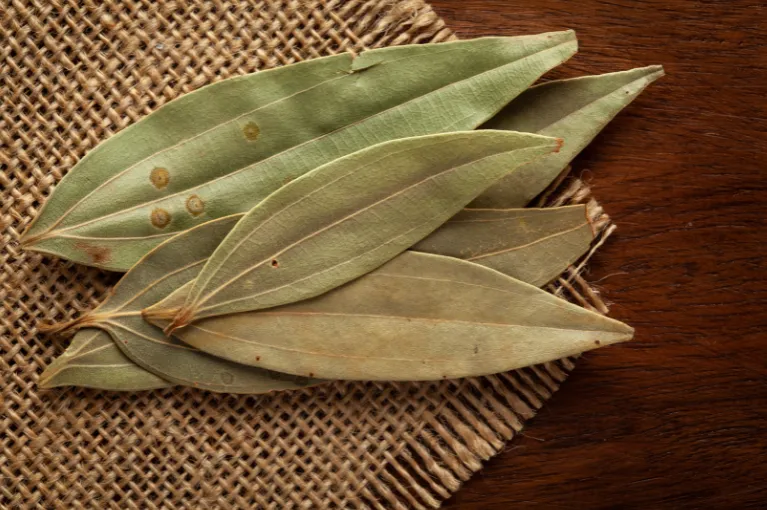
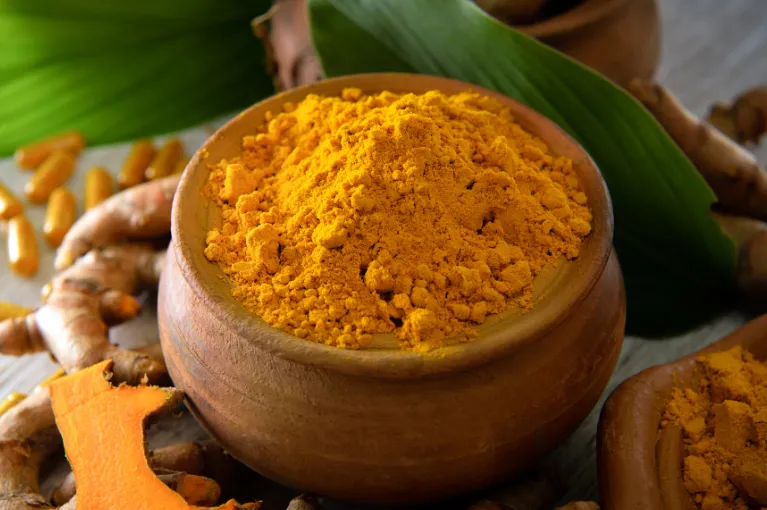
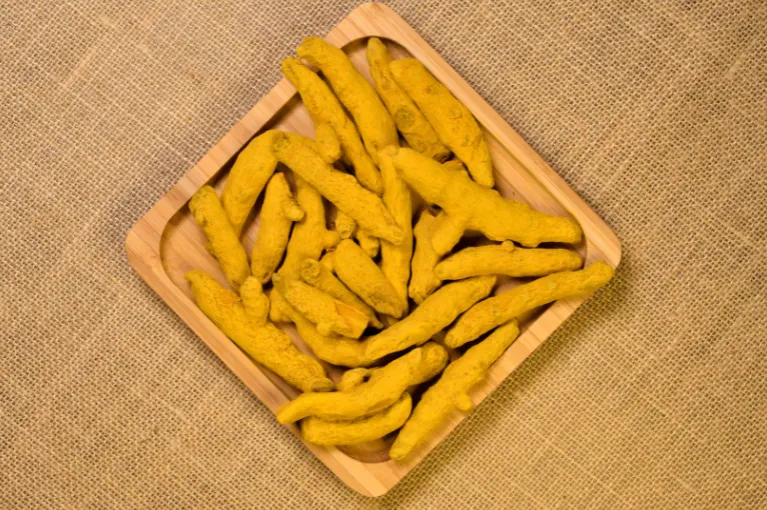
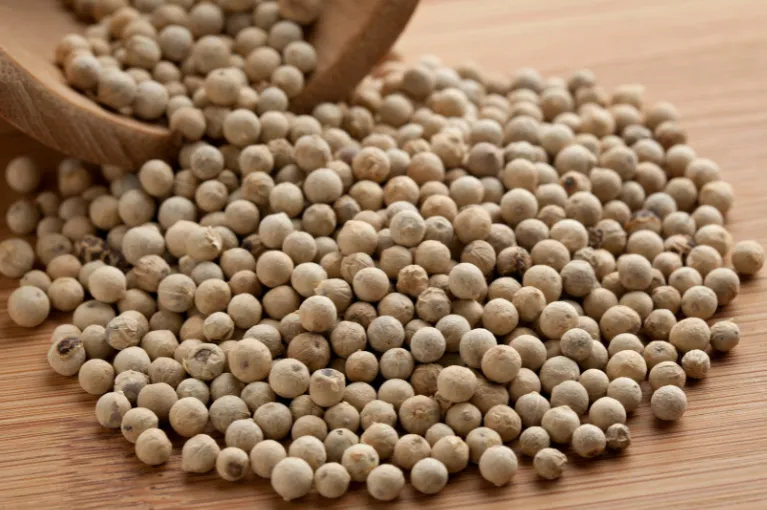
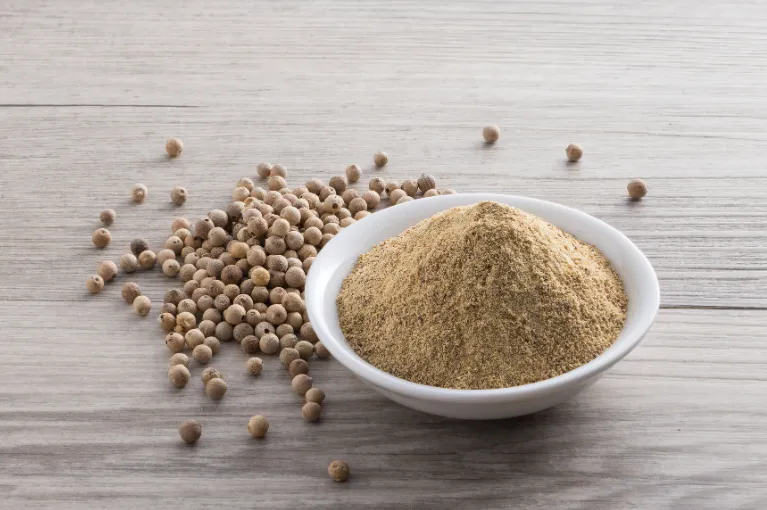
India is a leading global supplier of spices, exporting turmeric, chilli, cumin, coriander, pepper, and blended spices through structured wholesale trade networks. This page explains how spices are sourced, graded, traded, and supplied to international markets.
Introduction
Plants didn't evolve spicy compounds to make your dinner taste better. In fact, they did the exact opposite. Compounds like piperine in black pepper or capsaicin in chillies were evolutionary defence mechanisms designed to stop mammals from eating them. Humans, oddly enough, were the only species that decided the pain was actually flavour, and we proceeded to build a global economic empire around these plant defence chemicals. Today, this empire operates through wholesale spices markets, spice trading platform ecosystems, and global networks connecting spices suppliers , exporters, importers, and industrial buyers .
In the world of B2B commerce, spices aren't just kitchen staples; they are low-volume, high-value commodities defined by volatile oil (VO) content, ASTA (American Spice Trade Association) cleanliness specifications, and complex supply chains. They serve as the foundational chemistry for the global food processing, pharmaceutical, and fragrance industries. From the docks of Kochi to the flavour houses of New Jersey, the trade of bulk spices is a logistical feat of moving aromatic biomass while combating moisture, mould, and volatility loss.
Today, global spices trade operates through structured wholesale supply chains, connecting growers, processors, exporters, and industrial buyers. This page explains how bulk spices are sourced, graded, traded, and moved across international markets — from origin to import destination.
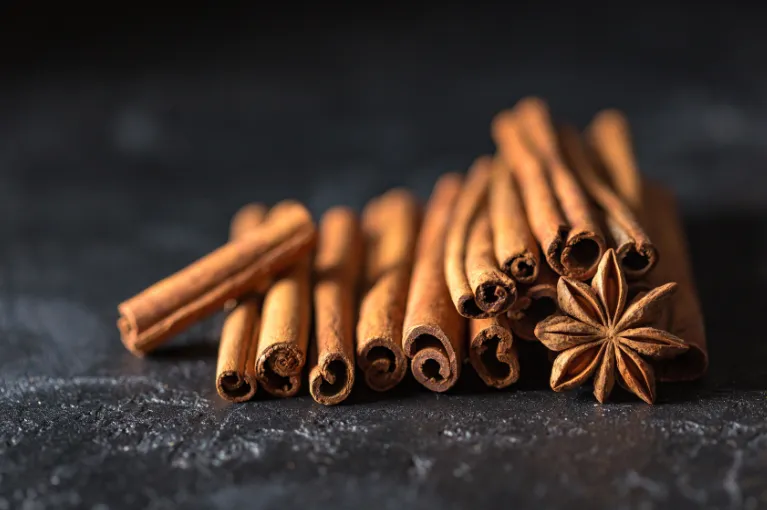
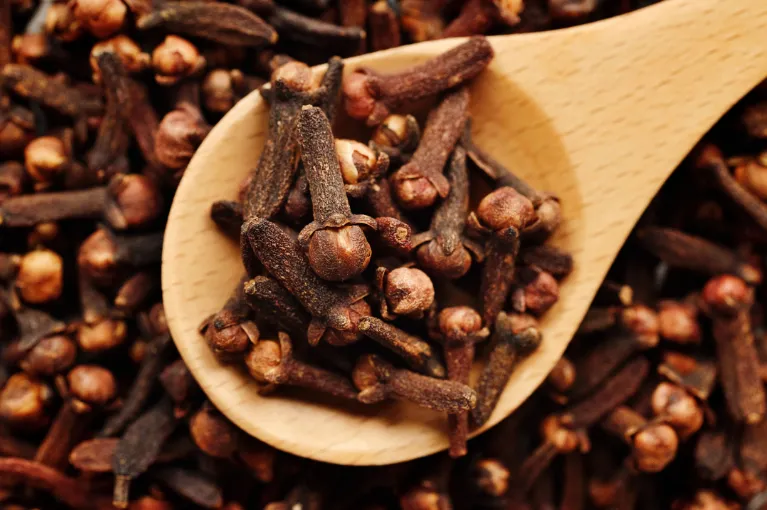
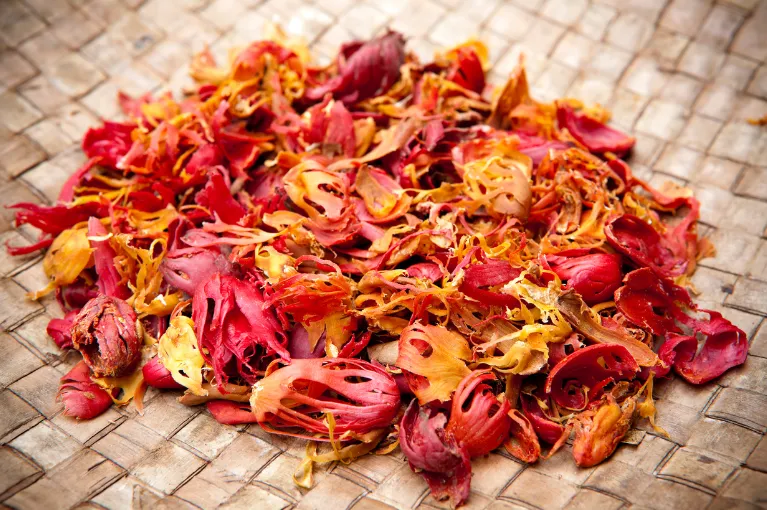
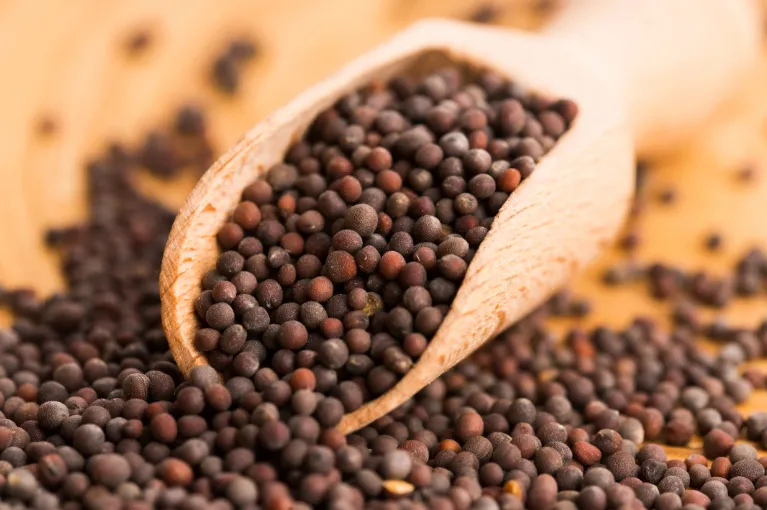
Spices are the dried parts of plants, other than just leaves, used to season a dish. This can also be observed in the usage of culinary terms, which may have uncertain meanings, while trade terms can be very specific. If the product is derived from the leafy part of an herbaceous plant that has culinary or medicinal value, then it's called an herb - for example, basil and oregano. If it's derived from the bark (like cinnamon), root (like ginger), bud (like clove ), seed (like mustard), or berry (like peppercorn), then the product falls in the category of a spice.
A chemist can tell you that a spice is the name of a plant's dried seeds or other parts. A trader will show you that some traders have their own particular products that they are recognised for. The curcumin level in turmeric, the piperine in pepper or even the cinnamaldehyde in cinnamon will be looked at. These chemical markers determine quality and price. It performs mainly as the carrier for essential oil and oleoresin, which must be preserved from harvest to the final processing system.
Spices are dried to remove moisture, in contrast to fresh produce, which is primarily made of water. The aromatic oils that are essential for taste and smell are captured by this process. They are the hardy portion of the plant that, if kept dry, can be stored and transported for a long time without going bad.
The distinction here often causes confusion in labelling and tariffs.
Standardisation is the main industrial advantage of spices, aside from their obvious flavour profile. The curry flavour must taste precisely the same in batch one as it does in batch one million for a food manufacturer making a million frozen meals. Because the oil content of spices can be measured and blended to a particular profile, they enable this consistency.
They also act as natural preservatives. Many spices possess significant antimicrobial and antioxidant properties—historically used to mask off-flavours in meat, but now utilised to extend shelf life in "clean label" food products where consumers want to avoid artificial preservatives. They offer colour stability (think paprika oleoresin) and functional heat without adding calories.
The application of spices depends entirely on the end user's processing capability.
The Specificity of the Deal
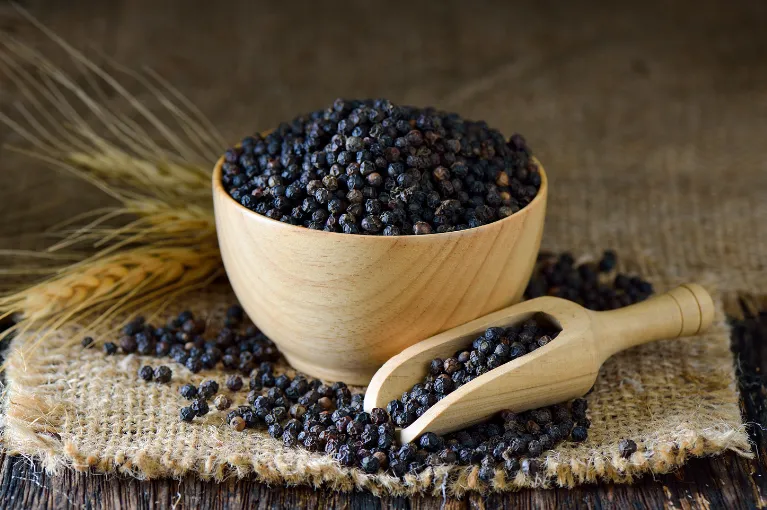
Professionals looking to buy spices in bulk don't trade in generic terms like 'black pepper' or 'cinnamon' because vague terminology is costly. Each agreement is characterised by such specific details as size, species, and origin. This is why wholesale spices contracts never trade generic black pepper or turmeric powder without defined grade parameters.For instance, Tellicherry Garbled Extra Bold (TGEB) black pepper is the highest quality, which refers to fully matured berries over 4. 75 mm, that are very aromatic and oily. Pinhead pepper, on the other hand, is composed of tiny, immature berries that are spicy but flavourless.
True Cinnamon vs. Cassia Cinnamon
Cassia, a thick and dark bark originally from China or Indonesia, is quite spicy, price, friendly, and forms the largest volume of commercial "cinnamon". Sri Lankan true cinnamon, aka. Ceylon cinnamon , is dried into thin, soft quills naturally low in coumarin and having a mild, floral sweetness. Buyers opt for Ceylon when creating premium or health, oriented items, and for Cassia when producing cheap consumer goods.
Physical Grading: Density and Size
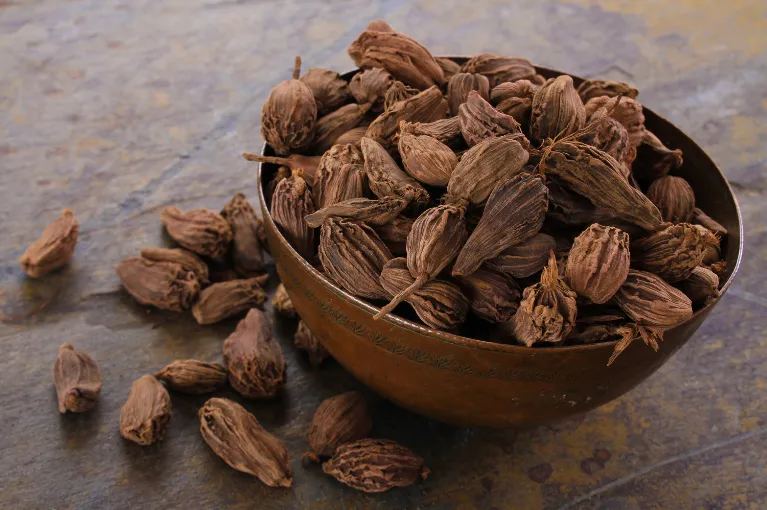
Initially, value is assessed through attributes that can be seen and touched. Pepper density, which is determined by weighing a litre of pepper in grams, reflects the amount of oil and starch in the pepper; thus, lightweight berries are usually associated with poor processing quality. Premium grades command higher Wholesale Spices Prices in global auctions. When it comes to cardamom, the market sets a premium on 8 mm Bold grades that have larger pods since their thicker husk can better preserve the aroma of the seeds, thus prolonging the shelf life.
Chemical Grading: The Active Component
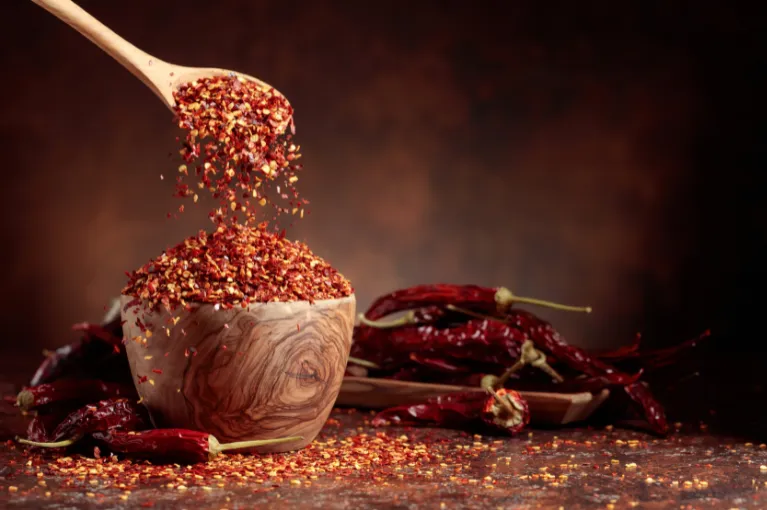
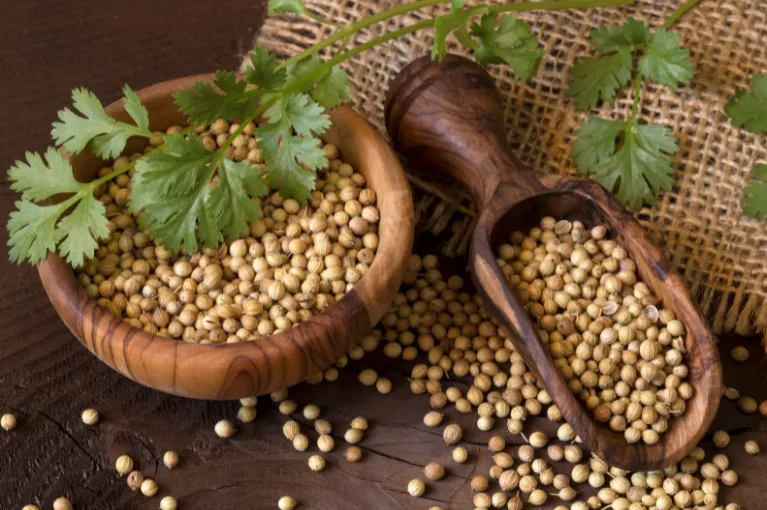
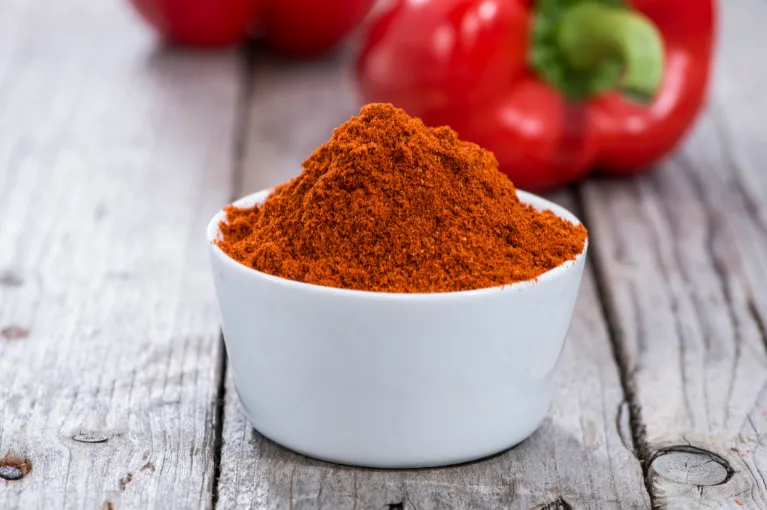
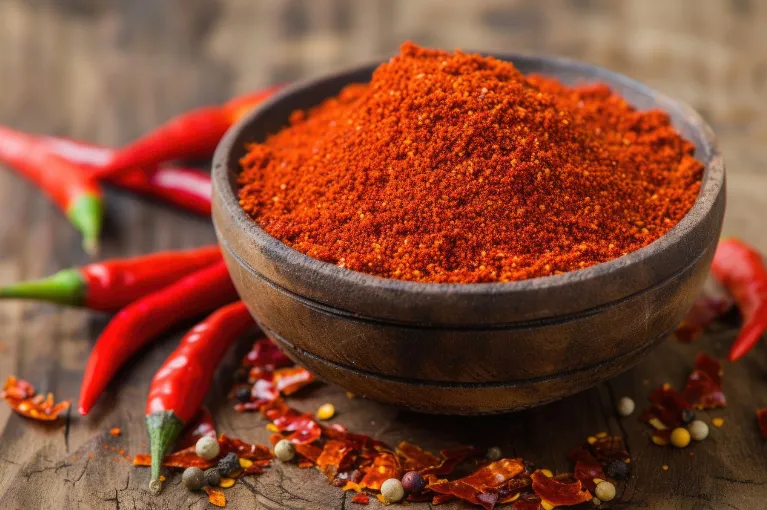
Industrial buyers frequently buy chemical performance instead of appearance. Turmeric is a commodity that depends on curcumin percentage; a higher concentration is equivalent to pharmaceutical, grade value, and a lower grade is used as a food colourant. Likewise, chillies and paprika are sold by ASTA colour units, thus giving food manufacturers a consistent colour yield. High-curcumin turmeric powder and high-ASTA red chilli are core SKUs for spices exporters and spice importers.
Origin Grading: Geography Defines Quality
The quality of spices is very much influenced by regional growing conditions. The Alleppey Green cardamom from Kerala is well known for its brilliant green colour and high content of volatile oil. It has been Cochin ginger, which, due to its low fibre content and ability to be easily sliced, among other qualities, has been singled out as the one which is indispensable in the manufacture of premium confectionery products. Origin-linked B2B spice sourcing is increasingly demanded by the top 10 Spices Importer companies seeking a traceable supply.
Spices are born in a tiny strip of the world called the Spice Belt, this is where tropical and sub-tropical weather patterns make it possible to grow aromatic plants at about 25 degrees from the equator. What once began as ancient trade routes has now evolved into modern spices trading, where global markets regularly import spices from India to meet rising demand.

The procedure involves extensive manual input but follows a straightforward execution flow. The first step is harvesting, and most of it needs to be done by hand — according to one estimate, only 1 per cent can be sucked out with machines without bruising the fragile pods or mashing the bark unevenly. The next stage after harvesting is extremely important, and that is the drying process. Aflatoxins will spoil flavour and worse, if you do not reduce moisture below the10-12% level, then contamination of aflatoxin can occur.
After drying, the raw material moves on to the "garbling" or cleaning stage, where foreign objects, dust, and stems are eliminated. Gravity separators, destoners, and steam sterilisation are used in contemporary facilities to reduce the microbial load in order to comply with stringent import regulations.
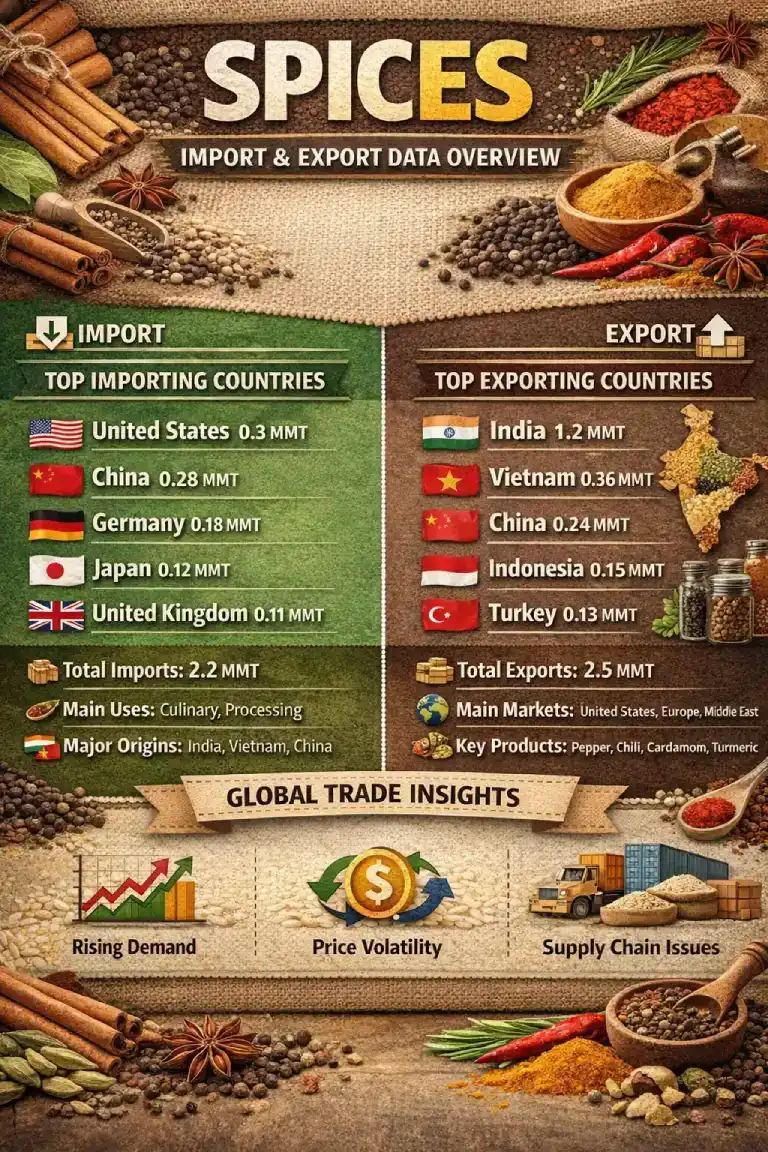
The movement of goods from the Global South to the Global North dominates the wholesale spice trade. India, Vietnam, Brazil, and Indonesia are the primary nations positioned to export bulk spices because they possess the necessary labour force and distinct microclimates.
Compliance is a problem when exporting. Heavy metals and pesticide residues are subject to strict regulations in the US (FDA) and the EU. An exporter offers a certificate of analysis attesting to the product's safety in addition to flavour. Guatemala controls the cardamom trade, while Vietnam controls the pepper trade. Any buyer attempting to protect themselves from price volatility must comprehend these geopolitical supply lines.
The Dominant Supplier Paradox
India controls the baseline volume of the global trade, producing 75 of the 109 ISO-listed spice varieties. However, the critical metric for industrial buyers isn't total production—it's net exportable surplus. Given that India consumes nearly 80% of its own output, domestic yield fluctuations have a significant impact on global pricing. Businesses are competing not only with other exporters, but also with local inflation.
From Biomass to Chemistry
The market is transitioning from raw agricultural trading to precision manufacturing. Oleoresins and extracts, which are standardised liquid formats that ensure particular pungency (capsaicin) or colour values (curcumin), have replaced whole spices as the growth sector. Industrial buyers are trading improved shelf stability and chemical consistency over the variability of raw crops.
The Traceability Premium
"Single-origin" is now a technical requirement, not a marketing buzzword. The trade is dividing because of the more stringent regulations on heavy metals and pesticide residues (MRLs) from the EU and FDA.
Spices' journey from a remote farm to a global production line shows complexity in logistics at its best. Being biological entities, spices are prone to degradation, contamination, and chemical volatility. A "trade, compliant ingredient" is one that has made the journey and kept its chemical integrity while also meeting strict international safety standards in terms of pesticide residues, microbial loads, and moisture content. For the B2B buyer, the "product" is not only the spice; it is also the transparent data trail and the logistical precision that guarantees the ingredient arriving at the port is what was originally promised at the point of origin.
Spice is a dry ingredient used to flavour food during preparation. While condiment is a sauce or relish (like mustard paste or ketchup) added to food at the table, it often contains spices.
You need a Commercial Invoice, Bill of Lading, Phytosanitary Certificate, and a Certificate of Origin to satisfy both customs and food safety regulations.
Buyers verify quality through third-party pre-shipment inspections and lab testing for moisture, pesticide residues, and microbial contaminants like Salmonella.
India, Vietnam, and Indonesia are the dominant global exporters, leading the market in chilli, pepper, and tropical spices, respectively.
It refers to the cleanliness standards set by the American Spice Trade Association. It measures the level of filth (insects, twigs, hair) allowed in a batch. ASTA quality is generally the benchmark for companies looking to import bulk spices into Western markets requiring low-filth, high-purity standards.
In bulk spice trading, FOB (Free On Board) is common for buyers who want to control shipping costs and container quality, as the seller’s responsibility ends once the goods are loaded. CIF (Cost, Insurance, and Freight) is preferred by buyers who want the supplier to handle all logistics and insurance until the cargo reaches the destination port.>