Key Highlights:
- India’s major ports handled ~855 MMT of cargo in FY 2025–26, showcasing a busy and growing maritime trade ecosystem.
- Mundra Port (Gujarat) is India’s largest port overall, becoming the first Indian port ever to cross 200 MMT annual cargo volume in FY 2024–25 — a historic national record.
- Paradip Port (Odisha) leads among government major ports with 13.14 MMT (June 2025), specializing in bulk commodities like iron ore, coal, and fertilizers.
- Deendayal Port (Kandla, Gujarat) moves over 12 MMT, excelling in bulk, liquid, and general cargo; key for grains and industrial inputs.
- Jawaharlal Nehru Port (JNPA, Navi Mumbai) handles ~7.56 MMT, India’s largest container hub for finished goods and agro products.
- Visakhapatnam Port (7.33 MMT) offers deepwater versatility, catering to steel, fertilizers, seafood, and machinery exports.
- Syama Prasad Mookerjee Port (Kolkata) links inland waterways and northeastern trade corridors with ~5.93 MMT cargo.
- Mumbai, Chennai, and Kamarajar Ports collectively handle bulk, petroleum, industrial, and southern industrial exports efficiently.
- V.O. Chidambaranar Port (Thoothukudi) (~3.57 MMT) is a dependable industrial workhorse for minerals, fertilizers, and project cargo.
- Cochin Port (Kerala) specializes in value-driven exports like seafood, spices, coconut products, and processed foods (~3.4 MMT).
- Strategic significance for B2B trade: Knowledge of port strengths, cargo types, and connectivity helps optimize logistics, reduce costs, and improve supply chain efficiency.

India’s Top Ports: Engines of Economic Turnover
In the bustling world of global commerce, it’s ports that act as the gateways — the silent giants where steel meets sea, and where the rhythm of import-export flows is set. For businesses dealing in bulk goods, commodities, and manufactured products, understanding the biggest ports in India isn’t just trivia — it’s strategic intelligence that can help shape logistics, pricing, and competitive edge.
India’s maritime ecosystem is clearly hitting its stride and flexing its muscles. In the financial year 2025–26, the Container sea ports in India handled around 855 million metric tonnes of cargo at major government ports alone — proof that trade activity is picking up pace. The figure, as per the Ministry of Ports, Shipping and Waterways, shows just how busy India’s shipping lanes have become and quietly carries the weight of a growing economy. When private ports like Mundra are factored in, the total picture is even larger.
Let’s break down the largest ports in India by cargo volume — the workhorses that keep the wheels of trade greased and spinning — and explore what they mean for the B2B community.
Top 10 Largest Ports in India by Cargo Handled (2025)
| Rank | Port Name (Authority) |
Location (State) |
Cargo Handled | Port Type |
| 1 | Mundra Port (APSEZ) | Mundra, Gujarat | 200.7 MMT (FY 2024–25) | Private |
| 2 | Paradip Port Authority (PPA) | Paradip, Odisha | 13.14 MMT (June 2025) | Government Major Port |
| 3 | Deendayal Port Authority (DPA) | Kandla, Gujarat | 12.03 MMT (June 2025) | Government Major Port |
| 4 | Jawaharlal Nehru Port Authority (JNPA) | Navi Mumbai, Maharashtra | 7.56 MMT (June 2025) | Government Major Port |
| 5 | Visakhapatnam Port Authority (VPA) | Visakhapatnam, Andhra Pradesh | 7.33 MMT (June 2025) | Government Major Port |
| 6 | Syama Prasad Mookerjee Port Authority (SPMPA) | Kolkata–Haldia, West Bengal | 5.93 MMT (June 2025) | Government Major Port |
| 7 | Mumbai Port Authority (MbPA) | Mumbai, Maharashtra | 5.68 MMT (June 2025) | Government Major Port |
| 8 | Chennai Port Authority (ChPA) | Chennai, Tamil Nadu | 5.08 MMT (June 2025) | Government Major Port |
| 9 | Kamarajar Port Authority (KPA) | Ennore, Tamil Nadu | 4.41 MMT (June 2025) | Government Major Port |
| 10 | V.O. Chidambaranar Port Authority (VOCPA) | Thoothukudi, Tamil Nadu | 3.57 MMT (June 2025) | Government Major Port |
| 11 | Cochin Port Authority (CPA) | Kochi, Kerala | 3.40 MMT (June 2025) | Government Major Port |
Note: Monthly figures (MMT) are sourced from Indian Ports Association (IPA) Monthly Port Traffic Statistics for June 2025. Mundra Port figure reflects full FY 2024–25 annual cargo handled as reported by APSEZ. Mundra is a private port and not included in the Government of India’s official “Major Ports” list.
Sources: Indian Ports Association (IPA), Ministry of Ports, Shipping & Waterways (MoPSW), Government of India – “Cargo Handled at Major Ports, June 2025” (Monthly Port Traffic Statistics); Adani Ports & SEZ Limited (APSEZ) FY 2024–25 Annual Cargo Report.

1. Mundra Port (Gujarat) – India’s Largest Port by Volume
No list of the largest ports in India is complete without Mundra Port. Operated by Adani Ports & Special Economic Zone (APSEZ), Mundra Port made history in FY 2024–25 by becoming the first Indian port ever to cross 200 MMT of annual cargo volume, clocking 200.7 MMT — a national record. While it is a private port and does not appear in the Government of India’s “Major Ports” classification, by sheer volume it towers above every other port in the country.
Located on the Gujarat coast with direct access to key trade routes toward the Middle East, Africa, and Europe, Mundra handles a broad cargo mix: containers, coal, crude oil, fertilizers, edible oils, and agri commodities. Its container terminal alone handled a record 33.05 lakh containers in FY25, making it a primary gateway for India’s containerized exports. For B2B businesses — especially those trading in bulk agri commodities, industrial goods, and FMCG products — Mundra is often the most efficient and cost-effective routing option on India’s west coast.
.webp)
2. Paradip Port (Odisha) – Where Bulk Meets Business
Among India’s government-administered major ports, Paradip tops the list, pushing over 13.14 MMT of goods through its gates in June 2025 alone. Its east-coast location makes it a magnet for dry bulk commodities like iron ore, coal, and fertilizers — lifeblood materials for industry.
For exporters and importers, Paradip is often the first stop for raw materials bound for manufacturing hubs, and a key node in steel and energy supply chains.
.webp)
3. Deendayal Port (Kandla, Gujarat) – The Strategic Giant
Often regarded among the top ports in India by cargo volume, Deendayal’s cranes are always in motion. Handling more than 12 MMT per month, this west-coast colossus is a preferred outlet for bulk, liquid, and general cargo, tying northern hinterlands to the global market.
For B2B players, Kandla’s strength lies in scale and connectivity — a port that absorbs bulk grains, minerals, and industrial inputs with an almost insatiable appetite. Bulk shipments of wheat, rice, maize, and oilseeds are frequently exported through this port.
.webp)
4. Jawaharlal Nehru Port (JNPA, Navi Mumbai) – India’s Container Hub
When you’re talking containers — boxes that represent finished goods, electronics, garments, and manufactured products — JNPA is where the spotlight belongs. With around 7.56 MMT of cargo in recent figures, this port wears the crown as India’s largest government-operated container gateway, linking domestic producers to Europe, the Middle East, and beyond.
JNPA is one of the most preferred shipping ports in India for export of agro goods that are containerized. For instance, basmati rice, processed food items, pulses, spices, and value-added agri products are most commonly exported from this port.
.webp)
5. Visakhapatnam Port (Andhra Pradesh) – Deepwater Versatility
Visakhapatnam moves roughly 7.33 MMT of goods per month. Its advantage? A deep water channel and a diversified cargo mix — from steel and fertilizers to seafood and machinery. This makes it a favorite for industries that require consistency and range, rather than just bulk tonnage. The port majorly handles the export of commodities like frozen sea food and buffalo meat along with commodities like cereals and spices.
.webp)
6. Syama Prasad Mookerjee Port (Kolkata) – Eastern Trade Gateway
Kolkata’s riverine port handles nearly 5.93 MMT and plays a unique role, threading inland waterways with maritime routes. With access to northeastern states and Bangladesh, this port is a must-watch for exporters and importers looking to tap cross-border corridors.
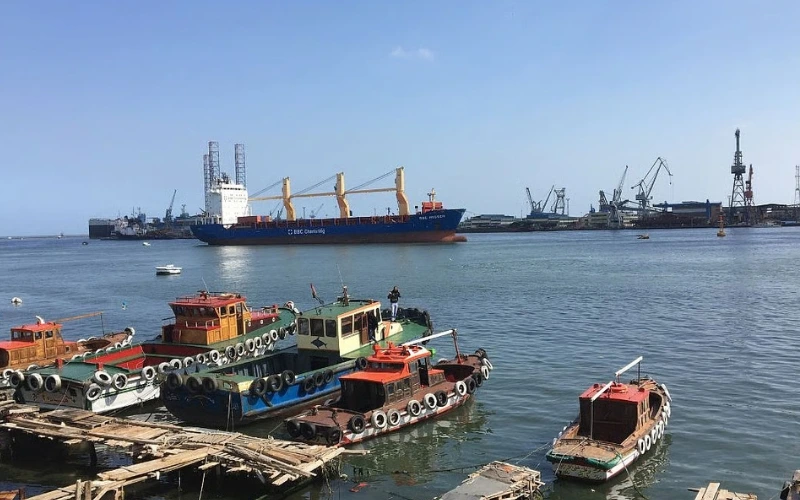
7. Mumbai Port – Heritage Meets Hubs
With around 5.68 MMT on the books, the old-school Mumbai Port still holds its ground amid newer giants. While container traffic has largely migrated to JNPA, this port remains critical for bulk and petroleum products serving the financial capital.
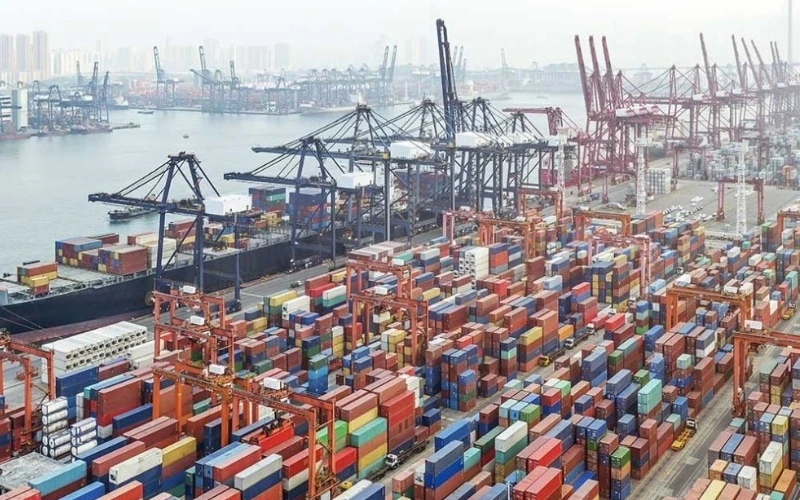
8. Chennai Port – Southern Gateway
Chennai’s 5.08 MMT throughput showcases its role as the trade lifeline for southern industrial belts. Manufacturers of automobiles, machinery, and textiles find Chennai’s services tuned to diverse cargo requirements.
.webp)
9. Kamarajar Port (Ennore) – Rising Star in Bulk
Handling around 4.41 MMT, Kamarajar is rapidly improving its playbook, especially for coal, iron ore, and industrial cargo. Its growth signals Tamil Nadu’s positioning as a regional export hub. Kamarajar also handles limited volumes of bulk agro commodities such as maize and feed ingredients as majorly is meant for industrial cargo.
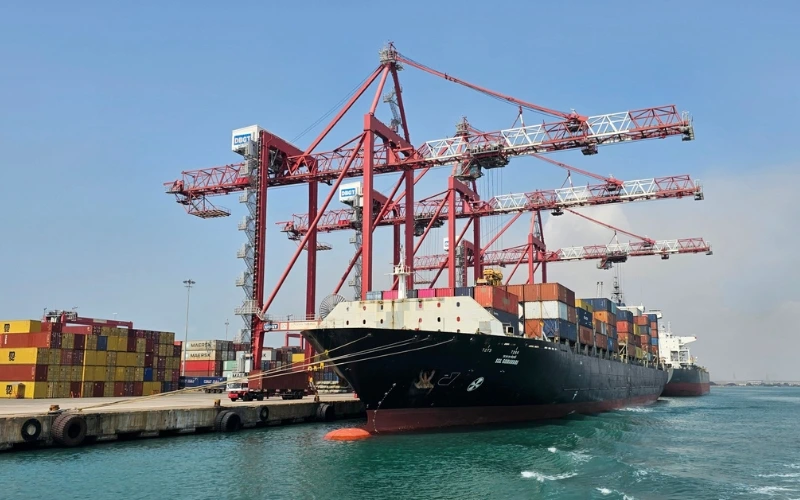
10. V.O. Chidambaranar Port (Thoothukudi) – The Industrial Workhorse
V.O. Chidambaranar Port, commonly known as Thoothukudi, is among the sea ports in India that doesn’t shout but delivers day in and day out. Clocking around 3.57 million metric tonnes in cargo volumes, it has carved out a reputation as a dependable industrial workhorse rather than a flashy transshipment hub. This is where mineral exports, fertilizers, bulk liquids, and project cargo quietly move in and out, feeding the engines of southern India’s industrial ecosystem.

11. Cochin Port Authority – Kerala’s Deepwater Link
Cochin Port may sit at the tail end of the list by monthly volume, but it more than holds its own when it comes to value. Handling roughly 3.4 million metric tonnes of cargo, this deepwater port isn’t in a race for bulk numbers. Instead, it plays a steadier game, supporting export businesses where timing, care, and consistency matter more than sheer scale.
But what really sets Cochin apart is the strategic location and the amount of niche agriculture and marine exports hub that are exported from this port. Seafood, spices, coconut products, and processed foods are frequently exported from this port with a dependable flow. It is through this port that these commodities find their way to buyers deep into the Middle East, Europe, and parts of Asia.
Beyond the Numbers: What These Ports Mean for B2B
For businesses engaged in import-export, these ports are more than dots on a map — they are logistical crossroads, cost centres, and strategic assets. India’s maritime sector handles the vast majority of trade by volume, moving raw materials and finished goods with increasing efficiency and scale.
Understanding where your shipments pass through — and why — can influence everything from freight costs to delivery windows, tariff planning, and network design.
The Bigger Picture: India’s Shipping Industry
India’s maritime sector isn’t just shifting boxes and bulk anymore—it’s clearly finding its stride. Cargo volumes at the largest ports in India have been ticking up year after year, helped along by growing container traffic and a wider mix of goods moving through the system, from coal and crude to agricultural commodities. The pace is steadier, the lanes are busier, and the ports are carrying more weight in the country’s trade story.
For B2B players, this translates into more corridors to leverage, stronger infrastructure to tap, and competitive freight options to negotiate. Navigating these waters with informed choices — about ports, carriers, and cargo handling — can be the difference between smooth trading and logistical gridlock.
Frequently Asked Questions (FAQs)
Which is the largest port in India?
Mundra Port in Gujarat is the largest port in India by cargo volume. Operated by Adani Ports & SEZ (APSEZ), it became the first Indian port to handle over 200 MMT of annual cargo in FY 2024–25, setting a national record of 200.7 MMT. Among government-operated major ports, Paradip Port in Odisha leads by monthly cargo handled.
How many major ports are there in India?
India has 13 government-designated Major Ports as of 2025: Deendayal (Kandla), Mumbai, JNPA (Nhava Sheva), Mormugao, New Mangalore, Cochin, Chennai, Kamarajar (Ennore), V.O. Chidambaranar (Thoothukudi), Visakhapatnam, Paradip, Syama Prasad Mookerjee (Kolkata/Haldia), and Shyama Prasad Mookerjee Port. In addition, there are hundreds of non-major and private ports including the country’s largest by volume, Mundra.
Which port handles the most cargo in India?
Mundra Port handles the most cargo in India. It processed 200.7 MMT of cargo in FY 2024–25, making it the highest-volume port in the country. Among government major ports, Paradip Port consistently ranks first by monthly cargo throughput.
Which is India’s busiest container port?
Jawaharlal Nehru Port Authority (JNPA) in Navi Mumbai is India’s busiest government container port, handling the largest share of containerized cargo among major ports. Mundra Port also handles very high container volumes — its terminal processed a record 33.05 lakh containers in FY 2024–25.
Which Indian port is best for agri commodity exports?
For containerized agri exports such as basmati rice, spices, and pulses, JNPA (Nhava Sheva) and Mundra Port are the most preferred. Deendayal Port (Kandla) is the top choice for bulk agri commodities like wheat, rice, maize, and oilseeds. Cochin Port is widely used for spices, seafood, and coconut products heading to the Middle East and Europe.
Sources & Citations:
- Indian Ports Association (IPA) — Monthly Port Traffic Statistics, June 2025
- Ministry of Ports, Shipping & Waterways (MoPSW), Government of India
- Adani Ports & Special Economic Zone Ltd. (APSEZ) — FY 2024–25 Annual Cargo Report
- India Brand Equity Foundation (IBEF) — Ports & Shipping Sector Overview