Key Highlights
- India exported 6.52 million MT of Basmati rice in 2025-26.
- B2B transaction platforms connect exporters with active, verified buyers.
- Listing platforms offer visibility but leave buyer verification to exporters.
- Lead-selling platforms provide contacts but may contain outdated or unverified leads.
- Trade shows build trust but involve high travel and participation costs.
- Always verify buyers, use secure payments, and conduct independent inspections.
Introduction:
Anyone working in the grain trade will tell you straight away that exporting Basmati rice is a massive market with bulk basmati rice importers spread globally. Indian exporters ended up shipping out roughly 6.52 million metric tons of Basmati across global borders during the year 2025-2026 alone according to APEDA. This kind of simply massive volume happens mainly because of the fact that India holds the formal Geographical Indication (GI) tag for different kinds of genuine Basmati varieties. Thus, international global basmati rice buyers who want authentic long-grain aromatic rice keep coming back to the same source.
And the market stats coming out from trade analysts like Mordor Intelligence reflect that exact trend. The global Basmati rice sector sat at around $5.94 billion in 2025, moving up toward $6.55 billion in 2026. If you look at where things are heading by 2031, projections point to a market touching nearly $11.16 billion—which calculates out to a steady 11.23% annual growth rate over the coming years.
So the international demand is definitely sitting there in plain sight. The tricky part for any seller, mill owner, or exporter with warehouses full of grain isn't proving that buyers exist—it's figuring out how you actually connect with basmati rice buyers who are legitimate, solvent, and ready to sign a contract without running off when the vessel lands at port.
Let's run through the different avenues available today to reach global basmati rice buyers , breaking down how each channel operates so you can figure out where to focus your effort.

Top Ways to Connect with Global Basmati Rice Importers
Finding genuine foreign bulk basmati rice importers takes a bit of an effort on looking which method is best for you. Depending on whether you prefer digital trade tools, direct corporate outreach, or traditional in-person expos, here is how the primary options stack up for exporters today.
1. B2B Transaction-Oriented Trade Platforms
If you want a direct path to buyers with active purchase orders, dedicated transaction-oriented B2B trade platforms are usually the most practical place to start. Unlike static directories where you just leave a phone number, built-for-purpose trade hubs let you interact directly with verified basmati rice importers who are actively posting bulk requirements. A lot of these setups also integrate price discovery tools, escrow-style payment security, and trade execution support that helps make sure container handovers go smoothly.
2. Listing Platforms
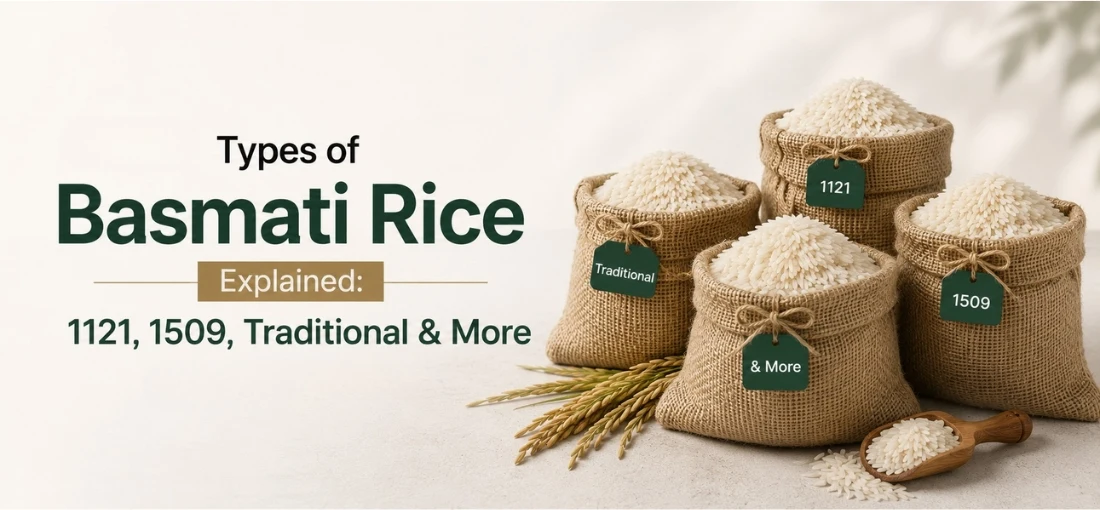
Online listing portals work essentially like global business directories for international commerce. You set up a seller profile, upload photos of your rice grades—whether that's 1121, 1509, or traditional Pusa—and get your brand visible to people browsing online. It gives you easy online reach, sure, but you need to remember that most listing portals don't do deep background checks on the people viewing your page. They give you visibility, but you still have to handle all the buyer verification steps yourself.
3. Lead-Selling Platforms
It is common to run across services offering to sell a basmati rice buyers database or individual lead lists for a flat upfront price. Buying a sheet of 50 contact numbers sounds convenient on paper, but you have to tread carefully. Plenty of those lead lists turn out to be outdated, unverified, or full of contacts who simply won't pick up the phone. You end up spending cash on raw contact info without any real guarantee that the buyer has the funds or actual intent to close a deal.
4. Online Trading Platforms
Digital trade storefronts let you present your product lineup directly to overseas markets without building custom software. They make cross-border communication relatively smooth, but there is a clear trade-off on margins. Many of these portals act as digital intermediaries that take a bite out of your final profit margin through monthly fees, commission tiers, or percentage markups applied to every single container you ship.
5. Professional Networking Platforms
Using networks like LinkedIn alongside regional export communities can be surprisingly effective when you want to build long-term trade connections. It gives you a direct line to procurement leads, grain brokers, and supply chain managers buying for overseas distribution firms. Just remember that social networks exist for making introductions—not executing agricultural trades. You won't get built-in payment protections or trade execution tools, so securing the deal remains entirely on your shoulders.
6. Corporate Procurement Portals and Tenders
There are some exporters who look for massive volumes all under a single contract. For such exporters, the big institutional buyers, large-scale restaurant chains, and many foreign government procurement boards frequently issue various types of formal tender notices to buy in bulk. If you are lucky and you secure a big tender, it can stabilise your cash flow for many months to come in a single go.
The downside? Onboarding through formal corporate portals takes endless paperwork, strict financial auditing, and a slow bidding process that can be tough for newer or mid-sized exporters to navigate.
7. E-commerce Marketplaces
Cross-border e-commerce platforms let you set up a digital shop and connect with international buyers relatively quickly. But while e-commerce setups work fine for retail-ready pouches, specialty brands, or small sample shipments, they aren't structured for multi-container agricultural trade. Handling ocean freight rates, bulk customs clearance, and multi-thousand-dollar Letter of Credit payments isn't what standard consumer marketplaces are built to handle.
8. Commodity Exchanges
Trading on physical or agricultural commodity exchanges gives you great real-time data for tracking price movements and broader market trends across regions. You get a clear sense of where global rice values are heading day by day. That said, exchange setups focus heavily on standardized futures, financial hedging, and derivatives—they aren't really designed for an individual exporter trying to build a direct, ongoing trade relationship with a specific foreign buyer.
9. Traditional Trade Shows and Expo Halls
There is still a lot of value in sitting across a table from an importer over a cup of tea. Attending international trade expos—like Gulfood or Anuga—puts you in the same room as serious buyers who want to inspect grain length, check aroma, and evaluate quality in person. The obvious challenge here is cost. Booth rentals, travel expenses, hotel stays, and visa fees add up quickly, making trade shows a heavy upfront investment that takes real time to yield results.
Quick Summary: Comparing Ways to Reach Global Basmati Rice Buyers
| Connection Method | Best For | Main Advantage | Key Trade-off / Risk |
|---|---|---|---|
| B2B Trade Platforms | Direct bulk deal execution | Connects with verified buyers and includes escrow/payment security features. | May require subscription fees or verification steps to access top-tier buyers. |
| Listing Platforms | Brand exposure & web presence | Quick to set up and gets your rice varieties visible to online searchers globally. | Zero buyer verification; you have to vet every incoming lead yourself. |
| Lead-Selling Platforms | Quick access to contact lists | Gives you immediate phone numbers or emails for potential overseas buyers. | High rate of outdated or unverified contacts with no deal guarantee. |
| Online Trading Portals | Digital storefront sales | Easy to present your product catalog directly to international markets. | Platform commissions and markups can take a chunk out of your profit margins. |
| Networking Platforms | Building long-term relationships | Direct line to corporate procurement heads and grain brokers (e.g., via LinkedIn). | Built for introductions only; no built-in trade execution or payment protection. |
| Corporate Tenders & Portals | High-volume long-term contracts | Massive order volumes through foreign government boards and big chains. | Heavy paperwork, rigid bidding processes, and strict financial qualification limits. |
| E-commerce Marketplaces | Retail packs & sample orders | Great for reaching small grocery brands or testing consumer demand abroad. | Not built for multi-container shipments, freight logistics, or bulk LCs. |
| Commodity Exchanges | Tracking global price trends | Excellent real-time price discovery and market hedging data. | Focused on futures/derivatives rather than direct physical trade relationships. |
| Trade Shows & Expos | Face-to-face deal making | Lets buyers inspect grain quality in person and builds high-trust relationships. | High upfront costs for travel, booths, and logistics, plus time-intensive execution. |

What to Keep in Mind Before You Sign a Deal
Getting a buyer's WhatsApp number or email address is only step one. Protecting your business during trade execution is what keeps your operation afloat long-term.
- Run Background Checks Before Loading: Never rely on a sleek website or a fancy business card. Ask for bank references, check trade registry records in the buyer's home country, and use credit rating services to evaluate their payment history.
- Stick to Secure Payment Structures: When dealing with new foreign buyers, insist on safe payment methods—like an Irrevocable, Confirmed Letter of Credit at Sight (LC at Sight) or structured advance deposits. Avoid open account terms until you have years of solid trade history together.
- Mandate Independent Lab Inspections: Always mandate neutral third-party inspections (like SGS or Intertek) at the port of loading to certify grain length, moisture levels, purity percentages, and broken grain counts. Having an official lab report attached to the bill of lading protects both sides if disputes pop up after the ship leaves port.
At the end of the day, setting up a consistent export business comes down to combining smart digital outreach with basic risk management. Choose the buyer channels that match your budget, vet every new buyer thoroughly, and protect your margins on every single container that leaves your floor.
Disclaimer
The information provided in this article is for educational and informational purposes only. Buyer databases, platform features, trade requirements, market figures, and commercial terms may change over time. Exporters should independently verify buyer credentials, payment capacity, product requirements, and applicable trade regulations before entering into any agreement.