Key Highlights
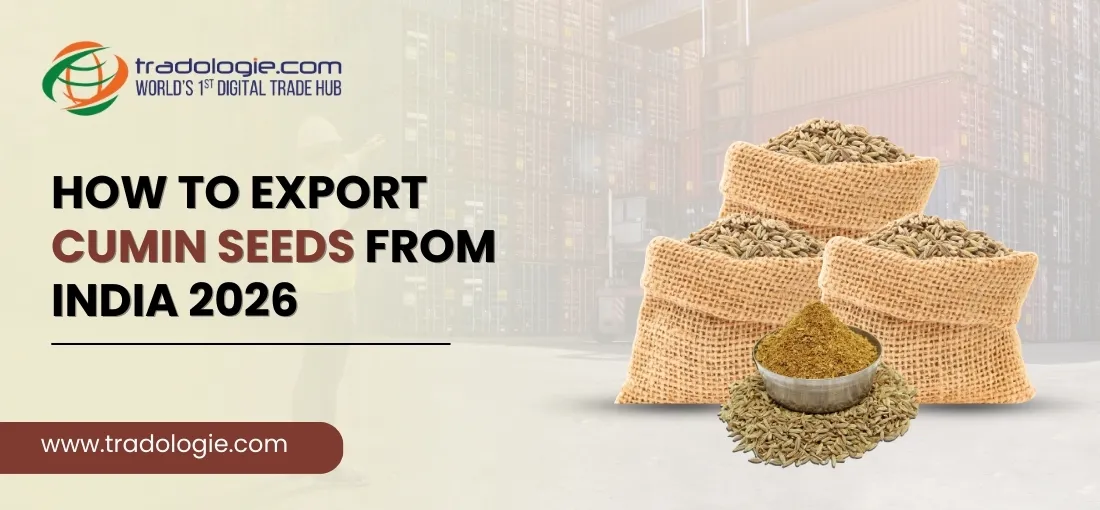
• India is not just a big exporter of cumin. It pretty much leads the global trade. Over the years, exports have moved anywhere between 165,000 and nearly 300,000 tons, and recently crossed 229,000 tons with a value of over USD 730 million. That kind of volume keeps global buyers coming back to India again and again.
• The demand story is actually quite straightforward. In many parts of Europe, the Middle East, and North America, cumin has quietly become part of everyday cooking. And when you add processed foods, ready meals, and global cuisines into the picture, the consumption becomes steady. It’s not about sudden spikes anymore. It’s more about regular, repeat demand.
• What has really changed over time is the way buyers think. Earlier, most conversations started and ended with price. Now, things have shifted. Buyers first want to know about traceability, food safety, and compliance. If the quality and residue standards don’t match, the deal usually doesn’t even move forward.
• Organic and residue-compliant cumin is also getting attention. It’s still not the biggest part of the market, but the buyers in this space are serious. They are willing to pay better and usually build long-term partnerships. Many exporters now see this as a more stable and profitable direction.
• From a trade perspective, cumin seeds generally fall under HS Code 0909.31. Most global shipments follow this classification. Still, experienced exporters make it a point to confirm the code based on the product form and the importing country. It sounds small, but it helps avoid delays and unnecessary issues at the destination.
Introduction
Let’s start with the big picture. India has dominated the global cumin trade for years. This is not a small or seasonal business anymore. Historically, exports have ranged anywhere between 165,000 to nearly 300,000 tons annually, and in the latest cycle, shipments crossed 229,000 tons with a value of over USD 730 million.
So yes, cumin is serious business. From the Middle East to Europe and the U.S., it is a daily-use spice. Demand is steady, but the competition is just as intense. And here’s the reality—exporting cumin today is not just about sourcing and price. That part is the easy one. The real game is compliance, certifications, and consistency. That’s where many cumin seeds exporters still struggle.
Let’s break this down in a practical way. Keep reading this informative blog if you are a cumin seeds trader, as it will help you understand how to export cumin seeds in bulk from India in 2025.
Why Certifications Are No Longer Optional
There was a time when shipments moved with basic paperwork and a handshake. That time is gone. Buyers today are far more cautious. Food safety rules have tightened, and global brands cannot afford mistakes. One rejected shipment can damage their reputation overnight.
So what happens? The pressure moves down the chain. Cumin seeds importers push exporters. Exporters push processors. Everyone wants proof. In this environment, certifications are not just a formality. They are your entry ticket.
If you don’t have them, you are simply not in the conversation.
The Basic Certifications Every Exporter Needs
Let’s start with the fundamentals. These are the minimum requirements for bulk export.
Phytosanitary Certificate
This proves the cargo is free from pests and diseases. Without it, your shipment may not even clear port requirements.
Fumigation Certification
This assures buyers that storage and transportation risks have been properly managed.
Certificate of Origin
Buyers want to know the source of the cumin. Traceability starts here and builds buyer confidence.
Certificate of Analysis (COA)
This covers moisture, purity, foreign matter, and quality parameters. Most serious bulk buyers request this before finalizing contracts.
These documents do not close deals, but without them, deals do not even begin.
Food Safety and Global Compliance
Residue limits have become one of the biggest challenges in recent years. Europe, in particular, has very strict Maximum Residue Level (MRL) regulations. Even small deviations can lead to shipment rejection and financial loss.
Exporters now focus strongly on lab testing and preventive quality control:
- Pesticide residue testing
- Heavy metal analysis
- Microbiological safety
- Aflatoxin and contamination checks
This may look technical, but it is simply risk management. The more you invest in testing, the fewer surprises you face later.
Organic and Premium Market Opportunities
The premium cumin segment is growing steadily. Buyers in Europe, North America, and parts of the Middle East are willing to pay more for certified and traceable cumin.
Common certifications in this segment include:
- USDA Organic
- EU Organic
- NPOP (India Organic)
Although organic trade is still smaller in volume, margins are significantly higher. Once trust is established, relationships become long-term.
Some buyers also demand:
- Non-GMO declarations
- Sustainability and ethical sourcing
These requirements are becoming more common in global trade.
HACCP, ISO, and System-Based Certifications
To work with global food companies, product certifications alone are not enough. Exporters need system-based certifications.
HACCP, ISO 22000, and food safety management systems show that processing, storage, and logistics are controlled and standardized.
In simple terms, these certifications tell buyers that your operations are structured, consistent, and reliable. This builds long-term confidence and repeat business.
Different Markets, Different Expectations
Each export market has its own priorities:
- Europe focuses on traceability, residue control, and documentation.
- The Middle East prioritizes safety and halal compliance.
- North America demands transparency, audits, and strong lab testing.
Successful exporters understand these differences and adapt their strategies accordingly.
Beyond Certifications: What Really Wins Buyers
Certifications help you enter the market, but they do not guarantee success. Buyers look for consistency and reliability.
They want suppliers who:
- Maintain the same quality in every shipment
- Deliver on time
- Communicate clearly
- Provide solutions during challenges
Many exporters focus only on price. However, in bulk trade, trust and long-term relationships are more important.
The Road Ahead for Indian Cumin Exports
Global demand for cumin is expected to grow, but regulations will also become stricter. This will widen the gap between professional exporters and occasional traders.
The exporters who succeed will invest in:
- Traceability systems
- Advanced certifications
- Processing and value addition
- Sustainable and responsible sourcing
The industry is moving from volume to value. This is a long-term shift that will shape global trade.
In the end, exporting cumin is not just about shipping cargo. It is about building credibility. Once credibility is established, long-term buyers and business growth naturally follow.

-from-india-2026-(1).webp "How to Export Indian Coriander Seeds (Dhaniya) in 2026")
.webp "Banana Export From India: Varieties, Top Markets And Trade Guide")