Key Highlights
- Saudi Arabia is the world's third-largest rice importer globally.
- India is Saudi Arabia's largest rice supplier.
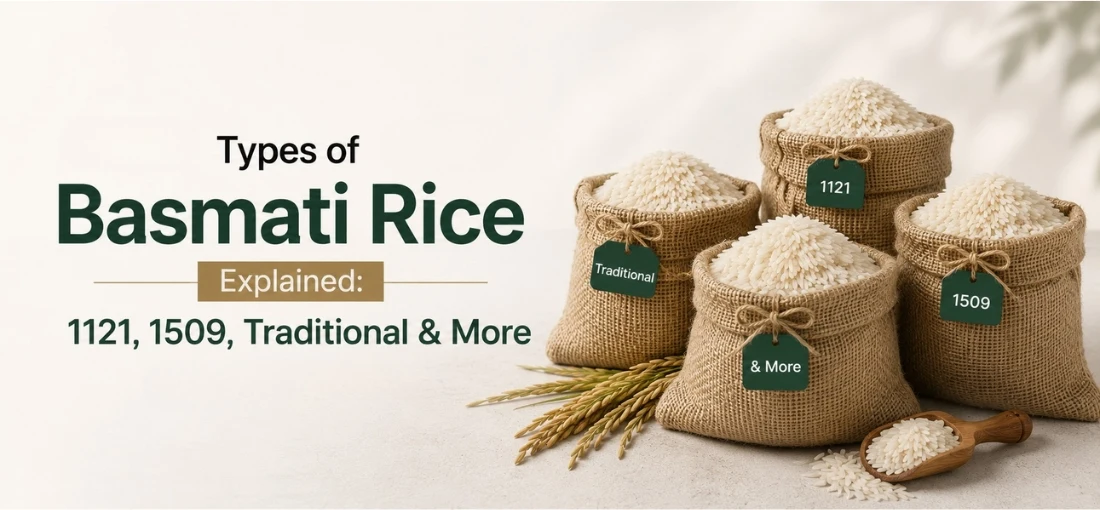
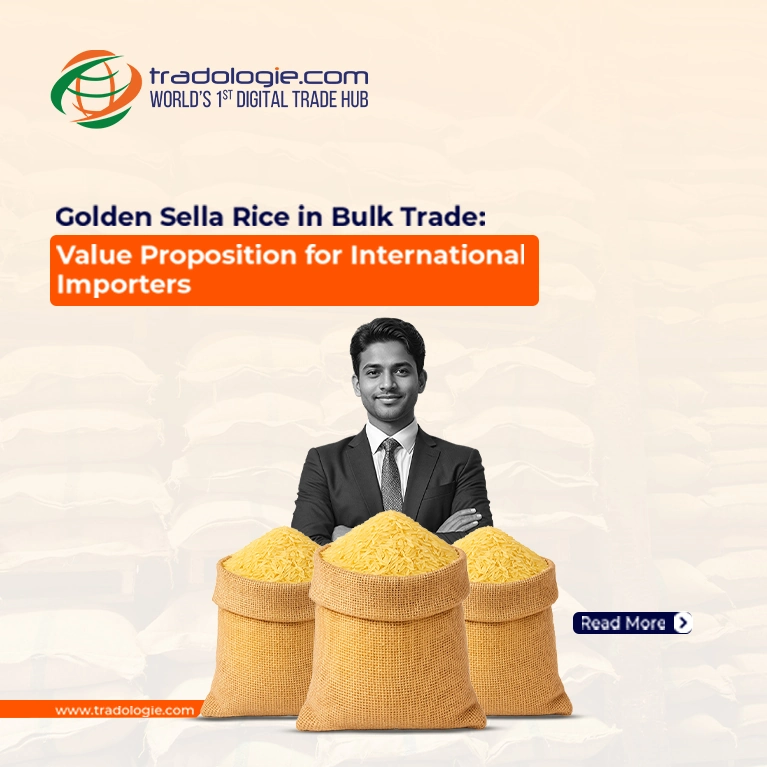
- 1121 Steam, Golden Sella, and Creamy Sella are the most in-demand varieties.
- Transaction-based B2B platforms connect exporters with verified buyers.
- SFDA regulations require strict quality and documentation compliance.
- Arabic bag labeling and pre-shipment inspections are essential.
Introduction:
If you export rice out of India, Saudi Arabia isn't a market you can afford to gloss over. The Kingdom buys massive volumes of grain every single year. But here is the catch: getting your foot in the door has very little to do with how good your sample bags look, and almost everything to do with whether you can actually reach verified Saudi Arabian rice buyers without blowing your budget on brokers or dead-end leads.
A lot of millers and merchant exporters end up burning cash on international flights, paying hefty middleman fees, or spending hours pitching to dead phone numbers. Let's break down where the real demand is in Saudi Arabia, why the top ways of finding rice buyers in Saudi Arabia keep failing, and what actually works today.
Keep reading this informative piece of blog, if you are interested in looking at top ways to connect with Saudi rice importers.

What the Saudi Arabia Rice Import Market Looks Like Right Now
You can't pitch effectively if you don't know what you're stepping into. Saudi Arabia produces almost zero rice locally because of strict groundwater policies. That means every grain of Basmati and Non-Basmati cooked in homes, commercial kitchens, and Mandi restaurants across the country comes off a container ship.
The raw numbers tell the story:
- Huge Global Market: Saudi Arabia imported a massive $1.92 billion worth of rice in 2024 alone, according to OEC data. This makes it alone the third-largest rice importer in the world.
- High Demand Commodity: Rice isn't a small trade category here. It actually ranks 16th overall among all products imported into the Kingdom.
- India Leads the Pack: Indian exporters supplied $1.44 billion out of that $1.92 billion total. Competing countries like Pakistan ($217M), the US ($132M), Australia ($54.6M), and Vietnam ($30M) sit way behind to put that in perspective,
- Fastest Growing Supplier: Between 2023 and 2024, Indian rice imports grew by another $146 million, easily outpacing growth from Pakistan ($80.9M) and the US ($38.2M).
- Massive Basmati Demand: APEDA figures show India shipped $942.99 million worth of Basmati rice to Saudi Arabia in 2025–2026 alone. This shows just how heavy the regional demand stays for premium long-grain varieties.
Grades like 1121 Steam, Golden Sella, and Creamy Sella command huge volume because they hold up well in large-scale commercial cooking setups used by local caterers and restaurants.
The Old Ways of Finding Rice Buyers in Saudi Arabia
Most Indian exporters rely on three old routes when trying to sell into Riyadh, Jeddah, or Dammam. Each one has serious structural flaws.
1. Flying Out to Trade Shows
Renting a booth at events like Gulfood or Saudi Foodex sounds great on paper. You get to shake hands and hand out business cards.
In practice, trade shows are a massive money pit. Between stall fees, flights, logistics, and hotel stays, you can easily burn lakhs before making a single dollar back. Worse, you walk away with a stack of cards from people who were mostly browsing. Turning those casual chats into container orders takes months of chasing, and conversion rates are notoriously low.
2. Buying B2B Directory Databases
It is easy to buy an online spreadsheet list that promises "verified contacts of Saudi Arabian Rice Importers".
The trouble is, these lead lists age fast. Half the phone numbers don't work, procurement managers have moved to different companies, or the emails hit spam filters. Even if the contact is real, you still have to hire a sales team to cold-call them, plus someone who speaks fluent Arabic to get past the gatekeeper.
3. Relying on Local Agents and Middlemen
Brokers are everywhere in grain trade because they hold local connections.
Using a broker gets you orders, but you pay for it dearly. They shave off $10 to $30 a ton in commissions, which strips away your margin. Worse, they guard the end buyer's contact info religiously. You never own the client relationship. If that broker finds a competitor willing to take a smaller cut next season, your trade volume goes to zero overnight.

The Modern Alternative: Transaction-Oriented B2B Platforms To Connect with Saudi Rice Importers
This exact frustration is why the export landscape is shifting away from directory listings and toward transaction-based platforms.
Instead of selling you static contact details, a transaction-oriented platform operates like an online trade desk. It hooks you up directly with verified rice buyers in Saudi Arabia who have open procurement requests.
Here is how the trade workflow actually looks:
- Live Buying Intent: A buyer posts an active requirement—say, 10 containers of 1121 Golden Sella in 10 kg non-woven bags bound for Jeddah Islamic Port.
- Direct Bidding: You negotiate pricing, specifications, and shipment schedules straight with the buyer, with no middleman standing in between.
- Escrow and Payment Security: The platform handles trade terms using standard banking protocols like Letters of Credit or advance payment. This makes sure cargo docs and funds line up before grain leaves the port.
By taking out the middleman and bypassing cold calls, you keep your profit margins intact and build real commercial relationships by connecting with Saudi rice importers directly.
Comparing Ways of Finding Rice Buyers in Saudi Arabia
| Sourcing Route | Upfront Cost | Time & Effort | Conversion Rate | Buyer Authenticity | What You Should Know |
|---|---|---|---|---|---|
| International Trade Shows | Very High (flights, hotels, stall rentals) | High (requires travel and months of follow-up) | Low | Mixed (mostly casual browsers & visitors) | Good for brand visibility, but expensive and rarely guarantees container orders on the spot. |
| B2B Directory Leads | Low to Medium | High (needs cold-calling & translation staff) | Very Low | Low (outdated numbers, dead emails) | Easy to buy online, but contact lists age quickly and require heavy manual follow-up to find real buyers. |
| Middlemen & Local Brokers | High (ongoing $10-$30/ton commission fees) | Low (broker handles introductions) | Moderate to High | High | Gets you fast volume, but eats into your margins and keeps you completely dependent on the agent. |
| Transaction-Oriented Platforms | Low / Performance-based | Low (direct online deal-making) | High | Very High (pre-screened, verified requirements) | Gives you direct access to genuine buyers with live buy orders, protecting your margins and trade safety. |
Regulatory Rules You Can't Afford to Ignore in Saudi Arabia
Finding the buyer is only step one. If your cargo hits a port in Jeddah or Dammam and fails inspection, you are looking at re-export costs, demurrage charges, or complete rejection.
SFDA Inspection Standards
The Saudi Food and Drug Authority (SFDA) doesn't compromise on food imports. They test incoming rice for:
- Pesticide Residues: Chemical levels must stay strictly within Maximum Residue Limits (MRLs).
- Moisture Levels: Cargo must sit below 12-13% moisture to prevent mold during the hot sea transit across the Arabian Sea.
- Purity: Zero tolerance for live or dead insects, foreign seeds, or heavy chalkiness
You'll need clean Phytosanitary Certificates, Certificates of Origin, and pre-shipment inspection reports from agencies like SGS before shipping.
Bag Printing Rules
Saudi rice buyers have strict labeling rules. Your bags—whether PP, Jute, or Non-Woven—must show:
- Product descriptions and brand names clearly printed in Arabic.
- "Product of India" origin statements.
- Net weight, batch numbers, manufacture dates, and expiry dates.
- Registered Saudi importer details.
Bottom Line for Exporters
The Saudi Arabia rice import market has continuous, massive demand, but old-school sales tactics are becoming too expensive and inefficient. Stop throwing money at trade show trips or dead database leads. Cut back on broker dependency, ensure your processing line satisfies SFDA guidelines, and use digital trade platforms to negotiate directly with genuine buyers in the Gulf.