-export-from-india-complete-b2b-trade-guide.webp "Fenugreek Seeds (Methi) Export from India: The Complete B2B Trade Guide")
Key Highlights
- Production Hub: Rajasthan supplies over 80% of India's fenugreek; track Kota and Jhalawar mandis for baseline pricing.
- Export Codes: Trade strictly splits into Methi Dana (Seeds: HS 09109912) and Kasuri Methi (Leaves: HS 07129090).
- Pricing & Margins: FOB prices span $0.80–$2.65+/kg, with Sortex and Organic grades commanding the highest premiums.
- Pharma Demand: Western markets buy heavily for active medical compounds like Diosgenin and Trigonelline.
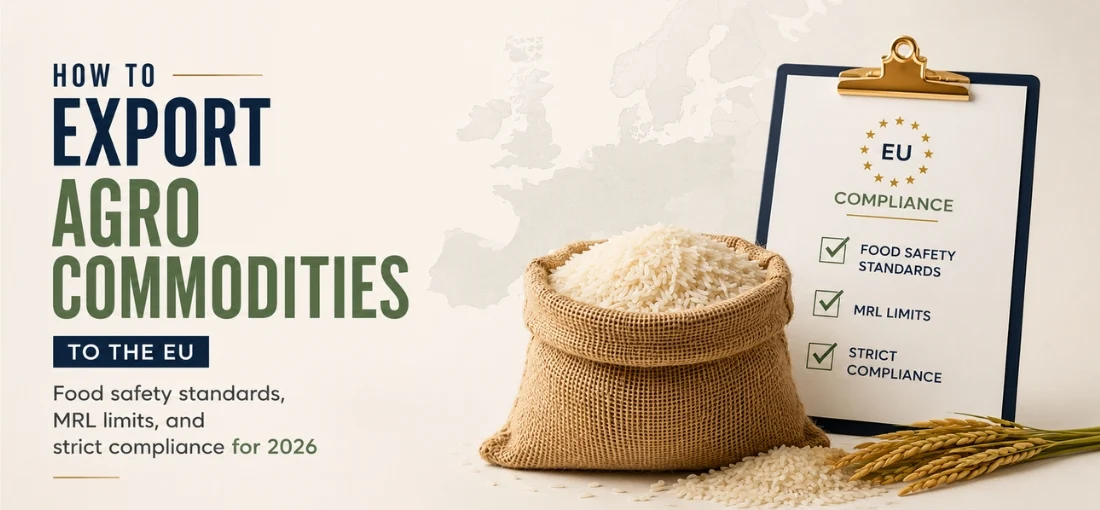
- EU Compliance: Strict zero-ETO (Ethylene Oxide) rules apply; steam sterilization and clean lab reports are mandatory.
- Logistics: Standard shipments use 20-foot containers (18–22 MT) fitted with moisture-proof liners for ocean transit.
India leads the global spice and farm trade. It holds strong power over global supply chains. Inside this large farm portfolio, the fenugreek seeds export India market stands out. It offers a very profitable and stable chance for B2B traders, buyers, and bulk suppliers. Global demand is growing fast. This growth spans the food, medicine, health, and beauty sectors. Therefore, you must build a strong and clear supply chain for fenugreek exports. This task requires exact planning and deep market knowledge.
Today, success in methi export India operations goes beyond basic buying. It requires more skill. You must navigate complex global rules. You need to understand detailed pricing at local markets. Furthermore, you must use smart digital buying platforms like Tradologie.com. These tools connect you directly with checked global buyers. This complete guide is your final operation manual. We designed it for serious farm traders, buying heads, and export houses. It will help you master the fenugreek trade and beat competitors. It also helps you secure large, long-term deals with big buyers in the EU and US.

1. The Global Demand and Biochemical Dominance of Indian Fenugreek
The world wants more Indian fenugreek than ever before. This high demand comes from the seed's many uses across completely different industries. India's unique farming climate grows a product that other countries cannot easily copy. Indian methi is famous for its high levels of key active compounds.
These compounds drive global interest, especially in the medical sector:
- Diosgenin: A compound used to make medicines. This drives the high diosgenin fenugreek demand.
- Trigonelline: Valued heavily in the health sector for metabolic benefits.
- Galactomannan: A special fiber prized in healthy food products.
- Sotolone: The chemical that gives fenugreek its classic maple-like smell.
These specific compounds—not curcuminoids, which belong to turmeric—are the real reasons why drug and health buyers want Indian fenugreek.
Fenugreek Production & Sourcing in India
Rajasthan is the top grower of fenugreek in India. It actually produces more than 80% of the country's total crop. The sandy soil and dry weather there create the perfect home for this plant. Because of this specific climate, the seeds grow very dense. They also develop a strong, rich smell.
Other states and local markets also play a big role in the trade:
- Other Farming States: Madhya Pradesh and Gujarat are the next largest growing areas.
- Rajasthan Markets: The main wholesale trading hubs, known as mandis, are located in Kota and Jhalawar.
- Madhya Pradesh Markets: Neemach and Mandsour serve as the key secondary markets for buyers.
Exporters need to watch these four local markets very closely. They should track how much of the crop arrives every single day. They must also check the daily spot prices. Tracking these details provides the best early warning signs. This helps businesses predict future changes in final export prices.
Export Markets & Grade Preferences
It is vital to know exactly where these seeds are shipped. The United States is the absolute biggest buyer globally. They track this trade using a specific "methi" export code. The US also buys a massive share of the best premium and organic shipments.
Different countries look for very different types of seeds:
- The Premium Market: The USA, Canada, and the United Kingdom want the highest quality available. They specifically ask for Sortex-cleaned and organic grades. These top-tier seeds are used mainly to make health capsules and dietary supplements.
- The Standard Market: The UAE and Bangladesh have totally different needs. They mostly buy standard, machine-cleaned grades. These countries use the seeds for everyday cooking and retail food packaging.
2. Understanding the Export Varieties: Methi Dana vs. Kasuri Methi Export
Success in global B2B farm trade relies on exact product knowledge. Buyers in the Middle East have different quality needs than drug buyers in Europe. Health product makers in North America also have unique rules. Exporters must fully understand the difference between seed and leaf exports. This knowledge will improve your sales approach.
Methi Dana Export (Whole Seeds)
This group makes up most of the trade. Methi dana export involves hard, brown, angled seeds. People use them mostly for cooking, pickling, and making spice blends. Factories also use them for complex medicine extraction. For bulk global trade, you must meet strict rules. Moisture must stay below 9% to 10%. This stops mold during long sea trips. Purity levels are crucial. They range from 98% for basic food markets to 99.5% or higher for drug uses. The seeds must also be completely free from live bugs, mold, and weed seeds.
Kasuri Methi Export (Dried Leaves)
This is a very different product line. Kasuri methi export deals only with dried fenugreek leaves. The market sees it as a premium cooking herb. People worldwide love its deep, earthy smell and slightly bitter taste. It is vital in South Asian restaurant dishes. These dried leaves are fragile. They also contain volatile natural oils. Therefore, shipping Kasuri methi requires special care. You must use moisture-proof, airtight packing. This stops the loss of flavor, color fading, and mold growth during sea travel.
Also, customs rules demand careful sorting here. Customs groups Kasuri methi (dried leaves) under a different code than the seeds. You ship methi dana (seeds) under HSN 09109912. However, you must export dried fenugreek leaves under HSN 07129090 (other dried vegetables). Exporters must ensure they use the right code. Using the seed code for leaves will cause customs delays. It may also lead to extra tax charges at the arrival port.
3. Sourcing, Grading, and Procurement Strategies for Exporters
You cannot build a lasting, high-volume export business without direct farm links. You need clear ties to local farmers or trusted mandi aggregators. Do you want to rank among the top methi seed exporters India has to offer? Then your sourcing plan must change. You must move from messy offline buying to smooth, data-driven buying. Platforms like Tradologie.com are changing this space. They let exporters talk directly with verified mills and big aggregators in real-time.
When buying bulk orders for global buyers, you must group Indian fenugreek seeds by strict processing and size rules:
- Machine Cleaned (MC) FAQ Grade: This is the basic standard. It offers 98% to 99% purity. Workers pass it through basic machines to remove dust, stones, and stems. It is cheap and works best for price-sensitive areas. These include the Middle East, North Africa, and Southeast Asian spice factories.
- Sortex Cleaned (Premium Grade): This is a must for Western markets. It uses advanced color-sorting cameras. The machines remove bad seeds, mud balls, and tiny dirt. This brings purity up to 99.5% or 99.9%. EU and US food safety rules almost force you to use Sortex quality.
- Bold Seeds (Eagle Grade): These seeds are much larger. They have an even, bright yellow-gold color. Bold seeds hold more natural oils. The global health supplement industry actively searches for this grade. It gives them the best extraction results.
Timing your buying is just as vital as picking the right grade. The main harvest time for fenugreek in India runs from February to April. Smart bulk traders buy most of their yearly stock during peak arrival months. Prices at the mandi are lowest during this time. After buying, they store the seeds in modern, climate-controlled warehouses. This keeps the quality high during the off-season. Elite B2B exporters never buy just by looking at the goods. You must always close deals using an independent lab report. This Certificate of Analysis (COA) must check moisture, ash levels, and salmonella limits.

4. Analyzing the Fenugreek Price per Kg: Market Dynamics and Forecasting
Price changes happen often in the Indian farm sector. The baseline fenugreek price per kg goes up and down daily. Many factors cause this. Local sellers might hold back stock. Ocean shipping costs might change. The dollar-to-rupee rate also matters. Most importantly, local weather changes affect crop sizes. Exporters must learn to read these signs. This helps them offer winning but profitable CIF and FOB price quotes.
Fenugreek prices have dropped a bit in 2025-26. They are lower compared to the high peaks of 2023-24. Domestic wholesale prices for FAQ grade sit around ₹43–₹65/kg at major Rajasthan markets. Global buyers should note past trends. The FOB export prices from India ranged between $0.81 and $2.65 USD per kg in 2024. This shows a wide price gap based on quality grades. Organic certified batches always get the highest prices in the EU and North American markets.
| Grade | Domestic Wholesale (INR/kg) | FOB Export Price (USD/kg) | Primary Market |
|---|---|---|---|
| FAQ/Standard (Machine Cleaned) | ₹43 – ₹65 | $0.80 – $1.10 | Middle East, Bangladesh |
| Premium (Sortex Cleaned) | ₹70 – ₹95 | $1.10 – $1.80 | USA, UK, EU food manufacturers |
| Bold Seeds (High oil content) | ₹85 – ₹110 | $1.50 – $2.00 | Nutraceuticals, EU supplements |
| Certified Organic (NPOP) | ₹120 – ₹250+ | $2.00 – $2.65+ | EU, USA organic retail/pharma |
Prices reflect 2025-2026 facts. Monsoon rain in Rajasthan is the biggest factor for yearly price jumps. A bad Kharif rain cycle in Rajasthan quickly cuts the supply. You will see shortages from Kota and Jhalawar mandis within 6 to 8 weeks.
How do you keep good profits during these price swings? We highly advise exporters to use B2B platforms. You can lock in forward contracts with trusted suppliers. This protects your business from sudden jumps in Rajasthan fenugreek production costs.
5. Essential Documentation and ETO Compliance for European Markets
The biggest hurdle for entering rich European and American markets is not price. It is strict rule compliance. The European Union has set very tough Maximum Residue Limits (MRLs) for farm chemicals. They also completely ban certain cleaning methods.
Mastering ETO fenugreek EU compliance is now your most vital operational goal. For years, the trade used Ethylene Oxide (ETO) to clean spices. However, European port officers will look for it. If they find ETO, they will reject your cargo right away. They might seize it or destroy it. The exporter will pay for all losses. If you target the EU, you must use other ways to kill germs. Steam cleaning is a safe choice. Also, you must provide certified lab proof from places like SGS or Eurofins. This paper must prove your goods have zero ETO left inside.
To pass customs smoothly and keep business moving fast, successful exporters prepare a perfect document folder for every single shipment.
- Commercial Papers: You need a detailed Proforma Invoice and a Commercial Invoice. You also need an exact Packing List.
- Shipping Papers: Secure a clean Bill of Lading (B/L) from your shipping line.
- Regulatory Papers:
- Get an APEDA Registration Cum Membership Certificate (RCMC)
- Secure a Phytosanitary Certificate from the Plant Protection Board. This proves your cargo has no dangerous pests.
- Provide a Certificate of Origin (CoO). This is vital. It lets buyers claim lower import taxes.
- Hold a valid FSSAI Export License.
6. Logistics, Specialized Packaging, and Bulk Shipping Strategies
Packaging acts as your final shield against product rejection. Bulk fenugreek seeds export India trade follows strict industry rules. You should use 25 kg or 50 kg new, strong Polypropylene (PP) bags. Food-grade jute bags also work well. Are you shipping to humid regions? Or using long transit routes? If yes, you must add a moisture-proof inner plastic liner. This step is non-negotiable. It protects the physical quality of the seed. It also protects your overall fenugreek price per kg value.
Picking the right shipping container is also crucial. Standard dry shipments usually use 20-foot Full Container Loads (FCL). These easily hold about 18 to 22 metric tons of packed seeds.
However, ships cross different climate zones. This causes "container sweat" or heavy water drops inside the metal box. To fight this, exporters must line the walls with Kraft paper. You must also hang strong moisture-absorbing bags inside the container. This stops water damage and fast mold growth.
For logistics, exporters must set very clear Incoterms with buyers.
- FOB (Free on Board): You act as the main handler in India. You pay for inland transport, local customs, and port charges. Your duty ends when goods load at an Indian port, like Mundra or Nhava Sheva.
- CIF (Cost, Insurance, and Freight): You take full duty for the whole trip. This covers ocean freight and marine insurance. Your duty ends only when the cargo arrives at the buyer's home port.
7. Finding International Buyers for Fenugreek Seeds
The last step in building a great fenugreek export business is finding new customers. Waiting around for buyers to call you is an old, failing method. Today's global farm trade moves too fast. You must actively reach out to B2B targets to win high-volume contracts.
- Digital Trade Sites: Use platforms like Tradologie.com. They connect you straight to checked global buyers. Make sure your profile shows your Sortex skills and organic papers. Always list your live FOB prices.
- Trade Fairs: Travel to global food and spice shows. Good examples include Gulfood in Dubai or SIAL in France. These events help you build face-to-face trust with big buying managers.
- Embassy Data: Check with Indian embassies in other nations. They often post fresh lists of local farm buyers. These companies actively look for trusted Indian supply chains.
Finally, building real trust requires total honesty. B2B buyers almost always ask for a test sample before shipping. Exporters must make sure this sample perfectly matches the final bulk cargo. This stops later fights over quality. By mastering quality buying, strict rules, and smart pricing, Indian exporters can easily win the global supply chain race.