
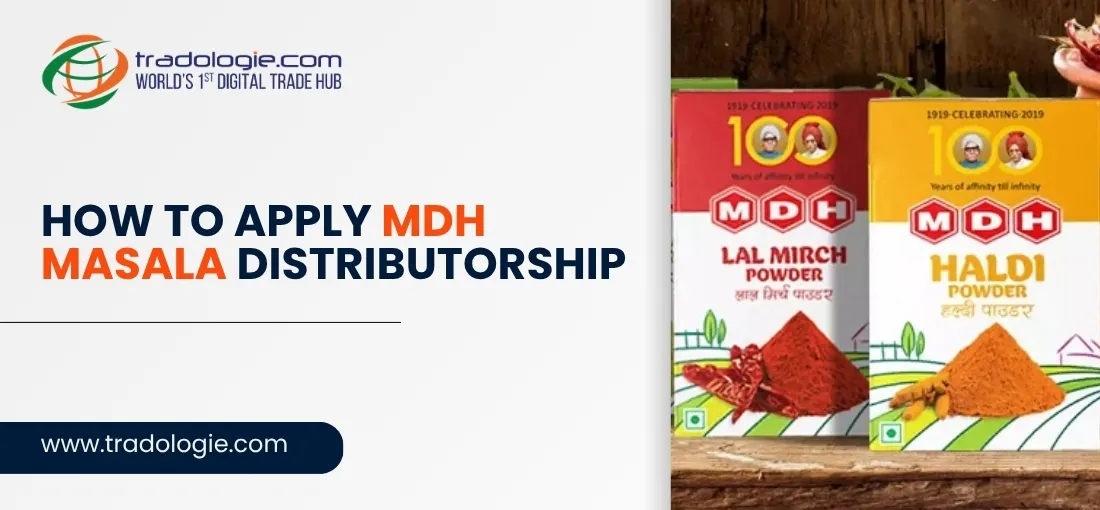
The fast-moving consumer goods (FMCG) sector is highly complex. This is especially true when dealing with classic farm products like spices. Getting an MDH Masala distributorship is a big step. It is not just about selling packed boxes to local shops. Instead, it is about joining a massive supply chain. This chain connects local Indian farms to buyers all over the world.
Below is a detailed guide. It explains how to understand and apply for an MDH distributorship. We will look at this from the view of bulk trade, farming economics, and storage setups.
1. The History and Power of MDH Spices
In the world of spices, Mahashian Di Hatti (MDH) is a big name. The business began in 1919. It has since grown into a huge brand around the world. Do you want to trade in bulk? If so, working with MDH is a smart business move.
Historically, MDH holds a 12% share of India's organized spice market. In parts of North India, this share can even reach 70%. This kind of massive reach does not happen by accident. It relies on a very strong distribution network. This network must be able to move huge amounts of spices every single year.
2. Farming Roots and Supply Chains
You need to start at the farm to understand how the spice business works. The world grows the most spices in India. India actually makes almost 45% of all the spices in the world. We grow chili peppers in Andhra Pradesh. We grow cumin in Gujarat. Because of this, changes in farming have a direct impact on your profits.
You need to keep a close eye on farming trends if you buy in bulk. You should pay attention to these things:
- Seasonal crop yields: How much spice is growing this season?
- Monsoon effects: Did enough rain fall to support the crops?
- Harvest times: When exactly are the new crops ready?
Tracking these details helps you predict supply issues. It also helps you buy stock safely without freezing all your cash at once.
3. Dealing with Price Changes and Risks
Spice prices change all the time. They are known as volatile commodities. The weather can change their cost instantly. Political issues can make prices jump. Global demand shifts constantly. Because of this, large-scale distributors cannot just buy stock when they run out.
Instead, smart bulk traders protect their money. They use a strategy called risk hedging. They might sign contracts early to lock in a good price. They also buy large amounts of stock during the peak harvest season.
For example, a trader might buy tons of cumin (jeera) in March and April. This is when the fresh crop arrives at the local markets (mandis). Buying early protects the trader from huge price hikes later in the year.
4. The Power of India's Spice Exports
Selling spices to other countries is a massive business. The Spices Board of India tracks these numbers carefully. In the financial year 2024–25, their data shows that national spice exports reached an all-time high of USD 4.72 billion. India sent 1.80 million metric tons of spices to other countries.
Here are some key facts about these exports:
- Chili is king: Chili exports grew by 19% recently.
- Massive volume: India exported 0.71 million tonnes of chili alone.
- High value: This chili export was worth USD 1.34 billion.
The Indian government has big plans. They want to reach USD 10 billion in spice exports by 2030. Large MDH distributors can take advantage of this. You can connect local bulk supplies with international buyers. Just make sure your franchise agreement allows this. Doing so can boost your profits heavily.
5. Global Trade Rules and Quality Checks
Do you want to export your spices? If yes, following the rules is your biggest hurdle. The global spice trade watches closely for dirty or unsafe products. You cannot just ship bulk spices across borders easily.
To be successful, your products must meet strict international standards. This is what you need to know:
- ASTA Rules: You must follow safety guidelines from the American Spice Trade Association.
- US FDA: The United States Food and Drug Administration must approve your health standards.
- European Union Limits: The EU is very strict. You must stay under their Maximum Residue Limits (MRLs). This means your spices cannot have high levels of chemicals, like pesticides or ethylene oxide.
6. Selling in Bulk to Businesses (B2B)
Most people think of supplying local grocery shops (Kirana stores) or supermarkets. That is the traditional retail way. However, modern bulk trade makes real money from institutional buyers.
A smart distributor targets the HoReCa sector. This stands for Hotels, Restaurants, and Catering. You should also look at cloud kitchens and packaged food makers. These businesses do not buy a few grams of spices. They buy raw and mixed spices by the ton. Securing B2B contracts with these groups gives you a steady, massive income. This approach often beats standard retail profits.
7. Using Technology to Track Spices
Today, bulk trading is not just about trucks and warehouses. It is highly driven by computer data. Buyers around the world want to know exactly where their food comes from. Large retail chains demand strict "farm-to-fork" tracking.
Top distributors use special software to run their daily business:
- Inventory Software: They use Enterprise Resource Planning (ERP) systems to track stock levels perfectly
- Lot Tracking: If a batch of spice goes bad, they can quickly find and isolate it using technology.
- Climate Control: They have machines that automatically check the temperature and humidity in their warehouses. This keeps mold (aflatoxins) from growing. It also keeps the spices' natural oils from going bad.
8. Money Needed for an MDH Distributorship
Getting a distributorship requires good financial health. You need ready cash. MDH sets this barrier high on purpose. They only want serious, well-funded businesses to represent their brand.
If you want to apply, prepare your finances. Here is a simple breakdown of the estimated costs
| Investment Type | Estimated Cost (in ₹) | What It Is For |
|---|---|---|
| Security Deposit | 2,00,000 - 3,00,000 | A refundable deposit kept by MDH. |
| Initial Stock | 7,00,000 - 12,00,000 | The very first bulk order you must buy. |
| Working Capital | 4,00,000 - 6,00,000 | Cash for daily transport, worker pay, and bills. |
| Total Needed | 13,00,000 - 21,00,000+ | This goes up if you want a bigger territory. |
Note: These numbers are general estimates. Your actual costs will depend on your specific agreement with MDH.
9. Steps to Apply for Bulk Traders
- Write a Business Plan: Detail your goals clearly. Show them your target B2B buyers. Estimate your bulk sales volume. Prove that you have the money ready.
- Make the First Contact: Reach out to the MDH head office in New Delhi. You can send a formal registered letter. You can also send a professional email with your plan attached.
- Submit Your Papers: Give them your identity proofs (KYC). Show them your warehouse lease or ownership papers. You usually need at least 1,000 sq. ft. of space. Also, provide your GST and wholesale FSSAI food safety licenses.
- Pass the Site Check: MDH staff will visit your warehouse. They will check if it meets their strict storage and climate control rules.
- Sign the Contract: Once approved, you agree on the commercial terms. You send the required security deposit. Finally, you sign the official Distributorship Agreement.
Frequently Asked Questions
1. How much money is required to start an MDH Masala bulk distributorship?
Around ₹13 Lakhs to ₹21+ Lakhs, which covers your security deposits, initial bulk stock, and working capital.
2. What is the minimum warehouse space needed?
At least 1,000 square feet to safely store bulk tonnages and support necessary climate-control systems.
3. How do I apply for the MDH B2B distributorship?
Submit a B2B business plan, KYC, and FSSAI/GST documents to the MDH headquarters in New Delhi, followed by a warehouse site inspection.
4. Can an MDH distributor export spices to international markets?
Yes, if your specific franchise agreement permits it and you meet strict global quality standards (like ASTA and US FD
5. Who are the primary buyers for a bulk spice distributor?
Institutional B2B buyers, specifically the HoReCa sector (Hotels, Restaurants, Catering), cloud kitchens, and packaged food manufacturers.


.webp "Top 10 Health Benefits of Cinnamon ( Daal Chini )")
.webp "Global Clove Import Demand: Industries Driving Bulk Trade Worldwide")