Lafarge Grade B 550 | 150 mm
Facilitated by Tradologie.com
Tradologie.com enables developers, contractors, and institutional buyers to source Lafarge AAC Blocks directly from verified suppliers, ensuring transparent pricing and project-aligned procurement.
Offered By 800+ Verified Suppliers across India
Including Lafarge-authorized AAC distributors, project suppliers, and bulk construction material vendors.
Certifications & Compliance
Lafarge AAC Blocks typically comply with:
Specific test certificates are shared by suppliers at the time of order execution.
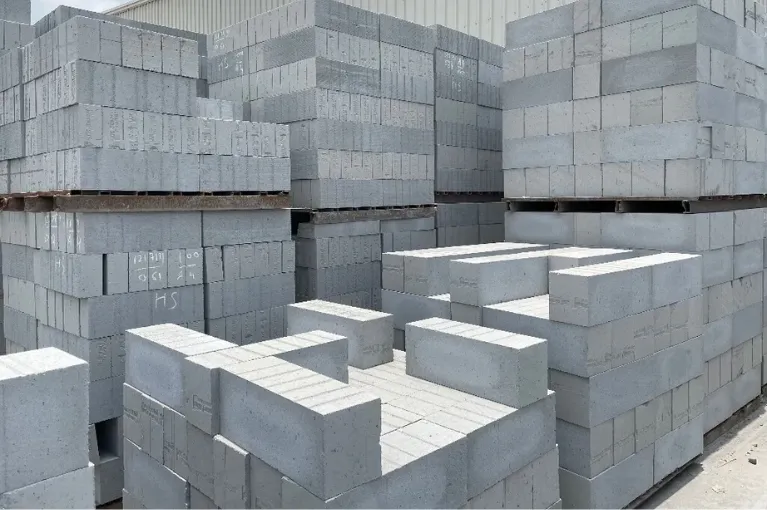
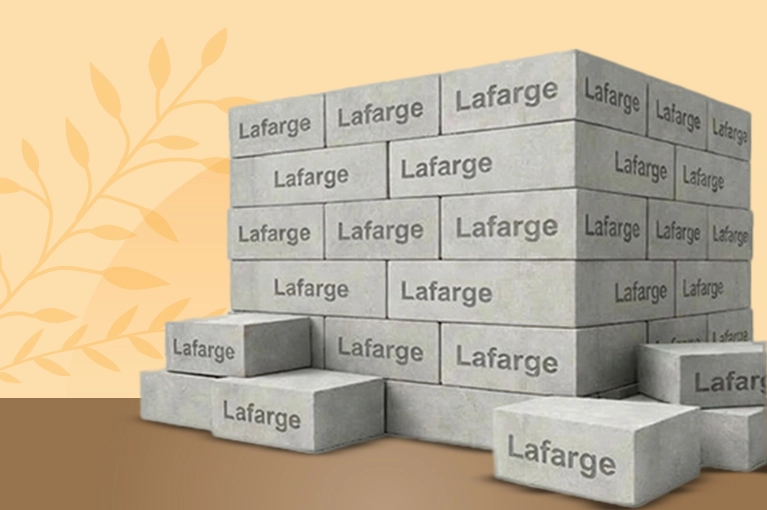
Lafarge AAC Block – Grade B – 550 – 150 mm is a medium-density autoclaved aerated concrete block designed for non-load-bearing walls, external infill masonry, and internal partitions in RCC-framed residential, commercial, and institutional buildings.
With increased thickness compared to 100 mm blocks, the 150 mm variant offers enhanced acoustic insulation, improved fire resistance, and better wall rigidity, making it suitable for internal as well as selective external walls where load-bearing is not required.
Manufactured using Lafarge’s advanced AAC technology, these blocks ensure dimensional accuracy, uniform density, and consistent compressive strength, supporting faster construction and reduced structural load.
Lafarge Grade B AAC Blocks – 150 mm thickness are widely used for internal walls, shaft walls, and external infill masonry, delivering durability with reduced dead load.
With Tradologie, buyers can:
Lafarge AAC Blocks are produced using cement, fly ash, lime, gypsum, and water, cured under high-pressure steam autoclaving. This process forms a uniform cellular structure that delivers lightweight construction, thermal efficiency, sound insulation, and fire resistance.
Grade B AAC blocks strike an ideal balance between compressive strength and weight, making them suitable for most non-structural wall applications.
All sellers are verified and compliance-checked.
Lafarge operates high-capacity AAC manufacturing facilities with automated systems to ensure consistent quality, scale, and timely project supply.
Lafarge has multiple AAC plants across India, strategically positioned near major construction corridors for efficient logistics and supply reliability.
Submit your requirement on Tradologie to receive competitive quotations from verified Lafarge AAC block suppliers, customized to your project size and delivery schedule.
| Grade | Density (kg/m³) | Typical Application |
|---|---|---|
| Grade A | 650-700 | Structural & load-bearing walls |
| Grade B | 550 | Internal & external non-load-bearing walls |
| Grade C | 450 | Lightweight partitions |
75 mm | 100 mm | 150 mm | 200 mm | 230 mm
| AAC Grade | Typical Bulk Price* | Best Use | Key Features |
|---|---|---|---|
| Grade A | Higher | Structural walls | High strength |
| Grade B | Moderate | Non-load-bearing walls | Balanced performance |
| Grade C | Lower | Partitions | Lightweight & economical |
*Prices vary based on quantity, location, and freight.
Get in Touch



Yes, they are commonly used for external infill walls in RCC-framed buildings, but not for load-bearing applications.
150 mm blocks provide better sound insulation, improved fire resistance, and increased wall stability.
Yes, they comply with IS 2185 (Part 3) standards.
Yes, their large size and easy workability enable faster wall construction.
Yes, Tradologie facilitates direct bulk procurement from verified Lafarge AAC suppliers.
Kuwait is an important destination for Indian rice exporters because it relies on international suppliers to meet domestic rice demand. Indian rice is valued for its quality, variety and suitability for retail, wholesale and food-service markets.
Kuwait imports different varieties of rice, including Traditional Basmati Rice, 1121 Basmati Rice, Pusa Basmati Rice, Golden Sella Rice, White Rice, Parboiled Rice and other Non-Basmati varieties. Demand depends on consumer preferences, price, quality specifications and intended use.
You can find rice importers in Kuwait through B2B trade platforms, international trade directories and food commodity networks. Tradologie helps exporters explore bulk buyer requirements, submit quotations and negotiate with potential international buyers through its digital trade platform.
The Tradologie page lists companies such as Kuwait Supply Co. S.A.K.C., Altawaf General Trading Co., Abdul Aziz Al Sebaie & Sons, Perfect Logistics International and Jassim Al Wazzan Sons General Trading. Exporters should verify each company's current import activity, business credentials and procurement requirements before entering into a commercial agreement.
Yes, Indian Basmati rice is supplied to Kuwait and other Middle Eastern markets. Popular varieties include Traditional Basmati, 1121 Basmati, Pusa Basmati and Sella rice. Import volumes and supplier preferences vary according to market demand, pricing and trade conditions.
To export rice from India to Kuwait, identify a suitable buyer, confirm the required rice variety and quality specifications, obtain the necessary export documentation, and agree on pricing, payment and shipping terms. Exporters should also comply with applicable Indian export policies and Kuwaiti import regulations.
Commonly required documents may include an Import Export Code (IEC), commercial invoice, packing list, bill of lading, certificate of origin and phytosanitary certificate, where applicable. Additional product certifications, inspection reports or import permits may be required depending on the shipment and current regulations.
Kuwaiti importers can explore a wide range of rice varieties from Indian suppliers, compare quotations, specify quality requirements and source bulk quantities. Direct procurement may also create opportunities to improve sourcing efficiency and develop long-term supplier relationships.
Tradologie provides a B2B trade platform where registered exporters can explore buyer requirements, submit competitive quotations and participate in negotiations. The platform facilitates connections between exporters and potential bulk importers, while final orders depend on pricing, product suitability and buyer decisions.
Rice importers should evaluate grain quality, rice variety, broken percentage, moisture level, packaging, quantity, price, shipping costs, delivery timelines and supplier credentials. Clear specifications and agreed inspection procedures help minimise quality disputes and supply-chain risks.
Exporting Basmati rice to Kuwait can offer commercial opportunities because of demand for aromatic rice and established import channels. Actual profitability depends on procurement costs, export prices, freight, insurance, packaging, payment terms, applicable duties and market competition.
Visit Tradologie.com and select the seller registration option. Submit the required business information and complete the platform's verification process. Once onboarded, you can explore relevant buyer requirements, submit offers and participate in trade negotiations according to the platform's procedures.