
.webp "India Allows Export of 25 Lakh Tonnes of Wheat: Policy Shift, Global Impact and What It Means for Farmers and Importers")
Key Highlights
- Government of India allowed export of 25 lakh metric tonnes (2.5 million tonnes) of wheat.
- Official notification issued by the Directorate General of Foreign Trade (DGFT) on February 24, 2026.
- Wheat export policy continues under the “Prohibited” category, with a limited exception.
- The decision was taken due to comfortable domestic wheat stock levels.
- Export beyond the approved quota may be allowed on a case-by-case basis.
- The move aims to support farmers and stabilise domestic wheat prices.
- The government confirmed that food security and buffer stock norms remain protected.
- Detailed export procedure guidelines will be issued separately.
Government Allows Export of 25 Lakh Tonnes of Wheat: Policy Shift to Support Farmers and Balance Markets
The Government of India has allowed the export of 25 lakh tonnes of wheat under a special provision, while the overall wheat export policy continues to remain under the “prohibited” category. The decision was formally notified by the Directorate General of Foreign Trade (DGFT) on February 24, 2026 through an official notification issued by the Ministry of Commerce and Industry.
According to the notification, wheat remains classified under the “Prohibited” export category in India’s Foreign Trade Policy. However, a limited quantity of 25 lakh metric tonnes (LMT) has been permitted for export under defined conditions. This move does not represent a complete removal of the export ban but rather a controlled relaxation to manage domestic supply and support agricultural markets.
Why the Government Took This Decision
Officials have stated that the decision comes amid comfortable wheat stock levels in the country. India currently has adequate availability in both government and private reserves. The move aims to balance domestic demand and supply, stabilise prices, and provide better returns to farmers.
The government expects this controlled export window to prevent distress selling during peak harvest season and improve market liquidity. By allowing limited exports, policymakers aim to support farmers while ensuring that domestic food security remains protected.
Strong Wheat Stock Position in India
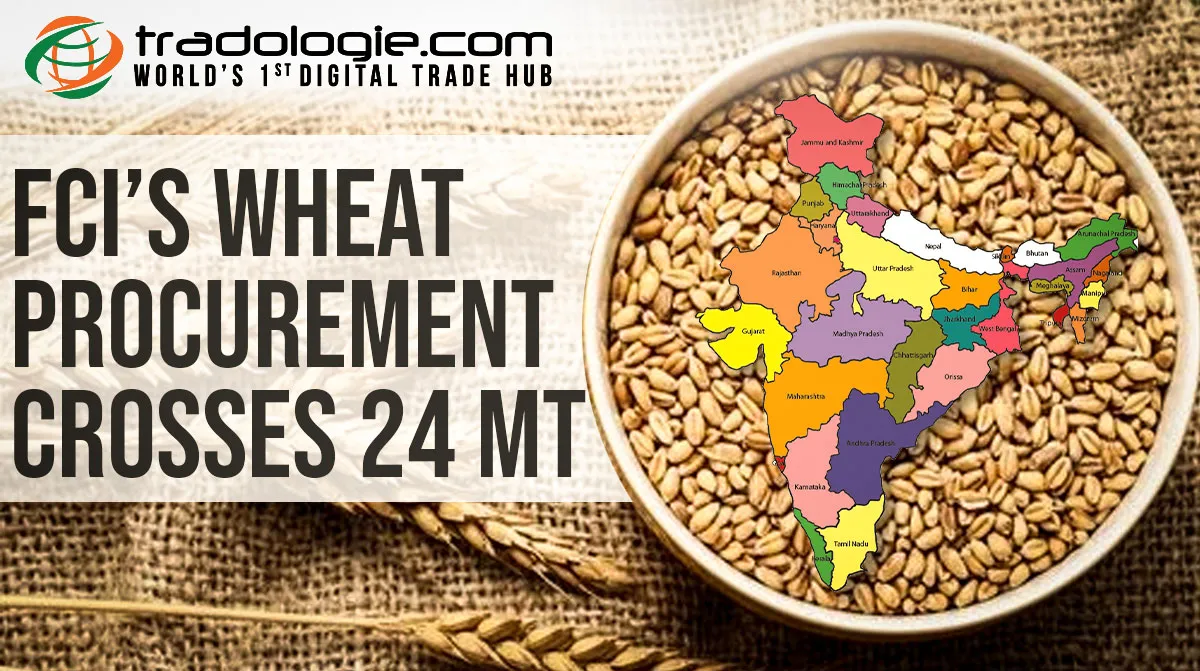
According to official projections, wheat stock in the central pool managed by the Food Corporation of India (FCI) is expected to remain comfortable. Estimates indicate that sufficient reserves will be available to meet domestic consumption, buffer norms, and welfare requirements even after allowing exports.
The government has emphasised that the permitted export quantity will not impact the Public Distribution System (PDS) or food security programmes.
Export Policy Remains Restricted
Despite the latest decision, the government has clarified that wheat exports continue to remain restricted. The 25 lakh tonnes export approval is an exception rather than a full policy shift. Export beyond the approved quota may be allowed on a case-by-case basis, especially for government-to-government agreements to address food security needs of importing countries.
This controlled export model reflects India’s broader strategy of maintaining domestic stability while responding to global supply opportunities.
Background: Wheat Export Ban Since 2022
India had imposed restrictions on wheat exports in May 2022 to control rising domestic prices and ensure food availability following global supply disruptions. Since then, exports have been permitted only under special approvals and bilateral arrangements.
The latest move indicates a calibrated approach as production improves and domestic prices stabilise.
Outlook for Farmers, Exporters and Global Buyers
The decision is expected to support wheat farmers by improving price realisation and creating new market opportunities. At the same time, global buyers, especially in Asia, Africa and the Middle East, may benefit from India’s return to limited wheat exports.
Exporters are now awaiting detailed operational guidelines from DGFT, which will outline procedures, documentation, and allocation of the approved quantity.
Experts believe that India will continue to follow a cautious and flexible policy approach, allowing exports based on domestic production, inflation, and food security priorities in the coming years.



.webp "On July 3, Russia to Further Reduce Export Duty on Wheat")