Sona Masoori Rice
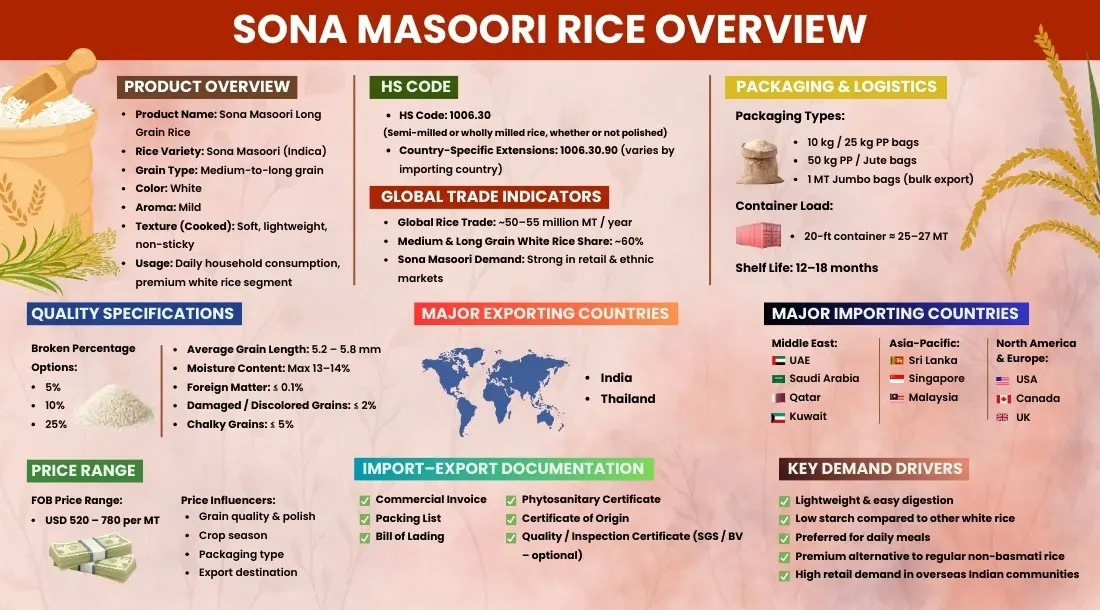
Minimum Order Quantity : 26 MT
Available Bag Size
Available Bag Type
Product Forms : Whole Grain, Powdered (Flour), Steam-Sterilized
Shelf Life : 12 to 24 Months (when stored in cool, dry conditions)
Origin : India (primarily Andhra Pradesh, Telangana, Karnataka), Vietnam (limited)
Facilitated by Tradologie.com
Offered By : 851 Verified Sellers

Certifications FSSAI, ISO 22000, APEDA, HACCP (on request).
Sona Masoori rice mostly comes from South India. That's just how the crop has settled over time. The weather suits it, the soil suits it, and farmers there know the variety inside out.
Andhra Pradesh, Telangana, Karnataka, Tamil Nadu — if you're buying Sona Masoori in bulk, chances are your shipment started somewhere in these states.
It's not a niche crop there. It's routine. Season after season.

Over the years, mills and exporters in this belt have built a steady supply chain around it. Nothing fancy. Just consistent volumes moving out. That consistency is what keeps India strong in the global Sona Masoori trade. Not hype — reliability.
They don't sit in the same lane.
Sona Masoori is everyday rice. Regular consumption. Homes, small restaurants, bulk kitchens. Buyers care about price, availability, and how the rice cooks daily. Simple things.
Basmati is different. Longer grain, aroma, premium pricing. More of a “special occasion” or branded retail product.
So the positioning changes completely.
If you're exporting Sona Masoori, you're usually talking volume business.
If you're exporting Basmati, you're talking value business.
Both sell well. Just for very different reasons.
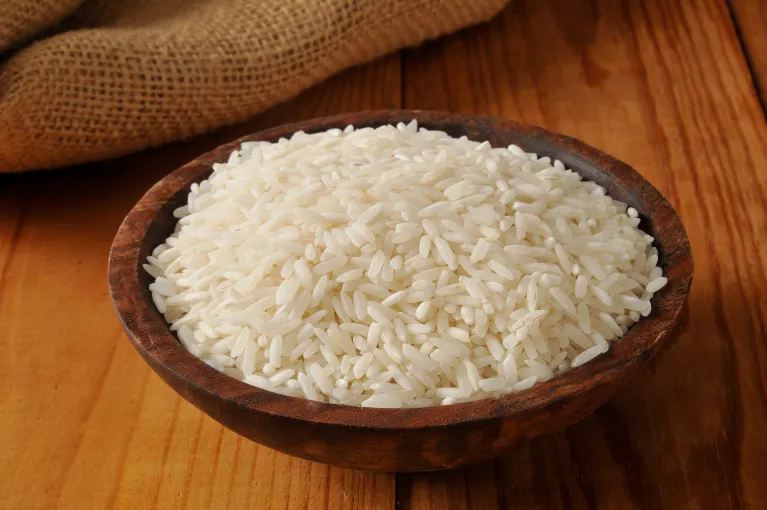
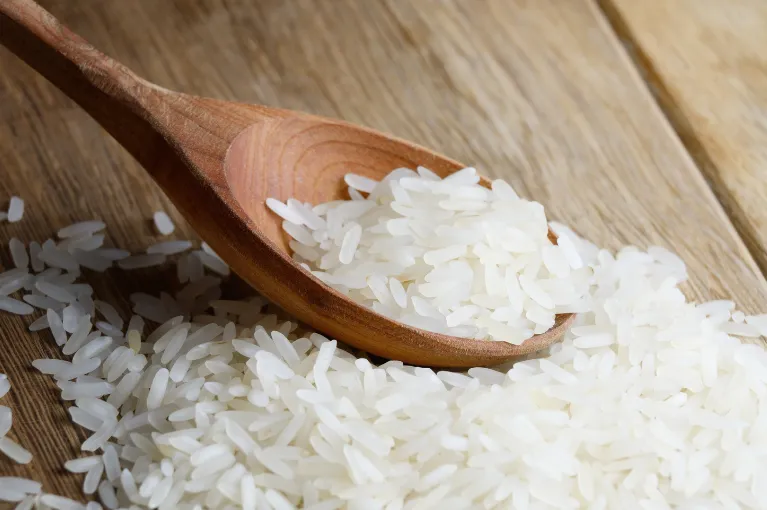
Sona Masoori is classified as a medium to medium-long grain non-basmati rice. In trade, it may be loosely referred to as “long grain” in some markets, but it does not match basmati-length standards.
| Parameter | Trade Specification |
| Moisture | 14% Max |
| Broken | 5%-10% Max (higher breakage available for price-led trades) |
| Damaged / Discoloured | 2% Max |
| Foreign Matter | 1% Max |
| Chalky Kernels | 6%-8% Max |
| Paddy Grains | 3-4 Grains Max |
| Grain Length | Medium to Medium-Long |
| Milling Standard | Well-milled / Reasonably well-milled |
Buyers typically share grade, quantity, and destination port to explore
Sona Masuri isn't a branded rice with a long list of sub-varieties. In trade, it's treated as a non-basmati, medium grain rice that's valued for its light texture and everyday usability. What changes from deal to deal isn't the name — it's the grade, breakage, and milling outcome.
By Broken Percentage
By Processing Type
By Milling Standard
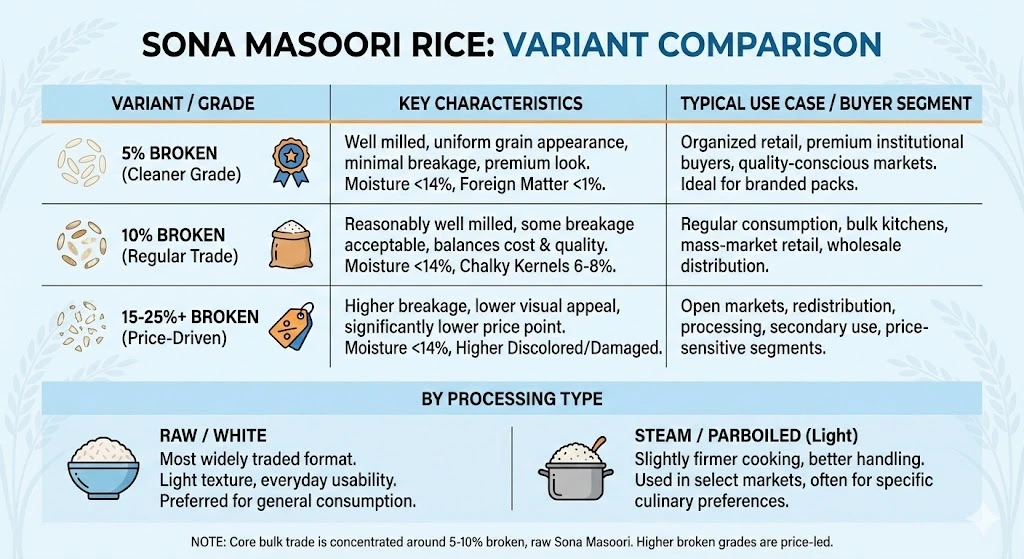
By Origin
In practice, 5%-10% broken, raw Sona Masuri forms the core of most bulk transactions. Higher broken grades exist, but demand stays concentrated around cleaner, light-eating rice for everyday use rather than heavy redistribution.
Sona Masoori doesn’t move into one single type of market. It’s more of an everyday rice, so the buyer base ends up being quite broad.
A large part of the demand comes from ethnic food distributors who supply Indian and South Asian stores overseas. For them, it’s simply a staple item that sells regularly, week after week.
Supermarket chains pick it up too, often packing it under their own private labels. Nothing fancy — just dependable, good-quality rice that fits everyday cooking.
Bulk commodity traders also stay active in this segment. They buy in volume and pass it on to wholesalers, smaller retailers, or food service networks. It’s steady business, not seasonal spikes.
Then you have packaged food brands using it more quietly in the background — ready-to-eat meals like pongal, lemon rice, tamarind rice. Sona Masoori works well there because it’s light and cooks consistently.
There’s also a smaller but growing set of health-focused buyers. They usually look for brown or unpolished variants, something closer to natural or minimally processed rice.
And of course, hotels and catering suppliers import it in bulk for large kitchens. For them, it’s about reliability and cost control more than anything else.
On the supply side, the exporters are just as varied.
You’ll find modern agro-processing units with proper milling and grading setups, handling container-scale shipments regularly. Alongside them are farmer-producer organisations — cluster-based groups that pool output and sell collectively.
There are also plenty of traditional rice millers. Family-run operations, often in the business for decades. They may not look corporate, but they know the product inside out.
Then you have APEDA-registered export houses managing documentation and compliance for larger buyers, plus a niche group of exporters focusing specifically on organic or natural variants of Sona Masoori.
Major Supplier(s)
Major Importing / Demand Countries
Demand across these markets is use-case driven, not seasonal, and tied closely to regulatory and quality standards.
Sona Masuri rice operates independently from the Basmati industry because it serves as a dependable choice for regular consumption. The United States, together with the UAE and Qatar stand as the leading three nations which bring in rice because this product serves the needs of South Asian communities abroad while meeting the requirements of domestic food businesses which need affordable, superior rice choices instead of traditional long-grain types.
Key Demand Drivers – Sona Masuri Rice
The Middle- Ground Value Proposition: Sona Masuri is aesthetically positioned as a less expensive alternative to premium aromatic Basmati and a superior option to lower-grade parboiled rice. This gives importers in price-sensitive regions (such as West Africa and Southeast Asia) the opportunity to reduce food costs while keeping the "eating experience" intact for consumers.
Predictable Professional Results: Food service and catering sectors prefer Sona Masuri for its "cookability. " Unlike long, grain varieties, it needs less water and less attention to deliver a consistent, non-sticky texture, which is a must for high-volume commercial kitchens.
Indicative bulk Sona Masuri Export Price:
USD 430–620 per metric tonne (FOB)
Sona Masuri pricing usually sits in the mid-range of the non-basmati basket. It doesn’t swing wildly, but it does react when supply, policy, or logistics shift.
Pricing typically moves based on:
Prices for Sona Masuri are indicative, not fixed. Market conditions, export policy changes, and logistics disruptions can move levels quickly, especially during high-demand periods
Buyers typically move forward by sharing grade, quantity, packing, and destination port to check live availability and trade terms.
For customs purposes, Sona Masuri usually goes under HS Code 1006. That’s the standard rice bucket most countries use for milled or semi-milled rice.
In actual bulk shipments, you’ll often see 100630 on the documents. It mostly depends on the milling level and how the destination customs office prefers to read it.
Nothing unusual there.
Still, most Sona Masoori rice exporters in India don’t assume the code blindly. They’ll quickly confirm with the buyer or clearing agent before shipment. Different markets sometimes interpret things their own way, and it’s easier to sort that out early than fix it at the port.
Just part of the routine, really.
Buyers sourcing Sona Masuri usually keep their expectations practical. They’re not looking for extras — they want the basics to line up cleanly.
Packaging
Sona Masuri moves in different pack sizes. It depends on the market and how the rice will be sold.
You’ll usually see 5 kg, 10 kg, 20 kg, 25 kg, and 50 kg PP bags. Smaller packs go into retail programs. Larger bags are used when volumes are the priority.
Ports of loading
Shipments mainly move out of the south and east Indian ports. Common loading ports include Kakinada, Krishnapatnam, Chennai, and Visakhapatnam. Choice of port usually comes down to mill location and vessel availability.
Storage & shelf life
Stored dry and ventilated, Sona Masuri generally holds well for 12–24 months. Nothing special needed, just basic handling done right.
Incoterms
Most deals are done on FOB or CIF
EXW shows up occasionally when buyers prefer to manage inland movement themselves.
Export documentation
Shipments usually carry a phytosanitary certificate, Certificate of Origin, and a lab testing report, along with standard shipping papers. Destination checks are normally done before dispatch.

The prices, specifications, and trade details shared here are indicative in nature. They can change depending on the season, origin, market movement, compliance requirements, and logistics at the time of shipment.
We recommend that both buyers and sellers verify all information independently before moving ahead with any deal. Final prices, quantities, and terms should always be discussed and confirmed directly between the parties before signing a contract or dispatching goods.
In trade, small details matter — so it’s always better to double-check than assume.
Get in Touch



Sona Masuri falls under the non-basmati rice category. It’s known for its light texture and everyday use rather than aroma or ageing.
Sona Masuri is imported into multiple markets where buyers look for light, mid-priced rice for regular consumption. Demand comes from both retail and food-service segments.
Most bulk trade happens around 5% to 10% broken. Higher broken grades are available, mainly for price-sensitive programs.
Tradologie allows buyers to negotiate directly with verified exporters. You see real market offers, avoid middleman layers, and source based on clear specifications rather than fixed listings.
Buyers usually start by registering on the platform, sharing their requirement details such as grade, quantity, packing, and destination port. From there, negotiations move forward directly with interested suppliers.
Yes. Apart from bulk packs, Sona Masuri is also exported in 5 kg, 10 kg, and 20 kg bags, mainly for retail or private-label requirements. But the order size is usually not less than a container.
Shipments typically move with a phytosanitary certificate, Certificate of Origin, lab testing report, and food safety compliance, such as FSSAI for exports from India. Additional documents may apply depending on the destination.
Sona Masuri trade is generally volume-led. Most shipments move at the container level, though quantities can vary based on buyer needs and market conditions.
When stored in dry and ventilated conditions, Sona Masuri generally holds quality for 12–24 months.
No. Ageing is not a trade requirement for Sona Masuri. Buyers focus more on milling quality, freshness, and consistency.